

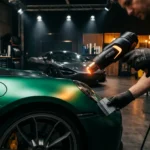
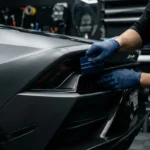
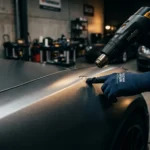
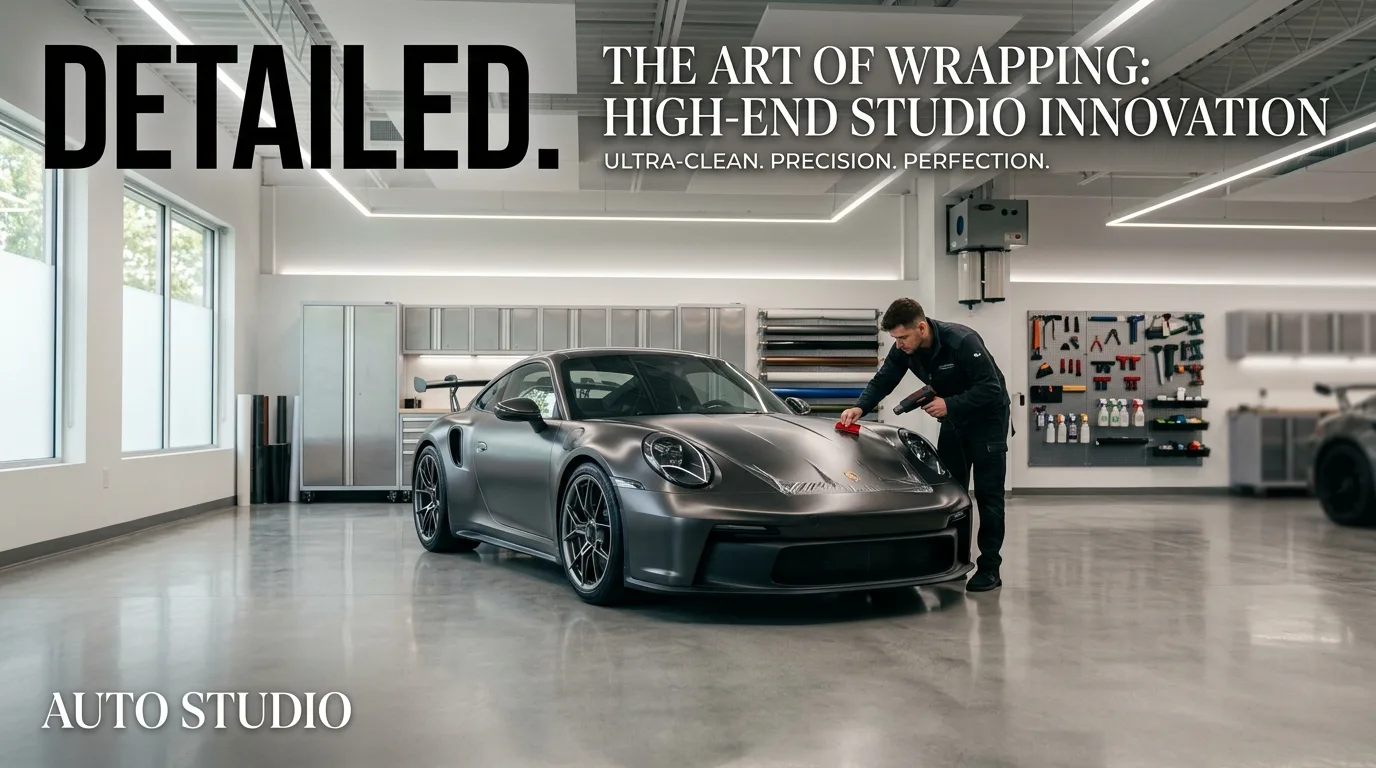

As a seasoned wrap expert with over 15 years in the trenches, I can tell you this: a flawless car wrap isn’t just about your skill with a squeegee or the quality of your film. It starts long before you even unroll that first section of vinyl. It begins with your workspace. Think of it like a surgeon’s operating room – precision demands a pristine, controlled environment. Whether you’re a DIY enthusiast tackling your first project or a small fleet operator looking to optimize your in-house installs, creating the perfect workspace is non-negotiable for achieving pro-level results that last for years.
Table Of Content
At Car Wrap Info, we often emphasize that skipping steps leads to costly mistakes. And nowhere is this more evident than in ignoring your environment. Let’s break down how to set up your garage or shop for success.
Temperature Control: The Goldilocks Zone for Vinyl
Vinyl film is incredibly sensitive to temperature. Too hot, and it becomes overly stretchy and difficult to handle; too cold, and it’s stiff, less adhesive, and prone to “memory” where it wants to pull back from curves. The sweet spot, the “Goldilocks zone,” is typically 68-75°F (20-24°C).
- Why it matters: This range allows the adhesive to activate properly and for the film to conform smoothly without excessive tension. Premium films like 3M 2080/1080 series or Avery Supreme Wrapping Film are engineered to perform best within these parameters.
- Consequences of wrong temp: Cold film leads to poor adhesion, lifting edges, and potential cracking. Hot film can overstretch, leading to premature failure, especially on complex curves, and can trap air easily.
- Solutions: For colder climates, invest in a reliable shop heater (propane or electric, ensuring good ventilation). For warmer areas, an air conditioning unit or even a large evaporative cooler can make a huge difference. Ensure consistent temperature throughout the space, avoiding drafts from open doors that can create cold spots.
Humidity Management: Keeping Static and Dust at Bay
Humidity might seem minor, but it plays a critical role in wrap quality. The ideal relative humidity for wrapping is between 40-60%.
- Why it matters: Low humidity (below 40%) can lead to static electricity buildup, which is a dust magnet. High humidity (above 60%) can affect adhesive drying times and even contribute to tiny air pockets if moisture gets trapped.
- Solutions: In dry environments, a humidifier can help. In humid climates, a dehumidifier is your best friend. Monitor humidity with a simple hygrometer.
Dust and Contamination Prevention: Your #1 Enemy
This is arguably the most crucial aspect. A single speck of dust under a wrap can ruin an entire panel, creating a visible bump or “nipple” that screams amateur. Preventing dust is a multi-step process:
- Pre-clean the workspace: Before the vehicle even enters, sweep, vacuum, and mop your garage. Consider using a leaf blower to clear dust from overhead rafters (do this hours before wrapping!).
- Air Filtration: A portable air purifier or a DIY box fan with a furnace filter can dramatically reduce airborne particles.
- Vehicle Decontamination: The vehicle itself must be surgically clean. This involves a thorough wash, clay bar treatment, and a final wipe-down with an isopropyl alcohol (IPA) solution (70% IPA to 30% water) to remove any contaminants like waxes, polishes, or silicone. Pay extra attention to seams, crevices, and door jambs.
- Wet Floor Technique: Lightly misting the floor with water before you start can help keep dust from becoming airborne.
- Clothing: Wear clean, lint-free clothing. Avoid wool sweaters or anything that sheds fibers.
- Seal the space: Keep garage doors and windows closed during installation to prevent outside dust and debris from entering.
Lighting: Seeing Every Detail
You can’t fix what you can’t see. Good lighting is essential for spotting imperfections, ensuring even squeegee pressure, and identifying trapped air bubbles or wrinkles.
- Type and Placement: Bright, even, shadow-free lighting is key. Overhead LED strip lighting (e.g., 500-1000 LUX) is excellent, but also consider vertical or adjustable work lights positioned around the vehicle to highlight contours and potential issues from different angles.
- Why it matters: Proper lighting allows you to see the film’s exact placement, detect subtle tension points, and ensure thorough post-heating.
Space and Layout: Room to Breathe and Work
Cramped spaces lead to frustration, damage to the film, and potential injury. You need ample room around the vehicle.
- Clearance: Ensure you can walk comfortably around the entire vehicle, open all doors fully, and access the roof without bumping into walls or obstacles. For a full wrap on a vehicle like a Ford F-150 crew cab, you’ll want at least 3-4 feet of clear space on all sides.
- Workbenches and Storage: A dedicated workbench for cutting film, organizing tools (like your 3M rivet brush, various squeegees, Knifeless tape, and heat gun), and keeping cleaning supplies handy is invaluable.
Power and Air: Essential Utilities
Don’t overlook the basics.
- Electrical Outlets: Ensure you have enough outlets for your heat gun, lights, and any other powered tools. Use heavy-duty extension cords routed safely to prevent tripping hazards.
- Compressed Air: A small air compressor with a blow gun is fantastic for clearing dust and debris from tight crevices, door jambs, and around emblems before film application. Make sure the air is dry and oil-free.
Final Thoughts from the Shop
Setting up your workspace correctly is an investment that pays dividends in quality, longevity, and reduced headaches. Don’t rush this stage. Take the time to clean, control your environment, and organize your tools. Remember, even the best 2.5–3 mil cast vinyl from Oracal or Hexis will struggle if applied in a dusty, temperature-fluctuating environment. A clean, controlled workspace is the foundation for a wrap that looks professionally installed and lasts the full 5-7+ years you expect. Happy wrapping!