


Introduction to Car Wrapping
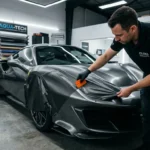
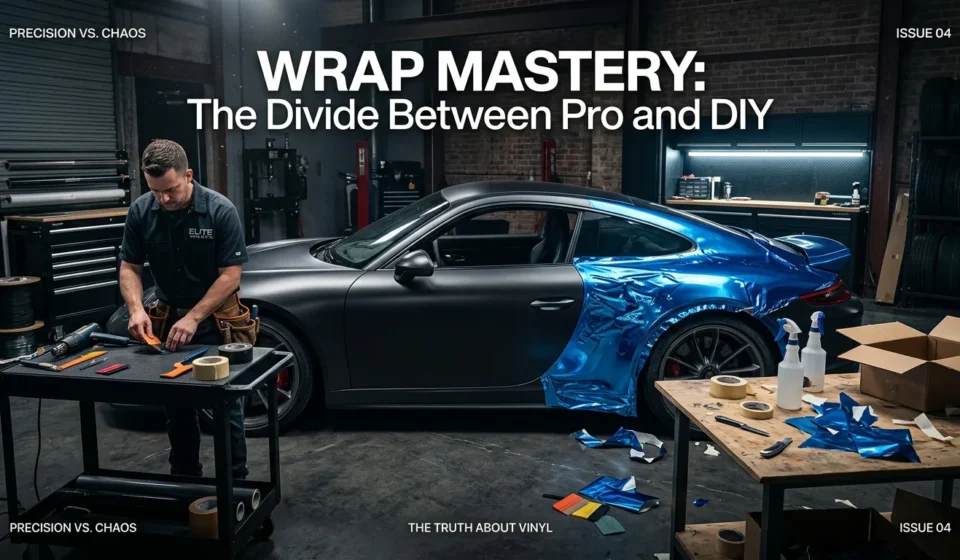
When it comes to car customization, a vinyl wrap can completely transform the look of your vehicle. But what would you do in this situation: you’ve decided on a sleek, new design, but you’re not sure whether to hire a professional installer or take on the project yourself? Honestly, it’s a tough decision, especially if you’re new to car wrapping. Based on my experience, I believe that understanding the pros and cons of each approach is crucial to achieving a stunning, long-lasting finish.
Table Of Content
Let’s consider a real-world example. Imagine you’re the owner of a brand-new, 2024 Tesla Model Y, and you want to give it a unique, matte black finish. A full wrap on this vehicle could cost anywhere from $4,200 to $5,800, depending on the finish and the installer. But what if you could save some money by doing it yourself? To be fair, a DIY car wrap can be a cost-effective option, but it requires a lot of time, patience, and skill.
So, how do you decide whether to hire a pro or go the DIY route? In my opinion, it all comes down to your level of experience, the complexity of the design, and the type of vehicle you’re working with. For instance, if you’re looking to wrap a simple, flat surface like a hood or a roof, a DIY job might be feasible. However, if you’re dealing with a more complex design or a vehicle with a lot of curves, like a sports car, it’s usually best to leave it to a professional.
Pros and Cons of DIY Car Wrapping
Benefits of DIY
One of the main advantages of a DIY car wrap is the cost savings. By doing it yourself, you can save up to 50% of the cost of a professional installation. Additionally, a DIY project can be a fun and rewarding experience, allowing you to learn new skills and take pride in your work. However, it’s essential to consider the potential downsides, such as the risk of bubbles, lifting edges, and shrinkage, which can ruin the finish and waste your time and money.
Some popular brands for DIY car wrapping include 3M 2080/1080 series, Avery Supreme Wrapping Film, and Oracal 970RA. These films come in a variety of finishes, including glossy, matte, and metallic, and are available in different thicknesses, such as 2.5-3 mil cast vinyl or 4-5 mil PPF.
To give you a better idea, here are some key considerations for a DIY car wrap:
- Choose the right film type and thickness for your vehicle and design
- Prepare the surface carefully to avoid contamination and ensure a smooth application
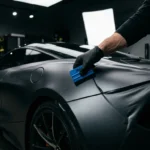
- Use the right tools, such as a squeegee, heat gun, and knifeless tape, to apply the film
- Follow a step-by-step guide or tutorial to avoid common mistakes
Pros and Cons of Professional Car Wrapping
Benefits of Professional Installation
On the other hand, hiring a professional installer can provide a hassle-free experience and a guaranteed, high-quality finish. A pro installer has the expertise and equipment to handle complex designs and vehicles, ensuring a smooth, bubble-free application. Additionally, a professional installation usually comes with a warranty, protecting your investment and giving you peace of mind.
However, professional installation can be more expensive, and you may need to wait for an appointment or deal with a busy schedule. Nevertheless, the benefits of a professional job far outweigh the costs, especially if you’re looking for a long-lasting, durable finish.
For example, a professional installer can help you choose the right film and design for your vehicle, taking into account factors like the climate, driving conditions, and personal preferences. They can also ensure a precise, accurate application, using specialized tools and techniques to avoid common mistakes.
Maintenance and Removal
Regardless of whether you choose a DIY or professional installation, it’s essential to maintain your car wrap properly to extend its lifespan. This includes regular washing, waxing, and protection from the elements. A well-maintained wrap can last up to 5-7 years or more, depending on the film type and conditions.
When it’s time to remove the wrap, a professional installer can help you do it safely and cleanly, without damaging the paint. They can also provide guidance on how to remove the wrap yourself, if you prefer to do it DIY.
Some key considerations for maintenance and removal include:
- Wash the wrap regularly with a mild soap and avoid using high-pressure washes or abrasive materials
- Apply a ceramic coating or wax to protect the film and make cleaning easier
- Avoid exposing the wrap to extreme temperatures, direct sunlight, or harsh chemicals
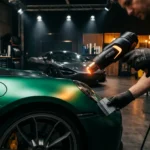
- Use a heat gun or specialized removal tools to remove the wrap safely and cleanly
Conclusion and Final Thoughts
In conclusion, the decision to hire a pro or DIY your car wrap depends on your level of experience, the complexity of the design, and the type of vehicle you’re working with. While a DIY car wrap can be a cost-effective option, it requires a lot of time, patience, and skill. On the other hand, a professional installation provides a hassle-free experience and a guaranteed, high-quality finish.
So, what would you do in this situation? Would you take on the challenge of a DIY car wrap, or would you hire a professional installer to ensure a stunning, long-lasting finish? Honestly, it’s a personal decision that depends on your priorities and goals. But one thing is certain: with the right approach and a little bit of knowledge, you can achieve a breathtaking car wrap that turns heads and makes your vehicle stand out from the crowd.