


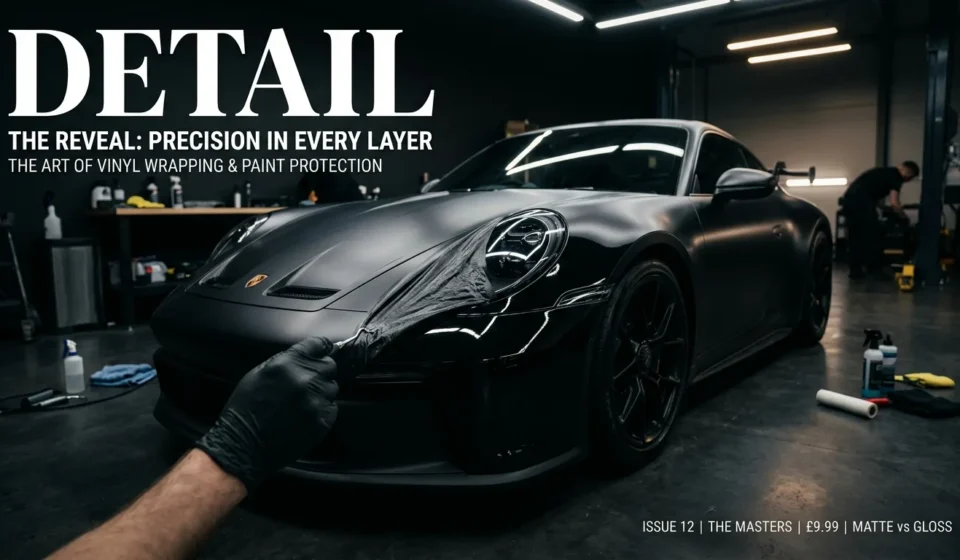

Understanding Wrap Removal: Why Technique Matters
So, the time has come. You’ve loved your vehicle wrap, but now it’s time for a change – maybe a new color, an updated design, or simply returning to the original paint. Don’t underestimate this process; a proper wrap removal is just as critical as the installation. Done incorrectly, you risk damaging your vehicle’s paint, leaving behind stubborn adhesive residue, or even tearing the vinyl into countless small pieces that make the job a nightmare. My goal here is to give you the real-world advice I’ve gathered over 15 years in the shop, ensuring you get that clean finish every time.
Table Of Content
- Understanding Wrap Removal: Why Technique Matters
- Essential Tools for a Smooth Removal
- The Step-by-Step Removal Process: Patience is Key
- 1. Clean the Vehicle Thoroughly
- 2. Work in a Warm Environment
- 3. Heat and Peel
- 4. Dealing with Difficult Areas
- Tackling Adhesive Residue and Post-Removal Care
- 1. Apply Adhesive Remover
- 2. Wipe and Clean
- 3. Inspect and Protect the Paint
- Common Mistakes to Avoid
The biggest misconception I see is that wraps just “peel off.” While that’s the ideal, the reality is that factors like the wrap’s age, the quality of the vinyl, environmental exposure, and even the original paint condition play a huge role. For example, imagine this situation: a client brought in a minivan that had a cheaper, calendared vinyl advertising wrap on it for seven years. It had baked in the sun, and instead of peeling, it was flaking off in tiny, brittle shards. That kind of removal takes ten times longer and requires a completely different approach than a premium cast vinyl that’s only been on for three years. Understanding these differences is your first step to success.
To be fair, a high-quality wrap like 3M 2080, Avery Supreme Wrapping Film, or Oracal 970RA, when applied correctly and removed within its recommended lifespan (typically 3-5 years), should come off relatively smoothly. These premium films use advanced adhesive technologies designed for clean removal. However, even with the best materials, proper technique is non-negotiable for preserving your underlying paint finish. You want to see that original shine, not a sticky mess or, worse, damaged clear coat.
Essential Tools for a Smooth Removal
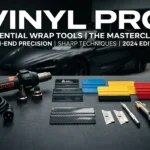
Before you even think about touching the vinyl, let’s talk tools. Having the right equipment makes all the difference between a frustrating, messy job and a relatively straightforward one. You don’t need a full professional setup, but a few key items are absolutely essential for a clean removal.
- Heat Gun: This is your most important tool. A good heat gun allows you to soften the vinyl and its adhesive, making it pliable and easier to peel. I recommend a variable-temperature heat gun, like a Wagner Furno 500 or a DeWalt D26960. You’ll typically want to aim for temperatures between 150-200°F (65-95°C) on the film surface. Avoid holding it too close or too long in one spot, as overheating can make the vinyl brittle and difficult to remove, or even damage the paint beneath.
- Plastic Scrapers/Squeegees: Forget metal blades! Always use soft plastic tools, like a 3M Gold Squeegee or a similar hard plastic scraper with a slightly rounded edge. These are crucial for gently lifting edges or removing smaller, stubborn pieces without scratching your paint.
- Adhesive Remover: This is for tackling the inevitable residue. Products like 3M General Purpose Adhesive Cleaner, Goo Gone Automotive, or Citrus-based removers work wonders. Always test a small, inconspicuous area first to ensure it doesn’t harm your paint or clear coat.
- Microfiber Towels: You’ll need plenty of clean, soft microfiber towels for cleaning, applying adhesive remover, and wiping down surfaces.
- Safety Gloves: Protect your hands from heat, chemicals, and repetitive strain. Nitrile gloves are excellent for chemical resistance.
- Isopropyl Alcohol (IPA): A 70% IPA solution is great for final cleaning and degreasing after residue removal.
Don’t skimp on these items. A cheap heat gun might not provide consistent heat, and using the wrong scraper can turn a DIY project into a costly repaint. Investing in quality tools now will save you headaches and potential damage down the line. Trust me, I’ve seen countless DIY attempts go wrong because someone tried to use a hairdryer and a metal razor blade.
The Step-by-Step Removal Process: Patience is Key
Alright, you’ve got your tools. Now let’s get down to business. Remember, the goal is to remove the wrap in the largest possible pieces, minimizing adhesive residue and avoiding damage. This isn’t a race; it’s a careful, methodical process.
1. Clean the Vehicle Thoroughly
Before you even think about heating, wash your vehicle. Dirt, dust, and grime can get trapped under the vinyl as you pull, potentially scratching the paint. A clean surface also allows you to see what you’re doing better and prevents contamination of your adhesive remover later. Make sure the vehicle is dry before you start heating.
2. Work in a Warm Environment
Ideally, work in a garage or a shaded area where the ambient temperature is between 60-80°F (15-27°C). If it’s too cold, the vinyl will be brittle; too hot, and the adhesive might become overly gooey and messy. Direct sunlight can also overheat specific sections, making removal inconsistent.
3. Heat and Peel
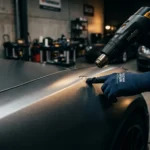
This is the core technique. Start with an edge or a corner of the wrap. Using your heat gun, apply gentle, even heat to a small section (about 1-2 square feet). Keep the heat gun moving constantly, about 6-10 inches from the surface, to prevent scorching. You’re looking for the vinyl to become warm to the touch and slightly softer – not melting or smoking. Once it’s pliable, use your fingernail or a plastic scraper to carefully lift an edge.
Once you have an edge lifted, grab it firmly and pull at a low, consistent angle – ideally between 15-30 degrees – back on itself, parallel to the surface. Pull slowly and steadily. As you pull, continue to apply heat to the vinyl just ahead of where you’re peeling. This continuously softens the adhesive. The slower and more consistent you pull, the more adhesive will come off with the vinyl, and the less will be left on the paint. What would you do if a section breaks? Stop, reheat the surrounding area, and find a new edge to pull from. Patience truly pays off here.
4. Dealing with Difficult Areas
For areas with rivets, deep curves, or edges, you might need to apply a bit more heat and work in smaller sections. Rivet brushes are handy for reinstalling wraps, but for removal, a careful application of heat and gentle peeling around each rivet is usually best. If the vinyl becomes brittle and tears, don’t panic. Just focus on removing those smaller pieces using the same heat-and-peel method, then move on.
Tackling Adhesive Residue and Post-Removal Care
Even with the best technique, some adhesive residue is almost inevitable, especially on older wraps or those exposed to harsh conditions. This is where your adhesive remover comes in.
1. Apply Adhesive Remover
Once all the vinyl is off, spray or wipe your chosen adhesive remover (like 3M General Purpose Adhesive Cleaner) onto the sticky areas. Let it sit for a few minutes, allowing it to penetrate and break down the adhesive. The exact dwell time will depend on the product and the stubbornness of the residue; always follow the product’s instructions. You’ll often see the residue start to “melt” or soften.
2. Wipe and Clean
After letting the remover work, use a clean microfiber towel to wipe away the softened adhesive. For really stubborn spots, you might need to gently rub with your plastic scraper, keeping it flat against the surface. Repeat the process of applying remover and wiping until all residue is gone. Finish by wiping the entire area with IPA to remove any remaining oils or film from the adhesive remover.
3. Inspect and Protect the Paint
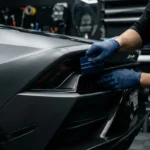
Once the vehicle is completely free of wrap and residue, give it a thorough wash. Inspect the paint carefully for any hidden residue, minor scratches, or imperfections. In my opinion, this is a great time to evaluate the paint’s condition. If your paint was properly protected by the wrap, it should look nearly identical to the day the wrap was installed. Consider applying a fresh coat of wax, sealant, or even a ceramic coating to protect the now exposed paint. This will ensure your vehicle looks sharp and is ready for whatever comes next, whether that’s a new wrap or just enjoying the original finish.
Common Mistakes to Avoid
Let me add something here: avoiding common pitfalls is just as important as knowing the correct steps. The biggest mistakes I see DIYers make are usually rooted in impatience or lack of proper tools.
- Pulling Too Fast or at the Wrong Angle: This is a recipe for tears and excessive adhesive residue. Slow and low is the way to go.
- Overheating the Vinyl: Too much heat will make the vinyl brittle and cause it to shatter into tiny pieces, or worse, damage the clear coat or paint underneath. Keep that heat gun moving!
- Using Metal Tools: Never, ever use metal scrapers or razor blades directly on your paint. Even if you’re careful, one slip can cause permanent damage.
- Skipping Adhesive Remover: Trying to scrub off residue with just soap and water is futile and can scratch your paint. Use the right chemical.
- Not Post-Cleaning: Leaving adhesive remover or residue on the paint can attract dirt or even degrade your clear coat over time. Clean thoroughly!
If you’ve got an old, brittle wrap, or if you encounter significant resistance and excessive residue, don’t hesitate to call a professional. While this guide gives you the tools and knowledge for most removals, some jobs truly benefit from expert hands and specialized equipment. A professional shop can typically remove a full color change wrap from a vehicle like a 2024 Honda Civic Sedan in 4-8 hours, depending on age and condition, costing anywhere from $400-$800. Trying to save a few dollars but damaging your paint could easily lead to a much larger repair bill.