


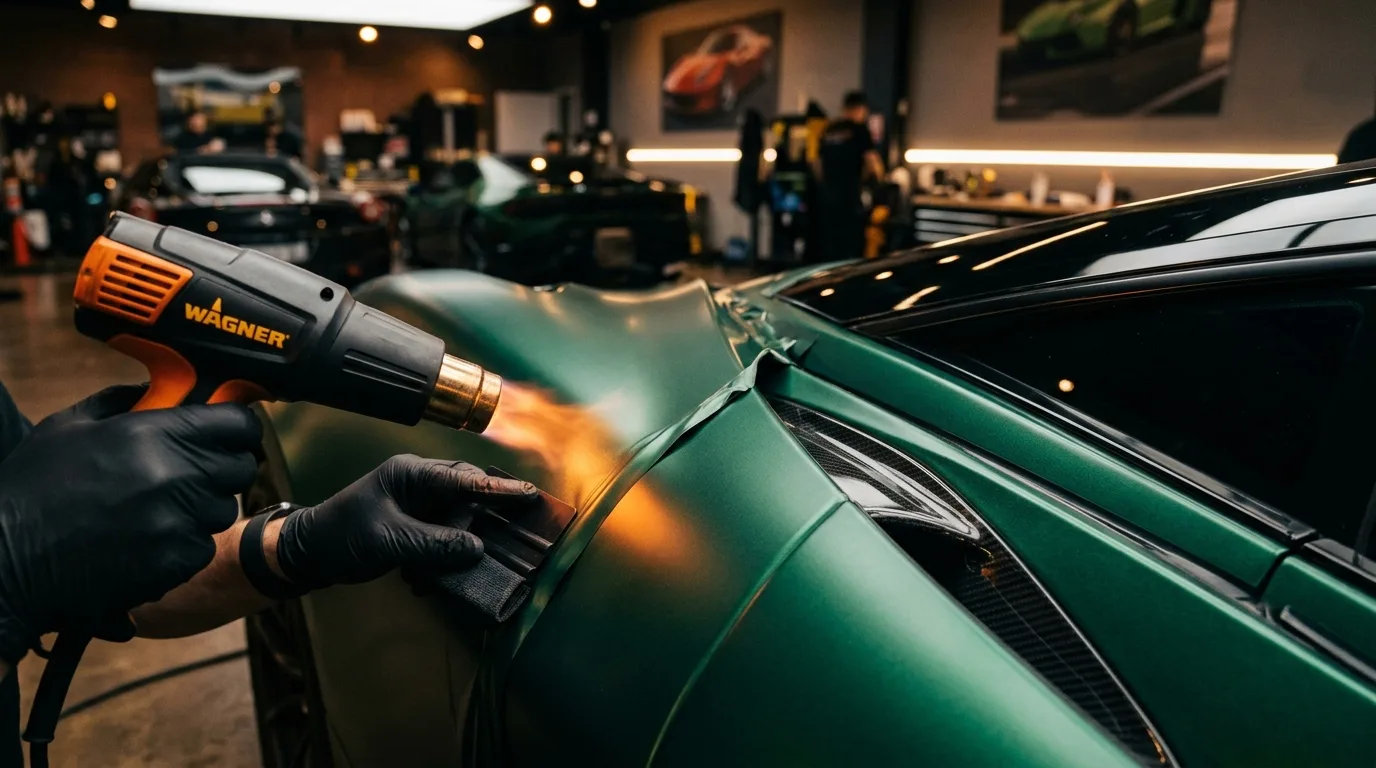

The Final Touch: Expert Guide to Post-Heating and Edge Sealing for Maximum Wrap Longevity
You’ve spent hours meticulously applying your vinyl wrap, carefully squeegeeing out every bubble, trimming every edge. Your car looks fantastic! But here’s a secret from a seasoned installer: the job isn’t truly done until you’ve mastered the “final touches” – post-heating and edge sealing. These two critical steps are often overlooked by DIYers, yet they are the backbone of a durable, long-lasting wrap. Miss them, and you risk early lifting, shrinkage, and a wrap that looks tired before its time. Let’s dive in and ensure your wrap lasts 5-7+ years, looking as sharp as the day it was installed.
Table Of Content
- The Final Touch: Expert Guide to Post-Heating and Edge Sealing for Maximum Wrap Longevity
- Why Post-Heating is Non-Negotiable for Wrap Longevity
- How to Post-Heat Like a Pro: Tools and Techniques
- Edge Sealing: Your Wrap’s Invisible Armor
- How to Edge Seal for Maximum Protection
- The Synergy of Post-Heating and Edge Sealing
- Your Wrap, Your Responsibility
Why Post-Heating is Non-Negotiable for Wrap Longevity
Think of vinyl wrap like a memory foam mattress. When you stretch it, it wants to return to its original state. That’s where post-heating comes in. Post-heating is the process of applying heat to the vinyl film after installation to bring it up to its “memory” or “stress relief” temperature. This allows the vinyl to relax into its new stretched shape, effectively “setting” its new memory and preventing it from shrinking back over time.
This is especially crucial for premium films like cast vinyl (e.g., 3M 2080/1080 series, Avery Supreme Wrapping Film, Oracal 970RA). Cast vinyl is a high-quality, heat-activated film known for its exceptional conformability to complex curves and recesses. It’s designed to be stretched and manipulated, but without proper post-heating, the inherent tension in the film will cause it to pull back from edges and recesses, leading to lifting and bubbling. In contrast, calendered vinyl, while more affordable and stiffer, is better suited for flat surfaces and has less “memory,” making post-heating less critical but still beneficial for stability.
How to Post-Heat Like a Pro: Tools and Techniques
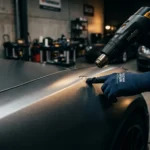
- The Right Tools: You’ll need a reliable heat gun (a Steinel HL 1920 E or Milwaukee M18 Fuel are excellent choices) and, most importantly, an IR thermometer. Guessing temperature is a recipe for disaster.
- Target Temperatures:
- Cast Vinyl (2.5-3 mil): Aim for 180°F to 200°F (82°C to 93°C). This is the sweet spot for brands like 3M 2080, Avery SWF, and Oracal 970RA.
- Paint Protection Film (PPF – 4-5 mil): PPF often requires slightly higher temperatures, typically 200°F to 220°F (93°C to 104°C), due to its thicker, more robust composition.
- The Technique:
- Focus on Stretched Areas: Pay extra attention to deep recesses (like door handles, mirrors, bumpers), compound curves, and all edges where the film has been stretched or tucked.
- Slow, Even Passes: Move your heat gun slowly and evenly over the target area, constantly checking the surface temperature with your IR thermometer. Don’t hold the gun in one spot too long!
- Apply Pressure While Cooling: Immediately after heating an area, apply light, firm pressure with a soft glove or a felt-tipped squeegee while the film is cooling down. This helps the vinyl fully conform and bond to the surface in its new, relaxed state.
- Overlap: Ensure you slightly overlap your heated sections to guarantee full coverage.
- Common Mistakes to Avoid:
- Overheating: Too much heat can damage the film, cause discoloration, alter its texture (making it brittle or overly soft), or even melt it.
- Underheating: Not enough heat means the film’s memory isn’t fully reset, leading to eventual lift and shrinkage.
- Inconsistent Heating: Uneven heating leaves some areas vulnerable while others are properly set.
Edge Sealing: Your Wrap’s Invisible Armor
While post-heating ensures the film stays put, edge sealing provides an extra layer of protection against the elements. It involves applying a specialized clear liquid sealant or tape along exposed edges of the wrap. This creates a barrier, preventing water, dirt, car wash chemicals, and environmental contaminants from wicking under the film and causing it to lift or peel.
How to Edge Seal for Maximum Protection
- Materials You’ll Need:
- Edge Sealant Pen/Liquid: Products like 3M Edge Sealer or Avery Dennison Edge Sealant are specifically designed for this purpose. They are clear, often come with a brush applicator, and dry invisibly.
- IPA (Isopropyl Alcohol): For cleaning.
- Lint-Free Cloths.
- The Technique:
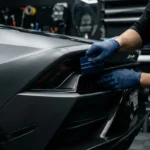
- Clean the Edges: Before applying any sealant, thoroughly clean all edges of the wrap with an IPA wipe. This removes any dust, wax, or residues that could prevent proper adhesion of the sealant. Let it dry completely.
- Apply a Thin Bead: Using the applicator brush or pen, apply a very thin, even bead of sealant along the very edge of the vinyl, where it meets the paint. The goal is to create an almost imperceptible barrier that wicks slightly into the seam.
- Wipe Excess (if needed): If you apply too much, carefully wipe away any excess with a clean, lint-free cloth before it dries to avoid a visible line.
- Cure Time: Allow the sealant to fully cure according to the manufacturer’s instructions, typically 24 hours, before washing the vehicle or exposing it to harsh conditions.
- When to Consider Edge Sealing:
- High-Wear Areas: Door handles, mirrors, fender edges, rocker panels.
- Exposed Cuts: Any custom cuts or areas where the vinyl is not tucked under a panel.
- PPF Installations: Edge sealing is highly recommended for PPF, especially on front bumpers and leading edges, to prevent lifting from road debris and high-pressure washing.
- Fleet Vehicles: For commercial wraps that endure constant use and washing, edge sealing adds significant durability.
The Synergy of Post-Heating and Edge Sealing
These two steps work in tandem. Post-heating ensures the vinyl has settled into its new form and won’t shrink back, while edge sealing protects those now-stable edges from external attacks. Skipping either one means compromising your wrap’s lifespan. For example, a full color change wrap on a 2024 Tesla Model Y, which might cost $4,200-$5,800 depending on the finish, will only deliver its promised 5-7 years of beauty if these final steps are meticulously completed. A professional shop always includes these in their installation process.
Your Wrap, Your Responsibility
Whether you’re a DIY enthusiast wrapping your own Ford F-150 crew cab (which typically takes 18-22 linear meters of 60-inch film) or a car owner hiring a professional, understanding post-heating and edge sealing empowers you. It ensures you know what quality installation looks like and what to expect for maximum wrap longevity. Don’t let your investment literally peel away. By dedicating a little extra time to these crucial final steps, you’ll extend the life of your wrap, keep your vehicle looking pristine, and protect your paint for years to come. For more practical tips and guides, keep exploring Car Wrap Info!