


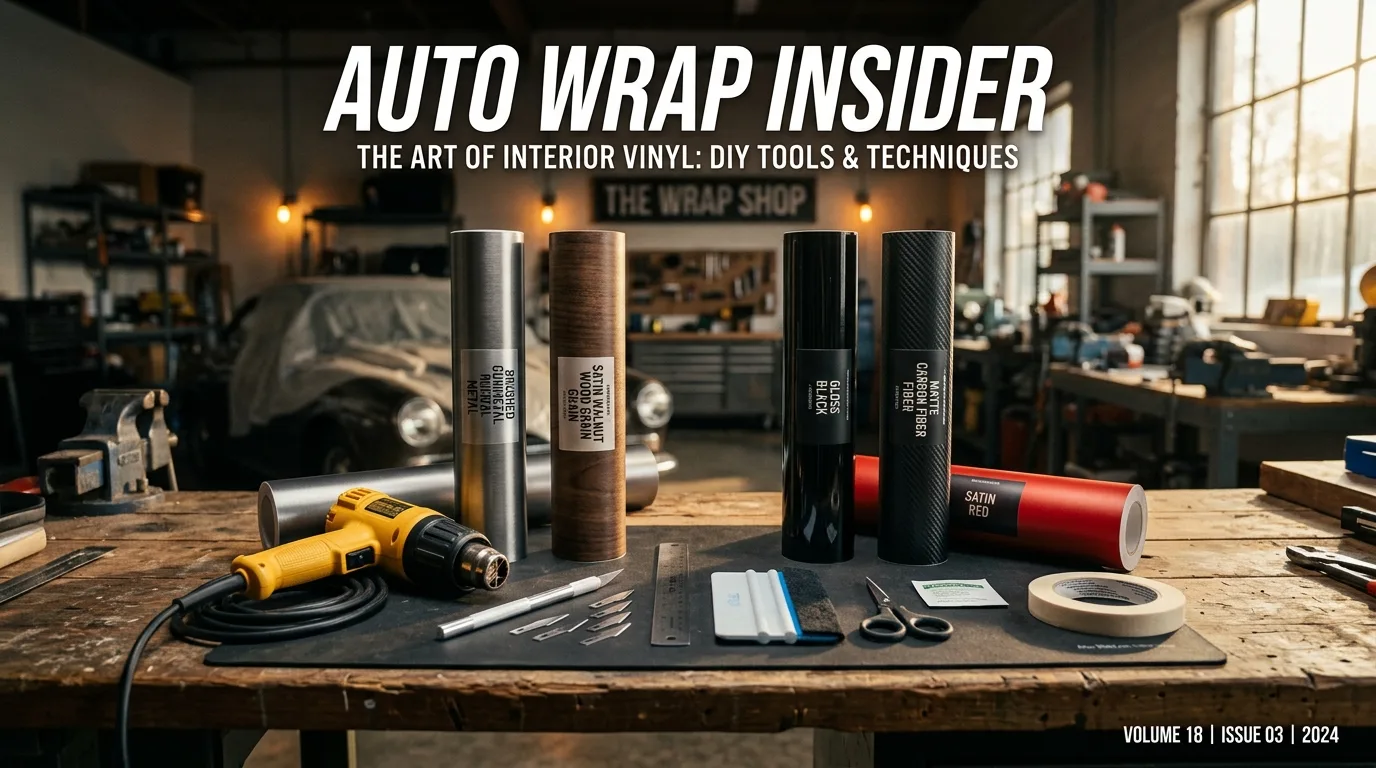

Transform Your Interior: A DIY Guide to Wrapping Dash Trim, Consoles, and Door Panels
Ever look at your car’s interior and wish it had a little more personality? Or maybe that factory silver trim is just a bit too boring? You’re in luck! Wrapping your interior trim pieces — like the dash, console, and door panels — is one of the most satisfying and impactful DIY upgrades you can make. As a seasoned wrap expert with over 15 years in the game, I’m here to walk you through how to achieve a professional-looking finish right in your own garage.
Table Of Content
- Transform Your Interior: A DIY Guide to Wrapping Dash Trim, Consoles, and Door Panels
- Why Wrap Your Car’s Interior?
- Essential Materials & Tools for Interior Wrapping
- Vinyl Film
- Tools You’ll Need
- Step-by-Step DIY Interior Wrapping Guide
- 1. Disassembly (Highly Recommended)
- 2. Clean, Clean, Clean!
- 3. Cut Your Film
- 4. Application & Squeegeeing
- 5. Trimming & Edge Finishing
- 6. Post-Heating for Longevity
- Common Mistakes to Avoid
- Maintenance for Your Wrapped Interior
- DIY Cost & Time Estimate
Why Wrap Your Car’s Interior?
Beyond just aesthetics, interior wrapping offers several benefits:
- Personalization: Choose from hundreds of colors, textures (carbon fiber, brushed metal, wood grain), and finishes (matte, gloss, satin).
- Protection: Shield original trim from scratches, fading, and wear.
- Cost-Effective: Much cheaper than replacing entire trim pieces.
- Reversible: If you change your mind, the vinyl can be removed without damaging the underlying surface.
Essential Materials & Tools for Interior Wrapping
Getting the right gear is half the battle. Here’s what you’ll need:
Vinyl Film
For interior pieces, especially those with gentle curves, you’ll want a high-quality automotive-grade vinyl. While calendered vinyl (a more affordable, stiffer film better suited for flat surfaces) might work for very flat areas, I highly recommend cast vinyl. This is a premium, heat-activated film that conforms beautifully to complex curves without shrinking back, making it ideal for the varied contours of interior trim. Look for films around 3.0-3.5 mil thick.
- Popular Brands: 3M 2080 series, Avery Dennison Supreme Wrapping Film, Oracal 970RA, Hexis Skintac. These brands offer excellent conformability and adhesive systems.
- Quantity: For a typical car’s dash trim, center console, and door panel accents, 5-10 linear feet of 60-inch film is usually sufficient, depending on the vehicle size and complexity.
Tools You’ll Need
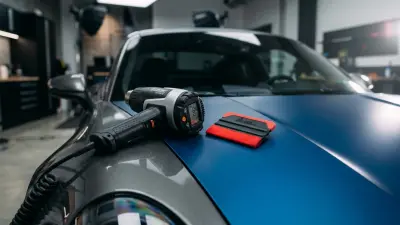
- Heat Gun: A must-have for stretching and conforming vinyl. Look for one with adjustable heat settings.
- Squeegee: A soft, felt-tipped squeegee is crucial to prevent scratches.
- Sharp Knife/Razor Blades: An Olfa snap-off knife with 30-degree blades is ideal for precision trimming.
- Knifeless Tape: For creating clean, precise cuts without using a blade directly on the surface. Essential for tricky areas.
- Surface Cleaner/Degreaser: Isopropyl alcohol (IPA) or a dedicated wrap prep cleaner.
- Microfiber Cloths: For cleaning and drying surfaces.
- Gloves: Lint-free, snug-fitting gloves keep oils from your hands off the adhesive.
- Application Fluid (Optional): For larger, flatter pieces, some prefer a wet application, but dry is common for interior.
- Trim Removal Tools: Plastic pry tools to safely remove interior panels without scratching.
Step-by-Step DIY Interior Wrapping Guide
This isn’t a race; patience is your best friend here. Take your time, and you’ll get great results!
1. Disassembly (Highly Recommended)
For the best results, remove the trim pieces you intend to wrap. Trying to wrap them in place is possible but significantly harder to get clean edges and tucks. Use plastic trim removal tools to carefully pry off dash strips, console bezels, or door panel inserts. Refer to your car’s service manual or online forums for specific removal instructions for your vehicle model.
2. Clean, Clean, Clean!
This is arguably the most critical step. Any dust, oil, or grime left on the surface will create bubbles, contamination, and adhesive failure.
- Wash the removed parts with soap and water to remove major dirt.
- Spray thoroughly with isopropyl alcohol (70% or 90%) or a dedicated wrap prep cleaner.
- Wipe vigorously with a clean microfiber cloth. Repeat this process at least twice.
- Allow to air dry completely.
3. Cut Your Film
Measure your trim piece and cut a section of vinyl film that is at least 2-3 inches larger on all sides than the piece itself. This excess gives you something to hold onto and allows for proper stretching and trimming.
4. Application & Squeegeeing
- Positioning: Peel back about an inch or two of the liner from one edge of your vinyl. Align it carefully on your trim piece, ensuring it’s straight and centered.
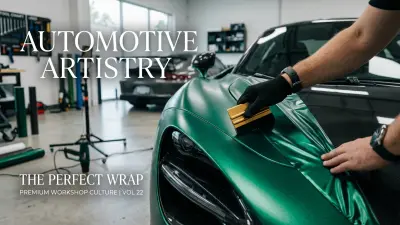
- Tack Down & Squeegee: Lightly tack down the exposed adhesive edge. Gradually peel back more of the liner while simultaneously using your felt-tipped squeegee to apply the film. Work from the center outwards, using smooth, overlapping strokes. Maintain firm, consistent pressure to push out air bubbles.
- Working with Curves & Contours: For curved areas, apply low-to-medium heat with your heat gun (e.g., 150-180°F / 65-82°C). This makes the cast vinyl pliable. Gently stretch the film over the curve, then squeegee it down. Be careful not to overstretch, as this can thin the film and affect its longevity.
- Deep Recesses: For very deep recesses or complex shapes, use a technique called “bridging” — laying the film loosely over the area, then slowly heating and pushing it into the recess with your squeegee or a soft rivet brush.
5. Trimming & Edge Finishing
This is where the magic happens for a seamless look.
- Knifeless Tape: If you’re creating a precise edge without tucking, lay knifeless tape along your desired cut line before applying the vinyl. Apply the vinyl over it, then pull the filament through the vinyl to create a perfect cut.
- Blade Trimming: For edges that wrap around, trim the excess vinyl with your sharp knife, leaving about 1/4 to 1/2 inch of overhang.
- Tucking Edges: Use your finger or the edge of your squeegee to tuck the trimmed vinyl around the back of the trim piece. Apply gentle heat to help it conform and adhere securely. Ensure all edges are smooth and fully adhered.
6. Post-Heating for Longevity
This step is crucial and often overlooked by DIYers. Once the vinyl is installed and trimmed, go over the entire wrapped piece with your heat gun, focusing on areas that were stretched, curved, or tucked. Heat the film uniformly to about 180-200°F (82-93°C). This allows the vinyl’s adhesive to set and helps the film “memory” to relax, preventing lifting and shrinking later on. Use an IR thermometer to check temperatures if you have one.
Common Mistakes to Avoid
- Poor Prep: Leads to bubbles and lifting — clean thoroughly!
- Overstretching: Thins the film, making it prone to tearing and adhesive failure. Use just enough heat and stretch.
- Ignoring Post-Heating: The quickest way for edges to lift after a few hot days.
- Using a Dull Blade: Causes jagged cuts and can damage the film. Change blades frequently.
Maintenance for Your Wrapped Interior
Caring for your interior wrap is simple. Wipe it down with a damp microfiber cloth and a mild interior cleaner. Avoid harsh chemicals or abrasive scrubs, as these can damage the vinyl’s finish.
DIY Cost & Time Estimate
- Film Cost: For typical interior trim, expect to spend $50-$150 for a quality roll of cast vinyl (e.g., 10ft x 5ft section of 3M 2080).
- Tools: Initial investment might be $50-$100 if you don’t own a heat gun or squeegee.
- Time: For a first-timer tackling a dash trim piece, console, and door accents, plan on 4-8 hours of focused work, including disassembly and cleaning.
Wrapping your interior trim is a fantastic way to personalize your ride and protect its surfaces. With patience, the right tools, and these steps from Car Wrap Info, you can achieve a professional-grade finish that will impress anyone who steps into your vehicle. Happy wrapping!