Mastering Chrome Delete: A DIY Guide to Wrapping Trim, Grilles, and Badges
Hey there, fellow car enthusiasts! As a seasoned pro with over 15 years in the automotive wrapping game, I’ve seen countless trends come and go, but one that consistently remains popular is the “chrome delete.” It’s a fantastic way to give your ride a modern, stealthy, or aggressive look by replacing shiny chrome accents with sleek vinyl. Whether you’re aiming for a full blackout or just a subtle color change, doing a chrome delete yourself is totally achievable with the right knowledge and tools. Let’s dive in!
Table Of Content
- Mastering Chrome Delete: A DIY Guide to Wrapping Trim, Grilles, and Badges
- What is Chrome Delete and Why Do It Yourself?
- Choosing the Right Vinyl for Your Chrome Delete
- Essential Tools for a Successful Chrome Delete
- Step-by-Step DIY chrome delete Guide
- 1. The Golden Rule: Preparation is Everything!
- 2. Measuring and Cutting Your Film
- 3. Application Techniques: Trim, Grilles, and Badges
- 4. Post-Heating: The Non-Negotiable Step
- 5. Final Inspection and Edge Sealing
- Common Mistakes to Avoid
- Maintaining Your Chrome Delete
What is Chrome Delete and Why Do It Yourself?
Chrome delete simply means covering up or replacing the chrome parts on your vehicle – think window trim, grilles, badges, and even door handles – with a vinyl wrap. Most commonly, people opt for gloss black, matte black, or satin black, but the beauty of vinyl is you can choose almost any color or finish. Why DIY? It’s incredibly rewarding, saves a significant amount of money compared to professional installation (which can run $300-$800+ for a sedan’s trim and badges), and gives you full creative control over your vehicle’s aesthetic.
Choosing the Right Vinyl for Your Chrome Delete
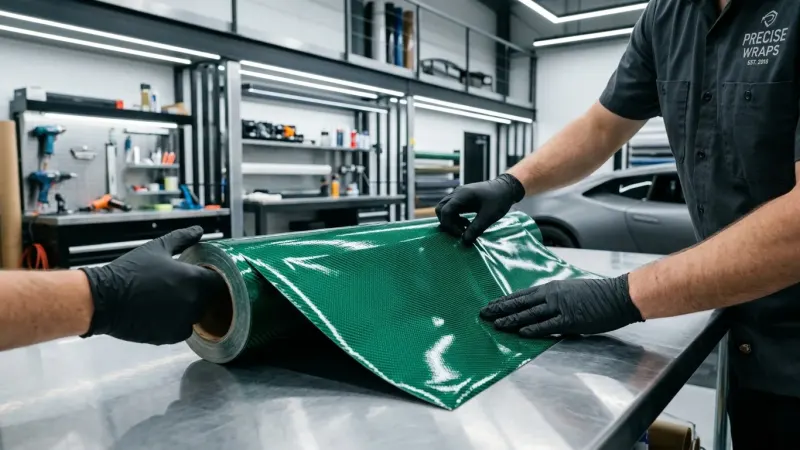
For chrome delete, you absolutely need quality cast vinyl. Forget about calendered vinyl here; it won’t conform well to the tight curves and edges of trim and badges, and it’s prone to shrinkage over time. Stick to trusted brands like:
- 3M 2080 Series: Excellent conformability, air-release channels, and a wide range of colors/finishes. Typically 3.5 mil thick.
- Avery Dennison Supreme Wrapping Film (SWF): Known for its vibrant colors and user-friendly application, also around 3.2-3.4 mil.
- Oracal 970RA/970 Premium Wrapping Cast: Another top-tier option, great for complex curves, usually 2.5-3.5 mil.
For most chrome delete projects, you’ll probably only need 5-10 linear feet of 60-inch wide film, which will cost you roughly $50-$150 depending on the brand and finish. My personal go-to for a stealthy look is 3M 2080 Satin Black.
Essential Tools for a Successful Chrome Delete
Having the right tools makes all the difference:
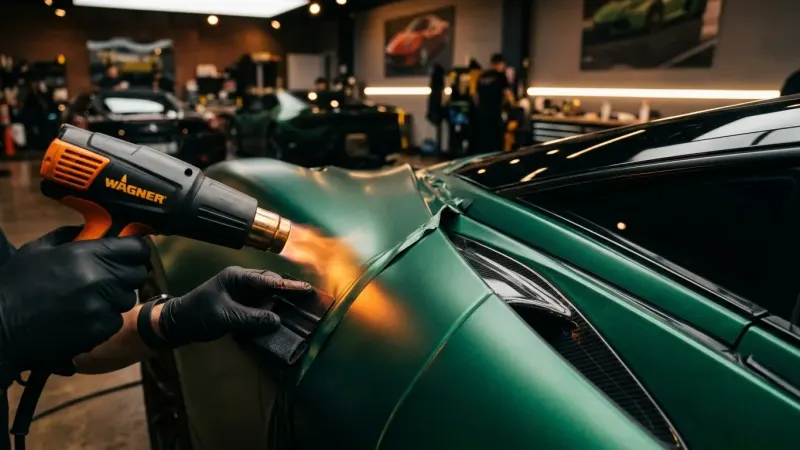
- Heat Gun: Essential for stretching and conforming vinyl. Look for one with adjustable temperature settings. Aim for around 200-250°F (93-121°C) for most applications.
- Squeegee: A good quality, felt-tipped squeegee (like a 3M Gold or Avery Pro Flex) is crucial to prevent scratching the vinyl.
- Snappy Blade Knife (e.g., Olfa): Always use a fresh, sharp blade for clean cuts. Snap off the tip frequently!
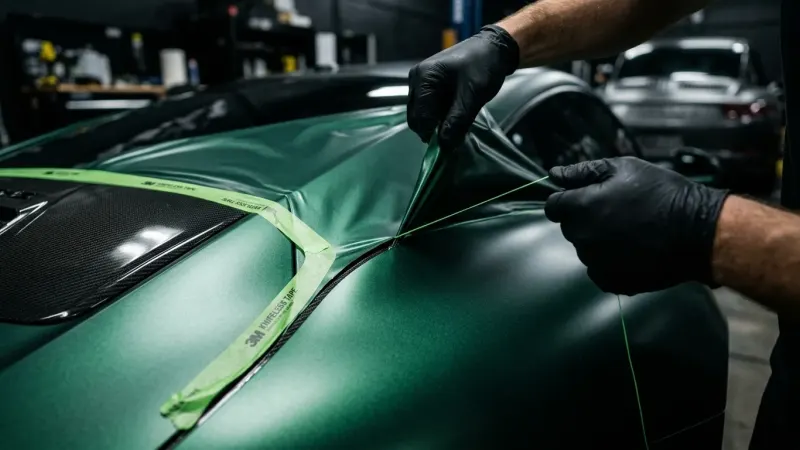
- Knifeless Tape (e.g., 3M Finish Line): A game-changer for cutting vinyl precisely without touching your vehicle’s paint.
- Surface Cleaner: Isopropyl Alcohol (IPA) at 70% or 90% and a good automotive degreaser are non-negotiable.
- Microfiber Towels: Lint-free for cleaning and drying.
- Gloves: Protect your hands and prevent transferring oils to the film.
- Rivet Brush (e.g., 3M Rivet Brush): Handy for pressing vinyl into textured areas, especially on badges.
- Magnets: Small magnets can help hold larger pieces of film in place during application.
Step-by-Step DIY chrome delete Guide
1. The Golden Rule: Preparation is Everything!
This is where most DIY mistakes happen. If your surface isn’t immaculate, the vinyl won’t stick, and you’ll get bubbles and lifting. Trust me, I’ve seen it a thousand times.
- Wash Thoroughly: Wash the entire vehicle, paying extra attention to the chrome areas.
- Degrease: Use an automotive degreaser to remove any wax, grease, or road grime.
- Clay Bar (Optional but Recommended): If the chrome feels rough, use a clay bar to remove embedded contaminants.
- IPA Wipe: Finish with a 70% or 90% IPA wipe-down. Apply, let it flash off, then wipe clean with a fresh microfiber towel. Don’t touch the surface after cleaning!
2. Measuring and Cutting Your Film
Measure the chrome piece you’re wrapping and cut your vinyl with an extra 1-2 inches on all sides. This gives you plenty of material to hold onto and tuck around edges.
3. Application Techniques: Trim, Grilles, and Badges
For Window Trim (e.g., around a 2024 Tesla Model Y’s windows):
Trim is often the easiest starting point.
- Position the Film: Place the oversized film over the clean chrome trim. Use masking tape or magnets to hold it lightly in place.
- Tack One Edge: Gently heat one end of the film (around 150-180°F or 65-82°C) and tack it down with your squeegee, applying light pressure.
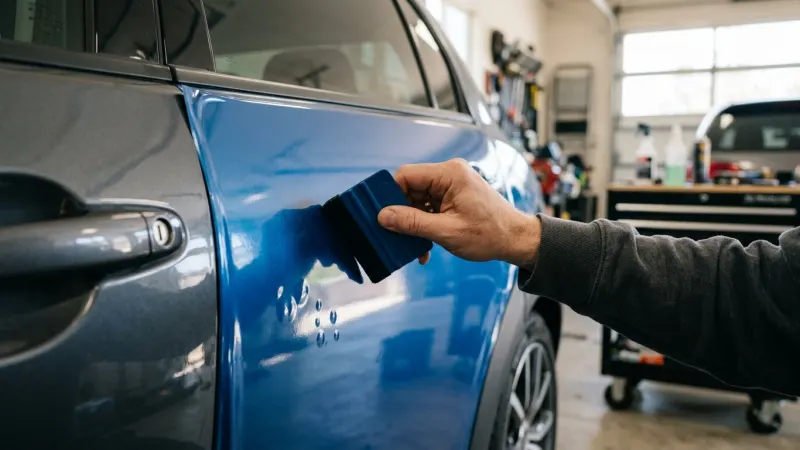
- Work It Down: Heat a section of the film (lightly, just enough to make it pliable) and then squeegee it down, working from the center outwards to push out air. Maintain even pressure.
- Dealing with Curves: For gentle curves, you can stretch the film slightly with heat. For tighter corners, you might need to make small relief cuts (barely into the film, not through to the chrome) to allow it to lay flat without wrinkles. Overlap cuts are better than gaps.
- Trimming Excess: Once the film is fully adhered, use your snappy blade knife to carefully trim the excess film. Angle your blade slightly away from the chrome for a clean edge. For areas where the trim meets body panels, leave about 1/8 inch of overhang, heat it, and tuck it neatly into the gap using the edge of your squeegee or a specialized tucking tool.
For Grilles (e.g., a Ford F-150 front grille):
Grilles can be trickier due to their complex shapes and often textured surfaces. Sometimes, removing the grille makes it easier.
- Disassembly (If Possible): If you can safely remove the grille, do it. It provides better access to edges.
- Knifeless Tape: For intricate grille lines, Knifeless tape is your best friend. Lay it down along the desired cut lines before applying the vinyl.
- Sectional Application: You might need to wrap individual slats or sections of the grille rather than trying to do it all in one piece. Apply the vinyl, squeegee it down, and then use the Knifeless tape to cut perfect lines.
- Heat and Stretch: Grilles often require more heat and careful stretching to conform around contours. Be careful not to overstretch, as this can lead to premature lifting.
For Badges (e.g., an emblem on a car’s trunk):
Badges offer two main methods: wrapping in place or removal/reapplication.
- Method 1: Wrapping In Place:
- Apply a slightly oversized piece of film over the badge.
- Use heat to conform the film over the entire badge, pressing down with your fingers or a soft squeegee.
- For recessed areas or complex shapes, use a rivet brush to firmly press the film into every crevice.
- Carefully trim around the edges of the badge with your sharp blade. This requires a steady hand!
- Method 2: Remove, Wrap, Reapply:
- Carefully remove the badge (often held on with adhesive foam tape). Mark its exact position with painter’s tape beforehand.
- Clean the badge thoroughly.
- Wrap the badge off the vehicle, which allows for easier trimming and tucking of edges.
- Reapply the badge using new automotive-grade double-sided tape (e.g., 3M VHB).
4. Post-Heating: The Non-Negotiable Step
After you’ve trimmed everything, go back over all wrapped areas with your heat gun. Heat the vinyl to 200-220°F (93-104°C) for several seconds, especially on edges and stretched areas. This reactivates the adhesive, allows the film to “memory set,” and prevents lifting. Don’t skip this, or your wrap won’t last!
5. Final Inspection and Edge Sealing
Inspect every edge and corner for any lifting or air bubbles. You can use a heat gun and your finger to re-adhere any loose edges. For extra longevity, especially on critical edges, consider using an edge sealer (like 3M Edge Seal Tape or a liquid edge sealer) to protect against moisture and contaminants. This helps your chrome delete last 5-7 years or more!
Common Mistakes to Avoid
- Poor Surface Prep: As mentioned, it’s the number one killer of wrap longevity.
- Overstretching: Stretching the vinyl too much makes it thinner, weaker, and prone to shrinking back and lifting.
- Cutting on Paint: Always use Knifeless tape or apply light pressure with your blade, using a cutting aid, to avoid scratching your vehicle’s paint.
- Insufficient Post-Heating: Neglecting this step will lead to edges lifting prematurely.
- Rushing: Take your time. Patience is key to a professional-looking finish.
Maintaining Your Chrome Delete
Once your chrome delete is done, maintenance is simple. Wash regularly with mild automotive soap and a soft cloth or sponge. Avoid abrasive cleaners, high-pressure washers directly on edges, and harsh chemicals. You can even apply a ceramic coating designed for vinyl to add extra protection and shine!
There you have it – a comprehensive guide to mastering chrome delete on your own. It takes patience and practice, but the satisfaction of transforming your vehicle with your own hands is truly unmatched. Happy wrapping from Car Wrap Info!