



Embracing the Unique: A Guide to Wrapping Matte, Satin, and Textured Vinyls
Hey there, fellow wrap enthusiasts! From my 15+ years in the bays, I’ve seen countless vehicles transformed, and while gloss wraps are always popular, there’s something truly special about the depth and character of matte, satin, and textured finishes. They give a vehicle an instant upgrade in sophistication and uniqueness. But let’s be honest: these specialty vinyls demand a bit more finesse and a different approach than your standard gloss film. If you’re looking to tackle a matte black beast, a silky satin cruiser, or a rugged carbon fiber accent, you’ve come to the right place. At Car Wrap Info, we’re all about giving you the real-world, no-fluff advice you need to succeed.
Table Of Content
- Embracing the Unique: A Guide to Wrapping Matte, Satin, and Textured Vinyls
- What Makes Specialty Finishes… Special?
- Mastering Matte and Satin Finishes
- Installation Tips
- Working with Textured Finishes (e.g., Carbon Fiber, Brushed Metal)
- Installation Tips
- General Maintenance for All Specialty Finishes
- Wrapping It Up
What Makes Specialty Finishes… Special?
The core difference with matte, satin, and textured vinyls lies in their surface structure. Unlike gloss films which have a smooth, reflective top coat, these films are designed to absorb or scatter light, creating their distinctive look. This unique texture, while beautiful, also makes them more prone to certain issues if not handled correctly. We’re talking about things like:
- Fingerprints and Scratches: More visible and harder to buff out.
- “Glossing Out”: Overheating matte or satin films can permanently alter their finish, turning shiny spots.
- Grain Distortion: Stretching textured films too much can warp the pattern.
Let’s dive into how to avoid these pitfalls and achieve stunning results.
Mastering Matte and Satin Finishes
Matte and satin wraps offer a sophisticated, non-reflective look that’s incredibly popular. Brands like 3M 2080/1080 Series, Avery Supreme Wrapping Film, and Oracal 970RA offer fantastic options in these finishes.
Installation Tips:
- Immaculate Prep is Non-Negotiable: With gloss, minor dust might get lost. With matte/satin, every speck, every oil smudge, every fiber will stand out. Clean the vehicle thoroughly with a quality degreaser and isopropyl alcohol. Lint-free towels are your best friend.
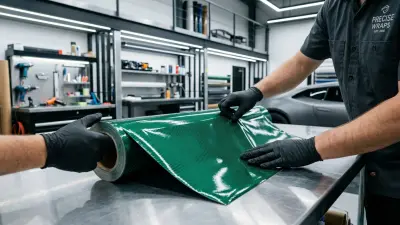
- Handle with Extreme Care & Soft Gloves: Avoid dragging the film across surfaces. Always wear soft, lint-free cotton gloves (like those used for handling photographs) when touching the adhesive side or the matte/satin surface. Even clean bare hands can leave oils that are hard to remove and can attract dust.
- Squeegee Strategy:
- Reduced Pressure: Unlike gloss films where you can apply firm pressure, matte and satin films are more susceptible to marring. Use lighter, even pressure.
- Microfiber-Edged Squeegees: This is a game-changer. I highly recommend a squeegee with a soft, felt or microfiber edge (like a 3M PA1-B Gold with a felt buffer). This significantly reduces the risk of scratching or glossing the surface during application.
- Air Release Channels: These films often have microscopic air release channels (e.g., 3M’s Comply, Avery’s Easy Apply RS) that allow air bubbles to escape. Work from the center outwards, gently pushing air out.
- Heat Control is Critical: This is where most beginners go wrong. Overheating matte or satin vinyl can permanently “gloss out” the finish, leaving an irreversible shiny spot.
- Lower Temperatures: Use your heat gun (e.g., a Steinberg HG2320E) on a lower setting. For stretching, aim for 150-180°F (65-82°C). For post-heating, which is crucial for the film’s memory, keep it around 200-220°F (93-104°C).
- Constant Motion: Always keep the heat gun moving, never dwelling on one spot.
- Post-Heating is Your Insurance: After applying the film, go back over every square inch with your heat gun at the recommended post-heating temperature. This helps the vinyl “set” into its new shape and prevents lifting, especially around curves and edges.
Working with Textured Finishes (e.g., Carbon Fiber, Brushed Metal)
Textured films, like 3M 2080 Carbon Fiber or Avery Supreme Textured Brushed Titanium, add incredible depth and a tactile feel. However, their unique patterns present their own set of challenges.
Installation Tips:
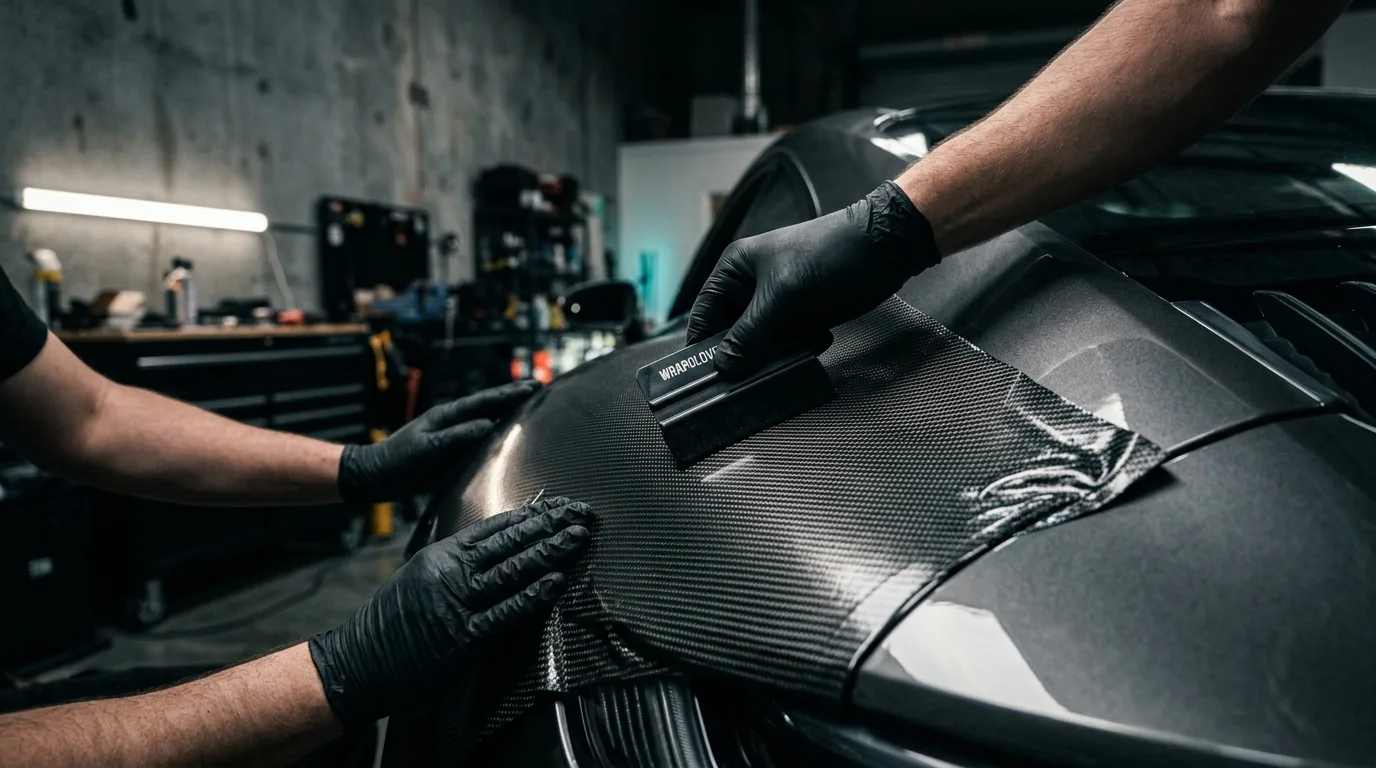
- Grain Direction is Paramount: Before cutting a single piece, plan your panels carefully. The direction of the carbon fiber weave or brushed metal grain needs to be consistent across all adjacent panels for a professional look. This often means ordering extra film to accommodate directional cuts. For example, wrapping a Ford F-150 crew cab typically requires 18-22 linear meters of 60-inch film, but with textured film, you might need an extra 2-3 meters for pattern matching.
- Minimal Stretching: This is the golden rule for textured films. Excessive stretching will distort the pattern, making it look unnatural and uneven. Use heat sparingly, just enough to conform the film to curves, but avoid pulling or overstretching.
- Squeegee Firmly, but Carefully: The texture can sometimes make it feel like you’re not getting good adhesion. Apply firm, even pressure with a felt-edged squeegee. The texture itself can help hide minor air bubbles, but persistent trapped air needs to be worked out.
- Sharper Blades for Cutting: The texture can dull your blade faster. Always use a fresh, sharp blade for clean cuts to avoid jagged edges that detract from the finish.
- Seams and Overlaps: Plan your cuts meticulously. While some textures can help disguise subtle overlaps, a poorly placed seam will stand out. For example, a full wrap on a 2024 Tesla Model Y in a textured finish might range from $4,800-$6,500 due to the extra labor involved in pattern matching.
General Maintenance for All Specialty Finishes
Proper care is essential to keep your matte, satin, or textured wrap looking sharp for its full 5-7+ year lifespan.
- Wash Gently: Hand wash with a pH-neutral car soap (e.g., Chemical Guys Meticulous Matte Auto Wash for matte/satin) and a soft microfiber mitt. Avoid abrasive brushes, automatic car washes, or harsh chemicals.
- No Wax or Polish (Unless Specific): Standard waxes and polishes contain fillers and gloss enhancers that will ruin a matte or satin finish. Only use products specifically designed for matte or satin vinyl (e.g., Dr. Beasley’s Matte Paint Sealant, CarPro CQuartz Matte Ceramic Coating). For textured films, specific sealants might also be available.
- Immediate Stain Removal: Bird droppings, bug guts, and tree sap are acidic and can etch the finish. Clean them off as soon as possible with a dedicated wrap cleaner or a mild soap solution.
- Avoid Petroleum-Based Cleaners: These can damage the vinyl.
Wrapping It Up
Working with matte, satin, and textured vinyls can be incredibly rewarding. They offer a level of customization and visual impact that gloss films simply can’t match. Remember, patience, precision, and the right tools are your best allies. Don’t rush, use soft gloves, control your heat, and always prioritize careful squeegeeing. With these tips, whether you’re a DIY enthusiast or looking to enhance your small fleet, you’ll be well on your way to achieving a stunning, durable specialty wrap that turns heads. Happy wrapping!