Disclosure: As an Amazon Associate, we earn from qualifying purchases.
When you decide to wrap a sedan, pickup, or sport bike, you’re not just buying a fresh color—you’re investing in a protective skin that can last years if you treat it right. The excitement of a glossy matte finish or a custom graphic can quickly fade into frustration when bubbles appear or the film peels after a season of rain and sunshine. Knowing the fine print of warranties, the day‑to‑day care routine, and the real‑world durability of each film type turns a one‑time expense into a long‑term asset.
Quick answer: A well‑installed cast vinyl wrap backed by a 5‑7 year material warranty and a 1‑3 year workmanship guarantee will stay flawless for 5‑7 years if you wash it weekly with mild soap, avoid high‑pressure jets, and keep it out of direct sun whenever possible.
Understanding the Warranty Landscape
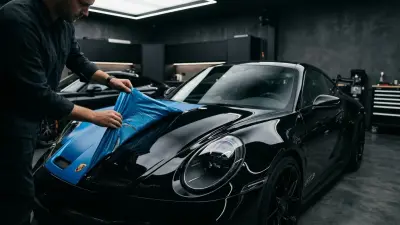
Wrap warranties come in two flavors: the manufacturer’s material guarantee and the installer’s workmanship promise. The material warranty covers defects such as premature cracking, color fading, or adhesive failure that stem from the film itself. Premium cast vinyl—think 3m 2080 series or Avery Supreme Wrapping Film (SW900)—typically carries a 5‑7 year warranty because the film is heat‑activated, thin (2.5‑3 mil), and engineered to stretch over complex curves without shrinking back. In contrast, calendered vinyl like Oracal 970RA is thicker (4‑5 mil), less conformable, and usually limited to a 3‑year warranty.
Installer warranties address how the wrap was applied. A reputable shop will stand behind its labor for 1‑3 years, covering edge lifting, bubbling, or premature peeling that isn’t caused by the owner’s neglect. This warranty is a good barometer of confidence; shops that limit coverage to 30 days are often cutting corners on surface preparation or heat‑gun technique.
Installer tip: On a recent 2024 Ford F‑150 crew cab, we noticed the rear quarter panel lifting after just two weeks because the installer used a 120 °F (49 °C) heat gun setting on a matte finish. Matte films need a lower temperature—around 90‑100 °F (32‑38 °C)—to avoid over‑softening the adhesive, which leads to edge creep.
Everyday Maintenance: What Keeps a Wrap Looking New
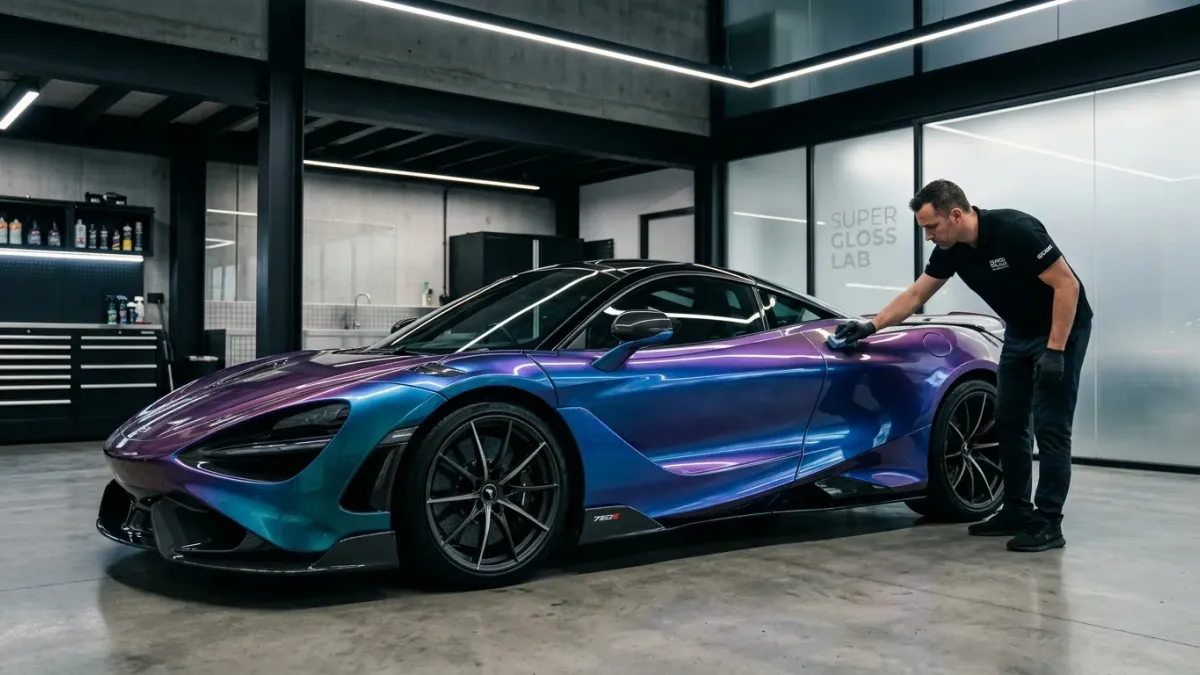
The most common mistake DIYers make is treating a wrap like bare paint. High‑pressure automatic washes, abrasive scrub brushes, and household waxes can all damage the film’s topcoat or weaken the adhesive. Instead, adopt a gentle hand‑wash routine:
- Rinse with lukewarm water to remove loose debris.
- Apply a pH‑balanced automotive soap (e.g., Meguiar’s Gold Class) using a soft microfiber mitt.
- Rinse again, then dry with a clean microfiber towel to avoid water spots.
- Inspect edges and corners weekly; any sign of lifting should be taped down with Knifeless tape immediately.
Warranty-Safe Washing: Chemical Guys Mr. Pink pH-Neutral Shampoo

Shade is another silent killer. UV rays break down the polymer chains in both cast and calendered films, leading to brittleness and color fade. Whenever possible, park under a cover or use a car‑cover with UV protection. If you live in a hot climate (average summer temps above 90 °F/32 °C), consider a ceramic coating over the wrap—most top‑coat finishes from 3M and Hexis tolerate a clear coat without voiding the warranty.
Seasonal care tweaks are useful. In winter, salt spray can corrode the adhesive from the inside; a quick rinse with a water‑only hose after a snowstorm removes the salt before it seeps under the film. In coastal areas, a light salt‑free rinse after sea‑breeze exposure prevents salt crystals from etching the surface.
Durability Expectations: Matching Film to Lifestyle
Real‑world durability hinges on three variables: film type, installation quality, and owner care. Below is a quick snapshot of what you can expect from the most common choices:
| Film Type | Thickness (mil) | Typical Warranty | Average Lifespan (years) | Typical Cost (USD) |
|---|---|---|---|---|
| Cast Vinyl (3M 2080, Avery SW900) | 2.5‑3.0 | 5‑7 yr material | 5‑7 | $2,500‑$4,000 (full wrap) |
| calendered vinyl (Oracal 970RA) | 4‑5 | 3 yr material | 3‑5 | $1,500‑$3,000 (full wrap) |
| paint protection film (PPF, e.g., 3M 1080, KPMF) | 6‑10 | 7‑10 yr material | 7‑10 | $3,000‑$6,000 (full front coverage) |
A full‑wrap on a 2024 Tesla Model Y, which requires roughly 250 sq ft (≈ 23 linear meters of 60‑inch film), will cost between $4,200 and $5,800 when installed by a certified shop. The same vehicle wrapped with a budget calendered film drops to $2,200‑$3,000, but you lose up to two years of guaranteed life.
Environmental exposure matters too. Vehicles that spend most of their time in mild climates (e.g., Pacific Northwest) often see the upper end of the lifespan range. Conversely, a wrap on a desert‑climate Jeep Wrangler may start showing edge lift after 3‑4 years despite a 5‑year warranty, simply because extreme heat accelerates adhesive fatigue.
Cost Breakdown and Choosing the Right Wrap for You
When budgeting, break the total into three buckets: material, labor, and post‑wrap protection.
Protect Your Clear Coat: Dirt Trap Wash Bucket Insert & Towel Kit

- Material: Cast vinyl averages $30‑$45 per square foot; calendered drops to $20‑$30. PPF is $40‑$60 per sq ft but is usually sold in pre‑cut kits for high‑impact zones.
- Labor: Professional installers charge $5‑$10 per linear foot for a full‑wrap job, depending on complexity. A simple color change on a compact sedan may be $2,000‑$2,500, while a full‑wrap on a large pickup can climb to $6,000‑$8,000.
- Protection: Adding a clear coat or ceramic layer adds $500‑$1,200 but can extend the visual life by 1‑2 years.
If you’re a DIY enthusiast, you can shave $1,500‑$2,500 off a full‑wrap by purchasing the film yourself and renting tools. However, remember that a botched install can void both material and workmanship warranties, turning a “save” into a costly redo.
For fleet operators who need a uniform look across 10‑15 vehicles, bulk ordering cast vinyl from a distributor often nets a 10‑15 % discount, and many installers offer a “fleet warranty” that extends workmanship coverage to 3 years for all units.
Frequently Asked Questions
How long does a full‑color change wrap typically last?
With proper care, a premium cast vinyl wrap will stay glossy and adhered for 5‑7 years. Calendered films tend to fade or lift after 3‑5 years, while PPF can protect paint for 7‑10 years.
Can I apply wax or sealant on a matte wrap?
Most matte finishes are designed to stay matte; applying wax will create shiny spots and may interfere with the adhesive. Use a matte‑compatible sealant if you need extra protection, and verify that it’s approved by the film manufacturer.
Shield Against UV Fading: 303 Aerospace Vinyl Protectant

Is it safe to go through an automatic car wash?
Generally, no. High‑pressure jets and rotating brushes can lift edges and scratch the topcoat. Touch‑less tunnels are less risky but still pose a chance of chemical residue buildup.
What temperature should I use when heating a wrap during installation?
Cast vinyl likes 90‑110 °F (32‑43 °C) for most colors; matte finishes should stay on the lower end of that range. Calendered film tolerates slightly higher heat (110‑130 °F) but still requires careful monitoring to avoid over‑softening.
Do I need to remove the wrap before repainting?
Yes. Even if the paint is thin, the adhesive can trap solvents and cause bubbling. Remove the film using a heat gun set to 120 °F (49 °C) and a gentle adhesive remover, then clean the surface thoroughly before any new paint work.
For most owners, a 2‑mil cast vinyl from 3M or Avery provides the best balance of durability and cost. Start by scheduling a professional surface preparation—clean, de‑oil, and lightly sand the paint—to ensure the installer’s workmanship warranty remains valid. Once the wrap is on, adopt the weekly mild‑soap wash routine, keep the car out of direct sun when possible, and inspect edges monthly. This straightforward plan will keep your vehicle looking showroom‑fresh for the full warranty period.