


Beyond the Basic Wash: Why Deep Cleaning Matters for Your Wrap
You’ve invested in a beautiful vehicle wrap, whether it’s a sleek color change wrap, a protective PPF layer, or eye-catching custom graphics. A quick rinse might keep the dust off, but to truly maintain that “just wrapped” look and protect your investment, you need to go beyond the basic wash. Vinyl wraps, unlike paint, have a slightly different surface texture and porosity that can trap contaminants if not properly addressed.
Table Of Content
- Beyond the Basic Wash: Why Deep Cleaning Matters for Your Wrap
- The Right Tools & Products for a Pristine Finish
- Essential Cleaning Gear You Can’t Live Without
- Recommended Cleaning Solutions (and What to Avoid!)
- Tackling Common Stains: A Step-by-Step Guide
- Specific Stain Removal Strategies
- Deep Cleaning Techniques for Maximum Longevity
- When to Call a Pro: Knowing Your Limits
Think of it this way: your wrap is constantly exposed to everything the road throws at it – road grime, tree sap, bird droppings, industrial fallout, and even microscopic pollutants. These elements don’t just sit on the surface; they can slowly etch into the vinyl, especially if left unaddressed. Over time, this leads to dullness, staining, and even premature degradation of the film. A proper deep clean isn’t just about aesthetics; it’s about extending the lifespan of your wrap, aiming for that 5-7+ years of pristine condition we all strive for.
The type of vinyl also plays a role. Cast vinyl, like 3M 2080/1080 series or Avery Supreme Wrapping Film, is a premium, heat-activated film that conforms to complex curves beautifully and offers excellent durability. While tough, its surface can still be vulnerable to harsh chemicals and abrasives. Calendered vinyl, on the other hand, is a more affordable, stiffer film better suited for flat surfaces, and might be slightly less resilient to aggressive cleaning methods. Knowing your material helps you choose the right approach, but the principles of gentle, thorough cleaning apply across the board.
The Right Tools & Products for a Pristine Finish
Before you even think about touching your wrap, gather the right arsenal. Using improper tools or chemicals is one of the quickest ways to damage your vinyl. We’re talking about preventing scratches, dulling, and material degradation here – so pay close attention.
Essential Cleaning Gear You Can’t Live Without
- Two-Bucket Method: Absolutely critical. One bucket for your soapy water, one for rinsing your wash mitt. This prevents transferring dirt back onto your wrap, minimizing scratches.
- High-Quality Microfiber Wash Mitts: Use soft, plush microfiber mitts. Avoid sponges or brushes, which can be abrasive.
- Multiple Microfiber Drying Towels: Invest in large, soft, waffle-weave or twisted-loop microfiber towels for drying. Have several on hand to ensure you’re not using a saturated towel.
- Leaf Blower (Optional but Recommended): For touchless drying, especially in intricate areas, preventing water spots.
- Plastic Squeegee with Microfiber Edge (for PPF): If you have PPF (Paint Protection Film – typically a 4-5 mil clear urethane film designed to protect paint from chips and scratches), a soft, felt-edged squeegee can help remove excess water, but use with extreme caution on vinyl wraps.
Recommended Cleaning Solutions (and What to Avoid!)
For wraps, pH-neutral is your mantra. You want cleaners that are gentle yet effective.
- pH-Neutral Car Shampoo: Brands like Chemical Guys Mr. Pink, Adam’s Car Shampoo, or Meguiar’s Gold Class are excellent choices. For matte or satin wraps, specifically look for dedicated products like Chemical Guys Meticulous Matte Auto Wash, which won’t add any unwanted shine.
- Dedicated Wrap Cleaners: 3M Wrap & Paint Cleaner is a fantastic spot cleaner for various contaminants. Meguiar’s M210 or similar detail sprays can also be used for light cleaning and touch-ups.
- Isopropyl Alcohol (IPA) – Diluted: A 70% IPA solution diluted 1:1 with distilled water can be used sparingly and carefully for stubborn spots like tar or sap, but always test on an inconspicuous area first.
- Wrap Sealants or Coatings: Post-cleaning protection is key. Products like Chemical Guys JetSeal, 3M Wrap & Paint Sealant, or dedicated ceramic coatings for wraps (e.g., Gtechniq HALO, Feynlab Self Heal Lite) will add a protective layer, making future cleaning easier and enhancing longevity.
What to AVOID like the plague: Abrasive cleaners, petroleum-based solvents (like mineral spirits or paint thinner), lacquer thinner, oven cleaner, harsh degreasers (unless specifically formulated for wraps and heavily diluted), automatic brush car washes, or any product containing wax that isn’t wrap-specific (especially on matte finishes, which will gloss over). These can damage the vinyl, lead to discoloration, or cause the adhesive to fail.
Tackling Common Stains: A Step-by-Step Guide
So, you’ve got the gear. Now, let’s get down to actually removing those annoying stains without damaging your wrap. Speed is often your best ally here.
Specific Stain Removal Strategies
- Bird Droppings & Bug Splatter: These are acidic and can etch into your wrap quickly. Act fast! For example, imagine this situation: you park under a tree, come back, and a fresh bird dropping is sitting there. Don’t rub it dry. Immediately spray the area with a detail spray or a mild, pH-neutral quick cleaner to rehydrate it. Let it soak for a minute, then gently wipe away with a soft microfiber towel. If it’s dried on, place a wet towel over it for a few minutes to soften before gently wiping.
- Tree Sap & Tar: These sticky nuisances require a bit more effort. Start with your mild car shampoo. If that doesn’t work, try a dedicated tar and adhesive remover like Adam’s Tar & Adhesive Remover. Apply a small amount to a microfiber towel, gently dab (don’t rub aggressively), and let it dwell for a moment. Then, wipe away. Remember the diluted IPA solution mentioned earlier – it’s a last resort for very stubborn spots, always test first.
- Grease & Oil: Light grease can often be removed with your regular car shampoo. For tougher oil stains, a very diluted, wrap-safe degreaser (such as Simple Green diluted 1:10 with water) can be used. Apply to a microfiber towel, gently wipe, and immediately rinse the area thoroughly to prevent residue.
- Water Spots: Hard water spots can be frustrating. After washing, ensure thorough drying. If spots appear, a quick detailer often removes fresh ones. For older spots, a 1:1 solution of distilled water and white vinegar applied with a microfiber towel, allowed to dwell for a minute, then rinsed and dried, can work wonders.
- Light Scuffs & Marring: Minor surface scuffs on gloss wraps can sometimes be lessened with a good quality detail spray and a clean microfiber. For deeper scratches, sadly, replacement of the panel might be the only option. Never use abrasive polishes or compounds on vinyl wraps unless specifically instructed by the wrap manufacturer for a particular film type, and absolutely never on matte or satin finishes. What would you do if you accidentally used a compound on your matte wrap? You’d ruin the finish, leaving a shiny spot!
For matte and satin finishes, the golden rule is “don’t add shine.” Stick to dedicated matte cleaners and sealants. Any product designed to enhance gloss will compromise the intended flat or diffused appearance of your wrap.
Deep Cleaning Techniques for Maximum Longevity
Now that we’ve covered the individual battles, let’s talk about the war – your comprehensive deep cleaning routine. This isn’t just a once-a-year thing; for maximum longevity and appearance, I recommend a thorough deep clean every 2-4 months, depending on your environment and driving habits.
Start with a thorough pre-rinse using a pressure washer (kept at a safe distance, at least 2-3 feet away to avoid lifting edges) or a strong hose to remove loose dirt and debris. Follow this with a foam cannon application of your pH-neutral car shampoo. Let the foam dwell for 5-10 minutes to help encapsulate and lift grime. This pre-soak is crucial for minimizing the amount of scrubbing you’ll need to do.
Next comes the two-bucket hand wash. Dip your clean wash mitt into the soapy water, wash a small section of the vehicle (top to bottom), then rinse your mitt thoroughly in the rinse bucket before reloading with soap. Work in small sections, always keeping the surface wet. Once the entire vehicle is washed, give it a final, thorough rinse to remove all soap residue. Honestly, this step is where most DIYers either rush or get it wrong, leading to missed spots or soap residue that can attract dirt.
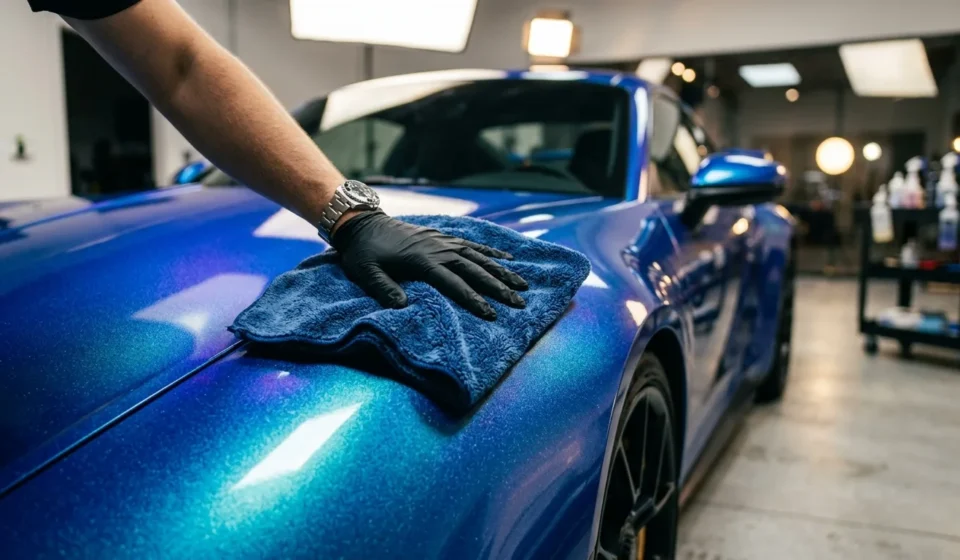
Drying is just as important. Use a leaf blower to blow off as much water as possible, especially from seams, edges, and crevices. This helps prevent water spots and reduces the amount of contact drying needed. Follow up with soft, clean microfiber drying towels, blotting rather than dragging to absorb remaining water. After the vehicle is dry, apply your chosen wrap sealant or ceramic coating according to the product’s instructions. These products create a hydrophobic barrier, making your next wash much easier and protecting the vinyl from UV damage and environmental contaminants. Let me add something here: regularly checking your wrap’s edges during cleaning is vital. If you notice any lifting, gently re-squeegee them with a soft, felt-tipped squeegee to prevent further delamination.
When to Call a Pro: Knowing Your Limits
While DIY cleaning and stain removal can save you money and give you a sense of accomplishment, there are times when it’s best to call in the professionals. As a seasoned installer, I believe knowing your limits is key to preventing expensive mistakes.
If you encounter severe damage like deep scratches that penetrate the vinyl, chemical stains that have noticeably discolored or etched the film, or widespread lifting and bubbling that can’t be fixed with a simple re-squeegee, it’s time to contact your local wrap shop. These issues might require panel replacement or specialized techniques that are beyond the scope of DIY. To be fair, sometimes a small tear can be patched, but a professional assessment will determine the best course of action.
A professional shop can also offer services like deep decontamination, specialized ceramic coating applications for wraps, and even light scratch repair for certain films. Don’t risk further damage trying to fix something you’re unsure about. Your wrap is an investment, and sometimes a few hundred dollars for professional repair or assessment is far cheaper than needing a whole new panel re-wrapped, which could cost anywhere from $300-$800 depending on the vehicle and material.
Maintaining a vehicle wrap doesn’t have to be a chore; it’s an act of care that pays dividends in longevity and curb appeal. By following these expert tips from Car Wrap Info, you’re not just cleaning your wrap, you’re actively preserving its integrity and ensuring your vehicle continues to turn heads for years to come. Your wrap protects your paint, now you need to protect your wrap!