


Thinking about buying a car that’s already wrapped? That can be a fantastic way to get a unique look or even a great deal. However, unlike buying a traditionally painted vehicle, a wrapped car demands a different kind of scrutiny. As someone who’s seen hundreds of wraps, both good and bad, come through my shop, I can tell you: a wrap can either be a testament to meticulous care or a clever way to hide serious paint issues. Don’t worry, though; I’m here to give you the real-world, no-fluff advice you need to make a smart decision.
Table Of Content
Here at Car Wrap Info, we want you to succeed. This essential pre-purchase inspection checklist will help you identify potential red flags and ensure you’re getting a quality vehicle, not a future headache.
Why Inspect a Wrapped Car Differently?
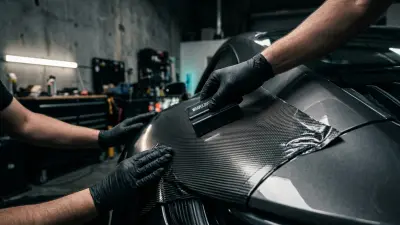
A vinyl wrap, whether it’s a full-color change, a custom graphic, or a paint protection film (PPF), covers the original paint. This means you can’t easily see the condition of the paint underneath. A high-quality wrap job using premium materials (like cast vinyl, a premium, heat-activated film such as 3M 2080 or Avery Supreme Wrapping Film that conforms beautifully to complex curves without shrinking back) can protect the paint and look stunning for 5-7 years or more. But a poorly installed wrap, or one made from cheaper calendered vinyl (a more affordable, stiffer film better suited for flat surfaces), can fail prematurely, potentially damaging the paint during removal or hiding existing damage.
Your Essential Pre-Purchase Inspection Checklist
1. The Exterior Visual Inspection: Look Closely
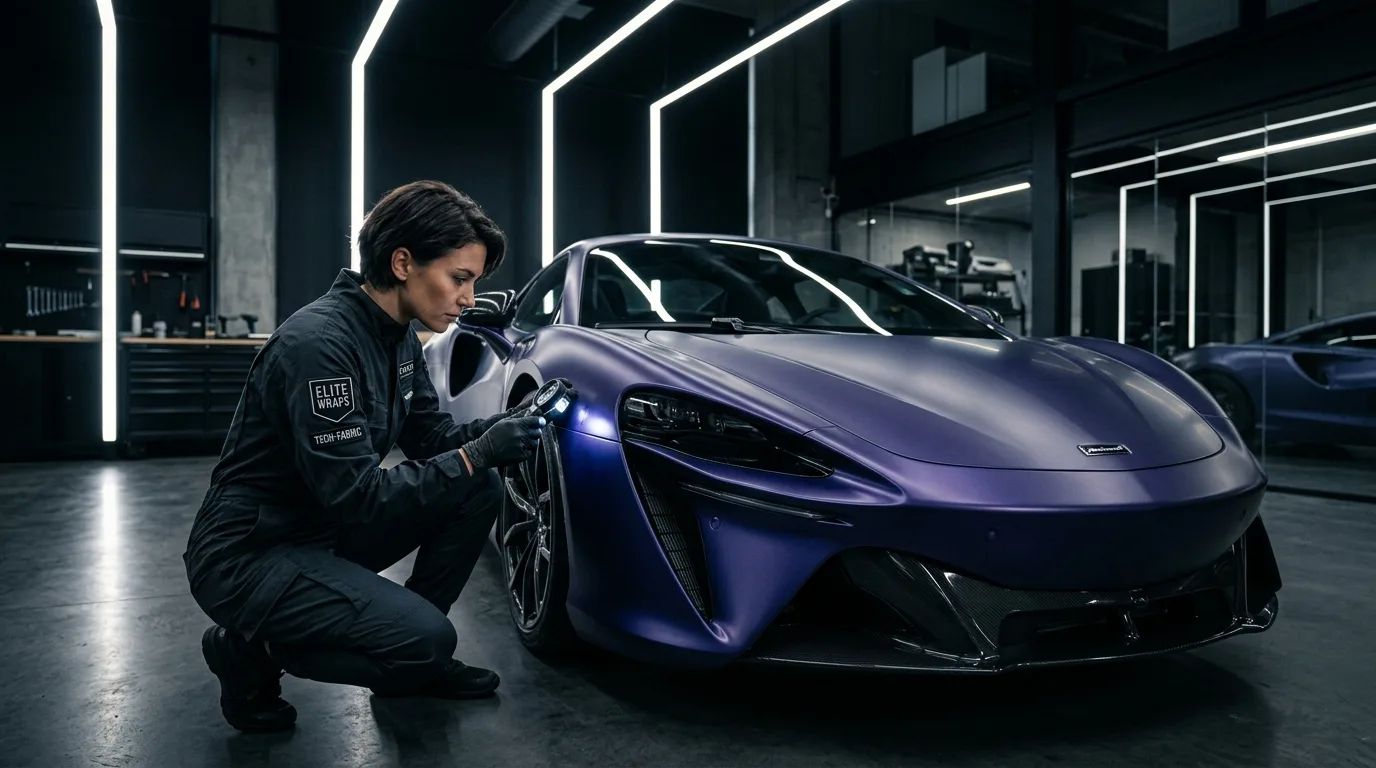
Start with a thorough walk-around in good lighting. Bring a flashlight – it helps highlight imperfections.
- Overall Finish Consistency: Is the wrap uniform in color and texture (e.g., matte, gloss, satin)? Look for blotchiness, inconsistent sheen, or areas where the film looks stretched thin.
- Bubbles and Lifting Edges: This is a major red flag.
- Bubbles: Small bubbles are common immediately after installation, but they should be few and far between. Large, numerous bubbles or “tunnels” (long air channels) indicate poor installation or trapped contamination (dust, dirt, or debris) during application.
- Lifting Edges: Pay special attention to complex curves, recessed areas, panel gaps, door handles, mirrors, and bumpers. If the edges are lifting, it means the film wasn’t properly applied, trimmed, or post-heated (the critical step where heat is applied to the film after installation to activate the adhesive and ensure long-term adhesion, preventing shrinkage and lifting). This will only get worse.
- Seams and Overlaps: While premium wraps aim for seamless applications, some complex shapes might require a seam. Check if seams are neat, discreet, and well-aligned. Jagged or obvious seams are signs of a rushed or inexperienced installer.
- Knife Marks and Damage: Look for any cuts or slices on the wrap itself, especially near edges or around emblems. Worse yet, look for any cuts that may have gone through the vinyl and into the paint – a tell-tale sign of a careless installer. Also, check for scuffs, tears, or excessive stretching that has discolored the film.
- Contamination Underneath: Shine your flashlight at an angle across the wrapped surface. Are there any visible bumps or specks under the film? These are trapped contaminants from inadequate surface preparation. It might not affect durability immediately, but it looks terrible and can be a point of failure later.
- Chrome Deletes & Trim Wraps: If the car has elements like chrome window trim wrapped in black vinyl, check these areas for the same issues: lifting edges, bubbles, and sloppy trimming.
2. The “Hidden” Inspection: What the Wrap Might Be Hiding
This is where you get a clue about the original paint condition and the installer’s thoroughness.
- Door Jambs, Hood, and Trunk Edges: Open the doors, hood, and trunk. How far does the wrap extend? A high-quality full wrap typically goes into the door jambs, under the hood and trunk lid edges, and around the edges of panels for a seamless, painted look. If the wrap stops short (e.g., a few millimeters from the edge, or doesn’t go into the jambs at all), it’s a sign of a budget job. More importantly, this is where you might spot signs of the original paint condition:
- Color Match: Does the original paint color match across panels? Inconsistent original paint could indicate previous bodywork or repainting.
- Rust or Damage: Look for rust, severe dents, or signs of poor bodywork in these uncovered areas. A wrap is often used to cover up such issues.
- Under Fenders and Wheel Wells: Peer into the wheel wells. Look for overspray from previous paint jobs or evidence of bodywork that the wrap might be concealing.
3. Understanding the Wrap’s History and Longevity
- Ask for Documentation: Did the seller have the wrap professionally installed? Can they provide receipts, photos from before the wrap, or information about the film used (e.g., “It’s 3M 2080 Gloss Black” or “Avery Supreme Wrapping Film Satin White”)? This information is invaluable.
- Wrap Age: How old is the wrap? Most premium cast vinyl wraps are designed to last 5-7 years, with some PPFs lasting 10 years or more. If the wrap is nearing or past its expected lifespan, factor in the cost of potential removal and re-wrapping.
- Maintenance History: Ask about how the wrap was cleaned and maintained. Improper washing, harsh chemicals, or lack of care can significantly shorten a wrap’s life. Signs of poor maintenance include excessive fading (especially on horizontal surfaces like the roof and hood), hazing, or staining.
4. Cost Implications and Professional Assessment
- Removal Costs: If the wrap is in poor condition or you eventually want it removed, be aware that professional wrap removal can range from $500 to $2,500+, depending on the film type, its age, and condition. A poorly installed, old, or cheap calendered vinyl can be a nightmare to remove, leaving adhesive residue or even damaging the paint.
- Professional Opinion: If you’re serious about the car and still have doubts, consider investing in a pre-purchase inspection by a trusted, experienced wrap shop. They can often spot issues that a general mechanic or even an experienced car buyer might miss, especially regarding the wrap’s quality and the underlying paint condition. They can also give you an estimate for potential repairs or removal.
A wrapped car can be a fantastic purchase, offering unique style and paint protection. But by following this checklist from Car Wrap Info, you’ll be much better equipped to distinguish a well-cared-for custom vehicle from one that’s hiding expensive secrets. Happy car hunting!