Quick answer: VViViD wraps are budget-friendly, polymeric calendered and hybrid vinyl films (typically 3.4 to 4.3 mils thick) engineered for DIY installers and car owners seeking striking visual effects at roughly half the material cost of 3M or Avery Dennison. They feature a tack-reducing air-release adhesive and a thicker body that resists accidental tearing, though they demand higher post-heating temperatures (195°F–212°F) to lock in complex contours permanently.
VViViD Wraps Explained: Construction, Thickness, and Technology
To understand why VViViD vinyl wrap handles differently than standard commercial films, you have to look at how the film is manufactured. Traditional professional films like Avery SW900 are cast vinyls, liquid-poured during production to create an ultra-thin 2.5 to 3.2 mil profile with zero inherent memory. VViViD utilizes a specialized polymeric hybrid blend that sits between 3.4 mil and 4.3 mil in thickness, depending on whether you choose a matte finish, liquid metallic, or high-gloss line. This extra thickness gives the film physical strength, making it harder for beginners to tear or burn through during heat stretching.
However, because calendered and hybrid vinyls carry subtle physical memory, the film wants to pull back to its original flat state if overstretched. This requires specific handling around door handles, deep bumper recesses, and sharp body lines. To combat air trapping, VViViD equips its rolls with Natural Air Release technology—a micro-patterned adhesive grid beneath the vinyl that allows trapped air pockets to collapse under standard squeegee pressure. Unlike older diamond-grid adhesives, these fine micro-channels leave a smooth finish without transfer lines showing through the top face.
Another key feature in VViViD’s premium Ultra-Gloss and metallic lines is a protective self-healing clear cap layer. During installation, minor squeegee scratches or haze from light friction tend to heal automatically when exposed to direct ambient sunshine or quick passes from a heat gun. This extra buffer layer gives DIY wrappers a safety net against ruined panels during the squeegee process.
Installer tip: Because VViViD vinyl is roughly 1 mil thicker than 3M 2080, it absorbs heat differently. When working around deep bumper pockets—like those on a Tesla Model Y or Dodge Charger—warm the film to 120°F–140°F (49°C–60°C) to make it pliable, feed the material into the recess rather than stretching it over, and post-heat the edges to a strict 195°F–212°F (90°C–100°C) with an infrared thermometer to reset the vinyl's thermal memory permanently.
VViViD Vinyl vs. Standard Cast Films: Specifications Comparison
Evaluating VViViD against industry giants helps clarify where your material budget goes. Premium cast films cost roughly $600 to $800 for a full 50-foot roll, whereas a full roll of VViViD typically runs between $280 and $420 depending on the specific series. The trade-offs lie in maximum stretch limits and total outdoor longevity.
| Metric / Feature | VViViD Vinyl (Plus / Ultra) | 3m 2080 series | Avery Supreme Wrapping Film |
|---|---|---|---|
| Film Construction | Polymeric Hybrid / Cast Blend | Dual-Cast Vinyl | Dual-Layer Cast Vinyl |
| Film Thickness | 3.4 - 4.3 mils | 3.5 mils | 3.2 mils |
| Max Safe Stretch | 15% - 20% | 25% - 30% | 30% - 35% |
| Post-Heat Temperature | 195°F - 212°F (90°C - 100°C) | 175°F - 200°F (80°C - 93°C) | 175°F - 195°F (80°C - 90°C) |
| Outdoor Longevity | 3 - 5 Years (Vertical) | 5 - 8 Years (Vertical) | 5 - 7 Years (Vertical) |
| Roll Cost (5ft x 50ft) | $280 - $420 | $650 - $850 | $600 - $780 |
Popular Finishes and Visual Effects in the VViViD Catalog
Where VViViD stands out is its aggressive focus on custom finishes that traditional commercial manufacturers often skip. Rather than sticking strictly to fleet colors, VViViD offers specialized finishes designed for show cars, track builds, and daily drivers wanting high visual impact.
- Ultra-Gloss Series: Engineered with a specialized clear top layer that virtually eliminates the textured "orange peel" look, giving a finish that closely mirrors factory clear coat paint.
- True R 3D & 4D Carbon Fiber: Features embossed, textured surfaces that mimic the actual feel and light reflection of real wet or dry carbon fiber weaves, ideal for hoods, roof panels, and interior trim trims.
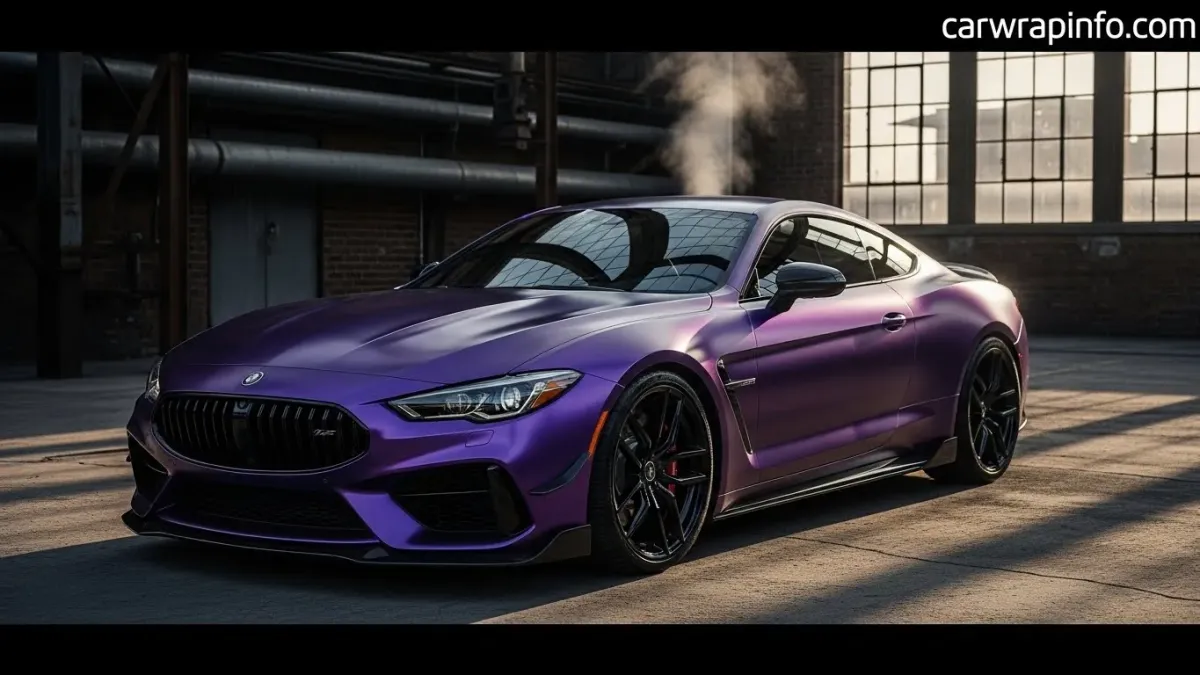
- Color-Shift & Iridescent Series: Impregnated with multi-spectrum pigments that flip between distinct hues (such as deep purple to emerald green) depending on sunlight angles and body lines.
- Liquid & Matte Metallics: Packed with dense metallic flakes suspended inside the vinyl layer to produce brilliant highlights on wide quarter panels and aggressive muscle car curves.
| Feature | VViViD Car Wrap | Traditional Paint |
|---|---|---|
| Cost | $500–$3,000 | $3,000–$10,000+ |
| Installation Time | 1–3 days | 1–2 weeks |
| Durability | 5–8 years | 10+ years |
| Removability | Easy | Permanent |
| Customization | Endless colors/textures | Limited |
| Protection | Protects paint | Paint itself is exposed |
Step-by-Step DIY Installation Guide for VViViD Wraps
Wrapping a car successfully with VViViD requires careful preparation and accurate climate control. Because hybrid vinyls react strongly to cold temperatures, always work in a clean garage held between 68°F and 78°F (20°C to 25°C).
1. Surface Preparation and Decontamination
Preparation accounts for 80% of wrap adhesion performance. Wash the vehicle thoroughly with dish soap to strip old waxes and sealants. Follow with a dedicated clay bar treatment across every panel to lift embedded brake dust and road tar. Finish by wiping the entire surface twice with a 70% Isopropyl Alcohol (IPA) and 30% distilled water mixture using clean microfiber towels, paying close attention to door jambs, trim gaps, and rubber weatherstripping.
2. Panel Measuring and Cutting
Measure each body panel individually, adding 3 to 4 inches of extra film on every side to give your hands sufficient material to grip while pulling tension. A standard sedan requires roughly 15 to 18 linear meters (50 to 60 feet) of 60-inch wide film, while a full-size crew cab truck like a Ford F-150 takes approximately 20 to 22 linear meters.
3. Tack, Glassing, and Squeegee Technique
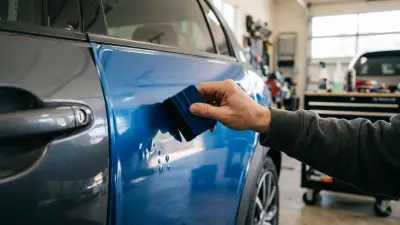
Peel the backing paper off and glass the film across the panel by anchoring the material on flat center points and pulling even tension outward toward the edges. Use a hard felt-edge squeegee at a strict 45-degree angle, working from the center outward in overlapping strokes to push air smoothly through the micro-channels. If a wrinkle forms, lift the film gently, apply a 3-second flash of heat with your heat gun set to medium heat (around 250°F nozzle temp), let the memory relax the wrinkle, and glass it back down.
4. Trimming and Edge Sealing
For seamless edges without scratching paint, use Knifeless tape along body seams whenever possible. When trimming exposed edges manually, use a fresh 30-degree snap-off razor blade and maintain light pressure so you cut only through 80% of the vinyl depth. Wrap 1/4 inch of material around every panel lip, tucked neatly behind weather seals, and apply firm squeegee pressure along every perimeter edge.
5. Critical Post-Heating
Never skip post-heating on VViViD films. Go over every single edge, stretch point, and deep recess with your heat gun until the surface reaches 195°F–212°F (90°C–100°C). This breaks the chemical strain memory of the polymeric film and locks it into its new shape permanently, preventing edge lifting and post-install bubbles.
Maintenance, Removal, and Care Guidelines
To maximize the 3-to-5-year lifespan of a VViViD wrap, adopt strict maintenance habits. Hand-wash the vehicle every two weeks using a pH-neutral car shampoo free of waxes or silicone additives. Avoid automated drive-through car washes with spinning brushes, as their rigid bristles can scratch gloss cap layers or lift material edges on door handles.
If you park outdoors under direct sun, apply a vinyl-safe detail spray or a dedicated quartz ceramic coating formulated specifically for wrap films. This protects the vinyl pigments from UV degradation and fading. When it comes time for removal, heat the panels gently with a heat gun or torch to around 120°F (49°C) and pull the film off at a slow 45-degree angle. This keeps the adhesive bonded to the vinyl backing so it strips cleanly off factory paint without leaving stubborn residue.
If you are looking for an affordable, high-impact aesthetic change on a build you plan to wrap yourself, VViViD offers incredible material value per dollar. Start by ordering a small 5ft x 10ft roll to practice on your hood or roof before tackling an entire vehicle—this lets you master the heat response and squeegee pressure required for a flawless finish.
Frequently Asked Questions
Is VViViD wrap good for beginners?
Yes. VViViD’s slightly thicker film body (3.4 to 4.3 mils) makes it resistant to accidental tearing, making it easier for beginners to handle than thinner professional cast films. However, DIY installers must strictly post-heat all edges to prevent lifting.
How long does a VViViD car wrap last?
When properly maintained and kept clean, VViViD wraps typically last 3 to 5 years on vertical surfaces (doors, fenders) and 2 to 3 years on horizontal surfaces (hood, roof, trunk) exposed to direct sun exposure.
Can you ceramic coat VViViD vinyl wrap?
Yes, applying a ceramic coating designed specifically for vinyl or paint protection film enhances water repellency, prevents UV fading, and makes hand washing significantly easier without damaging the film.
Will removing VViViD vinyl ruin OEM factory paint?
No, as long as the underlying paint is original factory finish and in good condition. Warmed properly during removal, the vinyl strips cleanly away without pulling sound clear coat or leaving excessive adhesive.