If you have ever stepped foot inside a high-end vinyl installation shop, you know that 3M is essentially the gold standard of vehicle customization. Decades of material science research have allowed 3M to manufacture films that conform effortlessly to deep body lines, resist color fading under intense solar radiation, and remove cleanly when it is time for a change. Whether you are aiming to transform your daily driver with a striking satin metallic hue or protect your clear coat from light road rash, 3M vehicle wrap films deliver professional-grade results that stand up to real-world driving conditions.
Quick answer: 3m car wrap—specifically the 3M Print Wrap Film Series 2080—is a premium 3.5 mil dual-cast vinyl designed for full color changes and commercial wraps. It features air-release channels (Comply™ adhesive) and pressure-activated repositionability (Controltac™), providing a expected outdoor durability of 5 to 8 years depending on climate, maintenance, and orientation.
Understanding 3M Car Wrap Technology and Film Architecture
To appreciate why 3m car wrap products command a premium price, you have to look beneath the surface pigment. Unlike cheap calendered films (which are made by rolling vinyl polymer into thick 4 to 6 mil sheets that constantly try to shrink back to their original flat state), 3M produces premium cast vinyl. Cast film starts as a liquid state cast onto a moving web, resulting in a thin, dimensionally stable 3.5 mil sheet (film plus adhesive) that has virtually zero memory of being flat. This means when you stretch it into a bumper recess on a 2024 Ford Mustang, it stays stretched without popping back out or lifting over time.
The magic behind 3M’s dominance lies heavily in their patented adhesive layer. 3M incorporates two core technologies into their wrapping films: Controltac™ and Comply™. Controltac™ utilizes millions of microscopic glass beads embedded in the adhesive surface. When you lay the film down, these beads keep the adhesive elevated slightly off the clear coat, allowing you to slide, lift, and reposition the sheet repeatedly. Once the panel is positioned correctly, firm squeegee pressure collapses the beads, driving the adhesive into full contact with the paint surface.
Complementing this is Comply™ technology, an array of non-visible micro-air channels molded into the adhesive. These channels allow trapped air bubbles to bleed out laterally as you squeegee down the graphic. This engineering virtually eliminates air pockets without needing to puncture the film, making it an ideal choice for both seasoned shop veterans and ambitious DIYers working out of their home garage.
3M 2080 vs 1080: The Next-Gen Evolution of Wrap Film
For years, the 3M 1080 series was the flagship product line across the automotive industry. However, 3M introduced the 2080 series to address specific installer pain points while enhancing long-term outdoor stability. While 1080 was a phenomenal product, 3M 2080 brings noticeable improvements in flexibility, conformability, and surface protection during the squeegee process.
The most significant innovation in the 3M 2080 series is the introduction of the Protective Film Layer (PFL) found on all gloss colors. This ultra-thin, clear layer sits right on top of the actual colored vinyl. During installation, you can squeegee the panel aggressively without worrying about scratching or scuffing the glossy surface. Once the film is laid, glass-cheeked, and tucked into the door jambs, you simply peel off the clear protective sheet to reveal a mirror-like, swirl-free gloss finish underneath.
| Feature | 3M 1080 | 3M 2080 |
|---|---|---|
| Protective Film Layer | ❌ None | ✅ Yes (removable top layer) |
| Ease of Installation | Good | Excellent |
| Finish Protection | Moderate | Superior scratch resistance |
| Warranty | 5–7 years | 7–10 years |
| Gloss Clarity | Great | Improved depth and reflection |
Beyond the protective cap, the 2080 series offers superior conformability around tight curves, requiring less heat to work into deep channels compared to older formulations. For detailed pricing breakdowns across different brands and material tiers, check out our comprehensive car wraps price and cost guide.
| Specification / Feature | 3M 2080 Series | 3M 1080 Series (Legacy) | Standard Calendered Films |
|---|---|---|---|
| Film Type | Dual-Cast Vinyl | Dual-Cast Vinyl | Polymeric / Monomeric Calendered |
| Total Thickness | 3.5 mil (with adhesive) | 3.5 mil (with adhesive) | 4.0 – 6.0 mil |
| Protective Cap | Yes (On Gloss Colors) | No | No |
| Adhesive Tech | Controltac™ & Comply™ (v3) | Controltac™ & Comply™ | Standard Acrylic (Tack-heavy) |
| Vertical Life Expectancy | Up to 7–8 Years | Up to 5–7 Years | 1–3 Years |
| Conformability | Exceptional (High elasticity) | Excellent | Poor (Prone to lifting/shrinkage) |
Popular 3M Finishes: From Gloss Black to 3M Carbon Fiber Wrap
Selecting the right visual finish completely dictates the character of your build. 3M manufactures hundreds of distinct colors across several structural finishes, ranging from extreme high-gloss solids to subtle textured wraps. Choosing a high-durability 3M color ensures your vehicle retains its aesthetic value without experiencing severe UV chalking or discoloration over time.
One of the top choices among enthusiasts is the 3M Carbon Fiber Wrap Gloss (CFS12) and its textured matte counterpart (CF12). Unlike basic printed carbon patterns that look flat and artificial, 3M carbon fiber films feature a true embossed, three-dimensional weave structure that catches light identically to real carbon composite panels. It is widely used for interior console trims, side-mirror caps, rear diffusers, and full hoods to create an authentic motorsport aesthetic.
Installer tip: When working with 3M Carbon Fiber Wrap Gloss or Satin, pay strict attention to the weave direction across adjacent panels. If you wrap a hood with the carbon weave slanting from top-left to bottom-right, you must align the front fenders in the exact same direction. If you flip the orientation on the fender, the light will reflect differently, giving the illusion that the two panels are entirely different shades of gray.
Aside from carbon fiber textures, 3M’s specialty finishes include Satin Dark Gray, Gloss Atomic Teal, Matte Military Green, and their popular Color-Flip series (such as Deep Space). Color-flip wraps utilize multi-layer optical pigments that shift between shades of purple, blue, and teal depending on the angle of sunlight hitting the vehicle body.
Real-World 3M Wrap Costs, Material Coverage, and Tooling Requirements
Planning a full wrap project requires an accurate estimate of both material coverage and professional tooling costs. A standard sedan like a BMW 3 Series or Tesla Model 3 takes roughly 15 to 18 linear meters (50 to 60 feet) of 60-inch wide film, which equates to roughly 250 square feet of vinyl. Larger vehicles, such as a Ford F-150 Crew Cab or a full-size SUV, will require 20 to 22 linear meters (65 to 72 feet) to account for roof height and broad door panels.
If you choose to hire a certified professional installer, expect labor and material costs for a complete 3M 2080 wrap on a mid-sized coupe or sedan to range from $3,200 to $4,800. Exotic curves, extensive panel disassembly (removing door handles, bumpers, and tail lights), or upgrading to textured carbon fiber can pull total estimates into the $5,000 to $6,500 bracket. DIYers can expect to purchase material rolls directly for $650 to $950, depending on the chosen color series.
- Heat Gun with Digital Temperature Display: Crucial for maintaining post-heating temperatures between 180°F and 200°F (82°C to 93°C) to relax vinyl stress.
- IR Thermometer: Ensures precise reading of post-heating temperatures across stressed curves.
- Squeegee with Buffer Pads: Soft felt or microfiber edges prevent scratching capless or unmasked film.
- Knifeless Tape (Design Line): Allows clean cutting directly over paint without risking razor blade scoring on the clear coat.
- Isopropanol (IPA) Cleaners: A 70/30 blend of Isopropyl Alcohol and distilled water for surface decontamination.
For DIY enthusiasts interested in trying alternative budget-friendly options alongside 3M, read through our detailed breakdown in the VViViD car wraps guide to learn how different brands compare in terms of film thickness and adhesive aggressiveness.
Step-by-Step Installation Best Practices for 3M Vinyl
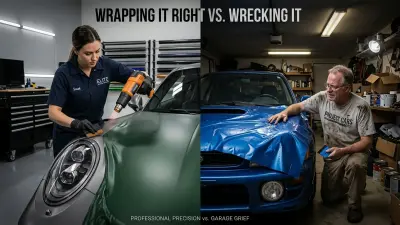
Proper installation procedure is the difference between a wrap that lasts seven years and one that peels up at the car wash three weeks later. Preparation accounts for 80% of wrap success. Before bringing vinyl anywhere near the paint, the car must undergo a thorough multi-stage wash, iron decontamination, clay bar treatment, and a final wipe-down with pure isopropyl alcohol to strip away all residual waxes, silicones, and road grime.
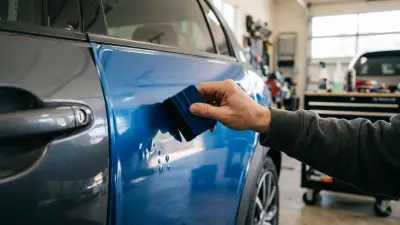
When applying 3M 2080, position the panel with the backing paper attached, secure it with hard magnets, and peel back a portion of the liner. Glass the film over the flat surface by applying even pressure using your squeegee at a 45-degree angle. Overlap each stroke by 50% to ensure the Comply™ air channels press out all air cleanly. Work from the center outward toward the edges of the panel.
When conforming the film into recess pockets—like fog light housings—never stretch the film directly into the hole. Instead, bridge the material over the area, apply light heat (no more than 120°F/50°C), and carefully roll the vinyl into the recess using a gloved thumb or soft squeegee. Once all edges are tucked into body gaps, perform a mandatory post-heating pass. Using your heat gun, raise the temperature of all stretched edges to 195°F–205°F (90°C–96°C). This process breaks the physical memory of the cast vinyl, forcing it to permanently adopt its new shape without lifting.
Maintaining and Caring for Your 3M Car Wrap
Maintaining a wrapped vehicle requires slight adjustments to your car care routine. Automatic drive-through car washes with stiff nylon bristles should be completely avoided; they will scratch gloss finishes and catch fine edges along panel seams. Hand washing using the two-bucket method with a pH-neutral automotive shampoo is strongly recommended.
If you prefer pressure washing, keep the spray nozzle at least 12 to 18 inches away from wrap seams and edges, keeping the water jet perpendicular to the surface. Pressure settings should be kept below 2,000 PSI, with water temperatures not exceeding 140°F (60°C). Spraying directly under an edge at a tight angle can instantly lift the adhesive and destroy an entire panel.
To maximize life expectancy, keep the vehicle garaged or under a car cover when parked for long periods. Constant exposure to heavy sun and UV radiation in southern climates can reduce horizontal service life (hoods and roofs) faster than vertical surfaces. Applying a wrap-specific ceramic coating or ceramic spray detailer adds a layer of UV protection and creates a hydrophobic surface that makes washing off bird droppings and bug splatter quick and easy.
Which 3M Film Should You Choose?
If you are looking for a reliable balance of DIY-friendly installation, unmatched durability, and a wide color selection, the 3M Print Wrap Film Series 2080 is hands-down the best overall choice. Beginners and pro shops alike benefit massively from the clear protective film layer on gloss colors and the ultra-forgiving nature of the Controltac™ adhesive. Start your wrap project by ordering physical color swatches or reviewing manufacturer spec sheets, ensuring you accurately measure your vehicle dimensions before cutting your first sheet.
Frequently Asked Questions
Is 3M car wrap safe for factory paint?
Yes, 3M vehicle wraps are engineered specifically to be safe for original factory paint systems. When removed correctly within the product's recommended service life (typically 5 to 7 years), the adhesive releases cleanly without stripping or damaging the clear coat underneath.
How long does a 3M wrap last on a car?
Under normal conditions, a 3M 2080 series vinyl wrap will last between 5 and 8 years on vertical surfaces (doors, quarter panels) and 3 to 5 years on horizontal surfaces (hood, roof, trunk lid), provided it is washed regularly and kept free of harsh chemical contamination.
Can you ceramic coat a 3M vinyl wrap?
Yes, you can apply ceramic coatings designed specifically for vinyl wraps or flexible films. Adding a ceramic layer helps prevent permanent staining from environmental contaminants, protects against UV degradation, and improves hydrophobicity, making maintenance considerably easier.
Sources
- 3M Automotive Graphics & Wrap Films Official Site
- Wikipedia: Vehicle Wrap Overview
- 3M Product Bulletin 2080 (Technical Data Sheet)
| Type of Wrap | Estimated Cost (USD) |
|---|---|
| partial wrap (hood, roof, accents) | $300 – $800 |
| Full Sedan Wrap | $2,000 – $3,500 |
| Full SUV/Truck Wrap | $3,500 – $5,000 |
| Premium/Color-Flip Wrap | $4,000 – $6,000 |