Disclosure: As an Amazon Associate, we earn from qualifying purchases.
Designing and installing a graphic vehicle wrap costs between $3,500 and $7,000+ for a complete professional installation, depending on vehicle size, artwork complexity, and vinyl grade. A full graphic wrap combines custom digital artwork printed on premium 2-mil cast vinyl — a heat-activated, highly conformable film that moulds around complex contours without shrinking — overlaid with a protective laminate to shield against UV fading, road debris, and weather. Whether you are branding a commercial fleet or creating a one-of-a-kind art car, success depends on accurate vehicle templates, vector graphic files, correct material selection, and rigorous post-heating installation techniques.
Understanding Graphic Wrap Materials: Cast vs Calendered Vinyl
Before launching into vehicle wrap design, selecting the appropriate vinyl film family is critical to avoid edge lifting, shrinkage, or premature failure.
- Cast Vinyl (2.0–2.5 mil film thickness): Premium cast vinyl (such as 3M IJ180Cv3 Controltac or Avery Dennison MPI 1105) is manufactured by pouring liquid PVC onto a casting sheet. It has zero inherent mechanical memory, meaning it will not pull back out of deep body recesses, door handles, or bumper curves. When paired with a 1.3–2.0 mil gloss or matte overlaminate (e.g., 3M Scotchcal 8518), cast films offer a 5- to 7-year outdoor lifespan.
- Calendered Vinyl (3.0–4.0 mil film thickness): Calendered vinyl is produced by rolling PVC dough through heavy rollers. Because it is mechanically stretched during production, it retains memory and constantly tries to shrink back to its original flat shape. It works well for short-term box truck panels, flat wall graphics, or temporary decals, but will lift and fail within 12–18 months if applied over complex automotive curves.
3M Custom Vehicle Wraps Price Breakdown
When calculating a 3M custom vehicle wraps price, total project costs combine graphic design fees, printed vinyl plus laminate materials, surface preparation, and professional labor. The table below breaks down realistic cost ranges for standard vehicle classes:
| Vehicle Type | Film Needed (60" Width) | Estimated Wrap Cost Range | Expected Lifespan |
|---|---|---|---|
| Compact Coupe / Hatchback | 15–17 Linear Meters | $2,800 – $4,200 | 5–7 Years |
| Mid-Size Sedan (e.g., Tesla Model 3) | 17–19 Linear Meters | $3,200 – $4,800 | 5–7 Years |
| Full-Size Truck / SUV (e.g., Ford F-150, Tesla Model Y) | 18–22 Linear Meters | $4,200 – $6,500 | 5–7 Years |
| High-Roof Commercial Van (e.g., Ford Transit) | 22–28 Linear Meters | $4,800 – $8,500 | 5–7 Years |
For custom graphic wraps, design fees typically add $500 to $1,500 depending on whether you provide print-ready vector files or commission a custom wrap concept from scratch.
Verify Real-World Print Finishes: Official 3M Swatch Deck

Essential Design Guidelines for Vehicle Wraps
Creating artwork for a three-dimensional surface requires specific digital workflows to avoid misaligned seams or distorted typography across door gaps and fenders:
1. Work with 1:10 Scale Precision Vehicle Templates
Always build your layout using professional CAD vehicle templates (such as Pro Vehicle Outlines or Badwrap). Templates provide accurate measurements for body lines, door handles, fuel doors, and trim pieces. Design artwork at 1:10 scale at 300–600 DPI, or at 1:1 full scale at 100–150 DPI for wide-format eco-solvent or UV printers.
2. Account for Bleed and Panel Overlaps
Add 3 to 6 inches of print bleed around all outer edges of each vehicle panel outline. When wrapping across long side panels, split your artwork into vertical drops (typically 52 to 58 inches wide) with a 0.5-inch to 1-inch overlap aligned in the direction of wind flow (front-to-back) so pressure washers cannot lift the seam edges.
3. Keep Key Graphics Away from Deep Contours and Seams
Avoid placing essential logos, contact numbers, or critical text over door handles, body moldings, window seals, or deep bumper recesses. Stretch during installation will distort typography and make reading contact info difficult.
Seamless Multi-Panel Alignment: Ehdis Wrap Gripper Magnets

Installation Steps for Printed Graphic Wraps
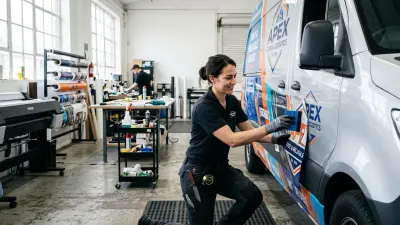
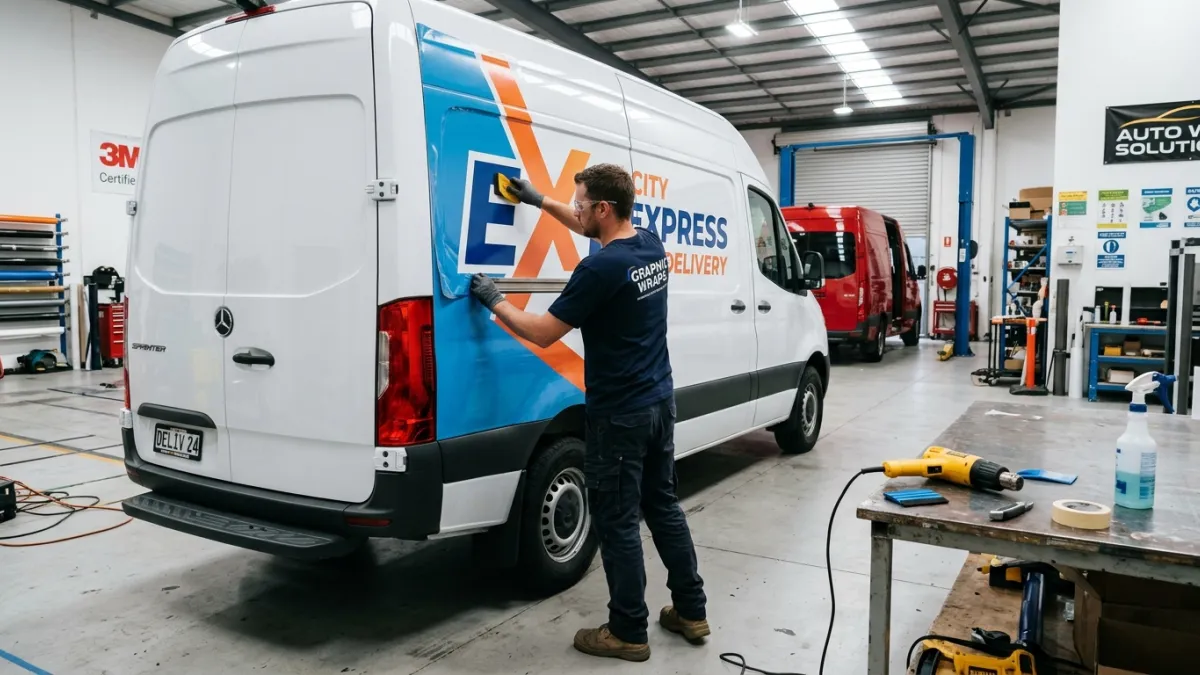
Installing printed graphic 3M vehicle wraps requires controlled environmental conditions (65°F–75°F / 18°C–24°C shop environment) and systematic panel positioning.
- Surface Preparation: Wash the vehicle with a wax-free automotive soap. Clean all panel edges, rubber seals, and rivets using a 70% Isopropyl Alcohol (IPA) and 30% water solution to eliminate silicone, oil, and road grime residue.
- Panel Alignment & Tacking: Position the printed panel using masking tape hinges. Pull the backing paper down 6 to 12 inches to expose the pressure-activated adhesive (such as 3M Comply micro-channels). Lightly tack the vinyl along the top centerline.
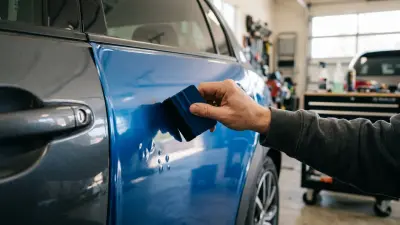
- Squeegee Technique: Using a hard felt-edge squeegee, apply firm, overlapping strokes working from the center outward at a 45-degree angle. This pushes air through the micro-release channels without creating trapped bubbles.
- Heat Application and Stretching: Use a heat gun set between 180°F and 200°F (82°C–93°C) to soften the vinyl when navigating deep body lines. Never stretch printed vinyl more than 10–12% to prevent color distortion or print wash-out.
- Trim with Knifeless Tape: Avoid cutting directly on factory paint. Lay 3M Design Line Knifeless Tape along door jambs and body seams before laying the vinyl, then pull the cutting filament through the film for laser-clean edges.
- Post-Heating: Once installed, go over every stretched area, edge, and recessed channel with a heat gun set to 195°F–212°F (90°C–100°C) verified with an infrared thermometer. Post-heating relaxes the vinyl's internal stress memory and locks the adhesive into place permanently.
Environmental Protection and Maintenance
In sunny coastal regions like Southern California, high UV exposure and salt air put intense demands on vinyl performance. Shops offering vehicle wraps San Diego drivers depend on routinely recommend cast overlaminates with UV inhibitors to prevent premature color fading and oxidation. If you are servicing cars in coastal climates or searching for reputable San Diego vehicle wraps specialists, ensure the shop specifies cast UV overlaminate on all printed graphics.
To maximize the lifespan of your custom wrap:
- Hand Washing: Wash the vehicle every 1–2 weeks using a pH-neutral wrap shampoo and a soft microfiber wash mitt. Avoid automated brush car washes that scratch overlaminates.
- Pressure Washing Rules: Keep pressure washer nozzles at least 12–18 inches away from seams, and maintain water spray pressure below 2,000 PSI at temperatures under 140°F (60°C).
- Ceramic Coatings: Apply a wrap-specific ceramic coating (such as Gtechniq HALO or Gyeon Q² Flash) to add hydrophobic protection, bug splatter resistance, and extra UV shielding over both gloss and matte printed films.
Frequently Asked Questions
Clean Graphic Cuts Without Paint Risk: 3M Knifeless Design Line Tape

How long does a printed graphic vehicle wrap last?
A high-quality graphic wrap printed on premium cast vinyl with a UV overlaminate lasts between 5 and 7 years when properly maintained and kept out of continuous direct desert sun.
Can you wash a wrapped car at a commercial car wash?
Touchless automatic car washes are acceptable occasionally, but hand washing is strongly recommended. Avoid brush-style automatic washes, which scratch the vinyl surface and lift panel edges.
Will custom graphic wraps damage factory paint upon removal?
No. When applied to sound, original OEM paint, cast vinyl wraps protect the paint beneath. Professional removal involves warming the vinyl with a heat gun to 120°F–140°F to lift the film cleanly without stripping clear coat.