Quick answer: A high-quality color wrap uses dual-layer cast vinyl film (2.5–3.5 mil thick) to temporarily transform your car's appearance for 5–7 years without harming factory paint. Professional full wrap installations generally cost between $2,500 and $5,000 depending on vehicle size, film finish, and body complexity, making it roughly 30–50% cheaper than a comparable high-end custom paint job.
Understanding Vinyl Wrap Film Types and Specifications
When selecting a vinyl wrap, understanding the underlying material science ensures you do not waste money on products designed for short-term signs instead of complex automotive curves. The industry divides wrapping films into two primary structural categories: cast vinyl and calendered vinyl. Cast vinyl starts as a liquid mixture poured onto a moving web, passing through ovens to bake into a thin, dimensionally stable film typically between 2.5 and 3.5 mil thick (0.0025 to 0.0035 inches). Because it experiences no physical stretching during manufacturing, cast film possesses no "memory," meaning it will not shrink back or pull away from recessed body lines when properly post-heated.
Calendered vinyl, by contrast, is manufactured by taking solid PVC rolls and squeezing them through heavy heated rollers. This mechanical stretching leaves internal stress within the material. Calendered film is noticeably thicker—usually 4.0 to 6.0 mil—making it stiffer and prone to shrinking back over time. While calendered films cost less up front, they are meant for flat box truck walls or temporary sign graphics. Applying calendered film to deep bumper recesses or sharp door handles leads to premature lifting, adhesive failure, and unsightly fingers along panel edges within months of installation.
For high-end transformations, car owners sometimes evaluate the differences between vinyl wraps and paint protection film (PPF). Standard color vinyl measures 3.0 mil and offers moderate surface protection against light debris, while clear or colored TPU (thermoplastic polyurethane) PPF measures 6.0 to 10.0 mil, offering self-healing physical impact defense. For detailed surface prep routines before laying down high-end cast films, our guide on preparing your vehicle for vinyl wrapping breaks down chemical decontamination techniques step-by-step.
Popular Colors, Finishes, and Design Trends
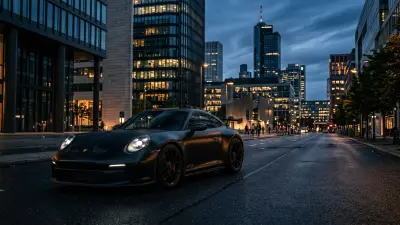
Modern film manufacturers offer hundreds of finishes that replicate or exceed custom factory paint options. Grey remains a dominant choice across performance coupes and daily drivers alike, with shades like Nardo Grey, Gloss Storm Grey, and Metallic Space Grey offering a clean, contemporary OEM look. These grey tones hide road dust exceptionally well, pair effortlessly with gloss black trim deletes, and yield high visual impact without appearing overly aggressive.
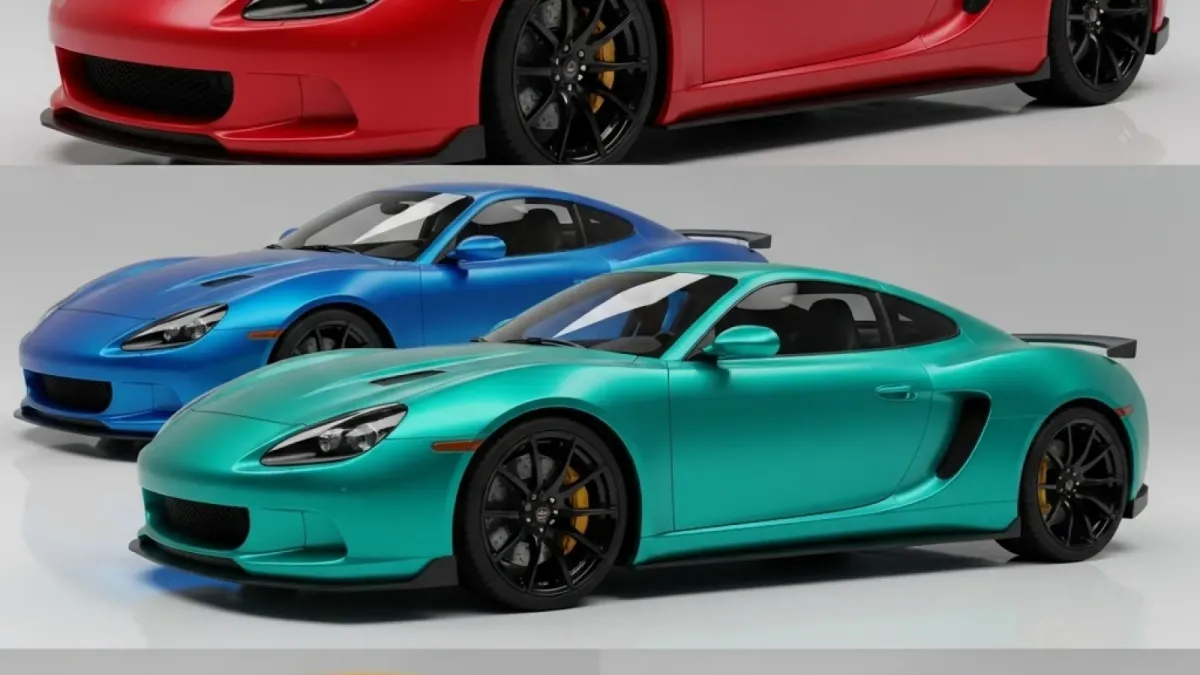
Matte and satin finishes represent another massive segment of the market. While gloss reflects light directly, matte finishes scatter light completely for a flat, tactical appearance. Satin finishes balance the two, providing a soft sheen that highlights a car's body lines and muscular shoulders far better than flat matte. Trending options like Satin Dark Grey, Matte Military Green, and Matte Burnt Orange continue to lead customer preferences. Furthermore, pink wraps—ranging from Satin Rose Gold and Pearl Pink to Neon Pink—have skyrocketed in popularity across sports cars and branded commercial builds.
Modern casting technology also allows for specialty finishes including flip/chameleon colors, true chrome, forged carbon patterns, and brushed metals. Selecting the right tone involves matching the overall vehicle style, wheel setup, and interior cabin trim to create a cohesive build.
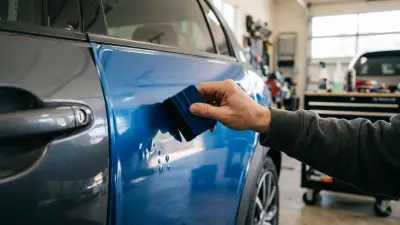
Installer tip: When working with satin or matte films, never use a hard squeegee directly on the dry material surface, or you will leave bright burnish marks. Always use a fresh microfiber buffer sleeve on your squeegee and spray a light mist of soapy slip solution or quick detailer over the face of the film as you glide across long panels like doors and hoods.
| Vehicle Type | Estimated Cost |
|---|---|
| Small sedan | $2,000 – $3,000 |
| Medium sedan | $2,500 – $3,800 |
| SUV | $3,000 – $5,000 |
| Truck | $3,500 – $6,000 |
| Luxury / Exotic | $4,000 – $8,000+ |
Cost Breakdowns for 2026: Material and Professional Install
Calculating the true cost of wrapping a vehicle depends on three primary factors: vehicle surface area, labor complexity, and material tier. Wrapping a standard sedan like a Tesla Model 3 requires roughly 18 to 20 linear meters (approx. 60 feet) of 60-inch wide film. Larger full-size trucks like a Ford F-150 crew cab or large three-row SUVs demand 22 to 25 linear meters to cover every exterior panel cleanly. Below is a detailed breakdown of realistic professional pricing and DIY material expenses across different vehicle classes.
| Vehicle Size / Class | Avg Material Needed | DIY Material Cost (Cast Film) | Pro Install Price Range |
|---|---|---|---|
| Compact / Small Coupe (e.g., Mazda MX-5, Subaru BRZ) | 15–17 linear meters | $550 – $800 | $2,200 – $3,200 |
| Mid-Size Sedan / Crossover (e.g., BMW 3 Series, Tesla Model Y) | 18–20 linear meters | $750 – $1,100 | $2,800 – $4,200 |
| Full-Size SUV / Truck (e.g., Ford F-150, Chevy Tahoe) | 22–25 linear meters | $950 – $1,400 | $3,800 – $5,500+ |
| Exotic / Complex Curved (e.g., Porsche 911, Corvette C8) | 18–22 linear meters | $850 – $1,300 | $4,500 – $7,000+ |
Labor constitutes roughly 60% to 70% of a professional quote because a proper application requires disassembling door handles, headlights, taillights, side mirrors, and sometimes entire bumpers to tuck film edges deep behind body panels. Additional services like door jamb wraps (wrapping the painted metal inside door frames) typically add $1,000 to $2,000 in labor. You can read our detailed breakdown on full wrap installation pricing variables to evaluate where to save money without sacrificing longevity.
The Best Vinyl Brands: Performance and Workability
Choosing a reputable manufacturer is the single most crucial factor in ensuring clean application and damage-free removal years down the road. Discount non-rated films often use aggressive solvent-based adhesives that permanently destroy clear coats upon removal. Reputable industry brands use acrylic pressure-activated adhesives with micro air-release channels, allowing trapped air to pass out under squeegee pressure during install.
- 3M (2080 Series): The industry reference standard. Features a 3.5 mil dual-layer construction, pressure-activated adhesive with Controltac technology, and Comply air release. Uniquely, 3M gloss colors come with a clear protective film layer on top of the vinyl that stays on during installation to eliminate squeegee scratches, then peels off cleanly before final post-heating.
- Avery Dennison (SW900 Supreme Wrapping Film): Renowned among pro installers for supreme conformability and light tack. At 3.2 mil, Avery wraps effortlessly around complex curves, door handles, and deep recesses with minimal heat, making it the top pick for DIYers and production shops alike.
- Oracal (970RA Premium Wrapping Cast): Manufactured by Orafol, this 4.0 mil film is slightly thicker and stiffer than Avery, providing excellent durability, incredible depth in gloss finishes, and high scratch resistance.
- KPMF (VFI 70000 Series): Known for unique custom aesthetics, iridescents, and heavy metallic flakes. Excellent durability and moderate conformability ideal for custom show builds.
- Hexis (SKINTAC Series): High-end European cast film offering vibrant gloss finishes, deep structural colors, and durable top coats engineered for sports cars and exotics.
Proper maintenance plays a major role in preserving these premium films. Hand washing every two weeks with pH-neutral shampoo keeps road grime from etching into the surface. Applying a wrap-specific spray sealant or ceramic coating formulated for vinyl extends hydrophobic properties and protects against UV fading. To master long-term care techniques, explore our walkthrough on maintaining matte and gloss vinyl wraps.
Choosing Your Path to a Flawless Custom Finish
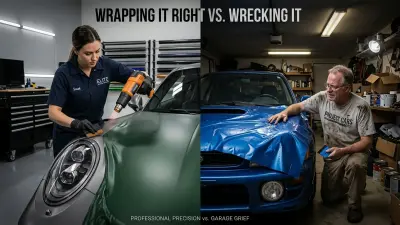
If you plan to execute a DIY project, start by purchasing a standard 60-inch by 50-foot roll of cast vinyl from Avery Dennison or 3M, along with basic tools like a dual-temperature heat gun, soft squeegees, application gloves, and Knifeless tape to make clean cuts without scoring underlying paint. However, if your vehicle features intricate body lines, sharp aero cuts, or expensive factory clear coat, hiring a certified shop (such as a 3M Endorsed or Avery Certified Installer) guarantees structural durability, tucked seam edges, and comprehensive labor warranties.
Frequently Asked Questions
Will a color wrap damage my car's original factory paint?
No, high-quality cast vinyl from brands like 3M or Avery will not damage original OEM paint provided the underlying clear coat is fully intact and healthy before installation. In fact, film acts as a protective shield against minor light scratches, swirl marks, and UV radiation. However, if your vehicle has low-quality aftermarket repaint jobs or chipped clear coat, the adhesive may pull loose paint upon removal.
How long does a professional color car wrap last?
When properly installed and cared for, premium cast vinyl wraps last between 5 and 7 years on vertical panels (doors and side fenders). Horizontal surfaces exposed to intense, direct overhead sunlight (hoods, roofs, and trunks) typically show initial UV wear around years 3 to 5. Keeping the vehicle garaged or applying vinyl ceramic coatings significantly extends total lifespan.
Can you run a wrapped car through an automatic car wash?
Touchless automatic car washes that rely solely on water jets and warm air dryers are generally safe for wrapped cars. However, soft-touch or high-friction brush car washes must be avoided entirely because the spinning nylon bristles catch underlying edges, create deep swirl scratches, or tear film edges loose around door seams.
What is the difference between a full wrap and a partial wrap?
A full wrap covers every painted exterior panel of the vehicle, completely transforming its base color. A partial wrap targets specific panels—such as wrapping a roof black for a panoramic glass look, wrapping side mirror caps, performing a chrome delete around window trim, or covering just the hood—offering high visual contrast at a fraction of full install costs.