What Exactly *Is* Ceramic Coating, and How Does It Protect Your Wrap?
When we talk about ceramic coatings, we’re generally referring to a liquid polymer solution containing silicon dioxide (SiO2), often derived from quartz. When this liquid is meticulously applied to your vehicle’s wrap, it undergoes a chemical bonding process with the vinyl's surface. This creates a remarkably durable, transparent layer that acts as a semi-permanent shield, significantly harder and more resilient than the vinyl itself. Think of it as an invisible, super-tough second skin for your wrap. The magic truly happens at a microscopic level. vehicle wraps are typically made from either cast vinyl, like the premium, heat-activated films used for full color changes (e.g., 3M 2080 or Oracal 970RA), which are usually 2.5–3 mil thick and conform beautifully to complex curves without shrinking back, or calendered vinyl, a more affordable, stiffer film better suited for flatter surfaces, often used for fleet graphics. While both types are robust, their surfaces are microscopically porous and susceptible to UV degradation, staining, and chemical etching. A ceramic coating fills these tiny pores, creating an incredibly smooth, slick surface. This isn't just about making it look good; it actively prevents dirt, grime, and pollutants from bonding directly to the wrap, making maintenance far easier and protecting the integrity of the vinyl itself.The Unmistakable Advantages: Why Your Wrap Needs This Shield
Adding a ceramic coating isn't just about adding an extra step to the process; it's about transforming the ownership experience of your wrapped vehicle. The benefits are numerous and genuinely tangible, moving beyond simple protection to elevate aesthetics and significantly simplify upkeep.Fortified Defense Against the Elements
Mother Nature is arguably the biggest adversary for any vehicle finish, whether it's paint or vinyl. UV radiation is a silent killer, causing colors to fade and dull over time, with reds and yellows being particularly vulnerable. A high-quality ceramic coating acts as a robust UV blocker, much like an invisible sunscreen for your wrap, preserving its vibrant color and preventing the vinyl from becoming brittle. Beyond the sun, it provides a crucial sacrificial barrier against environmental contaminants like acid rain, hard water spots, bird droppings, bug splatters, and tree sap. These corrosive substances, left unchecked, can etch into unprotected vinyl, leaving permanent damage. With a ceramic coating, these nasties sit on the hard, non-porous ceramic layer, giving you a significantly longer window to clean them off without any permanent harm to your wrap.Hydrophobic Magic & Effortless Cleaning
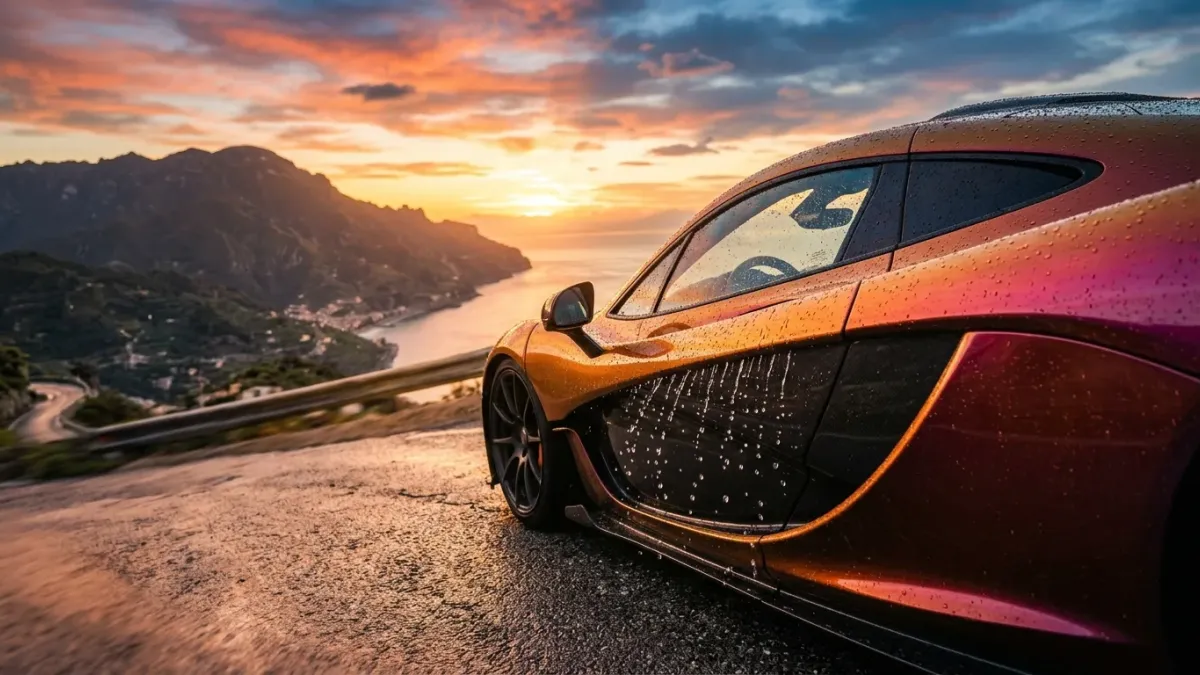
This is often the most visually striking benefit. Once coated, your wrap becomes incredibly hydrophobic – meaning it actively repels water. Instead of water sheeting across the surface and leaving streaks or spots, it beads up into tight, almost perfectly spherical droplets that roll right off, carrying dirt and grime with them. For example, imagine driving your freshly wrapped 2024 Tesla Model Y, boasting a stunning satin black finish, through a sudden downpour. Without a coating, you'd likely be left with stubborn water spots and streaky dirt once it dries. With a ceramic coating, those beads of water glide away, leaving a remarkably cleaner surface behind. This "self-cleaning" effect drastically reduces the amount of scrubbing and chemicals needed during washes, making your regular maintenance routines quicker and more efficient.Supercharged Longevity & Durability
A premium vehicle wrap, utilizing materials like Oracal 970RA, Hexis Skintac HX20000, or Arlon Ultimate PremiumPlus, is designed to last a solid 5-7 years under normal conditions, assuming proper installation and care. From what I’ve seen in my shop over the years, adding a quality ceramic coating can extend this lifespan by an additional 2-3 years, pushing the total to 7-10 years, or even more with meticulous maintenance. This significant boost in longevity comes from the coating's ability to reduce wear and tear on the vinyl itself. It protects against micro-scratches that can occur during routine washing, shields from environmental fallout, and significantly slows down UV degradation. Essentially, it's like adding an extra, highly resilient layer of skin to your wrap, safeguarding your investment for the longest haul possible.Enhanced Aesthetics & Preserved Value
Beyond the impressive protection, ceramic coatings noticeably enhance your wrap's visual appeal. For gloss wraps, they amplify the shine, creating a deeper, richer luster that often surpasses the look of freshly waxed paint. For matte or satin finishes – which are particularly popular but can be tricky to maintain – a ceramic coating deepens the color without adding unwanted gloss, perfectly preserving that desirable subdued aesthetic while providing all the protective benefits. This improved appearance, coupled with the extended lifespan of the wrap, directly contributes to your vehicle's resale value. A wrap that looks newer for longer means your car holds its aesthetic appeal and, consequently, its market value better over time.Choosing & Applying the Right Ceramic Coating for Your Wrap
Navigating the world of ceramic coatings can feel a bit overwhelming, especially when you're specifically looking for products compatible with vinyl wraps. Not all coatings are created equal, and some are far better suited for vinyl than traditional paint.Not All Coatings Are Created Equal: What to Look For
When selecting a ceramic coating for your vehicle wrap, it's crucial to look for products specifically formulated for vinyl and paint protection film (PPF). These coatings are designed to bond effectively with the unique surface properties of vinyl without containing harsh solvents that could potentially damage the adhesive or plasticizers within the film. Brands like Gtechniq Halo, CarPro CQuartz Lite, Feynlab Self Heal Lite, and Gyeon CanCoat Evo are widely recognized and trusted in the wrap and detailing industry for their compatibility and performance on vinyl. You'll generally find two main types: consumer-grade spray-on or wipe-on coatings, which are easier for DIY application but typically offer 6-12 months of protection, and professional-grade coatings, which require more precise application but can last 2-5 years.DIY vs. Professional Application: Weighing Your Options
The decision to apply a ceramic coating yourself or hire a professional largely hinges on your comfort level, budget, and desired outcome.- DIY Application: If you're a seasoned DIYer or wrap hobbyist, applying a consumer-grade ceramic coating can be a rewarding experience. It's more cost-effective, with products like Gyeon CanCoat Evo or CarPro CQuartz Lite ranging from $50-$100 per bottle, usually enough for 1-2 vehicles. The process involves thorough cleaning, an IPA (isopropyl alcohol) wipe-down, applying the coating in small sections, and buffing off residue. The primary advantage is the cost savings and the satisfaction of doing it yourself. The downside is the learning curve; improper application can lead to high spots, streaking, or reduced longevity. You’ll need a clean, dust-free environment and patience.
- Professional Application: Opting for a professional wrap shop or detailer to ceramic coat your wrap guarantees expert application, often comes with a warranty, and ensures consistent, long-lasting results. Pros use high-grade, durable coatings that are typically not available to the general public, offering 2-5 years of protection. A full ceramic coating service on a wrapped vehicle like a 2025 Ford F-150 crew cab or a 2024 Tesla Model Y can range from $700-$1,500, depending on the coating used, the size of the vehicle, and the shop's labor rates. This includes meticulous prep work, precise application, and proper curing conditions. For busy fleet operators or those seeking maximum longevity with minimal hassle, professional application is almost always the superior choice.
| Feature | DIY Ceramic Coating | Professional Ceramic Coating |
|---|---|---|
| Cost (2025-2026) | $50 - $150 (product only) | $700 - $1,500+ (service incl. product) |
| Longevity | 6 months - 1 year | 2 - 5 years |
| Difficulty | Moderate (requires careful prep & application) | Low (for client), High (for professional) |
| Tools Needed | Microfiber applicators, towels, IPA spray | Specialized lighting, air movers, professional-grade coatings, training |
| Warranty | None (product performance only) | Often 1-5 years (application & product) |
| Recommended For | Enthusiasts, budget-conscious, learning experience | Maximum protection, peace of mind, consistent results, fleets |
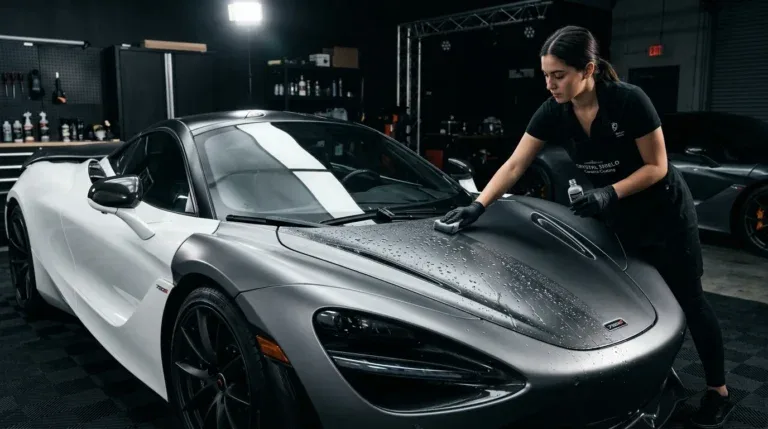
The Application Process: Key Steps for Success
Whether you're doing it yourself or just want to understand what a professional does, the core steps for a successful ceramic coating application on a wrap are critical.- Thorough Cleaning & Decontamination: This is the most crucial step. The vehicle must be impeccably clean. This means a full two-bucket wash with a pH-neutral car shampoo, followed by chemical decontamination (iron remover) and a thorough rinse. Any contaminants left on the wrap will be sealed under the coating.
- IPA Wipe-Down: After washing and drying, perform an IPA (isopropyl alcohol) wipe-down (a 1:1 ratio with distilled water is usually safe) on every panel. This removes any residual oils, waxes, or polishing compounds, ensuring the coating can properly bond to the bare vinyl.
- Application in Small Sections: Work on one small section at a time, typically a 2x2 foot area. Apply a few drops of the ceramic coating onto a microfiber applicator block or pad.
- Cross-Hatch Pattern: Apply the coating evenly in a cross-hatch pattern (horizontal passes, then vertical passes) to ensure complete coverage.
- Flash Time & Buffing: Allow the coating to "flash" (lightly haze up), which usually takes 30 seconds to 2 minutes depending on temperature and humidity. Then, immediately and gently buff off the excess residue using two separate clean, high-quality microfiber towels: one for the initial wipe and another for a final polish. Watch out for high spots – unevenly buffed areas that can leave streaks.
- Curing: This is vital. Keep the vehicle dry and out of direct sunlight for at least 12-24 hours after application to allow the coating to fully cure and harden. Avoid washing the vehicle for at least a week.