Walking into a shop to wrap a vehicle used to mean choosing between basic gloss black or a simple racing stripe. Today, advancements in vinyl manufacturing have turned the automotive aftermarket into an open canvas, letting enthusiasts transform ordinary daily drivers into jaw-dropping custom builds without touching a drop of paint. Whether you want to turn heads on the street, give a subtle facelift to your daily commuter, or promote a commercial fleet, selecting the right material and design makes all the difference between a head-turning finish and an expensive lesson in wrap failure.
Quick answer: The coolest car wraps leverage high-grade cast vinyl films like 3M 2080 or Avery SW900 to execute custom color shifts, satin textures, or bespoke printed graphics. Success depends on choosing a 2.5 to 3.5 mil cast film designed for deep channels and post-heating to ensure your finish lasts 5 to 7 years without lifting or fading.
Top Trends in Modern Car Wrap Aesthetics
The vinyl wrap market has shifted far beyond traditional paint replication. Enthusiasts today lean heavily into finishes that paint shops struggle to reproduce reliably or cost-effectively. Color-shifting flip films, often referred to as iridescent or pearlescent wraps, lead the pack in visual impact. Brands like KPMF and Hexis produce dual-tone films that transition seamlessly from deep violet to emerald green or frozen blue to gold depending on the viewing angle and natural sunlight.
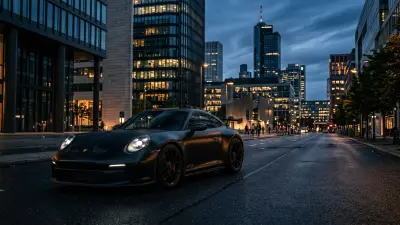
Satin and matte finishes remain extraordinarily popular, particularly in stealth colorways like Nardo Gray, Satin Frozen Dark Gray, and Satin Midnight Blue. Unlike gloss finishes that reflect light directly, satin films distribute light across the body lines of a car, emphasizing sharp design angles, cowl scoops, and rear diffusers. chrome deletes and partial wraps—such as wrapping a roof gloss black to simulate a panoramic glass panel—offer high-impact visual upgrades at a fraction of the cost of a full color change.
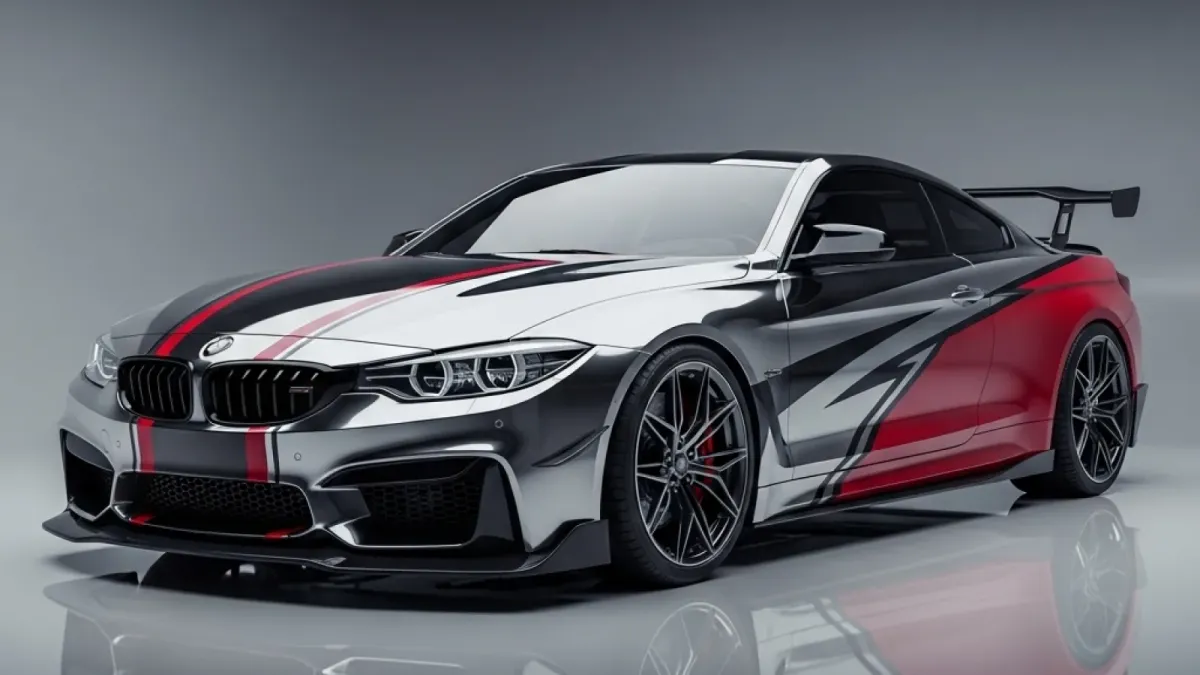
Texture-infused and printed graphic wraps represent the cutting edge of visual customization. Forged carbon fiber wraps, brushed aluminum finishes, and ultra-realistic anime or topographical map prints allow drivers to build completely unique themes. Utilizing advanced air-release tech in modern films, installers can lay down complex geometric patterns or custom artistic renders across difficult contours without distorting the underlying artwork.
Choosing the Right Color and Finish for Your Vehicle
Selecting the right color for your car requires balancing personal style with practical maintenance realities. While high-gloss metallic paints reproduce rich depth, dark gloss wraps show swirl marks and light surface scratches more easily than subtle satin or matte options. Choosing lighter tones such as Tiffany Blue, Satin White, or Nardo Gray hides ambient dust and light road grime exceptionally well between routine maintenance washes.
The structural lines of your vehicle should dictate the finish you select. Curved, muscle-heavy body styles like a Dodge Challenger or Ford Mustang look incredible in high-reflectivity metallic and color-shift wraps that follow the contours of wide fenders. Conversely, modern electric vehicles with sharper, minimalist geometry—like the Tesla Model Y or Cybertruck—benefit immensely from stealthy satin films or industrial brushed metals that highlight flat, aggressive panels.
If you are considering commercial graphics or daily fleet vehicles, high-contrast primary colors paired with clean logo placements always outperform crowded, overly busy designs. A well-designed commercial wrap uses high-visibility base colors to make brand text legibly pop from 50 feet away, turning an average delivery van or service truck into an effective, round-the-clock marketing asset.
Installer tip: When working with heavy directional films like brushed metal or carbon fiber, pay strict attention to the roll orientation markings on the backing paper. Laying one door panel with the grain running vertically and the adjacent panel horizontally ruins the wrap instantly under sunlight. Keep your wrap grain consistent across all adjacent panels.
Material Quality: Cast vs. Calendered Vinyl
Understanding film construction is vital before spending money on raw rolls or hiring a shop. Vinyl films are divided into two main categories: cast vinyl and calendered vinyl. Cast vinyl begins as a liquid poured onto a casting sheet, creating an extremely soft, stress-free film usually between 2.5 and 3.5 mils thick. It stretches over deep recesses, handles complex curves, and boasts a outdoor lifespan of 5 to 7 years. Calendered vinyl is extruded through heavy rollers; it is thicker (4 to 6 mils), stiffer, retains memory, and tends to shrink over time, making it suitable only for flat surfaces or short-term signage.
When protecting paint against heavy rock chips and road debris, standard vinyl wraps offer light scratch protection, but dedicated paint protection film (PPF) is the real heavy lifter. Measuring between 6 and 10 mils thick, polyurethane PPF is specifically engineered to absorb impacts. Fortunately, colored PPF options have recently hit the market, merging the protective benefits of clear bra with the visual customization of traditional color-change vinyl.
| Film Category | Thickness | Expected Lifespan | Best Application | Estimated Cost (Material) |
|---|---|---|---|---|
| Cast Vinyl Wrap (3M 2080, Avery SW900) | 2.5 - 3.5 mil | 5 - 7 Years | Full color changes, complex curves, deep recesses | $600 - $1,100 (Full Roll) |
| Calendered Vinyl (Intermediate) | 4.0 - 6.0 mil | 1 - 3 Years | Flat panels, short-term graphics, simple signs | $200 - $400 (Full Roll) |
| Color Protection Film (Colored PPF) | 6.5 - 10.0 mil | 7 - 10 Years | Maximum impact protection + complete color change | $2,500 - $4,000 (Full Roll) |
Design Planning, Preparation, and Professional Installation
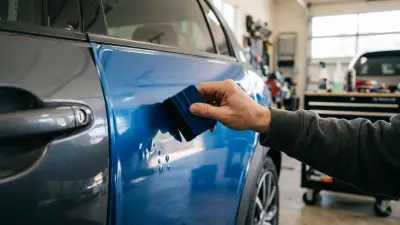
A flawless wrap job is 80% surface preparation and 20% skilled application. Before film ever touches paint, the vehicle must undergo a thorough decontamination wash, iron removal treatment, and isopropyl alcohol (IPA) wipedown inside door jambs, under rubber seals, and around panel edges. Any lingering road tar, wax residues, or ceramic coatings prevent the pressures-sensitive acrylic adhesive from bonding, leading to early edge lifting.
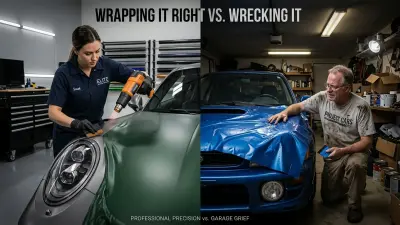
When applying premium cast vinyl, professional installers rely on specialized tools and precise heating protocols. A heat gun set between 100°F and 140°F warms the vinyl to make it pliable for stretching around rounded bumpers or mirrors. However, once the vinyl is laid into deep recesses, post-heating the film to its glass transition temperature—typically between 180°F and 200°F (82°C to 93°C)—is mandatory. Post-heating resets the vinyl's physical memory, killing its urge to pull back out of the channel later when sitting in the sun.
- Knifeless Tape: Avoids placing razor blades directly on clear coat by using an embedded filament line to slice clean seams.
- 3M Rivet & Channel Brushes: Used alongside controlled heat to set vinyl smoothly into deep body grooves without over-stretching the material.
- Squeegees with Felt Buffers: Prevents surface micro-scratches on delicate gloss and satin vinyl surfaces during initial glassing and tacking.
- Infrared Thermometers: Ensures panel surfaces reach exact post-heat temperatures needed to reset vinyl memory permanently.
Executing a full wrap on a medium sedan requires roughly 18 to 22 linear meters (approx. 50-65 feet) of standard 60-inch wide film. Professional installation costs for 2026 generally range between $3,200 and $5,500 for high-end cast vinyl color changes, whereas complex exotic builds or full-vehicle colored PPF jobs routinely exceed $7,000 depending on regional labor rates and prep requirements.
Maintaining Your Wrap for Long-Term Longevity
Proper maintenance dictates whether your vehicle wrap retains its fresh visual pop for five years or degrades prematurely under UV exposure. Hand washing using pH-neutral car shampoos is the absolute best method for maintaining vinyl finishes. High-pressure automatic car washes—especially those using stiff mechanical brushes—can catch loose vinyl edges, lift seams, or mar sensitive matte textures.
If you use a pressure washer, keep the spray nozzle at least 12 to 18 inches away from panel seams and maintain a spray angle perpendicular to the panel edge. High-pressure water blasted directly into an edge seam easily forces film separation, allowing moisture to compromise the adhesive layer underneath. Dedicated silica or ceramic sealants formulated specifically for vinyl wraps add high hydrophobic properties, making bug splatter and bird droppings far easier to wash off before they stain light-colored films.
To maximize your investment, select a premium cast film like Avery SW900 or 3M 2080, thoroughly clean and decontaminate your paint surfaces before installation, and protect your wrapped vehicle under cover or apply a wrap-safe ceramic coating to shield against intense UV breakdown.
Frequently Asked Questions
Can a vinyl wrap damage my vehicle's original factory paint?
No, provided the factory paint is in good structural condition and undamaged prior to installation. High-quality cast vinyl wraps protect OEM clear coats from mild UV exposure and minor road contamination. However, applying vinyl over damaged, repainted, or flaking clear coat can pull loose paint during removal.
How long does a professional car wrap take to install?
A full color-change wrap typically takes a professional shop 3 to 5 business days. This timeframe accounts for meticulous vehicle strip-down (removing door handles, taillights, and badging), surface decontamination, glassing, post-heating all recessed edges, and reassembly.
Can you wash a wrapped car at a commercial drive-through car wash?
You should completely avoid touch-based automatic car washes with spinning brushes, as they scratch vinyl and lift edges. Touchless car washes are acceptable in a pinch, provided they do not use harsh acid-based soaps or ultra-high pressure sprayers directed close to wrap edges.