When it comes to giving your vehicle a fresh new look or protecting its original paint, a full car wrap is an excellent option. With endless color and finish options available, it's no wonder why car enthusiasts and owners are drawn to this form of customization. However, one of the most pressing questions on everyone's mind is, "How much does a full car wrap cost?" As a seasoned wrap expert with over 15 years of experience, I'm here to provide you with a comprehensive guide to help you understand the factors that influence the cost of a full car wrap in 2025.
Understanding the Factors that Influence Full Car Wrap Costs
To give you an accurate estimate, it's essential to consider several factors that can impact the cost of a full car wrap. These include the size and complexity of your vehicle, the type and finish of the material used, the expertise and location of the installer, the condition and preparation of your vehicle, and any additional services or features you may want. Let's break down each of these factors in more detail to help you make an informed decision.
Vehicle Size and Complexity
The size and complexity of your vehicle play a significant role in determining the cost of a full car wrap. Smaller vehicles, such as the Honda Civic or Tesla Model 3, require less material and labor, making them more affordable to wrap. Mid-size sedans and small SUVs, like the Tesla Model Y or BMW 3 Series, are a common sweet spot, needing more material than small cars but less than trucks. Large SUVs and trucks, such as the Ford F-150 Crew Cab or Cadillac Escalade, demand significantly more material and hours due to their sheer surface area and intricate body lines. For instance, wrapping a Ford F-150 crew cab typically requires 18-22 linear meters of 60-inch film.
Complex designs, such as vehicles with lots of curves, deep recesses, or intricate panels, take more time and skill to wrap perfectly. This can increase the cost of the wrap, as it requires more expertise and labor to ensure a flawless finish. As a wrap expert, I've seen firsthand how a well-designed wrap can elevate the look of a vehicle, but it's essential to consider the added cost and complexity of the design.
Material Type and Finish: A Key Cost Driver
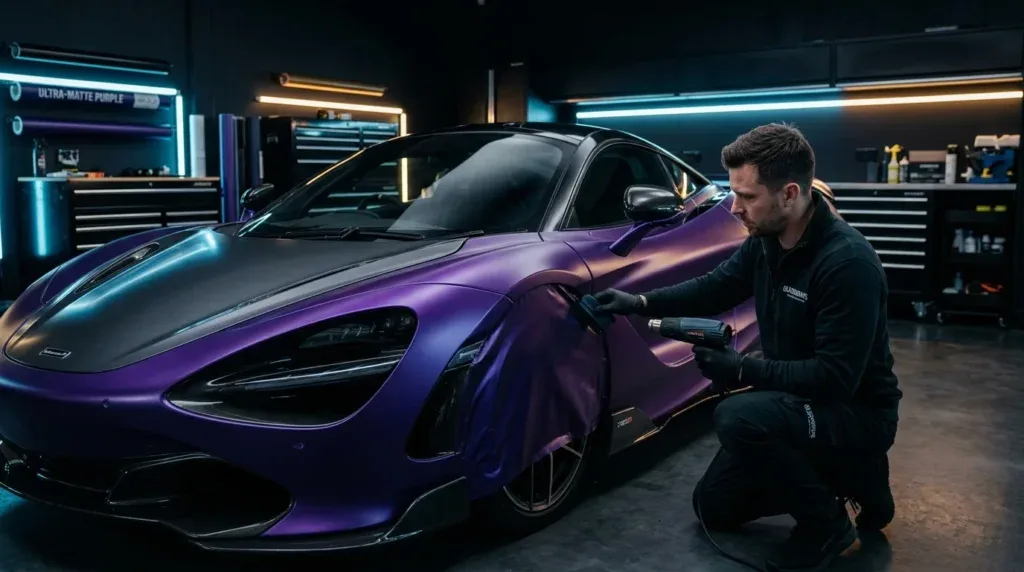
The type and finish of the material used for your full car wrap are arguably the biggest cost drivers. You get what you pay for, and premium materials like cast vinyl offer unparalleled durability and conformability. Standard cast vinyl, such as 3M 2080 or Avery Supreme Wrapping Film, is the go-to choice for high-quality color changes. It's available in gloss, matte, satin, and metallic finishes, with a typical thickness ranging from 2.5-3 mil. This is your best bet for a long-lasting, high-quality wrap.
Specialty Finishes and Paint Protection Film
Specialty finishes, such as chrome, color-shift, textured, or iridescent films, are more expensive due to their unique manufacturing processes and often more challenging installation. These finishes can add a unique touch to your vehicle, but they come at a higher cost. paint protection film (PPF), on the other hand, is a clear, durable film that protects your paint from chips, scratches, and road debris. It's significantly thicker and more expensive than color change vinyl, with a typical thickness of 4-5 mil. PPF is a great option for those who want to protect their vehicle's paint without changing its color.
calendered vinyl, while more affordable, is better suited for flat surfaces like fleet graphics or short-term advertising. It's not recommended for full vehicle wraps due to its tendency to shrink and lift on complex curves, making it a poor choice for longevity and aesthetics. As a wrap expert, I've seen many cases where calendered vinyl has been used for full vehicle wraps, only to result in a poor finish and shortened lifespan.
Installer Expertise and Location: The Human Factor
A reputable shop with experienced installers will charge more, and for good reason. Their skill minimizes mistakes, ensures longevity, and guarantees a flawless finish. Shop rates also vary by geographical location, with big city shops often having higher overheads. When choosing an installer, it's essential to consider their expertise and location to ensure you get a high-quality wrap that meets your expectations.
Vehicle Condition and Prep Work: The Foundation of a Great Wrap
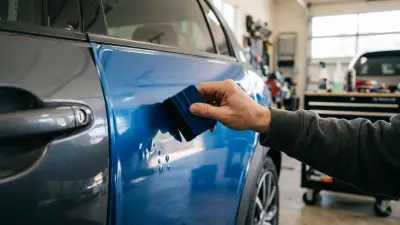
Your vehicle needs to be meticulously clean and free of imperfections before wrapping. Any existing dents, deep scratches, or peeling clear coat will show through the wrap, compromising its appearance and longevity. Extensive paint correction or bodywork needed before wrapping will add to the overall cost. As a wrap expert, I always stress the importance of proper vehicle preparation to my clients, as it's the foundation of a great wrap.
Additional services, such as door jamb wrapping, chrome deletes, or interior trim wrapping, can also add to the labor and material costs. ceramic coatings over the wrap are another common add-on, providing an extra layer of protection and shine. It's essential to consider these additional services when budgeting for your full car wrap, as they can enhance the overall look and durability of the wrap.
2025-2026 Full Car Wrap Cost Breakdown: What to Expect
Based on current market trends and prices, here's a realistic range you can expect for a high-quality, professionally installed full wrap using premium cast vinyl in 2025-2026: Small cars, such as the Honda Civic or Tesla Model 3, can cost between $2,800 and $4,500 for a standard gloss, matte, or satin cast vinyl wrap. Mid-size sedans and small SUVs, like the Tesla Model Y or BMW 3 Series, can cost between $3,500 and $6,000 for a standard wrap. Large SUVs and trucks, such as the Ford F-150 Crew Cab or Cadillac Escalade, can cost between $4,500 and $8,000 or more for a standard wrap.
Specialty finishes, such as chrome or color-shift, can add significant cost to the wrap, with prices ranging from $4,500 to $10,000 or more, depending on the vehicle size and complexity. paint protection film (PPF) is another option, with prices ranging from $5,000 to $10,000 or more, depending on the film brand and vehicle size. As a wrap expert, I've seen many clients opt for PPF as a way to protect their vehicle's paint without changing its color, and it's a great option for those who want to maintain their vehicle's original look.
DIY vs. Professional Installation: Weighing the Risks and Benefits
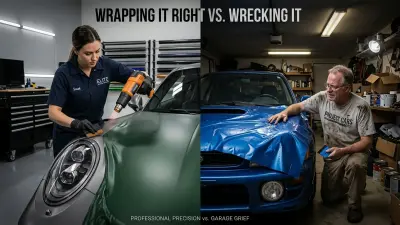
While DIY installation might seem like a way to save money, it comes with significant risks. A full wrap requires specialized tools, a clean environment, and extensive experience to ensure a flawless finish. Common beginner mistakes, such as bubbles, lifting edges, contamination, and improper stretching, can lead to a poor-quality wrap that requires costly repairs or replacement. As a wrap expert, I've seen many DIY attempts go wrong, and it's essential to weigh the risks and benefits before deciding on a DIY installation.
Professional installation, on the other hand, ensures a high-quality wrap that meets your expectations. With the right expertise and equipment, a professional installer can guarantee a flawless finish that will last for years to come. While it may cost more upfront, professional installation can save you money in the long run by avoiding costly repairs and ensuring a wrap that will last.