



Introduction to Car Wraps and Their Costs
A full car wrap is a significant investment for any vehicle owner, offering a unique way to transform the appearance of your car, truck, or motorcycle while protecting its original paint. As a professional car wrap expert with over 15 years of experience, I’ve seen the industry evolve, with advancements in materials, techniques, and pricing. If you’re considering a full car wrap, one of the first questions you likely have is, “How much does it cost?” The answer isn’t straightforward, as several factors influence the final price. Let’s delve into the world of car wraps, exploring what affects their cost and how you can make an informed decision.
Table Of Content
- Introduction to Car Wraps and Their Costs
- Factors Influencing the Cost of a Full Car Wrap
- Vehicle Size and Complexity
- Material Choice and Its Impact on Cost
- Cast Vinyl vs. Calendered Vinyl
- Installation Techniques and Labor Costs
- The Importance of Professional Installation
- Maintenance and Removal Considerations
- Extending the Life of Your Car Wrap
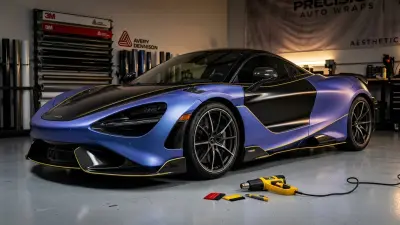
Think of a car wrap like a custom-tailored suit – it’s designed to fit your vehicle perfectly, showcasing your personal style. The complexity of the design, the type of material used, and the size of your vehicle all play a role in determining the cost. For instance, a small coupe will generally be less expensive to wrap than a large SUV or truck, due to the differences in surface area and the intricacy of the design.
To give you a better understanding, let’s consider a real-world example. A full wrap on a 2024 Tesla Model Y can cost anywhere from $4,200 to $5,800, depending on the finish and the installer. This price range reflects the complexity of the vehicle’s design, the quality of the materials used, and the labor involved in the installation process.
Factors Influencing the Cost of a Full Car Wrap
Vehicle Size and Complexity
The size and complexity of your vehicle are significant factors in determining the cost of a full car wrap. Larger vehicles, such as trucks and SUVs, require more material and labor to wrap, increasing the overall cost. Additionally, vehicles with intricate body lines, curves, and hard-to-reach areas (like deep bumpers or spoilers) demand more time and expertise from the installer, further impacting the price.
For example, wrapping a Ford F-150 crew cab requires approximately 18-22 linear meters of 60-inch film, depending on the design and the installer’s technique. This amount of material, combined with the labor required to apply it, contributes to the overall cost of the wrap. In contrast, a smaller vehicle like a Honda Civic would require less material and labor, resulting in a lower cost.
When considering the cost of a full car wrap, it’s essential to factor in the specific needs of your vehicle. This includes the size, complexity, and any unique features that may affect the installation process.
Material Choice and Its Impact on Cost
Cast Vinyl vs. Calendered Vinyl
The type of material used for your car wrap is another crucial factor in determining the cost. There are two primary types of vinyl used for car wraps: cast vinyl and calendered vinyl. Cast vinyl, also known as premium vinyl, is a heat-activated film that conforms to complex curves without shrinking back. It’s the preferred choice for most vehicle wraps due to its durability and flexibility. calendered vinyl, on the other hand, is a more affordable, stiffer film better suited for flat surfaces or less complex designs.
Cast vinyl, such as 3M’s 2080 or Avery’s Supreme Wrapping Film, offers superior quality and longevity but comes at a higher cost. For instance, a 2.5-3 mil cast vinyl can range from $1.50 to $3.00 per square foot, depending on the brand and quality. In contrast, calendered vinyl might be priced lower, around $0.50 to $1.50 per square foot, but it may not provide the same level of durability or aesthetic appeal.
When choosing the material for your car wrap, consider the trade-offs between cost, quality, and longevity. While calendered vinyl may be more budget-friendly, it might not offer the same level of protection or visual impact as cast vinyl.
Installation Techniques and Labor Costs
The Importance of Professional Installation
The labor cost associated with installing a full car wrap is a significant component of the overall price. Professional installers bring expertise and experience to the table, ensuring that your wrap is applied correctly and will last for years to come. The cost of labor can vary depending on the installer’s level of experience, the complexity of the design, and the location.
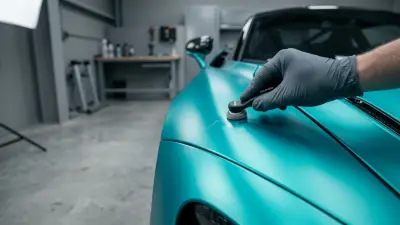
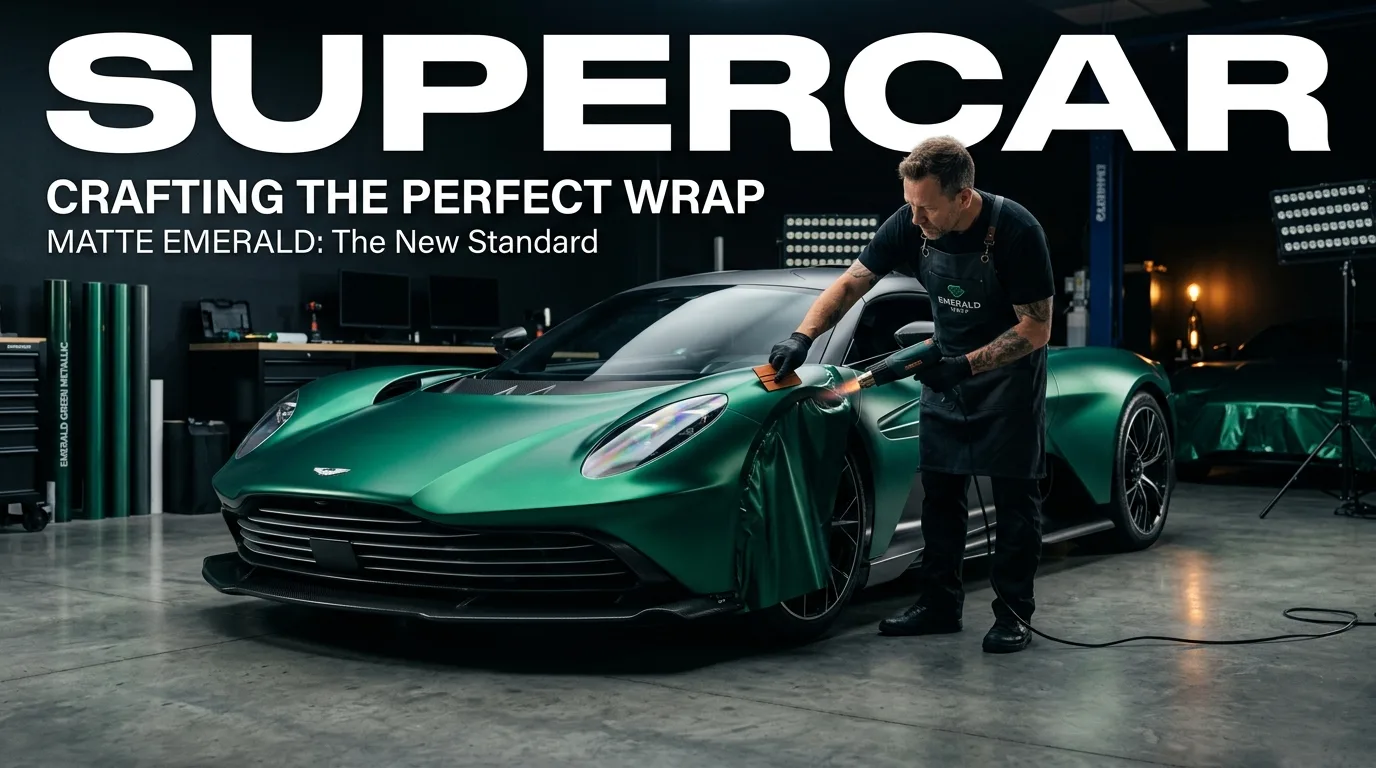
A professional installer will use specialized tools, such as a heat gun, squeegee, and knifeless tape, to apply the wrap. They will also employ techniques like post-heating and edge sealing to ensure a smooth, bubble-free finish. The cost of these tools and the installer’s time is factored into the overall labor cost, which can range from $2,000 to $5,000 or more, depending on the vehicle and the design.
To give you a better idea, let’s consider the cost breakdown for a full car wrap. The material cost might account for around 30-40% of the total price, while labor costs could make up 60-70%. This highlights the importance of choosing a reputable and experienced installer to ensure that your wrap is applied correctly and will provide the desired results.
Maintenance and Removal Considerations
Extending the Life of Your Car Wrap
Once your car wrap is installed, it’s essential to maintain it properly to extend its lifespan. Regular washing, avoiding high-pressure washes, and using a mild detergent can help keep your wrap looking its best. Additionally, applying a ceramic coating or wax can provide an extra layer of protection against the elements.
When it’s time to remove your car wrap, it’s crucial to do so carefully to avoid damaging the underlying paint. A professional installer can use specialized tools and techniques to remove the wrap without causing damage. The cost of removal can range from $500 to $2,000, depending on the size of the vehicle and the complexity of the design.
In conclusion, the cost of a full car wrap in 2025 is influenced by a variety of factors, including vehicle size and complexity, material choice, installation techniques, and labor costs. By understanding these factors and choosing a reputable installer, you can make an informed decision and enjoy a high-quality car wrap that transforms the appearance of your vehicle and protects its original paint.