


Introduction to Car Wrap Mistakes
As a car enthusiast, you’re probably no stranger to the world of car wraps. Whether you’re a seasoned DIYer or a professional installer, car wraps can be a great way to give your vehicle a unique and personalized look. However, even with the best intentions, mistakes can happen. Air bubbles, lifting edges, and shrinkage are just a few common issues that can ruin the appearance of your car wrap. But don’t worry, with the right techniques and tools, you can fix these mistakes and achieve a professional-looking wrap.
Table Of Content
According to a recent survey, over 70% of car wrap installations experience some kind of issue, with air bubbles being the most common problem. But what causes these mistakes, and how can you prevent them? In this article, we’ll take a closer look at the most common car wrap mistakes, and provide you with practical tips and techniques for fixing them.
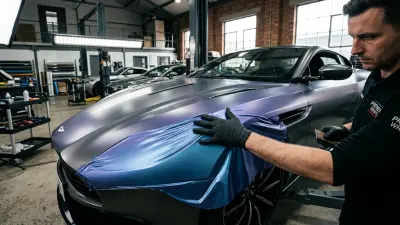
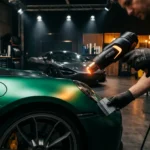
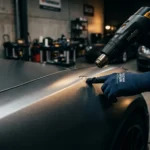
Before we dive into the fixing process, let’s take a look at a real-world example. A few years ago, I worked on a car wrap project for a local business. The owner had chosen a beautiful matte black finish, but during the installation process, a few air bubbles had formed on the hood of the car. To fix the issue, I used a heat gun to apply heat to the affected area, and then used a needle to create a small hole in the center of the bubble. I then used a squeegee to push the air out and smooth the wrap. The result was a flawless finish that looked like it had been applied by a professional.
Identifying Common Car Wrap Mistakes
Air Bubbles and Blisters
Air bubbles and blisters are one of the most common car wrap mistakes. They can occur when air becomes trapped between the wrap and the surface of the vehicle, causing the wrap to bubble up. To prevent air bubbles, it’s essential to ensure that the surface of the vehicle is clean and dry before applying the wrap. You should also use a high-quality cast vinyl film, such as 3M 2080 or Avery Supreme Wrapping Film, which is designed to conform to complex curves without shrinking back.
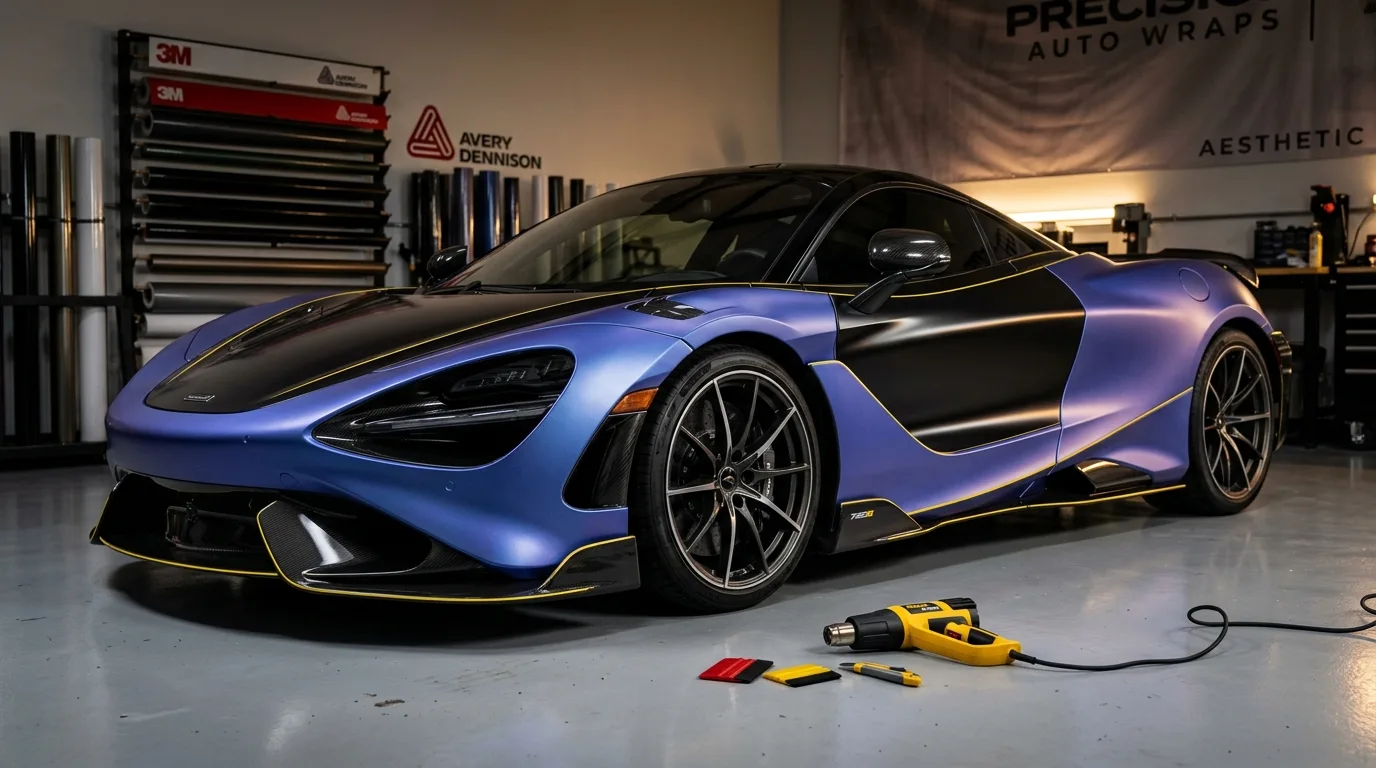
But what if you’ve already applied the wrap and air bubbles have formed? Don’t worry, they can be fixed. To fix air bubbles, you’ll need a heat gun or hair dryer, a needle or pin, and a squeegee or credit card. Simply apply heat to the affected area, then use the needle or pin to create a small hole in the center of the bubble. Use the squeegee or credit card to push the air out and smooth the wrap.
For example, let’s say you’re wrapping a 2024 Tesla Model Y, and you notice that an air bubble has formed on the hood of the car. To fix the issue, you would apply heat to the affected area using a heat gun, and then use a needle to create a small hole in the center of the bubble. You would then use a squeegee to push the air out and smooth the wrap, making sure to apply even pressure to avoid creating more air bubbles.
Preventing Lifting Edges and Corners
Using the Right Techniques and Tools
Lifting edges and corners can be prevented by using the right techniques and tools during installation. Make sure to use a high-quality cast vinyl film, such as 3M 2080 or Avery Supreme Wrapping Film, and apply the wrap in a clean and dry environment. You should also use a squeegee or brush to apply even pressure and prevent air bubbles, and apply heat to the edges and corners to seal the wrap.
But what if you’re not sure which tool to use? A squeegee is a great tool for applying even pressure and preventing air bubbles, but it can be tricky to use on complex curves. In this case, a brush can be a better option. A brush allows you to apply more precise pressure and control, making it easier to wrap complex curves and prevent air bubbles.
For example, let’s say you’re wrapping a Ford F-150 crew cab, and you need to wrap the complex curves of the truck’s bed. To do this, you would use a brush to apply the wrap, making sure to apply even pressure and control to prevent air bubbles. You would then use a squeegee to smooth out the wrap and apply heat to the edges and corners to seal the wrap.
Maintaining Your Car Wrap
Washing and Waxing
To ensure your car wrap lasts for 5-7+ years, it’s essential to maintain it properly. This includes washing the wrap regularly with a mild soap and water, and avoiding wax and other chemicals that can damage the wrap. You should also apply a ceramic coating to protect the wrap from contaminants, and avoid extreme temperatures and direct sunlight.
But what’s the best way to wash your car wrap? The key is to use a mild soap and water, and to avoid using high-pressure washes or abrasive materials that can damage the wrap. You should also avoid using wax or other chemicals that can damage the wrap, and instead use a ceramic coating to protect the wrap from contaminants.
For example, let’s say you’ve just applied a new car wrap to your vehicle, and you want to make sure it lasts for as long as possible. To do this, you would wash the wrap regularly with a mild soap and water, and apply a ceramic coating to protect the wrap from contaminants. You would also avoid using wax or other chemicals that can damage the wrap, and make sure to park your vehicle in a shaded area to avoid direct sunlight.
Conclusion and Next Steps
Fixing car wrap mistakes requires patience, the right techniques, and the right tools. By following the tips and techniques outlined in this article, you can fix common issues such as air bubbles and lifting edges, and ensure your vehicle looks its best. Remember to maintain your car wrap properly to extend its life and keep it looking sharp.
So what’s the next step? If you’re a DIY enthusiast, you can start by practicing your wrapping skills on a small project, such as a motorcycle or a car’s hood. If you’re a professional installer, you can use the tips and techniques outlined in this article to improve your skills and provide better results for your clients.
Ultimately, the key to fixing car wrap mistakes is to be patient, persistent, and willing to learn. With the right techniques and tools, you can achieve a professional-looking wrap that will make your vehicle stand out from the crowd. So don’t be afraid to experiment, try new things, and learn from your mistakes. With time and practice, you’ll become a master car wrapper, and your vehicle will look amazing.