



Introduction to Vehicle Wrap Films
Imagine this situation: you’ve finally decided to give your vehicle a fresh, new look with a vinyl wrap, but you’re overwhelmed by the numerous options available. With so many types of films to choose from, it can be daunting to select the right one for your needs. As a seasoned wrap expert, I’ve seen many vehicle owners struggle with this decision. In my opinion, choosing the right film is crucial to ensuring a successful wrap that will last for years to come.
Table Of Content
So, what are the key factors to consider when selecting a vehicle wrap film? Cast vinyl and calendered vinyl are the two primary types of films used in the industry. Cast vinyl is a premium, heat-activated film that conforms to complex curves without shrinking back, making it ideal for vehicles with intricate designs. On the other hand, calendered vinyl is a more affordable, stiffer film better suited for flat surfaces.
Let me add something here: the choice between cast and calendered vinyl ultimately depends on your specific needs and budget. For example, if you’re looking to wrap a fleet of company vehicles with a simple, solid color design, calendered vinyl might be the way to go. However, if you want a high-end, glossy finish with intricate designs, cast vinyl is the better option.
Understanding Film Types and Thicknesses
Cast Vinyl Films
Cast vinyl films, such as 3M 2080/1080 series or Avery Supreme Wrapping Film, are the most popular choice among vehicle owners. These films offer a wide range of benefits, including flexibility, durability, and a high-gloss finish. They are available in various thicknesses, ranging from 2.5 to 3.5 mil, which affects their conformability and longevity.
For instance, a 2.5-mil cast vinyl film is ideal for vehicles with simple, smooth surfaces, while a 3.5-mil film is better suited for vehicles with complex curves and contours. But what would you do in this situation: you have a vehicle with a mix of smooth and complex surfaces? In my experience, it’s best to opt for a mid-range thickness, such as 3 mil, to ensure a balance between conformability and durability.
To be fair, cast vinyl films can be more expensive than calendered vinyl films, but their benefits far outweigh the costs. With proper installation and maintenance, a cast vinyl wrap can last for 5-7 years or more, making it a worthwhile investment for vehicle owners who want a high-quality, long-lasting finish.
Calendered Vinyl Films and Other Options
Calendered Vinyl Films
Calendered vinyl films, such as Oracal 970RA or Hexis, are a more affordable alternative to cast vinyl films. They are better suited for flat surfaces and offer a more limited range of colors and finishes. However, they are still a popular choice among vehicle owners who want a simple, solid color design.
Let’s consider an example: you want to wrap a company van with a simple, white design. In this case, a calendered vinyl film might be the best option, as it’s more affordable and easier to install. However, if you want a more complex design or a high-gloss finish, cast vinyl is still the better choice.
Honestly, the choice between cast and calendered vinyl ultimately depends on your specific needs and budget. It’s essential to weigh the pros and cons of each option and consider factors such as durability, conformability, and cost.
Installation and Maintenance Considerations
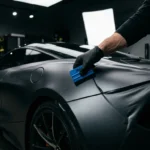
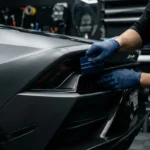
Once you’ve selected the right film for your vehicle, it’s essential to consider installation and maintenance. A proper installation is crucial to ensuring a successful wrap that will last for years to come. This includes preparing the vehicle surface, applying the film, and post-heating the wrap to ensure a strong bond.
For instance, 3M rivet brush and heat gun settings are essential tools for a successful installation. A rivet brush helps to remove air bubbles and excess film, while a heat gun ensures a strong bond between the film and the vehicle surface.
To maintain your wrap and extend its lifespan, it’s essential to follow a regular maintenance schedule. This includes washing the vehicle regularly, avoiding harsh chemicals, and applying a ceramic coating to protect the film from the elements.
Conclusion and Final Tips
In conclusion, choosing the right vehicle wrap film is a critical decision that can make or break the success of your wrap. By considering factors such as film type, thickness, and installation, you can ensure a high-quality, long-lasting finish that will protect your vehicle and enhance its appearance.
So, what’s the next step? Take your time to research and compare different films, and don’t hesitate to consult with a professional if you’re unsure. Remember, a successful wrap is not just about the film itself, but also about the installation and maintenance. With the right film and proper care, your vehicle will look sharp and protected for years to come.