The Ultimate Guide to Vehicle Wrap Materials
Introduction to Vehicle Wrap Materials
When it comes to customizing your vehicle, the right wrap material can make all the difference. With so many options available, it can be overwhelming to choose the best one for your needs. As a seasoned wrap expert, I’ve seen my fair share of materials come and go, but some have stood the test of time. In my opinion, understanding the different types of vehicle wrap materials is crucial to achieving a professional-looking finish. Let’s start with the basics: cast vinyl and calendered vinyl.
Table Of Content
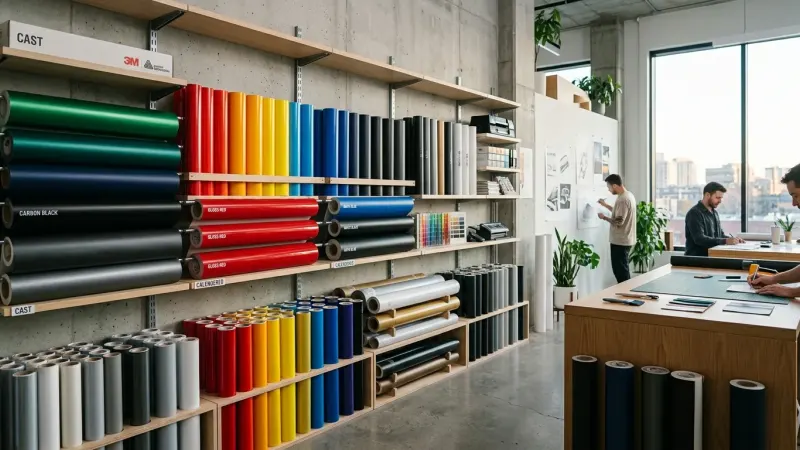
Cast vinyl, also known as premium vinyl, is a heat-activated film that conforms to complex curves without shrinking back. It’s the go-to choice for most wrap installers due to its durability and flexibility. On the other hand, calendered vinyl is a more affordable, stiffer film better suited for flat surfaces. While it may not be as versatile as cast vinyl, it’s still a popular choice for those on a budget.
For example, imagine you’re wrapping a 2024 Tesla Model Y. You’d want to use a high-quality cast vinyl to ensure a smooth, seamless finish. But what would you do if you’re working with a tighter budget? That’s where calendered vinyl comes in – it may not be the best choice for a full wrap, but it’s perfect for accents or decals.
Types of Vehicle Wrap Materials
Cast Vinyl
Cast vinyl is available in various thicknesses, ranging from 2.5 to 3.5 mil. The most popular brands, such as 3M 2080/1080 series and Avery Supreme Wrapping Film, offer a wide range of colors and finishes. When choosing a cast vinyl, consider the following factors: durability, conformability, and ease of installation. A good cast vinyl should be able to withstand the elements and maintain its appearance over time.
In my experience, Oracal 970RA is a top-notch cast vinyl that offers excellent conformability and durability. It’s a bit pricier than other options, but the results are well worth it. Another popular choice is Hexis, which offers a wide range of colors and finishes at an affordable price point.
When working with cast vinyl, it’s essential to follow the manufacturer’s instructions for installation and maintenance. This includes using the right tools, such as a knifeless tape and a heat gun, to ensure a smooth, bubble-free finish.
Calendered Vinyl and Other Options
Calendered Vinyl
Calendered vinyl, as mentioned earlier, is a more affordable option for flat surfaces. It’s available in various thicknesses, ranging from 4 to 5 mil, and is often used for signage and decals. While it may not be as durable as cast vinyl, it’s still a great choice for those on a budget. Popular brands, such as Arlon, offer a range of calendered vinyl options that are easy to install and maintain.
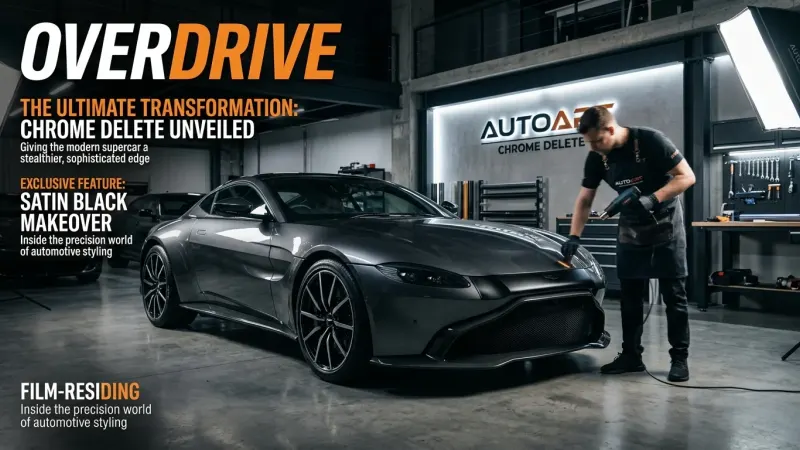
Another option to consider is PPF (Paint Protection Film), which offers superior protection against scratches and fading. It’s a bit more expensive than cast vinyl, but it’s well worth the investment for those who want to keep their vehicle’s paint looking like new. Chrome deletes are also a popular choice for those who want to give their vehicle a sleek, matte finish.
But what would you do if you’re not sure which material to choose? Honestly, it’s always best to consult with a professional wrap installer who can assess your vehicle and recommend the best material for your needs.
Maintenance and Removal
Once you’ve installed your vehicle wrap, it’s essential to follow a regular maintenance schedule to ensure it lasts as long as possible. This includes washing your vehicle regularly, avoiding harsh chemicals, and applying a ceramic coating to protect the wrap from the elements. It’s also crucial to avoid using high-pressure washes or abrasive materials that can damage the wrap.
When it’s time to remove the wrap, it’s essential to use the right techniques and tools to avoid damaging the paint. A heat gun and a wrapping tool can help loosen the adhesive and remove the wrap safely. It’s also important to clean the surface thoroughly after removal to prevent any residue or damage.
To be fair, removing a vehicle wrap can be a bit tricky, but with the right techniques and tools, it’s a breeze. Let me add something here: it’s always best to consult with a professional wrap installer if you’re not sure how to remove the wrap safely.
Conclusion
In conclusion, choosing the right vehicle wrap material can be a daunting task, but with the right knowledge and expertise, you can achieve a professional-looking finish that will last for years to come. By understanding the different types of vehicle wrap materials, including cast vinyl, calendered vinyl, and PPF, you can make an informed decision that suits your needs and budget. Remember to always follow the manufacturer’s instructions for installation and maintenance, and don’t hesitate to consult with a professional wrap installer if you’re unsure about anything.
So, what are you waiting for? Get out there and start wrapping your vehicle with confidence! With the right material and techniques, you can achieve a stunning finish that will turn heads on the road. Visit Car Wrap Info for more tips, tricks, and expert advice on vehicle wrap materials and installation.