



Introduction to Vehicle Wrap Removal
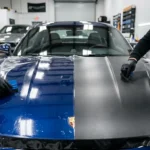
Removing a vehicle wrap can be a daunting task, especially for those who are new to the process. But what would you do in this situation: you’ve had a wrap on your car for a few years, and it’s starting to show signs of wear and tear? The edges are lifting, and the vinyl is cracking. It’s time to remove the wrap and restore your car’s original paint job. Honestly, I’ve seen many people struggle with wrap removal, and it’s often due to a lack of knowledge and preparation.
Table Of Content
In my opinion, the key to a successful wrap removal is to take your time and follow the right steps. It’s not just a matter of peeling off the vinyl; you need to consider the type of wrap, the condition of the paint, and the tools you’ll need to use. Based on my experience, I’ll guide you through the process of safely removing a vehicle wrap, so you can avoid damaging your car’s paint and get a smooth finish.
For example, imagine this situation: you’re trying to remove a wrap from a car that’s been parked outside for years. The sun has caused the vinyl to become brittle, and it’s starting to crack. You’ll need to use a combination of heat and specialized tools to remove the wrap without damaging the paint. Let me add something here: it’s essential to choose the right removal tools and techniques to avoid scratching or tearing the paint.
Preparing for Wrap Removal
Assessing the Wrap and Paint Condition
Before you start removing the wrap, you need to assess the condition of the vinyl and the paint. Check for any signs of damage, such as cracks, tears, or lifting edges. Also, inspect the paint for any scratches or fading. This will help you determine the best approach for removal and whether you’ll need to use any specialized tools or techniques.
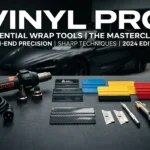
So far, we’ve covered the importance of preparation. Now, let’s get to the really critical point: choosing the right removal tools. You’ll need a combination of heat guns, removal sprays, and scraping tools to safely remove the wrap. I believe it’s essential to invest in high-quality tools, as they will make the process much easier and reduce the risk of damage.
Some popular removal tools include heat guns, knifeless tape, and 3M rivet brushes. These tools will help you to safely remove the wrap without damaging the paint. To be fair, the cost of these tools may seem high, but they’re a worthwhile investment if you want to avoid damaging your car’s paint.
The Removal Process
Step-by-Step Guide
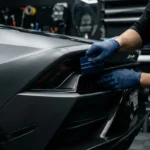
Now that you’ve prepared your tools and assessed the wrap and paint condition, it’s time to start the removal process. Here’s a step-by-step guide to help you safely remove the wrap:
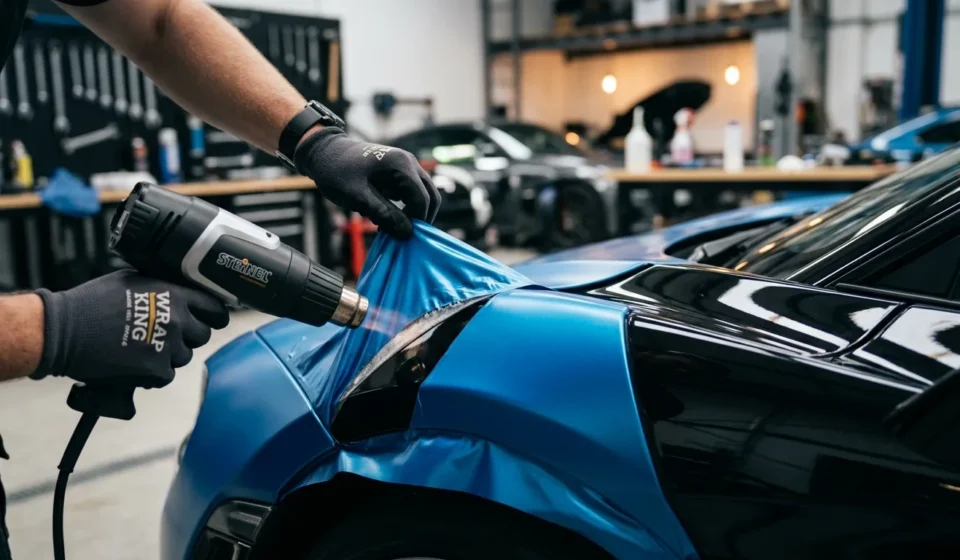
- Apply heat to the wrap using a heat gun, starting at a low temperature (around 200°F) and gradually increasing the heat as needed.
- Use a removal spray to help loosen the adhesive and make the removal process easier.
- Use a scraping tool or a credit card to gently pry the wrap away from the paint, working from one edge and moving across the vehicle.
- Use a knifeless tape to remove any remaining adhesive or wrap fragments.
But what would you do in this situation: the wrap is not coming off easily, and you’re starting to feel frustrated? Honestly, it’s essential to stay calm and patient. Take a break, and come back to the removal process when you’re feeling more relaxed. Based on my experience, I can tell you that removing a wrap can be a time-consuming process, but it’s worth taking your time to avoid damaging the paint.
Maintenance and Follow-Up
After you’ve removed the wrap, it’s essential to inspect the paint for any damage or imperfections. If you notice any scratches or fading, you may need to touch up the paint or apply a new coat of clear coat. I believe it’s also a good idea to apply a paint protection film (PPF) to protect the paint from future damage.
In my opinion, regular maintenance is key to keeping your car’s paint looking its best. This includes washing the car regularly, avoiding harsh chemicals, and applying a coat of wax or ceramic coating to protect the paint. By following these tips, you can keep your car’s paint looking sharp and protected for years to come.
Let me add something here: it’s also important to consider the cost of removal and maintenance. While it may seem expensive to hire a professional to remove the wrap, it’s often a worthwhile investment to avoid damaging the paint. Additionally, applying a PPF or ceramic coating can help to protect the paint and reduce the need for future maintenance.
Conclusion and Final Thoughts
Removing a vehicle wrap can be a challenging process, but with the right tools and techniques, you can safely remove the wrap without damaging the paint. By following the steps outlined in this guide, you can ensure a successful removal process and keep your car’s paint looking its best.
To be fair, removing a wrap is not a task for the faint of heart. It requires patience, skill, and attention to detail. But with practice and experience, you can become proficient in wrap removal and maintenance. Honestly, I believe that with the right knowledge and tools, anyone can safely remove a vehicle wrap and keep their car’s paint looking sharp and protected.
So, what are you waiting for? Start your wrap removal journey today, and discover the satisfaction of restoring your car’s original paint job. With the right guidance and expertise, you can achieve a smooth, damage-free removal process and keep your car looking its best for years to come.