


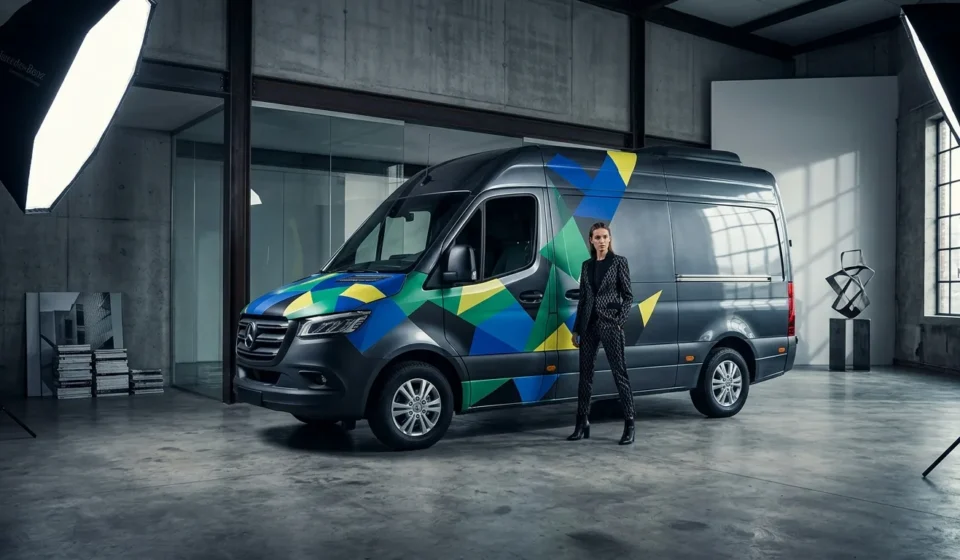

Ever driven past a plain white work van and then, moments later, seen a vibrant, branded vehicle from a competitor? Which one caught your eye? Which one left a lasting impression? That’s the power of a commercial vehicle wrap. It’s not just about aesthetics; it’s about turning your fleet into a round-the-clock marketing machine, reaching thousands of potential customers daily without paying for ad space.
Table Of Content
- Understanding Your Business Needs and Goals
- What’s Your Message and Audience?
- How Long Do You Need It To Last?
- Budgeting for Your Rolling Billboard
- Navigating the World of Commercial Wrap Materials
- Full Wraps vs. Partial Wraps vs. Decals
- The Right Vinyl for the Job: Cast vs. Calendered
- Laminates: The Unsung Hero of Durability
- Design Principles for Impactful Commercial Wraps
- Less is More: Clarity and Readability
- Branding Consistency Across Your Fleet
- Working with a Designer: The Pro Difference
- Installation, Maintenance, and Longevity for Your Business Wrap
- The Importance of Professional Installation
- Keeping Your Wrap Looking Sharp
- Expected Lifespan and Removal
But choosing the right wrap for your business isn’t as simple as picking a color. It’s a strategic decision involving materials, design, budget, and longevity. As someone who’s seen countless businesses transform their image on the road over the last 15 years, I can tell you that getting it right makes all the difference. Let’s dive into how you can make your company vehicles work harder for you.
Understanding Your Business Needs and Goals
Before you even think about colors or logos, you need to clarify what you want your wrap to achieve. This step is critical because it dictates everything from the type of material you’ll use to the complexity of your design. Honestly, skipping this is like building a house without blueprints – you’re just asking for trouble down the line.
What’s Your Message and Audience?
Who are you trying to reach, and what do you want them to do? Are you a plumbing service needing immediate calls? A landscaper showcasing your work? Or a tech company reinforcing brand professionalism? Your message should be clear, concise, and actionable. Think about what information is absolutely essential: your company name, logo, website, and a phone number. Less is often more when someone is driving by at 45 mph.
Imagine this situation: You’re a local bakery trying to attract new customers. Your delivery van is your primary moving billboard. Should you plaster it with 20 different pastry photos and every social media handle? Probably not. Instead, a clean, mouth-watering image of your signature cake, your bakery name in a clear font, and your website/phone number prominently displayed will be far more effective. People need to grasp your offering and contact info in a glance.
How Long Do You Need It To Last?
The expected lifespan of your wrap directly influences the material choice. Are you planning a short-term promotion for 6-12 months, or do you need a durable, long-term solution for your fleet that will last 5-7+ years? This is where the rubber meets the road, so to speak, in terms of material cost and quality.
Budgeting for Your Rolling Billboard
A commercial wrap is an investment, not just an expense. The return on investment (ROI) for vehicle advertising is often higher than traditional methods. Costs vary widely based on coverage (full, partial, spot graphics), material quality, design complexity, and installation expertise. A full color change wrap on a larger vehicle, like a Ford F-150 crew cab, typically ranges from $4,000–$6,500, depending on the finish (matte, gloss, textured) and design detail. Partial wraps can run from $1,500–$3,000, while smaller spot graphics or decals might be $300–$1,000+. DIY might save you on labor, but for a professional look and longevity, especially for a business, I always recommend professional installation. The materials alone for a large vehicle might cost you $800-$1500 if you’re doing it yourself.
Navigating the World of Commercial Wrap Materials
Once you’ve nailed down your goals, it’s time to talk materials. This is where my 15 years of experience really comes into play, because choosing the wrong vinyl is a costly mistake. You want something that will stand up to the elements, maintain its vibrancy, and conform beautifully to your vehicle’s curves without issues.
Full Wraps vs. Partial Wraps vs. Decals
- Full Wraps: These cover almost every painted surface of the vehicle, offering maximum impact and paint protection. They are ideal for complete brand makeovers or complex graphics.
- Partial Wraps: Covering a significant portion (e.g., 25-75%) of the vehicle, often combined with the original paint color. They’re a cost-effective way to achieve a strong visual presence without the expense of a full wrap.
- Spot Graphics & Decals: Smaller, individual vinyl cutouts like logos, contact info, or small images. Perfect for adding branding elements to existing vehicles or as an entry-level option.
The Right Vinyl for the Job: Cast vs. Calendered
This is probably the most important distinction for commercial wraps. You need durability, conformability, and a long lifespan.
- Cast Vinyl: This is the premium, go-to choice for commercial vehicle wraps, especially full wraps. Cast vinyl is manufactured by pouring liquid vinyl onto a casting sheet, which creates a very thin (typically 2.5–3 mil) and stable film. This process results in a product with virtually no “memory,” meaning it’s incredibly conformable to complex curves, rivets, and deep recesses without shrinking back over time. Brands like 3M 2080/1080 series, Avery Supreme Wrapping Film, and Oracal 970RA are excellent examples. They offer superior durability, color stability, and an expected lifespan of 5-7+ years, making them ideal for long-term business advertising.
- Calendered Vinyl: While more affordable, calendered vinyl is made by rolling semi-molten vinyl through heated rollers, which stretches the material. This gives it “memory,” making it stiffer and more prone to shrinking over time, especially around edges or on curved surfaces. It’s typically thicker (3-4 mil) and better suited for flat applications like signs, short-term promotions, or simple decals on very flat vehicle panels. For a professional, long-lasting commercial vehicle wrap, I strongly advise against using calendered vinyl, especially for full wraps, as it simply won’t hold up or look as good in the long run.
Laminates: The Unsung Hero of Durability
Beyond the vinyl itself, a high-quality laminate is crucial for any commercial wrap. This clear, protective layer is applied over the printed vinyl graphics. It shields your wrap from UV radiation (preventing fading), minor abrasions, chemical spills, and general wear and tear. Most durable commercial wraps will feature a 2-mil cast laminate over a 2.5-mil cast vinyl, bringing the total thickness to around 4.5 mil. Don’t skimp on the laminate; it’s what keeps your wrap looking vibrant and professional for years.
Design Principles for Impactful Commercial Wraps
Even with the best materials, a poor design is a wasted opportunity. A good wrap design isn’t just about looking pretty; it’s about effective communication. And that’s a different beast than designing a website or a brochure.
Less is More: Clarity and Readability
Your vehicle is moving, and people have mere seconds to absorb your message. Overloading it with text or too many images creates visual clutter. Focus on your logo, core service, website, and phone number. Use large, legible fonts that are easy to read from a distance. High contrast between text and background is key. For example, dark text on a light background, or vice-versa, always performs better than subtle tone-on-tone designs.
Branding Consistency Across Your Fleet
If you have multiple vehicles, maintaining a consistent look is paramount. Use the same colors, fonts, and logo placement across all your vehicles to reinforce your brand identity. This builds recognition and professionalism. There’s nothing worse than seeing a fleet of vehicles from the same company that all look wildly different. It just screams “unprofessional” to potential customers.
Working with a Designer: The Pro Difference
While DIY design tools are tempting, a professional designer experienced in vehicle wraps understands the unique challenges of designing for a 3D, curved surface. They know how to account for door handles, windows, body lines, and mirrors so your critical information isn’t cut off or distorted. They also understand the technical requirements for print resolution and color profiles. A good designer is worth every penny, ensuring your wrap looks fantastic from every angle and your message is clear.
Installation, Maintenance, and Longevity for Your Business Wrap
You’ve chosen the right materials and perfected your design. Now, the final two pieces of the puzzle: professional installation and proper maintenance. These directly impact how long your investment lasts and how good it looks.
The Importance of Professional Installation
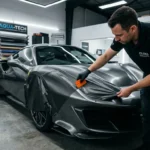
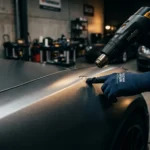
Even the best vinyl can look terrible if installed poorly. Professional installers have the specialized tools, training, and environment to ensure a flawless application. This includes thorough cleaning and degreasing of the vehicle, precise panel alignment, proper squeegee techniques to prevent bubbles and creases, and critical post-heating. Post-heating involves using a heat gun (typically set to 200-220°F or 90-105°C) to ensure the vinyl’s adhesive fully bonds and conforms to all curves and recesses, preventing lifting edges or premature failure. They also know about edge sealing techniques, which can further prolong the life of your wrap by protecting exposed edges.
For a large vehicle like a Ford F-150 crew cab, professional installation can take 18-22 linear meters of 60-inch film and often requires 1-3 days of dedicated shop time. Attempting this yourself without experience usually leads to wasted material, frustrating bubbles, and an unprofessional finish that reflects poorly on your business.
Keeping Your Wrap Looking Sharp
Proper maintenance is key to maximizing your wrap’s lifespan (aiming for 5-7+ years).
- Washing: Hand wash regularly with pH-neutral automotive soap (like Meguiar’s Gold Class Car Wash) and a soft microfiber cloth or sponge.
- Avoid: High-pressure automatic car washes, abrasive brushes, harsh chemical cleaners, or any wax products containing petroleum distillates.
- Spot Cleaning: For tougher spots like bird droppings or bug splatter, clean immediately with a dedicated wrap cleaner or isopropyl alcohol diluted 50/50 with water.
- Ceramic Coatings: Some ceramic coatings are compatible with vinyl wraps and can add an extra layer of protection and gloss. Always consult your wrap installer for recommendations on specific products.
Expected Lifespan and Removal
With quality cast vinyl, professional installation, and good maintenance, your commercial wrap should easily last 5-7 years, often longer. When it’s time for a refresh or removal, professional removal is again recommended. They use heat and specialized tools to remove the vinyl cleanly, often leaving the underlying paint in excellent condition, ready for a new wrap or sale. DIY removal can lead to adhesive residue or even paint damage if done incorrectly.
Choosing the right commercial vehicle wrap is a smart business decision that pays dividends in visibility and brand recognition. By understanding your goals, selecting appropriate materials, investing in smart design, and ensuring professional installation and care, you’re not just getting a wrap – you’re getting a powerful, mobile advertising tool that works for you every single day. Make your vehicles more than just transportation; make them ambassadors for your business on every road they travel.