



Introduction to Vehicle Wrap Mistakes
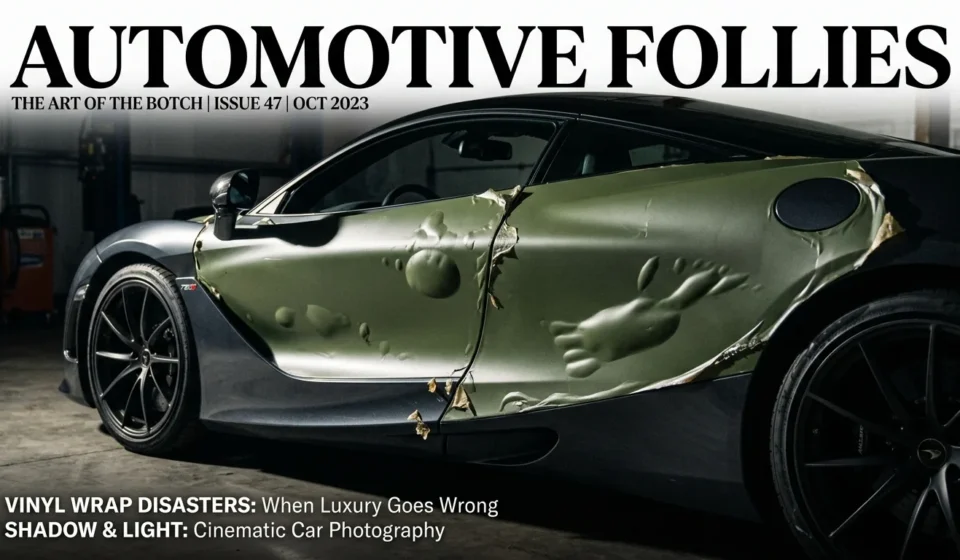
Vehicle wraps are a great way to customize and protect your car, but a poorly installed wrap can be a costly mistake. As a professional car wrap expert, I’ve seen my fair share of errors that can ruin an otherwise perfect wrap. From improper preparation to incorrect installation techniques, there are several common mistakes that can lead to a subpar finish. In this article, we’ll explore the top 5 vehicle wrap mistakes that can ruin your wrap, and provide you with expert tips and recommendations on how to avoid them.
Table Of Content
For example, imagine this situation: you’ve just spent thousands of dollars on a brand-new car, and you’re excited to give it a unique and personalized look with a vinyl wrap. But, if the installation is not done correctly, you may end up with a wrap that’s full of air bubbles, uneven edges, and a finish that’s far from perfect. This can be a frustrating and costly experience, especially if you have to pay for repairs or even re-wrap the entire vehicle.
Preparation is Key: Mistake #1
One of the most common mistakes people make when it comes to vehicle wraps is not preparing the surface properly. This includes not cleaning the car thoroughly, not removing old decals or wraps, and not filling in any scratches or dents. A clean and smooth surface is essential for a successful wrap installation, as any imperfections can cause the vinyl to bubble, lift, or even fail to adhere properly.
To avoid this mistake, make sure to wash the car thoroughly with a mild soap and dry it completely before installation. Remove any old decals or wraps, and fill in any scratches or dents with a high-quality filler. Sand the surface to create a smooth finish, and apply a primer if necessary. By taking the time to prepare the surface properly, you can ensure a strong bond between the vinyl and the car, and a finish that’s free from imperfections.
Choosing the Right Vinyl
Another important factor to consider when it comes to vehicle wraps is the type of vinyl used. There are two main types of vinyl: cast vinyl and calendered vinyl. Cast vinyl is a high-quality, heat-activated film that conforms to complex curves without shrinking back, making it ideal for vehicles with intricate designs or curved surfaces. calendered vinyl, on the other hand, is a more affordable, stiffer film that’s better suited for flat surfaces or simple designs.
When choosing a vinyl, consider the specific needs of your vehicle and the design you want to achieve. If you’re looking for a high-quality finish with intricate details, cast vinyl may be the better choice. However, if you’re on a budget or have a simpler design, calendered vinyl may be sufficient.
Installation Techniques: Mistake #2
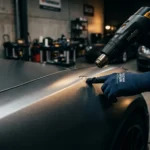
Improper installation techniques can also lead to a subpar finish. This includes not using the right tools, not applying enough heat or pressure, and not sealing the edges properly. A good installation requires patience, attention to detail, and the right techniques, as any mistakes can be difficult to correct once the vinyl is applied.
To avoid this mistake, make sure to use the right tools, such as a squeegee, heat gun, and trimming knife. Apply the vinyl slowly and carefully, using a combination of heat and pressure to conform it to the surface. Seal the edges properly to prevent lifting or peeling, and use a primer if necessary to ensure a strong bond.
Maintenance and Removal: Mistakes #3-5
Finally, there are several mistakes that can occur during the maintenance and removal of a vehicle wrap. These include not washing the car regularly, not avoiding harsh chemicals or abrasive materials, and not removing the wrap correctly. A well-maintained wrap can last for years, but neglecting to care for it properly can lead to a shortened lifespan and a costly replacement.
To avoid these mistakes, make sure to wash the car regularly with a mild soap and dry it thoroughly. Avoid using harsh chemicals or abrasive materials, and use a gentle cleaner specifically designed for vinyl wraps. When removing the wrap, use a heat gun and a gentle adhesive remover to avoid damaging the paint or leaving residue behind.
In my opinion, the key to a successful vehicle wrap is a combination of proper preparation, correct installation techniques, and regular maintenance. By following these tips and avoiding common mistakes, you can ensure a high-quality finish that lasts for years to come. Don’t let costly mistakes ruin your wrap – take the time to do it right, and enjoy the benefits of a unique and personalized vehicle.
Conclusion and Final Thoughts
Vehicle wraps are a great way to customize and protect your car, but a poorly installed wrap can be a costly mistake. By avoiding the top 5 vehicle wrap mistakes, you can ensure a high-quality finish that lasts for years to come. Remember to prepare the surface properly, choose the right vinyl, use correct installation techniques, and maintain the wrap regularly. With the right techniques and materials, you can achieve a professional-looking finish that enhances the appearance of your vehicle and protects the paint.
So, what would you do in this situation? Would you try to install the wrap yourself, or hire a professional to do it for you? Either way, make sure to take the time to do it right, and don’t be afraid to ask for help or advice along the way. With the right guidance and techniques, you can achieve a stunning vehicle wrap that turns heads and lasts for years to come.