Commercial Car Wraps 2025: Costs & ROI for Small Fleets
Commercial Car Wraps 2025: A Cost Breakdown and ROI Guide for Small Fleet Operators
Hey there, fellow business owners! As a seasoned pro in the wrap game, I’ve seen firsthand how a well-executed commercial car wrap can transform a small fleet into a powerful moving billboard. If you’re running a small fleet – be it delivery vans, service trucks, or even just a few company cars – you’re sitting on a massive untapped advertising opportunity. This guide will break down the costs for 2025, explain what goes into those prices, and show you how to calculate the real return on investment (ROI) for your business.
Table Of Content
- Commercial Car Wraps 2025: A Cost Breakdown and ROI Guide for Small Fleet Operators
- Why Invest in Commercial Car Wraps? It’s More Than Just a Pretty Picture!
- Understanding Commercial Wrap Types and Their Costs (2025-2026)
- Estimated Commercial Wrap Costs for 2025-2026
- Calculating Your ROI: The Real Value of Your Wrap
- Maximizing Your Commercial Wrap’s Lifespan & ROI
Why Invest in Commercial Car Wraps? It’s More Than Just a Pretty Picture!
Before we dive into numbers, let’s talk about why commercial wraps are such a smart play for small fleet operators:
- Unmatched Mobile Advertising: Your vehicles are already on the road, reaching potential customers where they live, work, and play. A wrap generates thousands of impressions daily, far outperforming static billboards or traditional print ads in terms of cost per impression.
- Brand Professionalism & Consistency: A unified, professional look across your fleet builds trust and reinforces your brand identity. It shows you mean business.
- Paint Protection: Beyond advertising, a high-quality vinyl wrap acts as a protective layer for your vehicle’s original paint, shielding it from minor abrasions, UV damage, and environmental fallout. This preserves resale value – a huge win for fleet assets.
- Cost-Effective & Long-Lasting: Compared to repainting or ongoing traditional advertising campaigns, a commercial wrap offers a durable solution (often 5-7+ years) with a one-time investment that keeps working for you day after day.
Understanding Commercial Wrap Types and Their Costs (2025-2026)
The cost of a commercial wrap isn’t one-size-fits-all. It depends on several factors:
- Wrap Coverage:
- Full Wraps: These cover nearly the entire painted surface of the vehicle. They offer maximum visual impact and paint protection.
- Partial Wraps: Covering 25-75% of the vehicle, partial wraps are a cost-effective way to get significant branding by strategically utilizing the vehicle’s original paint color as part of the design. Think side panels, rear doors, or hoods.
- Decals & Spot Graphics: The most economical option, these involve specific logos, contact information, or small graphics applied to key areas.
- Vehicle Size & Complexity: A compact sedan will naturally cost less than a large cargo van or an extended-cab truck due to the amount of material and labor required. Vehicles with complex curves, rivets (like on older cargo vans), or extensive trim removal also add to labor costs.
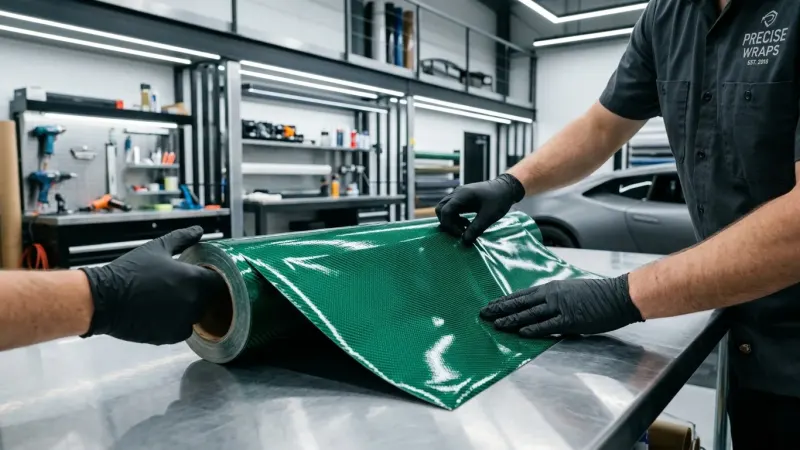
- Material Quality: For commercial applications, you absolutely want premium cast vinyl. This is a high-performance, heat-activated film (typically 2.5-3.5 mil thick) that conforms beautifully to complex curves without shrinking back over time. Brands like 3M (Controltac/Comply films), Avery Dennison (Supreme Wrapping Film), and Oracal (970RA/951) are industry standards for durability and print quality. Avoid cheaper calendered vinyl (thicker, stiffer film, usually 3-4 mil), which is better suited for flat surfaces and short-term applications, as it lacks the longevity and conformability needed for a professional commercial wrap.
- Design Complexity: A simple logo and text design costs less than an intricate, full-color graphic with gradients, photographic elements, or complex custom illustrations that require more design time and potentially more advanced printing techniques.
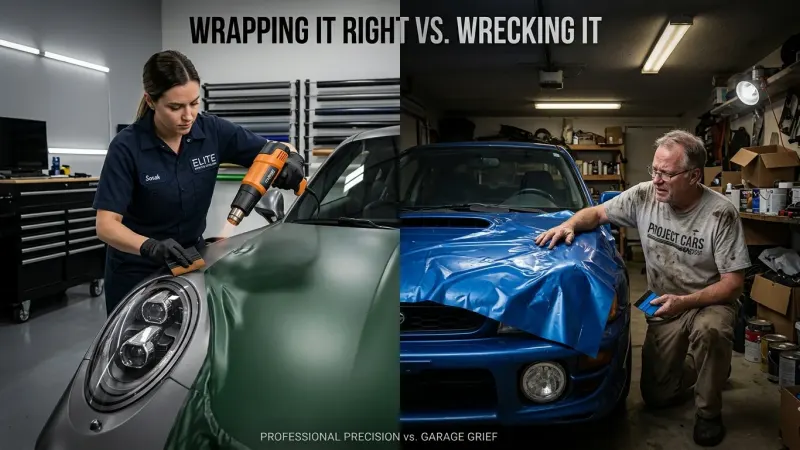
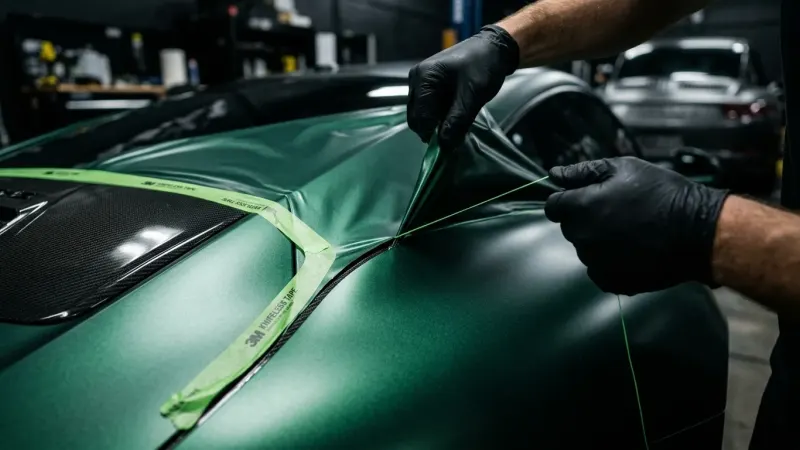
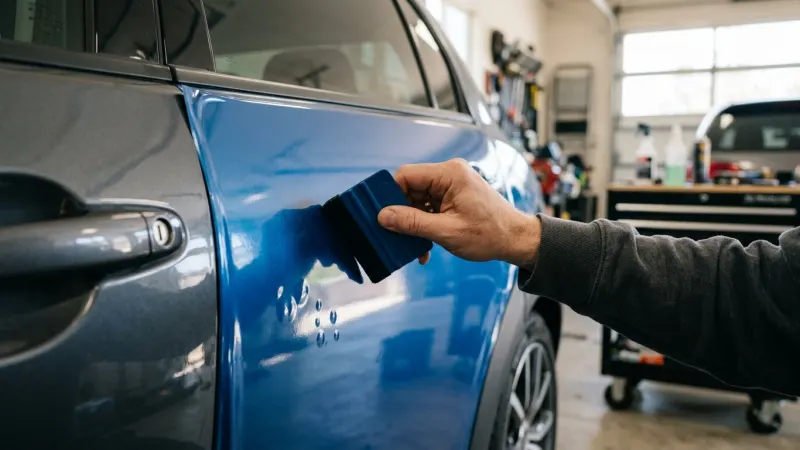
- Installation Labor: This is where the rubber meets the road. Professional installation by certified experts ensures longevity, a smooth finish free of bubbles, and proper adhesion, especially around edges and recessed areas. Improper installation leads to premature lifting and a poor brand image.
Estimated Commercial Wrap Costs for 2025-2026
These are general ranges for professionally installed commercial wraps using high-quality cast vinyl. Prices can vary based on location, design complexity, and specific material choices.
- Small Cars (e.g., Toyota Corolla, Ford Focus, Tesla Model 3):
- Full Wrap: $2,800 – $4,500
- Partial Wrap (50% coverage): $1,200 – $2,500
- Decals/Spot Graphics: $300 – $800+
- Mid-Size SUVs / Small Vans (e.g., Ford Transit Connect, Chevy Express Van, Toyota RAV4):
- Full Wrap: $3,500 – $5,800
- Partial Wrap (50% coverage): $1,500 – $3,000
- Large Vans / Pickup Trucks (e.g., Ford F-150 Crew Cab, Mercedes-Benz Sprinter, Ram ProMaster):
- Full Wrap: $4,800 – $7,500+ (A Ford F-150 crew cab, for instance, typically requires 18-22 linear meters of 60-inch film.)
- Partial Wrap (50% coverage): $2,000 – $4,000
Remember, these costs often include design consultation, printing, lamination (crucial for UV protection and durability), and professional installation.
Calculating Your ROI: The Real Value of Your Wrap
Thinking about ROI for a wrap is different than a direct ad campaign. Here’s how to look at it:
- Impressions & Reach: A single commercial vehicle can generate 30,000 – 70,000 daily impressions depending on its route. Over 5 years, that’s millions of brand exposures! Compare this to the cost of a local billboard or a month of online ads. The cost per impression for a wrap is incredibly low.
- Lead Generation: How many calls or website visits can you attribute directly to someone seeing your wrapped vehicle? Even if it’s just a few per month, those leads can quickly pay for the wrap itself.
- Brand Awareness: Consistent exposure builds brand recognition and recall, making customers more likely to choose your business when they need your services.
- Asset Protection: Factor in the savings on paint maintenance and the higher resale value of a vehicle whose original paint has been protected by a wrap.
- Lifespan: With proper care, a quality commercial wrap can last 5-7 years, sometimes even longer. Divide your total cost by the expected lifespan to see the incredibly low annual advertising expense.
Maximizing Your Commercial Wrap’s Lifespan & ROI
To ensure your investment pays off for years, follow these tips:
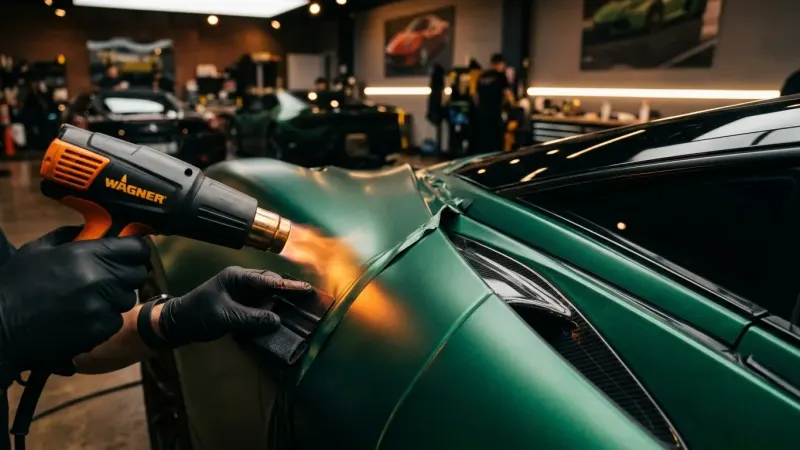
- Choose a Reputable Installer: This is paramount. An experienced shop on Car Wrap Info, using certified installers, will ensure proper surface preparation, precise application (avoiding lifting edges or bubbles), and crucial post-heating – using a heat gun to bring the film to specific temperatures (e.g., 180-200°F or 82-93°C) after application to relieve tension and ensure maximum adhesion, especially in recessed areas and around curves.
- Regular Cleaning: Wash your wrapped vehicles regularly with mild, pH-neutral soap and water. Avoid abrasive brushes, high-pressure washers too close to edges, or harsh chemical cleaners. Hand washing is best.
- Avoid Harsh Elements: Park in shaded areas when possible to minimize prolonged UV exposure, which can degrade the film over time.
- Prompt Repairs: If your wrap gets damaged, address it quickly. Small tears can become larger issues if neglected.
Investing in commercial car wraps for your small fleet isn’t just an expense; it’s a strategic marketing decision that pays dividends in brand exposure, professionalism, and asset protection. By understanding the costs and focusing on quality, you’ll ensure your fleet works harder for your business every mile it drives.