


What Exactly is PPF, and Why Do You Need It?
Imagine this situation: You’re driving your pride and joy, a beautiful, newly detailed car, down the highway. Suddenly, a gravel truck passes, and you hear that dreaded *ping*. Your heart sinks. It’s that first stone chip, marring your perfect paint job. What if there was an invisible shield that could stop those chips dead in their tracks, protect against swirl marks, and even heal itself from minor scratches?
Table Of Content
- What Exactly is PPF, and Why Do You Need It?
- Beyond the “Clear Bra” Nickname
- The Science Behind the Shield: Self-Healing Magic
- Navigating the PPF Landscape: Types, Brands, and Features
- Understanding Different PPF Formulations
- Top Brands in the Game (and What Makes Them Stand Out)
- Coverage Options: From Full Front to Full Vehicle
- Installation & Maintenance: Maximizing Your PPF’s Lifespan
- The Crucial Role of Professional Installation
- Keeping Your PPF Pristine: Cleaning and Care
- The Cost of Protection: What to Expect in 2025-2026
- Breaking Down PPF Pricing
- Is It Worth the Investment?
- Conclusion
That’s not science fiction; that’s the power of paint protection film, or PPF. Often called a “clear bra” in the past, today’s PPF is a far cry from those early, yellowing vinyl pieces. It’s the ultimate defense for your vehicle’s paint, offering peace of mind and preserving its pristine condition for years.
Beyond the “Clear Bra” Nickname
Modern PPF is a high-performance, thermoplastic urethane film, typically 4-10 mil thick, designed to protect your vehicle’s factory paint from physical damage. Unlike a color change wrap which uses a thinner, often 2.5-3.5 mil, cast vinyl to change appearance, PPF is all about protection. Its primary purpose is to absorb impacts from road debris, prevent rock chips, guard against minor abrasions, and even offer a layer of defense against chemical stains, bug splatter, and bird droppings. It’s essentially a transparent, durable skin for your car.
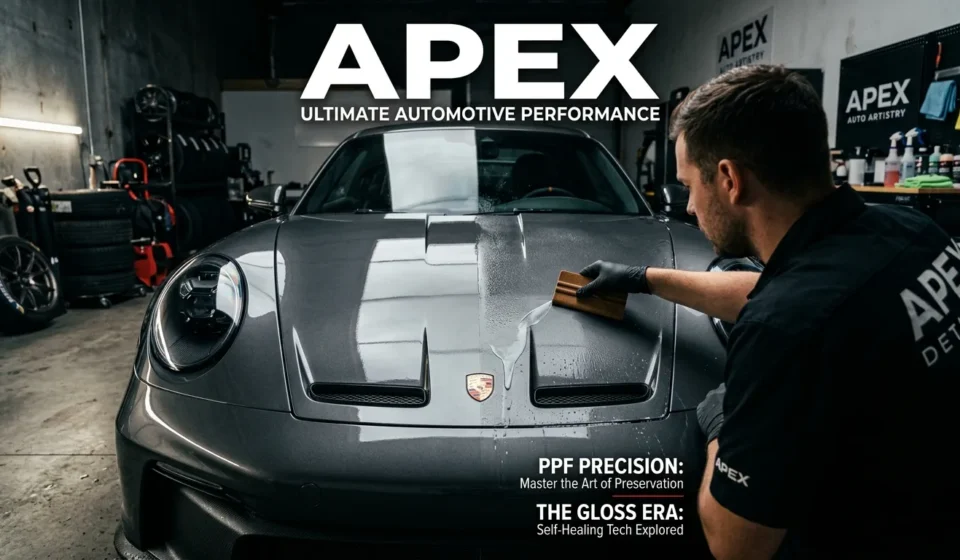
I remember a client who brought in a brand new Porsche 911. He was meticulous about his cars, but after just a few months, the front bumper was peppered with tiny chips from highway driving. He wished he’d installed PPF from day one. That experience really drives home why this investment is so crucial for preserving your car’s value and aesthetic.
The Science Behind the Shield: Self-Healing Magic
One of the most remarkable features of modern PPF is its self-healing capability. How does it work? These films incorporate an elastomeric polymer in their topcoat. When minor scratches and swirl marks occur, the heat from the sun, a warm garage, or even pouring warm water over the affected area can cause the film to revert to its original smooth state, making the damage disappear. It’s truly impressive to witness.
This isn’t some gimmick; it’s a testament to advanced material science. This self-healing property significantly extends the film’s lifespan and keeps your car looking freshly detailed, even after daily driving. It’s a key differentiator from standard vinyl films which don’t offer this protective layer.
Navigating the PPF Landscape: Types, Brands, and Features
Just like choosing a car, there are options when it comes to PPF. Understanding the different types and top brands will help you make an informed decision for your vehicle on Car Wrap Info.
Understanding Different PPF Formulations
Most PPF on the market is a clear, high-gloss film designed to be virtually invisible, enhancing your paint’s natural shine. However, the industry has evolved:
- Gloss PPF: This is the most common type, offering crystal-clear protection that maintains or even slightly enhances your factory gloss finish.
- Matte PPF: Want to transform your glossy paint into a sleek, satin finish while still getting all the protective benefits? Matte PPF does exactly that. It’s a fantastic way to achieve a custom look without committing to a full matte vinyl wrap.
- Ceramic-Infused PPF: Some premium films now come with a factory-integrated ceramic coating in the top layer. This provides enhanced hydrophobic properties, making your car easier to clean and boosting resistance to staining. Brands like SunTek Reaction are leaders in this innovation.
It’s important to remember that PPF is fundamentally different from color-change vinyl wraps, which are typically either cast vinyl (premium, flexible, used for complex curves) or calendered vinyl (more affordable, stiffer, better for flat surfaces). PPF’s composition is focused on impact resistance and self-healing, not just aesthetics.
Top Brands in the Game (and What Makes Them Stand Out)
When it comes to PPF, quality truly matters. Investing in a reputable brand ensures longevity, clarity, and performance. Here are some of the industry leaders:
- XPEL Ultimate Plus: Widely considered the industry benchmark, XPEL Ultimate Plus (typically 8-mil) offers exceptional clarity, self-healing properties, and a 10-year warranty. It’s a favorite among enthusiasts and professionals alike for its consistent performance.
- 3M Scotchgard Pro Series: 3M has a long-standing reputation for quality adhesives and durable films. Their Scotchgard Pro Series (also typically 8-mil) is a robust option known for its strong adhesion and excellent resistance to yellowing and staining.
- SunTek Reaction / Ultra: SunTek films are highly regarded for their optical clarity and impressive hydrophobic properties. The SunTek Reaction series is particularly innovative, integrating ceramic coating technology for superior water beading and stain resistance.
- Stek DYNOshield: Gaining significant traction, Stek offers a range of films with advanced topcoats, including ceramic-infused options and unique finishes like carbon fiber or metallic flake PPF. Their films boast strong hydrophobic and self-healing characteristics.
Based on my experience wrapping hundreds of vehicles, Xpel and 3M have proven track records for durability and customer satisfaction. However, newer players like SunTek and Stek are pushing the boundaries with innovative features, offering fantastic alternatives depending on your priorities.
Coverage Options: From Full Front to Full Vehicle
How much PPF do you really need? The answer depends on your budget, driving habits, and how much protection you desire:
- Full Front Package: This is the most popular choice. It typically includes the full hood, full fenders, front bumper, headlights, and side mirrors. This protects the areas most vulnerable to road debris.
- Track Pack: For those who drive more aggressively or live in gravel-prone areas, a track pack adds rocker panels, lower door sections, and sometimes the rear bumper loading area.
- Full Vehicle Wrap: The ultimate protection. Every painted surface is covered, offering seamless, comprehensive defense. This is ideal for luxury, exotic, or show vehicles where preserving every inch of original paint is paramount.
- Individual Panels: You can also opt for smaller, targeted pieces like door cups, door edges, or trunk sills.
But what would you do in this situation if you only had the budget for a partial wrap? I always recommend prioritizing the front bumper and leading edge of the hood/fenders. These are your car’s first line of defense.
Installation & Maintenance: Maximizing Your PPF’s Lifespan
Choosing the right film is only half the battle. Proper installation and diligent maintenance are key to ensuring your PPF performs as intended for its 5-7+ year lifespan.
The Crucial Role of Professional Installation
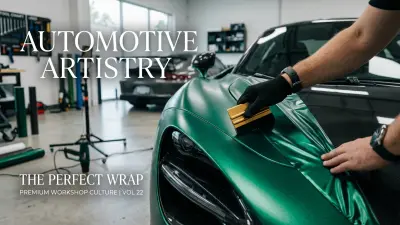
Honestly, this isn’t like applying a phone screen protector. Unlike some simpler vinyl wrap projects, PPF installation is incredibly intricate and best left to experienced professionals. Here’s why:
- Dust-Free Environment: PPF is thick and unforgiving. Dust or contaminants trapped underneath are glaringly obvious. A clean, controlled environment is essential.
- Precision Cutting: Most reputable shops use computer-cut patterns (plotters) specific to your vehicle’s make and model. This ensures a perfect fit, often with wrapped edges for a truly invisible finish. Free-hand cutting on the vehicle itself is risky and can damage paint.
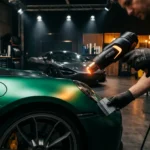
- Specialized Solutions and Tools: Installers use specific slip solutions for positioning and tack solutions for adhesion, along with specialized squeegees, heat guns, and edge-sealers.
- Technique and Experience: PPF requires specific stretching, squeegeeing, and heating techniques to conform to complex curves without distortion, bubbles, or lifting edges. It’s a skill honed over hundreds of installations.
Common DIY mistakes include trapped bubbles, lifting edges (especially around complex curves or sharp angles), contamination under the film, and improper stretching that can distort the film’s clarity or cause premature failure. For PPF, the labor is truly where the value lies, ensuring a flawless, long-lasting finish.
Keeping Your PPF Pristine: Cleaning and Care
Think of it this way: your PPF is like a second skin for your car. It needs care, but it also makes maintenance easier. Here’s how to keep it looking sharp:
- Regular Washing: Hand wash your vehicle every 1-2 weeks using a pH-neutral car soap (e.g., Meguiar’s Gold Class, Chemical Guys Mr. Pink). Avoid harsh chemicals, abrasive brushes, or high-pressure washers too close to the film’s edges, as this can cause lifting.
- Avoid Stains: While PPF is resistant, promptly remove bird droppings, bug splatter, and tree sap to prevent etching or staining, especially if your film isn’t ceramic-infused.
- Waxing & Sealants: Most PPFs are compatible with non-abrasive liquid waxes, spray sealants, or ceramic coatings designed for automotive paint. These can enhance gloss and add another layer of hydrophobicity. Always check the PPF manufacturer’s recommendations. Avoid paste waxes that can build up along edges, or products containing naphtha or kerosene.
- Post-Installation Care: After installation, avoid washing your car for at least 3-5 days to allow the adhesive to fully cure. Any small bubbles that appear during this time often disappear as the film outgasses.
With proper care, your PPF can last 7-10 years, protecting your paint and maintaining its showroom finish. Annual professional inspections are also a good idea to catch any potential issues early.
The Cost of Protection: What to Expect in 2025-2026
Now for the big question: what does this ultimate paint protection cost? To be fair, PPF is an investment, but one that pays dividends in paint preservation and resale value.
Breaking Down PPF Pricing
Several factors influence the final price of a PPF installation:
- Vehicle Size and Complexity: Larger vehicles (trucks, SUVs) require more material and time. Cars with complex curves or intricate body lines (e.g., a Porsche 911 vs. a Tesla Model 3) also increase labor.
- Coverage Area: A full front package is significantly less expensive than a full vehicle wrap.
- Film Brand and Type: Premium brands like XPEL or SunTek, especially ceramic-infused options, will be at the higher end of the price spectrum.
- Installer’s Reputation and Location: Highly experienced, reputable shops in metropolitan areas typically charge more, but their quality and warranty are often superior.
Here are some estimated cost ranges for professional PPF installation in 2025-2026:
- Full Front Package (Hood, Fenders, Bumper, Mirrors):
- Compact Car (e.g., Honda Civic, Toyota Corolla): $1,800 – $2,800
- Mid-size Sedan/SUV (e.g., Tesla Model 3/Y, BMW 3-series): $2,200 – $3,500
- Luxury/Large SUV (e.g., Porsche Macan, Ford F-150 Crew Cab): $2,800 – $4,500+
- Full Vehicle Wrap:
- Compact Car: $5,000 – $8,000+
- Mid-size Sedan/SUV: $6,000 – $10,000+
- Luxury/Exotic Vehicle: $8,000 – $15,000+ (or significantly more for bespoke projects)
You might be tempted by DIY kits online, but for PPF, the labor is truly where the value lies. The precision and skill required make professional installation almost a necessity to achieve a flawless, invisible finish. This cost is generally higher than a full color change wrap on the same vehicle, which might range from $3,000 – $6,000 for a mid-size car, primarily due to the higher material cost of PPF and its more demanding installation process.
Is It Worth the Investment?
In my opinion, for anyone who truly cares about their vehicle’s long-term appearance and value, PPF is a no-brainer. While the upfront cost might seem substantial, consider the benefits:
- Preserved Resale Value: A car with pristine, chip-free paint will always fetch a higher price than one with visible damage.
- Peace of Mind: No more anxiety about stone chips, minor scratches, or environmental contaminants.
- Long-Term Savings: Avoid costly paint touch-ups, repaints, or extensive paint correction services down the line.
- Always Looks New: The self-healing properties keep your car looking fresh from the dealership for years.
Conclusion
So, we’ve covered the ins and outs of paint protection film, from its self-healing magic to the top brands and expected costs. PPF isn’t just a clear sticker; it’s a sophisticated, durable shield that preserves your vehicle’s paint, maintains its aesthetic appeal, and protects its value. It’s a smart investment for any car owner who wants to keep their ride looking showroom-fresh for years.
Don’t wait for that first dreaded stone chip to realize the value of PPF. Do your research, find a reputable installer on Car Wrap Info, and give your vehicle the invisible armor it deserves. What’s stopping you from giving your vehicle the shield it deserves?