



Introduction to Paint Protection
Imagine driving your brand-new car off the lot, feeling proud and excited about your purchase. But what would you do in this situation: a stray rock hits your car’s hood, leaving an unsightly scratch? To avoid such scenarios, car owners often consider two popular options: paint protection film (PPF) and vinyl wraps. Both provide protection, but they serve different purposes and have distinct characteristics. In this comparison, we’ll delve into the world of PPF and vinyl wraps to help you decide which one is best for your vehicle.
Table Of Content
Let’s start with the basics. Paint Protection Film (PPF) is a thin, transparent film made from polyurethane or polyvinyl chloride (PVC) that adheres to the car’s surface. Its primary purpose is to shield the paint from scratches, chips, and other forms of damage. On the other hand, vinyl wraps are thicker, more versatile films used for decorative purposes, such as changing the car’s color or adding graphics. While they can offer some level of protection, their primary function is aesthetic.
Key Differences Between PPF and Vinyl Wraps
One of the main differences between PPF and vinyl wraps is their thickness. PPF typically ranges from 2.5 to 5 mils (0.06 to 0.13 mm), while vinyl wraps can be 3 to 6 mils (0.08 to 0.15 mm) thick. Thicker films provide more protection, but they can also be more difficult to apply and remove. Another significant difference is the material itself. PPF is designed specifically for paint protection, with a focus on clarity, durability, and ease of removal. Vinyl wraps, on the other hand, are made from a variety of materials, including cast vinyl, calendered vinyl, and laminate films.
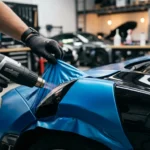
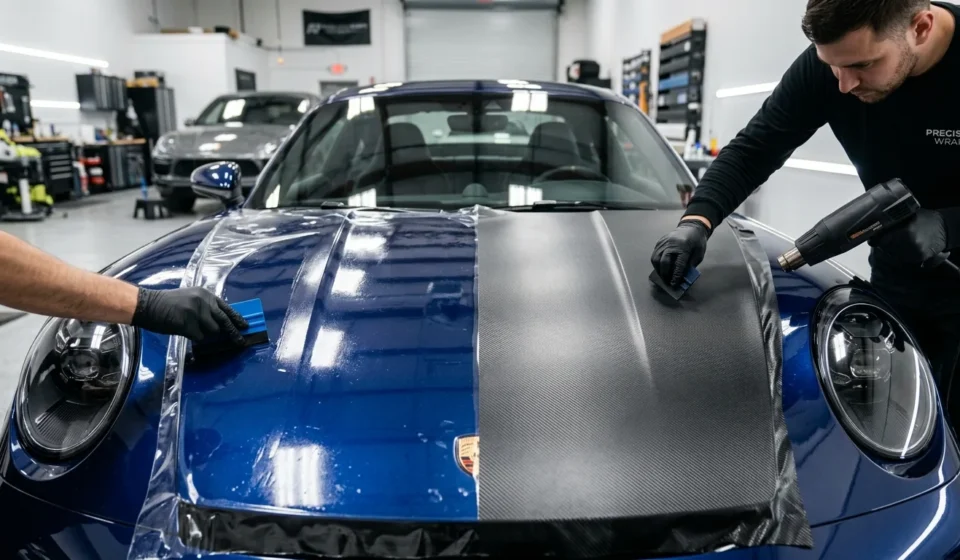
When it comes to application, PPF is usually installed by trained professionals, as it requires specialized tools and techniques. Vinyl wraps, while still benefiting from professional installation, can be applied by DIY enthusiasts with some practice and patience. The cost of PPF and vinyl wraps varies greatly, depending on the size of the vehicle, the complexity of the installation, and the chosen material. A full PPF installation can range from $1,500 to $4,000, while a vinyl wrap can cost between $2,000 and $6,000.
PPF: The Ultimate Paint Protector
So, what makes PPF the go-to choice for paint protection? For starters, its clear coat provides an invisible barrier against scratches, chips, and other forms of damage. PPF is also self-healing, meaning it can recover from minor scratches and scuffs. Additionally, PPF is resistant to UV rays, which helps prevent paint fading and discoloration. When applied correctly, PPF can last for up to 10 years, depending on the quality of the film and the environmental conditions.
Some popular brands of PPF include 3M, XPEL, and SunTek. These films are designed to be durable, easy to install, and simple to remove. However, PPF is not without its limitations. It can be expensive, and the installation process can be time-consuming. Moreover, PPF may not be suitable for all types of paint, such as matte or satin finishes.
Real-World Applications of PPF
For example, imagine this situation: you own a fleet of company cars, and you want to protect the paint from damage caused by everyday use. In this case, PPF would be an excellent choice, as it provides long-lasting protection and can be easily removed when the vehicles are sold or retired. Another scenario: you’re a car enthusiast who attends track days and wants to safeguard your vehicle’s paint from rock chips and other forms of damage. Again, PPF would be the way to go, as it offers superior protection and can withstand the rigors of high-performance driving.
Vinyl Wraps: Aesthetic Appeal and Protection
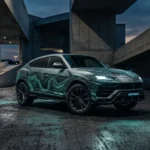
Vinyl wraps, on the other hand, offer a unique combination of style and protection. They come in a wide range of colors, finishes, and designs, making them an excellent choice for car owners who want to personalize their vehicles. Vinyl wraps can also provide some level of protection against minor scratches and scuffs, although they are not as effective as PPF in this regard.
When it comes to vinyl wraps, the choices are endless. You can opt for a cast vinyl wrap, which is made from a premium, heat-activated film that conforms to complex curves without shrinking back. Alternatively, you can choose a calendered vinyl wrap, which is more affordable but less conformable. Some popular brands of vinyl wraps include Avery Supreme Wrapping Film, Oracal 970RA, and Hexis.
Maintenance and Removal of Vinyl Wraps
To ensure the longevity of your vinyl wrap, it’s essential to follow a regular maintenance schedule. This includes washing the vehicle regularly, avoiding harsh chemicals, and applying a protective coating to the wrap. When it’s time to remove the wrap, it’s crucial to use the right techniques and tools to avoid damaging the paint. A heat gun can be used to soften the adhesive, while a knifeless tape can help remove the wrap without leaving residue.
Conclusion: Choosing the Best Option for Your Vehicle
So far, we’ve covered the basics of PPF and vinyl wraps, including their differences, applications, and maintenance requirements. Now, let’s get to the really critical point: choosing the best option for your vehicle. If you’re looking for ultimate paint protection, PPF is the way to go. However, if you want to add some style and flair to your vehicle while providing some level of protection, a vinyl wrap might be the better choice.
In my opinion, the key to making the right decision is to consider your specific needs and priorities. If you’re a busy car owner who wants to protect your vehicle’s paint without breaking the bank, a vinyl wrap might be the more affordable option. On the other hand, if you’re a car enthusiast who wants the ultimate in paint protection, PPF is the better choice. Honestly, it’s all about finding the right balance between protection, style, and budget.
To be fair, both PPF and vinyl wraps have their pros and cons. By understanding the differences between these two options and considering your specific needs, you can make an informed decision that will keep your vehicle looking sharp and protected for years to come.