


Introduction to 2025 Vehicle Wrap Trends
As we dive into 2025, the world of vehicle wraps is more exciting than ever. With new materials, techniques, and designs emerging every year, it can be tough to keep up with the latest trends. But what would you do in this situation: you’ve just bought a brand-new car, and you want to give it a unique look that sets it apart from the crowd? For example, imagine this situation: you’re a business owner who wants to use your vehicle as a moving billboard, but you don’t want to compromise on style. This is where vehicle wraps come in – a cost-effective and versatile way to transform your car, truck, or motorcycle into a head-turning work of art.
Table Of Content
In my opinion, the key to a successful vehicle wrap is a combination of great design, high-quality materials, and expert installation. Based on my experience, I’ve seen many vehicle owners make the mistake of prioritizing one aspect over the others, only to end up with a wrap that doesn’t quite live up to their expectations. To be fair, it’s not always easy to get it right, especially with so many options available. Let me add something here: the right wrap can not only enhance the appearance of your vehicle but also provide protection for the paint and other surfaces.
Top 10 Vehicle Wrap Trends for 2025
So, what are the top 10 vehicle wrap trends for 2025? Here are a few of the most notable ones:
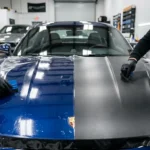
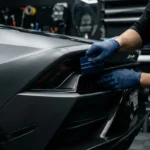
- Matte finishes: Matte black, white, and gray wraps are still going strong, with many car owners opting for a sleek, understated look.
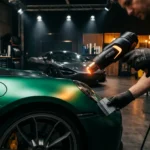
- Color-shifting wraps: These wraps use special cast vinyl that changes color depending on the angle of the light, creating a truly unique effect.
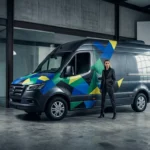
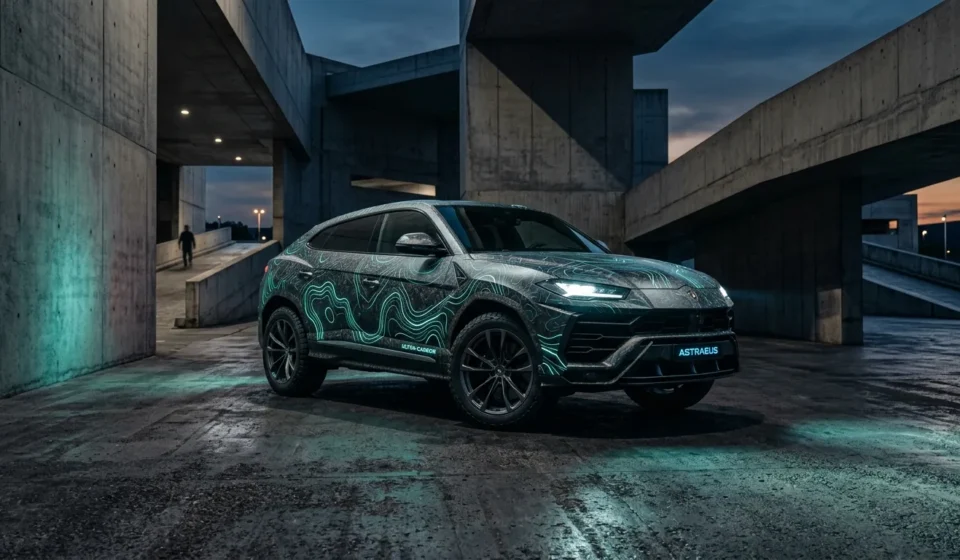
- Geometric patterns: Geometric patterns, such as chevrons and hexagons, are becoming increasingly popular, adding a touch of modernity to any vehicle.
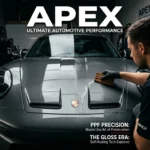
Honestly, the possibilities are endless, and it’s up to you to choose the design that best reflects your personality and style. But what about the materials and techniques used to create these stunning wraps? In my opinion, the use of high-quality calendered vinyl and polyurethane protective film (PPF) is essential for a durable and long-lasting wrap.
Materials and Techniques
When it comes to vehicle wraps, the materials and techniques used can make all the difference. Cast vinyl, such as 3M 2080/1080 series or Avery Supreme Wrapping Film, is a popular choice for its flexibility and conformability. On the other hand, calendered vinyl, such as Oracal 970RA or Hexis, is better suited for flat surfaces and can be more affordable. PPF, with its self-healing properties, is ideal for protecting surfaces from scratches and damage.
For example, a full wrap on a 2024 Tesla Model Y can cost anywhere from $4,200 to $5,800, depending on the finish and materials used. Wrapping a Ford F-150 crew cab, on the other hand, can require 18-22 linear meters of 60-inch film, making it a more complex and time-consuming process. But with the right tools and techniques, such as knifeless tape and heat gun settings, the results can be truly breathtaking.
Installation and Maintenance
So far, we’ve covered the design and materials aspects of vehicle wraps. Now, let’s get to the really critical point: installation and maintenance. A good wrap is only as good as its installation, and a poorly installed wrap can lead to bubbles, lifting edges, and other issues. To avoid these common mistakes, it’s essential to choose a reputable installer who uses the right techniques and tools.
In my experience, regular maintenance is also crucial to extending the life of your wrap. This includes washing your vehicle regularly, avoiding harsh chemicals, and applying a ceramic coating to protect the wrap from the elements. By following these tips, you can enjoy your vehicle wrap for 5-7 years or more, depending on the materials and conditions.
Cost and Budgeting
When it comes to budgeting for a vehicle wrap, it’s essential to consider the cost of materials, installation, and maintenance. A full color change wrap can cost anywhere from $2,000 to $6,000, depending on the size and complexity of the design. Matte and gloss finishes can vary in price, with matte finishes often being more expensive due to the specialized materials required.
But what about DIY installation? While it may seem like a cost-effective option, DIY installation can often lead to costly mistakes and a shorter wrap lifespan. In my opinion, it’s always best to hire a professional installer who has the experience and expertise to get the job done right. To be fair, the cost of a professional installation may seem steep at first, but it’s a worthwhile investment in the long run.
Conclusion and Final Thoughts
In conclusion, the world of vehicle wraps is constantly evolving, with new trends, materials, and techniques emerging every year. By staying up-to-date with the latest developments and choosing the right design, materials, and installer, you can create a truly unique and head-turning vehicle that reflects your personality and style. So, what are you waiting for? Take the first step towards transforming your vehicle into a work of art and experience the thrill of driving a car that truly stands out from the crowd.