Walk into just about any high-end custom wrap shop, and you're bound to see rolls of KPMF film stacked neatly, ready for transformation. Over my 10 years in this business, I've laid down countless feet of vinyl, and KPMF (Kay Premium Marking Films) has consistently proven itself as a top-tier choice for car owners and enthusiasts looking for something truly special. This isn't just another vinyl; it's a statement. KPMF stands out for its luxurious finishes, incredible conformability, and a durability that makes it a trusted name among professionals worldwide. Whether you’re a seasoned DIYer or looking to hire a pro, understanding what makes KPMF tick can make all the difference in your next vehicle project.
What Makes KPMF Stand Out in the Wrap World?
When clients come to me asking for a unique, eye-catching finish that will last, KPMF is often at the top of my recommendation list. It's more than just a brand; it's a commitment to quality that translates directly into the final look and longevity of your wrap. From the moment you unroll a sheet, you can feel the difference in its construction and the thought put into its application.
The KPMF Difference: Cast Vinyl Explained
The secret sauce behind KPMF's stellar performance lies in its use of cast vinyl. Unlike its cheaper cousin, calendered vinyl, cast film is manufactured by pouring liquid PVC onto a casting sheet, which then cures. This process creates a thinner (typically 2.5 to 3.5 mil for KPMF), more dimensionally stable film that is incredibly conformable. What does that mean for you? It means kpmf wraps can hug complex curves, deep recesses, and sharp edges on your vehicle without undue stress or the dreaded "memory" effect, where the film tries to pull back to its original flat shape. This inherent stability also makes it highly resistant to shrinkage and cracking over time, giving your wrap a much longer life—often 5 to 7 years, sometimes even more with proper care.
In contrast, calendered vinyl is produced by extruding and pressing PVC through rollers, making it stiffer and thicker (typically 3 to 4 mil). While more affordable, it has internal stresses from the manufacturing process, making it less suitable for full vehicle wraps on contoured surfaces. It's better suited for flat panel applications like commercial graphics on box trucks or simple sign lettering. With KPMF, you're investing in a product engineered specifically for the intricate demands of a full vehicle transformation, minimizing headaches during installation and maximizing satisfaction long-term.
Air-Release Technology and Adhesive Systems
One of the unsung heroes of any good wrap film is its adhesive system, and KPMF truly excels here. Their films feature advanced air-release technology (often marketed as KPMF Airelease or Air-Escape systems). This consists of microscopic channels embedded in the adhesive layer that allow air bubbles to be smoothly pushed out from under the film during application. This feature is a game-changer for both professional installers and DIY enthusiasts, drastically reducing the chances of trapped air pockets and making for a smoother, faster, and less frustrating installation process.
Beyond the air-release, KPMF's adhesive is formulated for optimal repositionability. You can lay the film down, lift it, and reposition it multiple times to get it just right before fully squeegeeing it into place. This forgiveness is crucial, especially when working on large panels or intricate areas. And when it's time for removal, which usually happens years down the line, KPMF's adhesive is designed to come off cleanly without leaving behind sticky residue or damaging your vehicle's original paint, assuming the paint was in good condition to begin with.
An Unrivaled Palette of Colors and Finishes
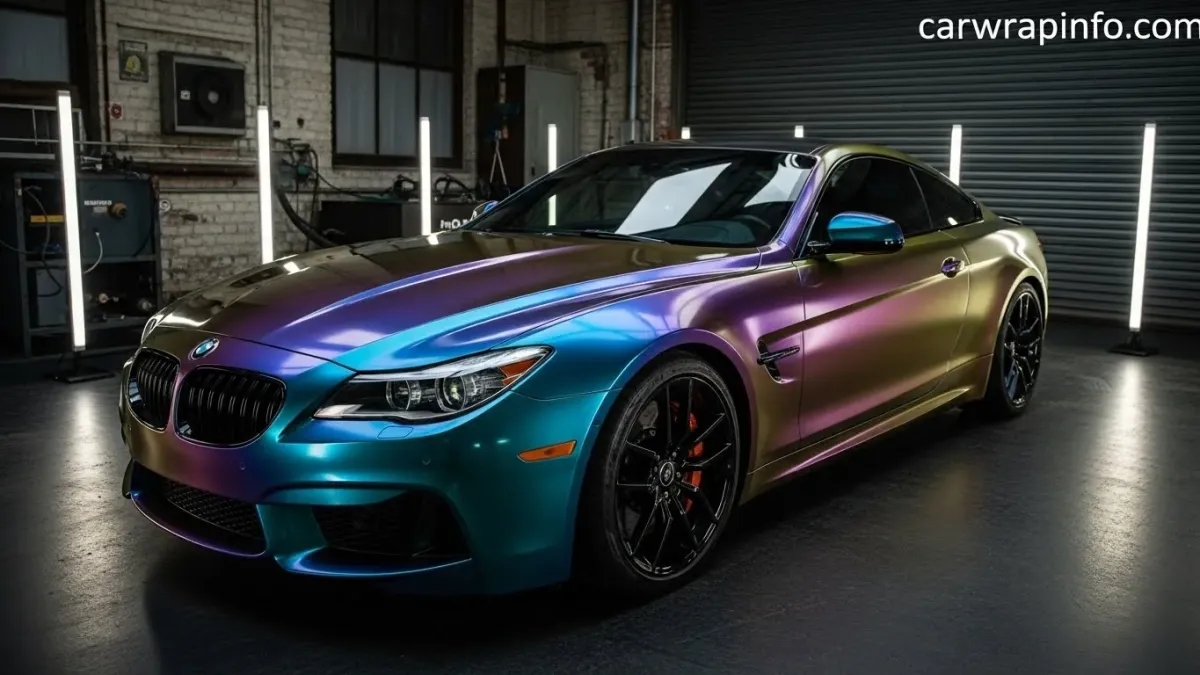
If you're looking for a wrap that truly stands out, KPMF’s color range is where it truly shines. They push the boundaries of automotive aesthetics with an impressive array of hues and textures that go far beyond standard gloss or matte. From vibrant solids to sophisticated metallics and mesmerizing color shifts, KPMF offers finishes that can transform your car into a rolling work of art.
Some of their most popular and visually striking options include:
- KPMF Matte Iced Blue Titanium: A cool, frosted blue with subtle metallic flakes that catch the light beautifully.
- KPMF Gloss Perfect Black: A deep, rich black with an incredible mirror-like finish that rivals factory paint.
- KPMF Matte Trenton Blue: A darker, more subdued matte blue that exudes elegance and sportiness.
- KPMF Gloss Rose Red (often referred to as kpmf wrap pink): A vibrant, elegant pink-red with a high-gloss sheen, perfect for a bold statement.
- KPMF Gloss Vengeance Red: A classic, aggressive red that demands attention.
- KPMF Gloss Opulent Indigo: A deep, luxurious blue-purple that shifts subtly in different lighting.
- KPMF Gloss Momentum Green (the sought-after KPMF wrap green): A dynamic, bright green that's both sporty and sophisticated.
- KPMF Gloss Sonic Blue (a prime KPMF Blue Wrap example): A punchy, energetic blue that’s incredibly popular.
These colors aren't just surface-level; KPMF’s advanced pigmentation ensures that each shade delivers a deep, consistent, and long-lasting finish that resists fading, even under harsh sunlight. It's this commitment to aesthetic quality that makes KPMF a go-to for clients who prioritize unique style and visual impact.
Navigating KPMF Wraps: Pricing, Durability, and Maintenance
Investing in a KPMF wrap means getting a premium product, and that comes with a price tag that reflects its quality and longevity. However, it's an investment that pays dividends in terms of vehicle protection, resale value, and sheer curb appeal.
Understanding KPMF Wrap Costs
The cost of a KPMF wrap isn't a single fixed number; it varies significantly based on several factors. Expect to pay more for larger vehicles, more complex designs (like intricate curves or chrome delete work), specialized finishes (e.g., iridescent or textured), and, of course, professional installation versus a DIY approach.
For a full color change wrap on a standard sedan or small SUV using KPMF film, you're generally looking at a professional installation cost in the range of $3,800 to $6,500 for 2025–2026. For instance, a full wrap on a 2024 Tesla Model Y using a KPMF gloss or matte finish might cost between $4,200 and $5,800. If you're tackling a larger vehicle like a Ford F-150 crew cab, expect the price to climb to $5,000–$7,000+ due to the increased surface area and labor involved. These figures reflect the expertise, specialized tools, and meticulous care a reputable shop provides. The film itself for a full car usually requires about 15-18 linear meters (50-60 feet) of 60-inch wide film for a mid-size sedan, or 18-22 linear meters (60-75 feet) for a large truck or SUV. KPMF film typically runs anywhere from $12-$25 per linear foot, depending on the series and finish, making the raw material cost for a DIY wrap roughly $600-$1,800 before tools and time.
Here’s a rough breakdown of factors influencing your KPMF wrap price:
- Vehicle Size: More surface area means more material and labor.
- Film Finish: Basic gloss/matte are typically less expensive than iridescent, textured, or color-shift films.
- Vehicle Complexity: Many body lines, rivets, or intricate bumpers increase installation time.
- Chrome Deletes/Door Jambs: Adding these extra details significantly adds to labor.
- Professional vs. DIY: Professional installation includes expertise, warranty, and specialized environment, costing significantly more than just buying the film.
While KPMF can be a premium investment, its exceptional quality and lifespan of up to 7 years (and often more) represent excellent value, protecting your original paint and offering a truly unique look that cheaper films simply can't match.
| Wrap Type | Estimated Cost (USD) |
|---|---|
| Partial Wrap (hood, roof, mirrors) | $300 – $800 |
| Full Car Wrap (sedan) | $2,000 – $3,000 |
| Full SUV Wrap | $3,000 – $4,500 |
| Specialty Finishes (iridescent, matte metallic) | $3,500 – $5,000 |
Longevity and Protecting Your Investment
When I wrap a car with KPMF, I always tell my clients they're looking at 5 to 7 years of vibrant color and protection, sometimes even longer if they follow a good maintenance routine. This longevity is largely due to KPMF's cast construction and advanced UV inhibitors embedded in the film, which resist fading and degradation from sun exposure and environmental elements. However, even the best film needs a little love to reach its full potential.
Proper maintenance is straightforward. First and foremost, forget automatic car washes; their harsh brushes and chemicals can scratch the film or lift edges. Hand washing with a pH-neutral car soap is key. I recommend a two-bucket method – one for soapy water, one for rinsing your wash mitt – to prevent grit transfer. Wash your wrapped vehicle every 1-2 weeks, especially if it’s exposed to heavy road grime or contaminants like bird droppings and tree sap, which should be removed immediately. Avoid petroleum-based cleaners or harsh solvents. For added protection and shine, you can use wrap-safe spray sealants or even apply a ceramic coating specifically designed for vinyl, like those from Ceramic Pro or KPMF's own F700 ceramic coating, which can extend the wrap's life and make cleaning even easier. Regular maintenance ensures your KPMF wrap looks sharp and performs as intended for years to come.
DIY vs. Professional KPMF Installation
So, you’ve decided on KPMF—great choice! Now, the big question: do you tackle it yourself or leave it to the pros? As someone who’s done both, I can tell you there’s a place for each. For smaller projects like a chrome delete, roof wrap, or interior trim pieces, a skilled DIYer with patience and the right tools can achieve excellent results with KPMF. The film's conformability and air-release adhesive are quite forgiving, making it more manageable than some other films.
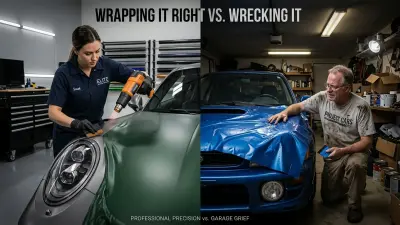
However, for a full vehicle wrap, especially on a car with complex curves, deep recesses, or intricate body lines, professional installation is almost always the superior choice. A professional shop has a climate-controlled, dust-free environment, a full arsenal of specialized tools (like an IR thermometer for precise post-heating, proper heat guns, and a wide array of squeegees), and, most importantly, years of experience with panel layout, stretching techniques, and crucial post-heating. We understand how to manipulate the film to ensure maximum longevity and a flawless finish, including techniques like proper edge relief and sealing. While the upfront cost is higher, the peace of mind, warranty, and professional finish often outweigh the savings of a challenging DIY full wrap that could end up costing more in redo film or repairs.
KPMF vs. The Competition: A Head-to-Head Look
In the wrap industry, there are several titans, and KPMF holds its own against even the biggest names. When clients ask me to compare KPMF to brands like 3M or Avery Dennison, it’s not about declaring one "best," but rather identifying which film is best for a specific project and aesthetic goal. Each brand has its strengths, and KPMF offers some distinct advantages.
KPMF vs. 3M and Avery Dennison
When we talk about premium cast vinyl, 3M's 2080/1080 series and Avery Dennison's Supreme Wrapping Film are direct competitors to KPMF. All three are excellent films, but they each have their own nuances in terms of application feel, finish variety, and adhesive characteristics. Below is a comparison table that highlights some key differences I’ve observed over the years:
| Feature | KPMF Wrap | 3M 2080/1080 Series | Avery Dennison SWF |
|---|---|---|---|
| Film Type | Premium Cast Vinyl | Premium Cast Vinyl | Premium Cast Vinyl |
| Thickness | 2.5-3.5 mil | 3.5 mil | 3.2 mil |
| Adhesive Technology | Airelease/Air-Escape (Excellent repositionability, clean removal) | Comply™ v3 (Good repositionability, strong initial tack) | Easy Apply RS™ (Excellent repositionability, very low initial tack) |
| Conformability | Excellent; handles complex curves very well with heat. | Very Good; slightly stiffer, requires more heat for deep recesses. | Excellent; very pliable, especially good for extreme curves. |
| Color/Finish Range | Extensive, known for unique metallics, iridescents, and deep colors (e.g., KPMF wrap pink, KPMF wrap green, KPMF blue wrap options). | Very wide range, reliable solids, satins, and textures. | Very wide range, strong on satins and matte metallics. |
| Durability/Longevity | 5-7+ years (excellent UV and weather resistance). | 5-7+ years (industry benchmark for longevity). | 4-6 years (very good UV and weather resistance). |
| Installer Feedback | Often praised for unique aesthetic, good stretch, and forgiving air-release. Can be slightly thinner than 3M. | Known for consistent quality, reliability, and robust durability. Strong tack can be less forgiving. | Praised for ease of repositioning and deep contours, sometimes perceived as softer, easier to scratch. |
| Typical Cost (Film) | Mid-High Premium range | High Premium range | Mid-High Premium range |
| Feature | KPMF Wrap | 3M Wrap (1080/2080) |
|---|---|---|
| Material Type | Premium Cast Vinyl | Cast Vinyl |
| Finish Variety | Excellent (Metallics, Iridescent, Satin) | Excellent (Matte, Gloss, Carbon Fiber) |
| Ease of Installation | Very Good | Excellent |
| Durability | 5–7 Years | 7–10 Years |
| Adhesive Technology | Airelease Pressure-Sensitive | Controltac™ & Comply™ |
| Price Range | Slightly Cheaper | Slightly Higher |
| Color Depth | Rich & Iridescent | Vibrant & Consistent |
When to Choose KPMF Over Other Brands
In my shop, I often steer clients towards KPMF when they're after a specific "wow" factor. If you're looking for those truly unique, rich, or iridescent color shifts that make your vehicle pop, KPMF often has an edge. Their Gloss Rose Red (KPMF wrap pink) or Gloss Momentum Green (KPMF wrap green) options, for example, have a depth and vibrancy that are hard to replicate. KPMF’s ability to create custom, luxurious aesthetics, particularly with its metallic and satin metallic finishes, makes it ideal for show cars, personal projects where visual impact is paramount, or for clients who want a sophisticated look that stands apart from the typical. It's often the film I reach for when a client wants to elevate their vehicle's appearance to something truly bespoke and memorable.
Essential Tips for Working with KPMF Wraps
Whether you're wrapping your own vehicle or overseeing a professional installation, understanding the critical steps and common pitfalls can save you time, money, and frustration. From meticulous preparation to precise application, every detail matters for a lasting, flawless KPMF finish.
Vehicle Preparation: The Foundation of a Flawless Wrap
I can't stress this enough: preparation is 90% of a good wrap job. You can have the best film in the world, but if your surface isn't immaculate, you're asking for trouble. Start with a thorough two-bucket hand wash using a mild, pH-neutral car shampoo. After rinsing, use a degreaser on all surfaces to remove any wax, grease, or road tar. My go-to is often a citrus-based degreaser, followed by a meticulous rinse. Next, perform a clay bar treatment over the entire vehicle. This removes embedded contaminants that washing alone can't touch, like industrial fallout and brake dust. Finally, and crucially, wipe down every single surface that will be wrapped with a 70% isopropyl alcohol (IPA) solution. This removes any remaining oils or residue, creating a perfectly clean canvas for the adhesive to bond to.
Think about removing small parts like emblems, door handles, mirrors, and even taillights where possible. Wrapping around these components without lifting them often leads to cut seams, unnecessary stretching, and potential lifting down the road. A little extra time spent on disassembly and prep will result in a much cleaner, more durable wrap. Trust me, finding a tiny speck of dust trapped under a newly laid panel of KPMF wrap is heartbreaking, and it's almost always due to rushing the prep stage.
Installation Techniques for KPMF Film
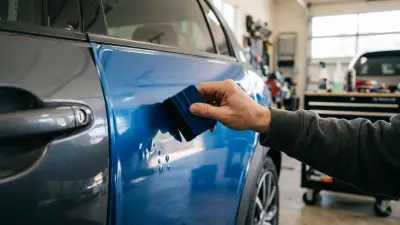
Working with KPMF requires a delicate balance of heat, tension, and precision. Always start by laying the film, rather than immediately pulling and stretching it. Use magnets to position the sheet accurately on the panel. The goal is to bridge the film, meaning to lay it across the panel with minimal tension, then work from the center out with your squeegee. For KPMF, I prefer a medium-soft felt-tipped squeegee (like a 3M Blue or Gold squeegee with a felt buffer) to prevent scratching the finish. Apply firm, overlapping strokes, always pushing air and wrinkles towards the nearest edge. For curved sections, a little heat from a heat gun (set to around 800-1000°F / 425-540°C, but always use an IR thermometer to monitor film temperature) allows the cast vinyl to stretch and conform beautifully. The key is to stretch only as much as needed to avoid overstretching, which can lead to premature lifting or discoloration.
Once the film is applied, post-heating is non-negotiable for longevity. This crucial step reactivates the adhesive and "sets" the film's memory, preventing it from pulling back from edges or recesses. You must heat all stretched areas, edges, and recessed areas to 180-200°F (82-93°C). Hold the heat gun about 6-8 inches away and move it continuously. For intricate cuts, Knifeless Design Line tape is a lifesaver, allowing you to create perfect cuts without touching the paint. Tools like a 3M rivet brush are invaluable for ensuring adhesion around rivets on trucks, and a variety of tucking tools help get film into tight seams. Don't forget edge sealing – applying a liquid edge sealer around vulnerable edges can significantly prolong the life of your wrap, especially in high-wear areas.
Common Mistakes to Avoid
Even after 10 years, I occasionally learn something new, but I've certainly seen (and fixed!) my share of common beginner mistakes. Here are a few to watch out for:
- Insufficient Surface Prep: As mentioned, this is the number one killer of wrap longevity. Any dirt, wax, or oil will prevent the adhesive from bonding properly, leading to bubbles and lifting.
- Overstretching the Film: While KPMF is conformable, too much stretch thins the film, compromises the adhesive, and can lead to discoloration, premature fading, and severe shrinkage. Always aim to lay, not pull.
- Not Post-Heating Properly: This is a critical step many DIYers skip or rush. Without proper post-heating, the film will want to revert to its flat shape, causing edges to lift and film to shrink back from recesses.
- Incorrect Blade Use: Using a dull blade can tear the film or leave jagged edges. Always use a fresh, sharp Olfa SAC-1 knife or similar precision blade, and be incredibly careful not to cut into the vehicle's paint.
- Working in the Wrong Environment: A dusty garage or outdoor installation will inevitably trap contaminants under the film. A clean, temperature-controlled space (ideally 65-75°F / 18-24°C) is essential.
I once had a client bring in a gorgeous KPMF Matte Iced Blue Titanium wrap they’d tried to DIY. The color was stunning, but the edges were peeling everywhere, and there were stretch marks on every curve. It turned out they'd skipped the clay bar, used too much heat in some spots and not enough post-heating in others, and tried to tackle it in their dusty driveway. We ended up having to remove the entire wrap and start fresh, which doubled their cost. Don't be that guy! Take your time, get the right tools, and when in doubt, consult a professional.
Choosing KPMF for your vehicle wrap is a commitment to premium quality, unique aesthetics, and lasting durability. It’s a film that allows for incredible transformations, offering a canvas for personal expression that truly stands out. By understanding its unique properties, respecting the installation process, and committing to proper maintenance, you'll not only achieve a stunning finish but also protect your investment for years to come. So, whether you're dreaming of a bold KPMF wrap pink, a sophisticated KPMF blue wrap, or a daring KPMF wrap green, you're choosing a path to a truly customized and head-turning ride.