Quick answer: High-quality vinyl wraps (like 3M 2080 or Avery SW900) range from 2.5 to 3.5 mil thick and provide vibrant aesthetic customization lasting 5–7 years. paint protection film (PPF), such as TeckWrap PPF, is a thicker 6 to 8 mil polyurethane material designed specifically for heavy impact defense, scratch resistance, and self-healing properties. Choosing between them—or combining both—depends on whether your priority is visual style, pure physical protection, or a hybrid of both.
Understanding Wrap Materials: Cast Vinyl vs. Calendered Vinyl vs. PPF
When selecting a wrap material, the choice dictates how well the film conforms to complex body lines, how long it lasts under harsh UV exposure, and how much protection it provides. Not all vinyl is created equal, and mistaking low-cost promotional film for long-term automotive wrap cast film is one of the most common mistakes DIYers and budget-conscious buyers make.
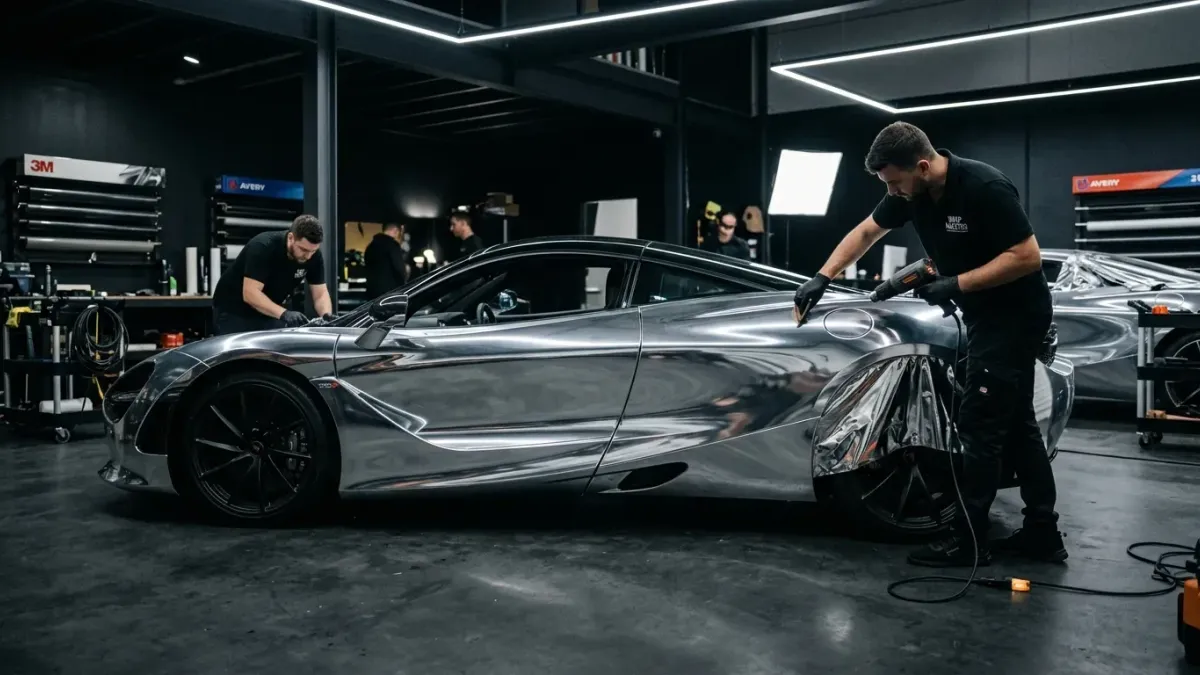
Cast vinyl is the gold standard for full vehicle transformations. It is manufactured by pouring liquid synthetic resin onto a matrix, creating a stress-free, ultra-thin film (typically 2.5 to 3.5 mil thick). Because it has no mechanical memory, cast film can be stretched up to 30% into deep recessions, door handles, and aggressive bumper contours without shrinking back over time. Premium cast lines like Avery Dennison Supreme Wrapping Film (SW900), 3m 2080 series, Oracal 970RA, and KPMF offer heat-activated air-release channels (often referred to as micro-comply technology) that allow trapped air to escape easily during squeegee passes.
calendered vinyl, by contrast, is produced by rolling a molten plastic mass through heavy steel rollers. This leaves internal tension within the film. Calendered film is noticeably thicker (4.0 to 6.0 mil), stiffer, and prone to shrinking when exposed to outdoor thermal cycles. While fine for flat box-truck panels or simple signs, applying calendered film to complex car curves usually leads to edge lifting within 6 to 12 months. For high-impact defense, thermoplastics like Paint Protection Film step in, utilizing 6.0 to 10.0 mil polyurethane structures that physically absorb stone chips and self-heal under warm sun exposure.
| Material Category | Average Thickness | Expected Lifespan | Primary Purpose | Est. Material Cost (25 Roll) |
|---|---|---|---|---|
| Cast Vinyl (3M 2080 / Avery SW900) | 2.5 - 3.5 mil | 5 - 7 Years | Color change & aesthetics | $650 - $950 |
| calendered vinyl (Economy) | 4.0 - 6.0 mil | 1 - 3 Years | Flat commercial graphics | $250 - $450 |
| Thermoplastic PPF (TeckWrap PPF) | 6.0 - 10.0 mil | 7 - 10 Years | Impact & stone chip protection | $1,100 - $1,800 |
TeckWrap PPF and the Protective Film Advantage
While standard vinyl wraps change the visual language of a vehicle, products like TeckWrap PPF focus primarily on armor-like paint defense. Engineered with a multi-layer aliphatic polyurethane core, TeckWrap PPF delivers an optically clear, hydrophobic layer over factory clear coat or existing graphics. This hydrophobic topcoat actively repels water, road tar, bug splatter, and environmental fallout, drastically shortening your detailing and maintenance schedules.
One of the biggest technological leaps in modern PPF is thermal self-healing. When fine swirl marks, light scratches, or wash haze mar the surface of TeckWrap PPF, applying heat—either via a heat gun, hot water, or direct warm sunlight—causes the clear coat polymers to realign into their original smooth state. This prevents the dulling effect that traditionally affected older protective films after a couple of years of daily driving.
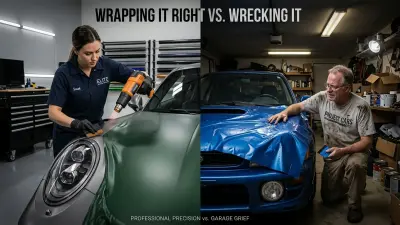
Installer tip: When wrapping high-stress recessed areas like the front bumper air intakes on a BMW M3 or Ford Mustang, never over-stretch vinyl past 15-20% without relieving tension with precise relief cuts. Always post-heat cast vinyl edges and recessed zones to 195°F–205°F (90°C–95°C) using an infrared thermometer. This breaks the vinyl's memory structure, locking it permanently into its new shape and preventing catastrophic lifting weeks down the line.
For high-end setups, many vehicle owners opt for a hybrid approach: using premium cast vinyl like 3M 2080 or Avery SW900 to execute a full color transformation, followed by installing clear PPF over high-impact strike zones such as the front bumper, hood, fenders, and side mirrors. This dual setup gives you aggressive visual styling backed by maximum impact resistance against highway debris.
Modern Wrap Design Trends and "Zeno-Style" Concepts
Vehicle wrap aesthetics have evolved far beyond standard gloss primary colors. Today’s customization scene is dominated by sophisticated visual textures, stealth finishes, and futuristic geometric themes heavily influenced by cyber-aesthetics and modern hypercar design houses often referenced under the umbrella of "Zeno-style" styling.
- Satin & Matte Stealth Coatings: Replacing traditional high-gloss finishes, frozen or satin finishes highlight muscular body lines without harsh reflections. Satin Dark Grey and Satin Black remain industry top sellers.
- Chameleon & Color-Shift Films: Formulated with multi-layered optical flake structures, these films transition between shades (e.g., deep purple to emerald green) depending on viewing angle and ambient light conditions.
- Textured & Carbon Finishes: Modern 3D/4D carbon fiber wraps and forged carbon textures mimic structural composite materials on hoods, roofs, wing mirrors, and interior trim accents.
- Chrome Delete Packages: Utilizing specialized 2-inch tape rolls or custom-cut vinyl to black out factory window trims, badges, and front grilles for a streamlined appearance.
- Cyberpunk & Geometric Accents: Inspired by minimalist, futuristic hypercar designs, modern custom wraps incorporate crisp geometric vector lines, reflective accents, and matte-over-gloss contrast patterns.
Executing modern graphic layouts requires digital precision. Professional wrap shops rely on vehicle template software to map out graphics down to the millimeter before printing on high-grade cast vinyl media. Proper panel alignment ensures that graphic elements, racing stripes, and branding elements flow seamlessly across door gaps, fender flares, and trunk lines without distending the original graphic design.
Full Wrap Installation Process & Real-World Cost Breakdown
A full vehicle wrap on a standard modern sedan or mid-sized crossover (e.g., Tesla Model Y, BMW 3-Series) typically requires roughly 18 to 22 linear meters (approx. 50–60 feet) of 60-inch wide film. Achieving a show-quality finish demands systematic preparation and disciplined installation steps to prevent contamination, bubbling, and premature peel-back.
- Thorough Surface Decontamination: Hand wash the vehicle using wax-free strip soap, follow up with a clay bar treatment to remove embedded iron and road grit, and perform a final surface wipedown with a 70/30 Isopropyl Alcohol (IPA) mix to strip lingering oil.
- Targeted Disassembly: Remove door handles, taillights, side emblems, and headlight trims where feasible to allow full film tucking into factory recesses.
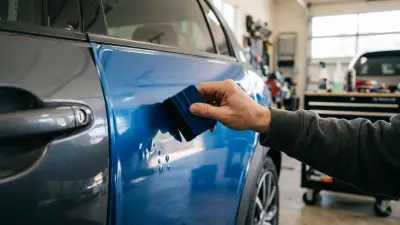
- Panel Dry Lay & Glassing: Position the film section over the panel, anchor it with magnets, pull initial tension across major flats to "glass out" wrinkles, and squeegee firmly using a felt-edge tool at a 45-degree angle.
- Trimming with Precision: Use fresh snap-off blades (or preferably Knifeless tape around paint seams) to cut film safely without running steel blades against OEM clear coats.
- Post-Heating & Reassembly: Post-heat all edges, tucked corners, and stretched areas to 195°F–205°F to set vinyl memory, then reassemble trim pieces to factory specs.
Pricing for wraps in 2026 reflects rising material quality and skilled labor rates. A professional full color change utilizing premium cast film like Avery SW900 or 3M 2080 typically runs between $3,200 and $4,800 for mid-sized sedans, while larger trucks (e.g., Ford F-150 crew cab) range from $4,500 to $6,200. DIY installation costs fall dramatically—usually down to material cost alone ($650 to $1,000 for film, plus $150 in proper tools like squeegees, heat guns, and Knifeless tape)—though it demands 20 to 30 hours of meticulous work and a clean indoor space.
Actionable Wrap Recommendation
If you want a bold aesthetic update with smooth workability, purchase a full roll of premium cast vinyl like 3M 2080 or Avery SW900; these materials are forgiving for DIYers and deliver an exceptional finish. However, if your main target is safeguarding your paint against stone chips, highway grit, and heavy daily wear, prioritize a self-healing film like TeckWrap PPF across high-impact front end zones. Before making any purchase, double-check your paint surface condition: fix peeling clear coat first, because vinyl and PPF rely on solid factory paint to bond properly and remove cleanly years down the line.
Frequently Asked Questions
How long does a quality vinyl wrap last on a daily-driven car?
When installed correctly using premium cast vinyl (such as 3M 2080 or Avery SW900) and maintained with regular hand washes, a wrap typically lasts 5 to 7 years. Cars parked outdoors continuously in intense sun regions may see a shorter lifespan of 3 to 4 years on horizontal surfaces like the hood and roof.
Can you install TeckWrap PPF over an existing vinyl wrap?
Yes, applying clear PPF over high-impact areas of an existing vinyl wrap is a smart way to protect custom gloss or matte vinyl colors from rock chips. Make sure the underlying vinyl has fully gassed off and cured for at least 48 to 72 hours before applying wet PPF film over it.
Will wrap removal damage my car’s original factory paint?
No, provided the factory paint is intact and untampered with. High-quality cast wraps are designed to be cleanly removed using controlled heat (via a heat gun or steamer), leaving little to no adhesive residue and preserving the factory clear coat underneath.