



PPF vs. Vinyl Wrap: Ultimate Guide to Protecting & Styling Your Ride
Hey there, fellow car enthusiasts and vehicle owners! As someone who’s spent over 15 years in the trenches of automotive vinyl, I know the dilemma many of you face: Should I go with Paint Protection Film (PPF) or a vibrant vinyl wrap? Both offer fantastic benefits, but they serve different primary purposes. Let’s break down the real-world differences so you can make the best choice for your beloved vehicle.
Table Of Content
Understanding paint protection film (PPF)
Think of PPF as an invisible shield for your vehicle’s paint. It’s a transparent, self-healing urethane film specifically designed to protect your car’s original finish from damage.
- What it is: PPF is a highly durable, clear film, typically made from Thermoplastic Polyurethane (TPU). The “self-healing” property means minor scratches and swirl marks often disappear with exposure to heat (like sunlight or warm water).
- Thickness: Most premium PPF films are between 6-8 mil (thousands of an inch) thick. This robust layer is what provides superior impact resistance.
- Popular Brands: Look for industry leaders like Xpel Ultimate Plus, SunTek Reaction, 3M Scotchgard Pro Series, and Stek DynoShield.
- Key Benefits:
- Unrivaled Protection: Excellent defense against rock chips, scratches, road debris, bug acids, bird droppings, and minor abrasions.
- UV Protection: Prevents your original paint from fading due to sun exposure.
- Self-Healing: Minor scratches vanish with heat.
- Maintains Resale Value: Keeps your factory paint pristine, which is a huge plus when selling.
- Longevity: Properly installed PPF can last 7-10+ years, often with warranties.
- Key Drawbacks:
- No Color Change: It’s clear, so your car’s original paint color remains.
- Higher Cost: Generally more expensive per square foot than vinyl wrap.
- Installation Difficulty: Very challenging for DIY due to its thickness and stretch properties; professional installation is highly recommended.
- Real-World Cost (Professional Install, 2025-2026):
- Full front end (bumper, hood, fenders, mirrors) on a 2024 Tesla Model 3: $1,800 – $3,000.
- Full vehicle wrap on a luxury sedan (e.g., Mercedes-Benz E-Class): $5,000 – $8,000+.
Understanding Vinyl Wrap
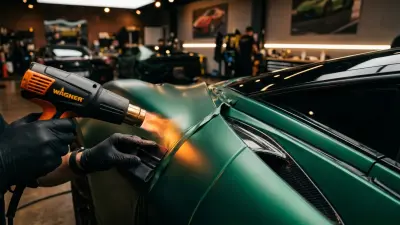
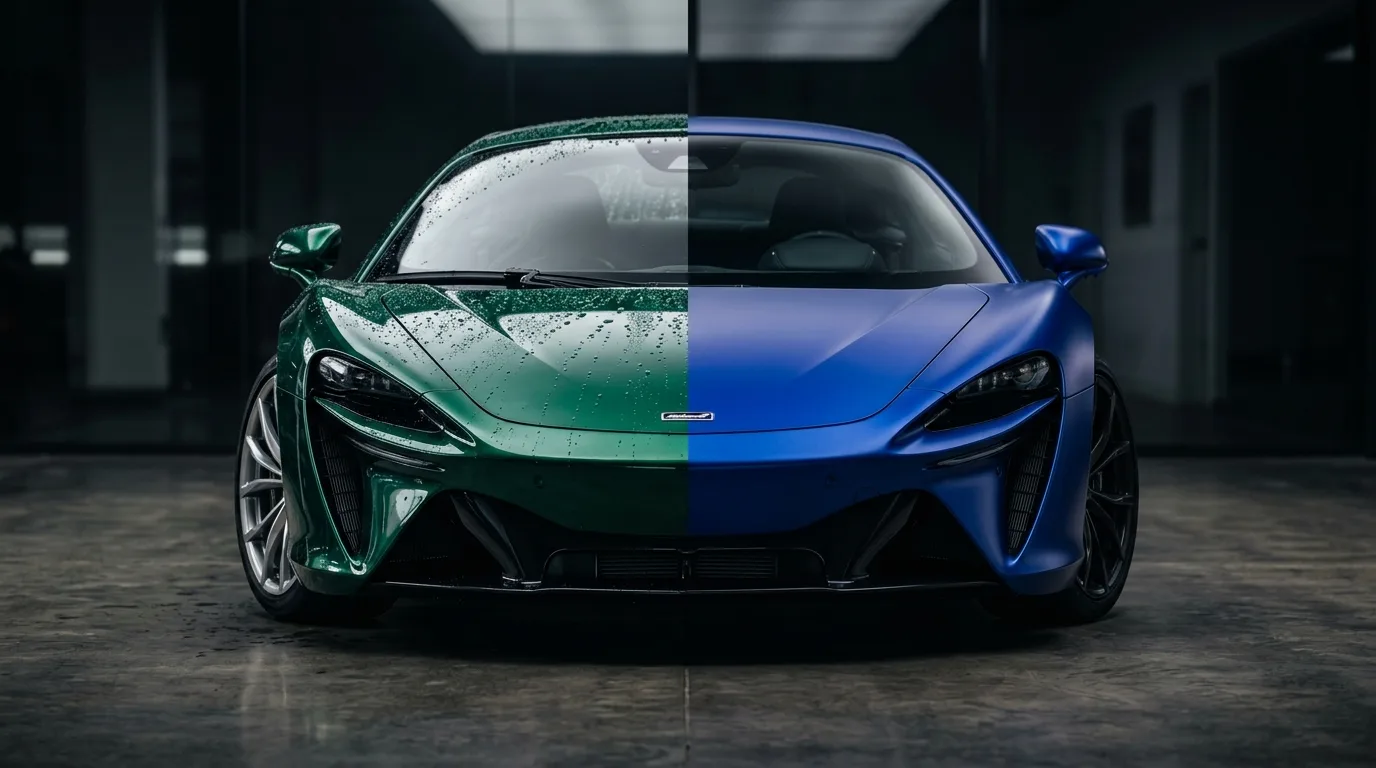
If you’re looking to transform your vehicle’s appearance, a vinyl wrap is your go-to. It’s a colored or textured film that adheres to your car, offering a complete aesthetic overhaul.
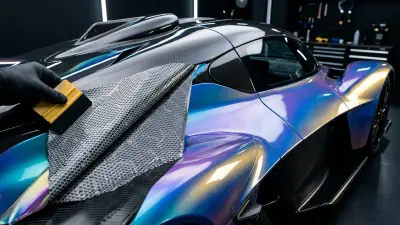
- What it is: Vinyl wrap is an adhesive-backed PVC film, available in an incredible array of colors, finishes (matte, gloss, satin), and textures (carbon fiber, brushed metal). For full vehicle wraps, we primarily use cast vinyl – this premium, heat-activated film conforms beautifully to complex curves without shrinking back over time, unlike cheaper calendered vinyl which is stiffer and better suited for flat surfaces.
- Thickness: High-quality cast vinyl films are typically 2.5–3.5 mil thick.
- Popular Brands: The best in the business include 3M 2080/1080 series, Avery Dennison Supreme Wrapping Film, Oracal 970RA, Hexis, and Arlon.
- Key Benefits:
- Unlimited Customization: Change your car’s color, finish, and even add custom graphics without repainting.
- Temporary Paint Protection: Provides a barrier against minor scratches, swirls, UV damage, and chemical stains.
- Removable: Can be removed cleanly without damaging the original paint (if the paint was in good condition prior to wrapping).
- Cost-Effective Style: Generally less expensive than a professional paint job.
- Key Drawbacks:
- Less Impact Protection: Not designed to stop rock chips like PPF.
- Lifespan: Typically lasts 3-7 years, depending on film quality, installation, and maintenance.
- Doesn’t Self-Heal: Scratches on vinyl remain unless repaired.
- Real-World Cost (Professional Install, 2025-2026):
- Full color change wrap on a 2024 Honda Civic: $2,800 – $4,500 (depending on finish like matte vs. gloss).
- Full wrap on a Ford F-150 crew cab (requires 18–22 linear meters of 60-inch film): $4,000 – $6,500.
PPF vs. Vinyl Wrap: Head-to-Head Comparison
Let’s put them side-by-side to highlight the core differences:
- Primary Purpose:
- PPF: Maximum paint protection, preserving original finish.
- Vinyl Wrap: Aesthetic transformation, temporary paint protection.
- Appearance:
- PPF: Clear, invisible, enhances original paint gloss.
- Vinyl Wrap: Full color/texture change, opaque.
- Protection Level:
- PPF: Superior impact resistance against rock chips, deep scratches.
- Vinyl Wrap: Good protection against minor abrasions, UV, and environmental contaminants.
- Durability & Lifespan:
- PPF: 7-10+ years, self-healing.
- Vinyl Wrap: 3-7 years, no self-healing.
- Cost:
- PPF: Higher initial investment for equivalent coverage.
- Vinyl Wrap: Generally more affordable for a full vehicle transformation.
- Maintenance:
- Both require regular washing. PPF can be ceramic coated. Vinyl wraps also benefit from specific sealants and care products to extend life.
When to Choose Which
Here’s my advice from years of seeing what works best for different needs:
- Choose PPF if:
- Your top priority is preserving your vehicle’s factory paint and its resale value.
- You frequently drive on highways, gravel roads, or in areas prone to road debris.
- You own a luxury, exotic, or classic car where paint originality is paramount.
- You love your current paint color and finish, but want to keep it flawless.
- Choose Vinyl Wrap if:
- You want to completely change the look of your vehicle without a permanent repaint.
- You’re looking for unique colors, textures, or custom graphics that paint can’t easily achieve.
- You want a cost-effective way to refresh your vehicle’s appearance.
- You want to protect your original paint from minor wear and tear, UV, and swirl marks, but impact protection isn’t your primary concern.
- You’re considering a temporary change or want to experiment with different looks.
Can You Have Both? Absolutely!
For the ultimate in protection and style, many enthusiasts choose to combine them. You can apply a full color change vinyl wrap and then install clear PPF over high-impact areas (like the front bumper, hood, and fenders) to protect the vinyl wrap itself from chips and scratches. This is a premium solution often seen on high-end custom builds.
Final Thoughts
Both PPF and vinyl wraps offer incredible benefits for vehicle owners. The “right” choice truly depends on your priorities: do you value invisible, heavy-duty paint protection above all else, or are you primarily seeking a dramatic aesthetic transformation with good underlying protection? Whichever path you choose, remember that professional installation is key to achieving a flawless finish and maximizing the lifespan of your investment. Don’t hesitate to visit your local trusted wrap shop or check out more resources right here on Car Wrap Info to discuss your specific needs!