Unlock the Shine: Why Deep Cleaning Your Wrap Matters More Than You Think
You’ve invested in a beautiful vehicle wrap – whether it’s a vibrant color change, a sleek matte finish, or protective PPF. You want it to look sharp, protect your paint, and last for years, right? Well, beyond the regular maintenance wash, there comes a time for a deeper clean, especially when stubborn stains or environmental contaminants try to dull your ride's appeal. Ignoring these issues isn't just about aesthetics; it's about preserving the integrity and longevity of your investment. Think of it as preventative care for your wrap – a little effort now saves a lot of headache (and money) later.
As someone who's wrapped hundreds of vehicles, from classic muscle cars to brand-new Teslas, I've seen firsthand how proper deep cleaning can dramatically extend a wrap's life, helping it achieve that 5-7+ year lifespan we all aim for. It's not just about spraying some water; it's about understanding what your wrap needs and using the right techniques and products. Let's dive into the specifics of keeping your wrap pristine, tackling everything from everyday grime to those dreaded, stubborn stains.
The Golden Rules of Deep Cleaning Your Wrap: Beyond the Basic Wash
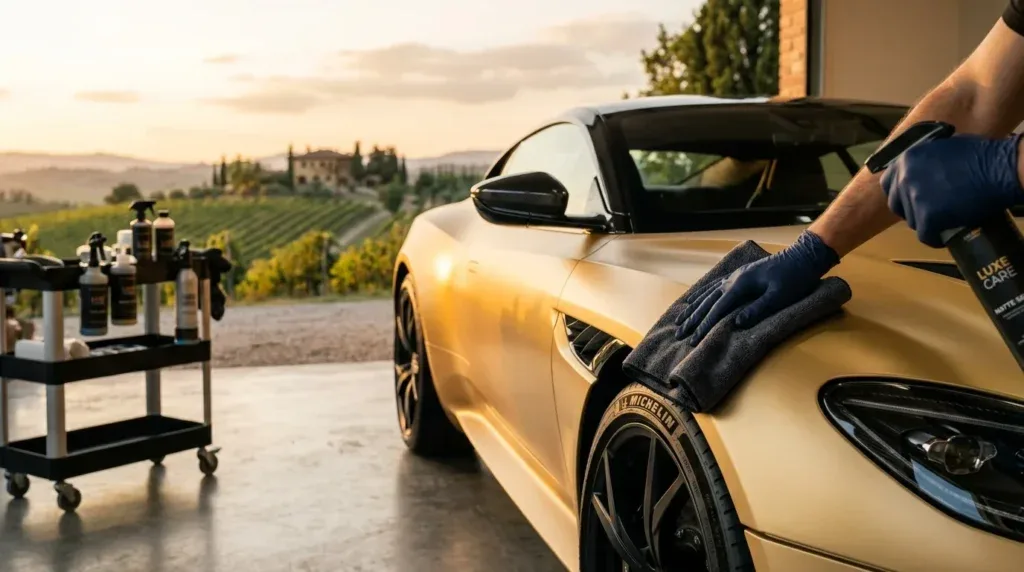
When we talk about deep cleaning, we're going beyond a quick rinse and soap-up. We're focusing on removing embedded dirt, light oxidation, and preparing the surface for protection. The foundational principle for any wrap cleaning is always to be gentle. Your vinyl wrap, whether it’s a cast vinyl like 3M 2080 or Avery Supreme Wrapping Film, or a robust PPF (paint protection film) that's typically 4-5 mil thick, is durable but not indestructible against harsh chemicals or abrasive scrubbing.
Always start with a thorough rinse to remove loose dirt and debris. Then, opt for a high-quality, pH-neutral car wash soap. What does "pH-neutral" mean? It simply means the soap is neither acidic nor alkaline, making it safe for your wrap's delicate surface without stripping any protective layers or causing discoloration. Use the two-bucket method: one bucket for soapy water and another for rinsing your wash mitt, preventing grit from scratching your wrap. Use a soft microfiber wash mitt and always wash in straight lines, not circles, to minimize swirl marks.
After washing, rinse thoroughly with clean water, ideally using a sheeting nozzle to reduce water spots. Then, dry the wrap immediately with a clean, soft microfiber drying towel. Don't let it air dry completely, especially in direct sunlight, as this can lead to mineral deposits and water spots that are much harder to remove. This meticulous approach is the bedrock of keeping your wrap looking fresh between those deeper cleaning sessions.
Tackling Common Stains & Contaminants with Precision
Now, let's get to the really critical point: specific stain removal. This is where many DIYers get nervous, but with the right approach, you can handle almost anything without damaging your wrap. Always remember to address stains as quickly as possible; the longer they sit, the harder they are to remove and the higher the risk of permanent damage or staining.
Bird Droppings and Bug Guts
These are notorious for etching into clear coats and wraps if left too long due to their acidic nature. For fresh droppings or bugs, a quick spray with a detailer spray or a mix of gentle soap and water, followed by a soft wipe with a microfiber cloth, usually does the trick. For tougher, dried-on grime, lay a wet microfiber towel over the spot for 5-10 minutes to rehydrate it. Then, gently wipe away. Products like Adam's Polishes Bug & Tar Remover are generally safe for wraps when used as directed.
Tree Sap & Road Tar
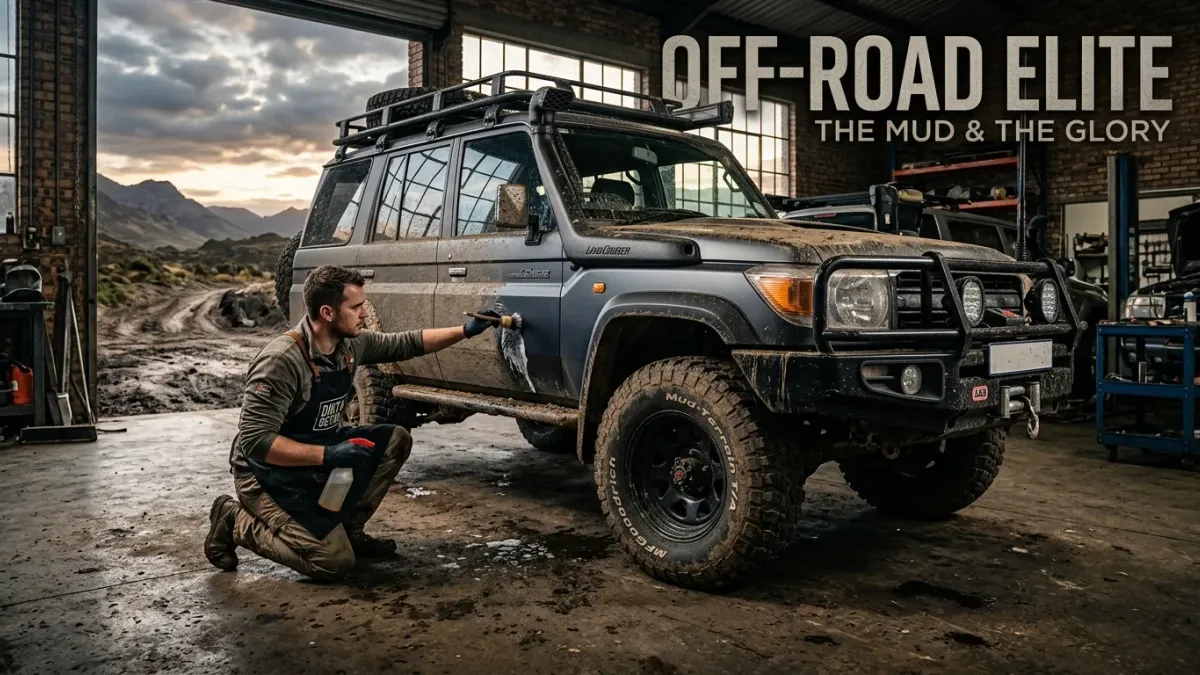
These sticky culprits require a bit more specific attention. For tree sap, try a small amount of isopropyl alcohol (IPA) on a microfiber cloth. Dab, don't rub aggressively, and work in small sections. For road tar, dedicated tar removers are your best friend. I've had great success with 3M General Purpose Adhesive Cleaner or even some automotive-grade tar removers like those from Griot's Garage or Chemical Guys. Apply a small amount to a clean microfiber cloth, gently wipe the affected area, and then immediately follow up with a quick wash of that specific area to remove any residue. Always test a small, inconspicuous area first, especially with stronger solvents.
Oil, Grease, and Fuel Spills
Accidental fuel spills are common, especially around the gas cap. Wipe these immediately with a clean microfiber cloth. If a stain remains, a gentle degreaser (diluted according to instructions) or IPA can help. For oil and grease, a dedicated degreaser designed for automotive use is best. Remember to rinse the area thoroughly after using any degreasing or solvent product.
Water Spots
Hard water spots can be annoying. For light spots, a 50/50 mix of distilled white vinegar and water often works wonders. Spray on, let it dwell for a minute, and wipe off. For more stubborn spots, there are specific water spot removers on the market (e.g., CarPro Spotless) that are generally safe for wraps. Just ensure you don't let them dry on the surface and always rinse well afterward.
Deep Cleaning for Longevity: Protection Beyond Stain Removal
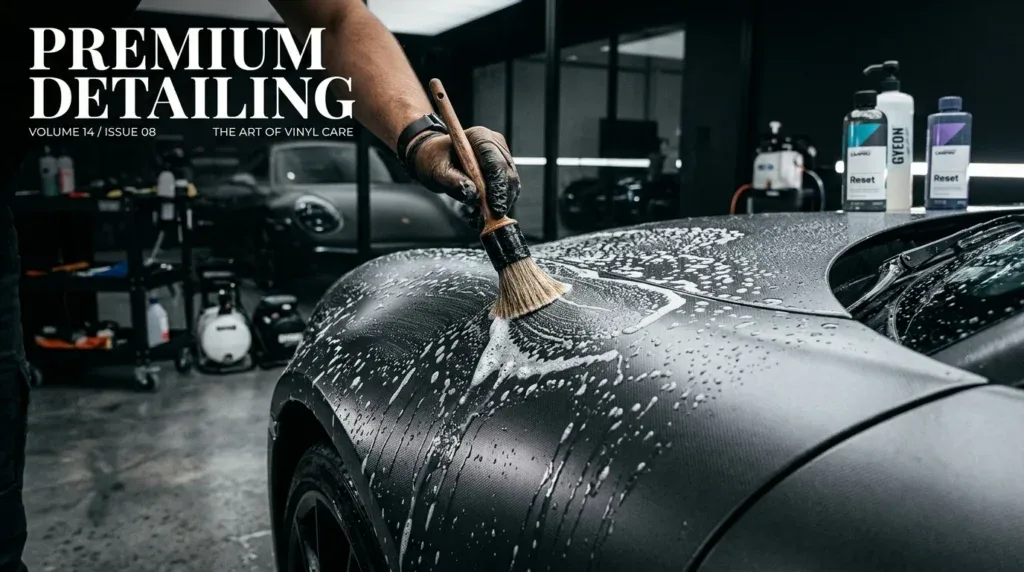
Once your wrap is sparkling clean and free of stains, the next step is protecting that pristine finish. This is where sealants and ceramic coatings come into play, offering an extra layer of defense against environmental contaminants and making future cleaning a breeze. For example, imagine this situation: you've just spent an hour meticulously cleaning your wrapped Ford F-150 crew cab, which probably took 18-22 linear meters of 60-inch film to wrap. You want that effort to last, right?
Applying a wrap-safe sealant or ceramic coating creates a hydrophobic barrier, meaning water and dirt will bead up and roll off the surface more easily. This reduces the chances of water spots, makes bug and bird dropping removal simpler, and offers excellent UV protection, which is crucial for preventing your wrap from fading or deteriorating prematurely. Brands like Gtechniq, Ceramic Pro, and Feynlab offer specific ceramic coatings formulated for vinyl and PPF that can provide years of enhanced protection.
For DIY application, look for spray-on ceramic sealants or dedicated wrap-sealants. Products like Chemical Guys Wrap Detailer or 3M's Wrap & Surface Cleaner often contain UV inhibitors and polymers that provide a decent level of protection and gloss enhancement for gloss wraps. For matte wraps, always use products specifically designed for matte finishes to avoid creating shiny spots. Apply these products sparingly with a microfiber applicator pad and buff off with a clean, dry microfiber cloth. This extra step, done every 3-6 months depending on the product, can significantly extend the life and visual appeal of your wrap, keeping it looking factory fresh.
What NOT to Do: Common Mistakes That Ruin Wraps
Honestly, knowing what to avoid is just as important as knowing what to do. In my opinion, this is where most DIYers go wrong, turning minor issues into major headaches. Avoiding these pitfalls will save you from expensive repairs or premature wrap removal.
- Harsh Chemicals: Never use abrasive cleaners, wax with petroleum distillates, or strong solvents like acetone, paint thinner, or oven cleaner. These will severely damage, discolor, or even melt your vinyl. Stick to pH-neutral, wrap-safe products.
- Abrasive Tools: Avoid stiff brushes, scour pads, or anything that could scratch the vinyl. Always use soft microfiber cloths, sponges, or wash mitts.
- High-Pressure Washing: While pressure washers can be handy, too much pressure or holding the nozzle too close (closer than 12-18 inches) can lift edges, damage seams, or even tear the vinyl. Keep the pressure below 1200-1500 PSI and maintain a safe distance, especially around vulnerable edges and cut lines.
- Automatic Car Washes with Brushes: These are a definite no-go for wrapped vehicles. The harsh brushes can scratch the vinyl, lift edges, and damage the wrap. Stick to touchless automatic washes if you must, but hand washing is always preferred.
- Ignoring Stains: As mentioned, procrastination is your enemy. Bird droppings, bug guts, and tree sap left on the wrap for too long will inevitably cause permanent staining or etching, even on premium cast vinyls like Oracal 970RA.
- Waxes Designed for Paint: Many traditional car waxes contain ingredients that can build up on vinyl, leaving a hazy residue, especially on matte or satin finishes. Always use specific wrap sealants or waxes.
By simply being aware of these common mistakes, you're already light-years ahead in wrap care. A little vigilance goes a long way in ensuring your full wrap on a 2024 Tesla Model Y (which typically costs $4,200–$5,800 depending on finish) stays looking its best for years.
Your Wrap, Pristine and Protected for Years to Come
Maintaining a vehicle wrap isn't rocket science, but it does require diligence and the right approach. By understanding the nuances of deep cleaning, knowing how to tackle specific stains, and protecting your investment with appropriate sealants, you can ensure your wrap not only looks incredible but also lasts for its full intended lifespan, often 5-7 years or even longer. Whether you're a DIY enthusiast or you rely on professionals, these tips from car wrap Info should empower you to keep your vehicle looking as sharp as the day it rolled out of the wrap shop. Don't just wash your wrap; truly care for it, and it will reward you with years of head-turning style and paint protection.