Understanding the Foundation: Cast vs. Calendered Vinyl (and the Finish Layer)
Before we dive into the dazzling array of finishes, it's crucial to understand the fundamental types of vinyl film that carry these finishes. The film's construction is the backbone of its performance, influencing everything from how it handles complex curves to how long it lasts. Getting this right is step one to avoiding expensive regrets down the line.Cast Vinyl: The Premium Choice
When we talk about high-quality vehicle wraps, we're almost always talking about cast vinyl. This premium film is manufactured by pouring liquid polymers onto a casting sheet, which is then cured in an oven. This process creates a very thin, stable, and durable film, typically ranging from 2.5 to 3.5 mil in thickness. Because it’s cast, it has virtually no "memory" of being stretched during manufacturing, meaning it conforms exceptionally well to complex curves, recesses, and rivets without shrinking back excessively over time. Brands like 3M's 2080/1080 series, Avery Dennison's Supreme Wrapping Film, Oracal's 970RA, Hexis, and Arlon are all excellent examples of cast films. They offer superior conformability, longevity (often 5-7 years or more), and a high-quality finish, making them the industry standard for full vehicle wraps.Calendered Vinyl: The Cost-Effective Option
On the other hand, calendered vinyl is produced by extruding a polymer paste through rollers, which flattens and stretches the material into a sheet. This manufacturing process makes it more affordable and generally thicker, often 3.5 to 4.5 mil. While calendered films are perfectly suitable for flatter surfaces like simple graphics on fleet vehicles, sign-making, or walls, they retain a "memory" of being stretched. This means they are less dimensionally stable and tend to shrink back over time, especially when exposed to heat or direct sunlight. Using calendered vinyl for a full vehicle wrap, particularly on curved areas, is a recipe for disaster: expect lifting edges, bubbles, and a significantly reduced lifespan. It's a classic example of "you get what you pay for" – save your money and stick with cast film for anything beyond flat panel accents.How the Finish is Applied
The finish itself, whether it's a deep gloss, a subtle matte, or a velvety satin, is typically created in a few ways. For most premium cast films, the finish is integrated into the top layer of the vinyl during manufacturing or through a protective laminate layer. For instance, a gloss finish is achieved with a high-gloss topcoat or laminate that reflects light intensely. A matte finish uses a special coating designed to diffuse light, resulting in a non-reflective, flat appearance. Satin strikes a balance, offering a micro-textured or specially formulated coating that provides a muted reflection. Chrome finishes involve a highly reflective metallic layer, often protected by clear vinyl. Understanding this helps you appreciate why certain finishes behave differently during installation and over their lifespan.The Main Event: Popular Vinyl Finishes Demystified
Now that we've covered the basics of film construction, let's get into the fun part: exploring the most popular vinyl finishes. Each one tells a different story and comes with its own set of characteristics that are important to consider. What might look fantastic on a show car could be a nightmare to maintain on a daily driver, and vice-versa.Gloss Finishes: Mirror-Like Shine
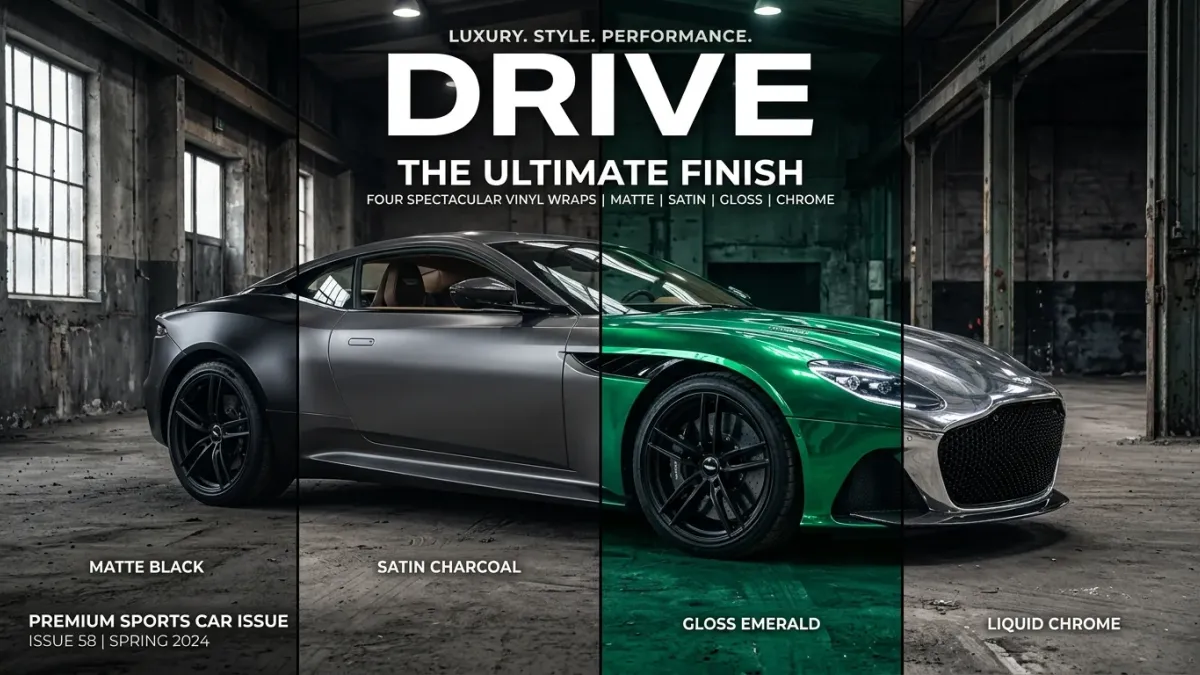
Gloss is the most common and classic vinyl finish, designed to mimic the high-sheen appearance of a freshly polished paint job. It reflects light intensely, making colors pop and accentuating the lines and curves of a vehicle.Pros: Gloss films offer vibrant color saturation and a luxurious, paint-like appearance. They are generally the most forgiving during installation, as minor imperfections or squeegee marks tend to blend in more easily. When maintained correctly, they can look incredibly sharp for years. Brands like 3M 2080 Gloss Black or Avery Supreme Gloss White are perennial favorites for their depth and clarity.
Cons: Just like high-gloss paint, gloss vinyl is prone to showing swirl marks, scratches, and dust. Water spots can also be more noticeable if not dried properly after washing. For a full wrap on a 2024 Tesla Model Y, a gloss finish might cost $4,200–$5,000 professionally installed, offering a stunning, reflective aesthetic.
Maintenance: Regular washing with a pH-neutral car soap is key. Gloss wraps can generally be waxed or ceramic coated, just like paint, to enhance shine and provide an extra layer of protection. Aim for washes every 1-2 weeks.
Matte Finishes: Stealth and Sophistication
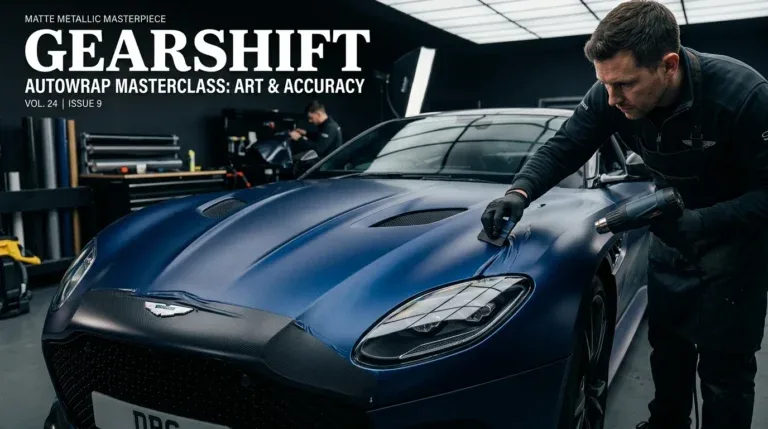
Matte finishes absorb light rather than reflecting it, giving the vinyl a flat, non-reflective, and often "stealthy" appearance. It's a bold choice that screams modern luxury and can completely transform the character of a vehicle.Pros: Matte wraps are excellent at hiding minor imperfections in the underlying paint and can give a vehicle a truly unique, aggressive, or sophisticated look. They don't show swirl marks like gloss finishes do. Think about a sleek Lamborghini wrapped in 3M 2080 Matte Black – it's an undeniable statement.
Cons: Matte finishes can be more challenging to install because any stretch marks, fingerprints, or trapped debris are highly visible. They also tend to show oils, smudges, and certain stains more readily. You *cannot* wax a matte finish; traditional waxes will fill the micro-texture and create shiny spots, ruining the matte effect. A matte wrap on that same Tesla Model Y might be in the $4,500–$5,500 range due to the slightly more meticulous installation requirements and specialized film.
Maintenance: Use only specific matte-safe cleaners and detail sprays. Avoid automatic car washes with brushes, as these can damage the finish. Wash frequently (weekly) to prevent dirt buildup, and gently blot dry to avoid water spots. post-heating matte films during installation is crucial to ensure adhesion and prevent lifting, usually to 180-200°F.
Satin Finishes: The Best of Both Worlds
Satin finishes sit elegantly between gloss and matte, offering a subtle sheen that’s not quite reflective, not quite flat. It's a sophisticated "semi-gloss" look that has gained immense popularity for its understated elegance.Pros: Satin wraps provide a luxurious appearance without the high-maintenance demands of gloss or the sometimes-temperamental nature of matte. They are less prone to showing swirl marks than gloss and tend to be more forgiving with fingerprints and minor stains than matte. Oracal 970RA Satin Black is a fantastic choice for a refined, modern look.
Cons: While more forgiving, satin finishes still require attention to avoid visible stretch marks during installation, especially in highly contoured areas. They can also be slightly harder to clean certain types of grime compared to a slick gloss surface. The cost for a satin wrap on a Tesla Model Y would likely fall between gloss and matte, perhaps $4,300–$5,300.
Maintenance: Like matte, avoid traditional waxes. However, specialized satin detail sprays are available and can help maintain the finish. Regular hand washing with pH-neutral soap is recommended. Satin is often my personal recommendation for a daily driver looking for something unique yet practical.
Chrome/Specialty Finishes: Daring and Distinctive
Chrome, color-shifting, textured (like brushed metal or carbon fiber), or iridescent films fall under the specialty category. These finishes are designed for maximum impact and are definitely not for the faint of heart.Pros: There's no denying the head-turning power of a full chrome wrap or a vibrant color-shift film. These finishes offer unparalleled visual distinction, making a vehicle impossible to ignore. They are the ultimate expression of customization for show cars or unique projects.
Cons: This is where things get tricky and expensive. Chrome films, in particular, are notoriously difficult to install. They are often thicker and stiffer than standard cast films, showing every underlying imperfection, every stretch mark, and every speck of dust. Their adhesive is often very aggressive, making repositioning difficult. They are also the least durable, typically lasting 1-3 years before delaminating or hazing, and are very susceptible to scratches and damage. A chrome wrap on a vehicle like a Ford F-150 crew cab, which typically requires 18-22 linear meters of 60-inch film, could easily run $6,000–$10,000 or more professionally installed.
Maintenance: Extremely delicate. Chrome and specialty films require meticulous hand washing with soft microfiber towels and specific, non-abrasive cleaners. Avoid any harsh chemicals or pressure washers. These films are high-risk, high-reward.
To help visualize these differences, here's a quick comparison:
| Finish Type | Appearance | Typical Durability | Maintenance Effort | Relative Cost | Common Application |
|---|---|---|---|---|---|
| Gloss | High sheen, paint-like, reflective | 5-7 years | Moderate (shows swirls) | $$ | Daily drivers, vibrant colors, classic look |
| Matte | Flat, non-reflective, sophisticated | 5-7 years | High (special cleaners, shows oils) | $$$ | Modern luxury, stealth look, unique statement |
| Satin | Subtle sheen, semi-gloss | 5-7 years | Medium (more forgiving than matte) | $$$ | Elegant, understated, practical uniqueness |
| Chrome/Specialty | Mirror-like, textured, color-shift | 1-3 years | Very High (very delicate, specific products) | $$$$ | Show cars, extreme customization, temporary impact |
Beyond Looks: Practical Considerations & Real-World Application
Choosing a finish isn't just about what looks good in a picture; it’s about how that finish integrates with your lifestyle, your vehicle's use, and your budget. As a wrap expert, I've seen countless times where an owner fell in love with a finish but hadn't fully considered the practicalities. Let's make sure you don't make that mistake.Longevity, Durability, and Maintenance Demands
The lifespan of a wrap is heavily influenced by the film type, its finish, and, crucially, how well it's maintained. Most quality cast films (gloss, matte, satin) from reputable brands like 3M or Avery are rated for 5-7 years. However, specialty films like chrome will rarely last beyond 1-3 years in real-world conditions. PPF (paint protection film), which is a clear, thicker (often 4-5 mil) polyurethane film designed solely for protection, typically lasts 7-10 years, and it can come in gloss or matte finishes too, offering paint protection with a visual change.Maintenance is the biggest factor in reaching or exceeding these lifespans. Neglecting regular cleaning, using harsh chemicals, or parking in direct sunlight for extended periods will significantly shorten your wrap's life. Think about how often you're willing to wash your car by hand. If it's once a month, a matte or chrome finish will likely disappoint you. If you're a weekly washer, you have more options.
The Impact of Vehicle Type and Use
Consider your vehicle and how you use it. A compact sedan might wear a glossy wrap beautifully, accentuating its sleek lines. A rugged off-roader, like a Ford F-150 crew cab, often looks fantastic in a satin or matte finish, which can mask minor trail dust and scratches better. For fleet vehicles, durability and ease of cleaning are paramount, making gloss or satin the practical champions.The amount of film needed also varies wildly. A compact car like a Honda Civic might take 13-15 linear meters of 60-inch film, while a large SUV or a long-bed crew cab truck could easily require 20-25 linear meters. For a full wrap on a 2024 Tesla Model Y, which is a fairly common vehicle I've wrapped, we're typically looking at around 16-18 linear meters of 60-inch film. This directly impacts your material cost, especially with premium films.
Cost Implications: DIY vs. Professional, Finish vs. Film Type
The financial aspect is a major decider. The total cost of a wrap encompasses materials, labor (if professional), and potentially tools (if DIY).- DIY Material Cost: For a good quality cast film (e.g., 3M 2080 or Avery SWF), expect to pay $800–$2,000 for enough film for an average car, depending on the finish and brand. Specialty films can push this higher.
- DIY Tool Cost: A basic tool kit including a heat gun (like a Steinel HL 1920 E or 3M Accuspray Heat Gun), a good set of squeegees (e.g., 3M Blue, Gold, or Monkey Strips), a sharp knife (Olfa or NT Cutter), Knifeless tape (3M Design Line is excellent), and a 3M rivet brush for complex areas, might run you $200–$500.
- Professional Installation Cost (2025-2026):
- Full Color Change Wrap (Gloss/Satin/Matte): For an average sedan or mid-size SUV (like a Tesla Model Y), expect $4,200–$5,800. Larger vehicles like a Ford F-150 crew cab will be $5,500–$7,500.
- Chrome Wrap: These are significantly more, often $6,000–$10,000+ due to material cost and extreme labor difficulty.
- PPF (Clear Bra, Full Front): $1,800–$3,500. Full vehicle PPF can be $5,000–$8,000+.
- Matte vs. Gloss: Matte finishes can sometimes be slightly more expensive for professional installation due to the increased time and precision required to avoid marks.
While DIY saves on labor, it requires significant time, patience, and a steep learning curve. The risk of costly mistakes (ruining film, poor finish, early lifting) is high. Professional installers offer expertise, warranty, and peace of mind.
Installation Nuances for Different Finishes
The finish doesn't just impact looks; it affects how the installer works. Gloss films are generally the most forgiving. You can often 'wet' apply certain types (though dry is more common for full wraps) and slide them around more easily. Squeegee pressure needs to be firm and consistent. Post-heating to 180-200°F is critical for all films to "set" the adhesive and prevent lift.Matte and satin films are more prone to showing "squeegee lines" or pressure marks if not applied perfectly. Overworking the film or using excessive heat can also result in an unwanted sheen or "tiger stripes." A heat gun set around 200-250°F is typical for stretching, but always be mindful not to overheat. Chrome films are in a league of their own – they are stiffer, don't like to stretch much, and demand an absolutely spotless environment. Any dust speck will show through like a magnifying glass. Minimal stretching, meticulous cleaning, and often multiple installers are needed to get a decent result with chrome.
Making Your Choice: My Expert Recommendations
After countless wraps and conversations with car owners, I've developed a pretty good sense of what works best for different scenarios. My goal is always to help you find a finish that you'll love not just on day one, but for years to come.For the Daily Driver
If your vehicle is your workhorse, shuttling kids, commuting, or enduring daily wear and tear, practicality is paramount. I typically steer clients towards **satin** or **gloss** finishes. Satin offers a fantastic balance of unique style and relatively easy maintenance, hiding minor blemishes better than gloss. Gloss is a classic, durable choice that's compatible with ceramic coatings for added protection and shine. Brands like Avery Supreme or 3M 2080 in their satin or gloss offerings are perfect here.For the Show Car/Enthusiast
This is where you can truly unleash your creativity. If your vehicle is primarily for shows, weekend cruises, or simply making a statement, then **chrome** or other **specialty finishes** (like iridescent, color-shift, or textured carbon fiber) come into play. Just be prepared for the significantly higher cost, shorter lifespan, and demanding maintenance schedule. For a more sophisticated show look that still offers some durability, a vibrant, deep **gloss** or a moody **matte** from Oracal 970RA or Hexis can be incredibly impactful.For Commercial Fleets
For businesses, the wrap is an investment in branding, so durability, longevity, and ease of maintenance are non-negotiable. **Gloss** finishes are almost always the go-to here. They are easy to clean, highly reflective for good visibility, and offer the longest lifespan in a commercial setting. Satin can also work for a more premium brand image, but be mindful of the slightly higher maintenance. Always opt for premium cast films from established brands for fleet work; they hold up better to constant cleaning and varying conditions.Your Actionable Checklist for Choosing a Finish
Making the final decision requires weighing all these factors. Here’s a quick checklist to guide you:- Assess Your Maintenance Commitment: Be brutally honest with yourself. How often are you willing to hand wash your vehicle? If it's not weekly, steer clear of matte and chrome.
- Consider Your Budget: Factoring in material cost, installation (DIY vs. Pro), and the potential for premature re-wrapping (especially with specialty films).
- Reflect on Your Vehicle's Use: Daily driver, show car, or commercial? This dictates practicality vs. aesthetic risk.
- Get Physical Samples: Pictures online rarely do justice. Ask your installer for physical swatches of your top choices and view them in different lighting conditions.
- Research Reputable Brands: Stick to established names like 3M, Avery Dennison, Oracal, Hexis, KPMF, and Arlon. Their quality is consistent, and their warranties are reliable.
- Consult a Professional: Even if you plan to DIY, get advice from an experienced installer. They've seen what works and what doesn't on real vehicles.