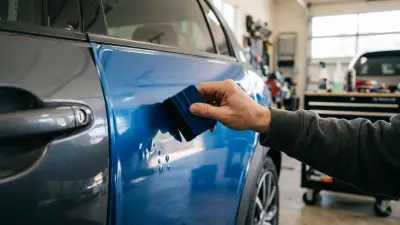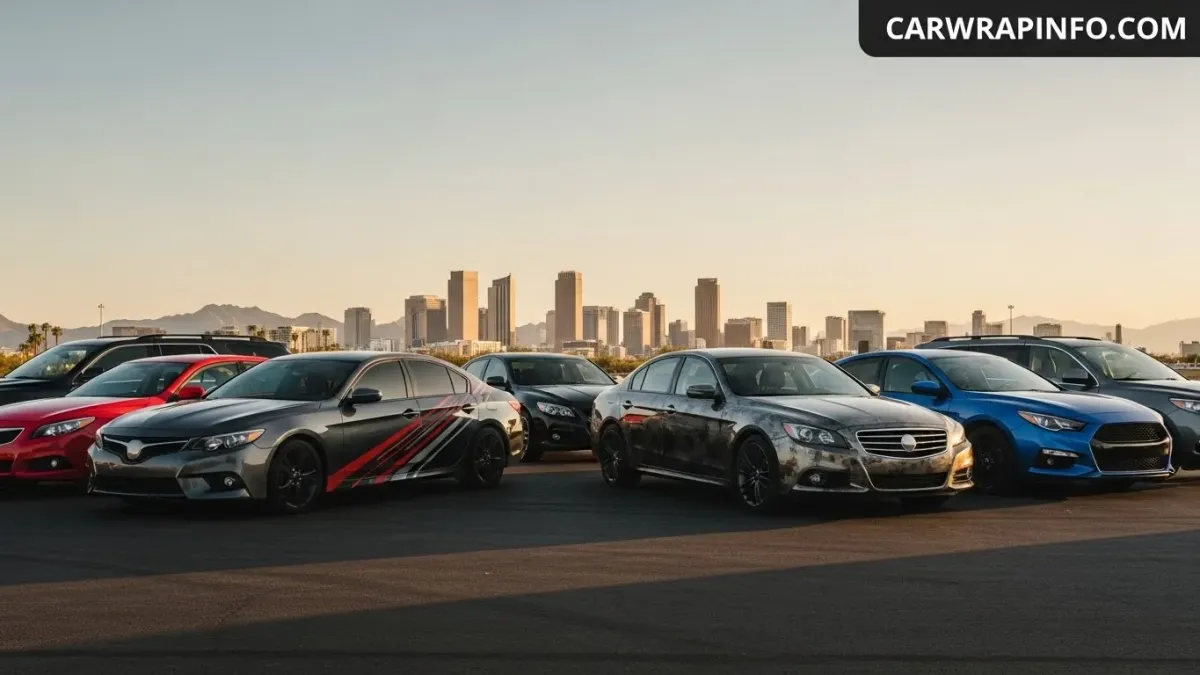
Living in the Valley of the Sun, you know how brutal our climate can be on a vehicle's paint. That relentless Arizona sunshine, coupled with dust storms and extreme temperatures, can fade, crack, and chip your car's finish faster than almost anywhere else. It’s no wonder then that car wraps have exploded in popularity across Phoenix, Scottsdale, and Mesa. More than just a cosmetic upgrade, a quality vinyl wrap is a smart investment, offering a fantastic way to shield your pride and joy from the elements while giving it a complete aesthetic overhaul. As someone who's spent over 15 years knee-deep in vinyl, from tiny smart cars to full-size fleets, I've seen firsthand how a well-executed wrap can completely transform a vehicle.
Why Phoenix Drivers Are Choosing Car Wraps: More Than Just a Pretty Face
Here in Phoenix, protecting your vehicle's exterior isn't just about vanity; it's a necessity. The intense UV radiation and soaring temperatures aren't just uncomfortable for us; they relentlessly attack your car's clear coat, leading to premature fading, oxidation, and clear coat failure. This is precisely why car wraps have become such a popular solution, moving beyond mere aesthetics to offer substantial, practical benefits.
The Desert's Toll on Your Paint
Think about it: your car sits out in 115-degree heat for hours, day after day. The sun's UV rays are powerful enough to cook an egg on the pavement, so imagine what they're doing to your paint. Traditional paint jobs, even high-quality ones, struggle to maintain their luster and integrity under such constant assault. Rock chips from desert roads and the occasional dust storm acting like sandpaper only add to the problem. A wrap acts as a sacrificial layer, taking the brunt of these environmental hazards instead of your factory paint.
The Dual Benefit: Aesthetic & Protection
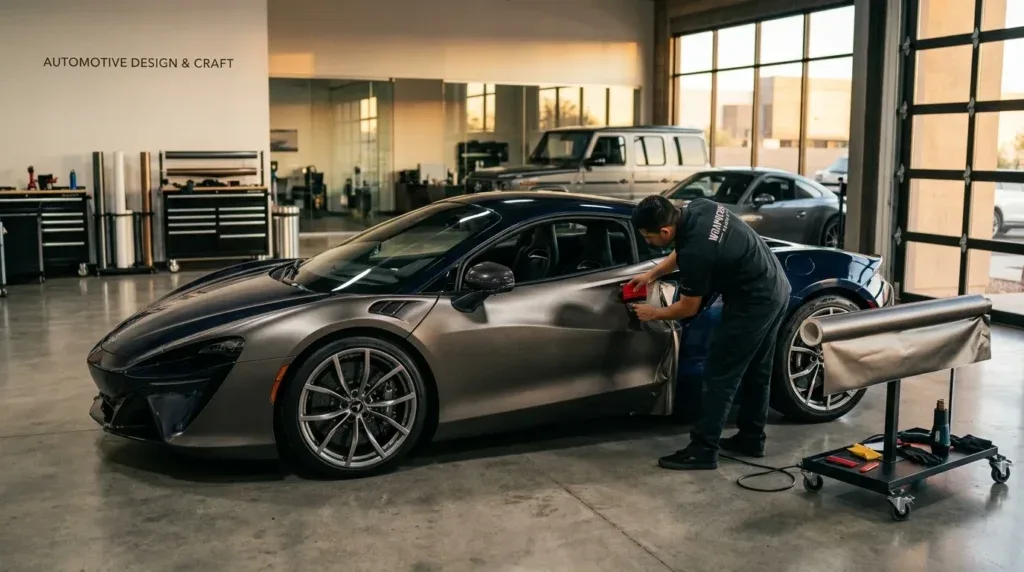
The beauty of a car wrap is its versatility. You can completely change the color, texture, or even add custom graphics to your vehicle without making any permanent alterations. Want a sleek matte black finish on your 2024 Tesla Model Y, or a vibrant satin pearl on your Ford Mustang? A wrap delivers that look, often at a fraction of the cost of a comparable paint job. But beneath that stunning new exterior, your original paint is sealed away, protected from UV damage, minor abrasions, bird droppings, and even light scratches. This means when it's time to sell, you can remove the wrap to reveal pristine factory paint underneath, significantly boosting your car's resale value.
Removability and Resale Value
One of the biggest advantages wraps offer, especially in a dynamic market like Phoenix, is their complete removability. Unlike a permanent repaint, a high-quality vinyl wrap can be carefully peeled off years later without damaging the underlying factory paint – provided it was properly installed and the paint was in good condition to begin with. This flexibility is a huge draw for vehicle owners who like to refresh their car's look periodically or want to protect their investment for future sale. Imagine selling your 2020 F-150 with a spotless original paint job, despite years of desert driving, all thanks to that wrap.
Decoding Car Wrap Materials: What Works Best in Arizona
Choosing the right material is paramount, especially when facing Phoenix's extreme climate. Not all vinyl is created equal, and what might work fine in a milder climate could quickly fail under our intense sun. Understanding the differences between material types, brands, and finishes will help you make an informed decision that ensures longevity and performance.
Cast vs. Calendered Vinyl: The Right Choice for Phoenix
The first major distinction to grasp is between cast and calendered vinyl.
- Cast Vinyl: This is the premium, go-to material for full vehicle wraps, especially here in Arizona. It's produced by pouring liquid vinyl onto a casting sheet, which then bakes and cools into a very thin, stable film. The key benefit? Cast vinyl is inherently more dimensionally stable, meaning it has very little "memory." This allows it to conform beautifully to complex curves, recesses, and rivets without shrinking back over time. Brands like 3M 2080/1080 series, Avery Supreme Wrapping Film, Oracal 970RA, and Hexis are all top-tier cast films. They typically range from 2.5 to 3.5 mil in thickness and offer excellent durability and UV resistance, crucial for our climate.
- Calendered Vinyl: This film is manufactured by extruding a molten vinyl mass through rollers, stretching it into a sheet. It's more affordable and thicker (often 3.5-4.5 mil) but retains a "memory" of its stretched state. While suitable for flat applications like vehicle lettering, commercial graphics on flat panels, or short-term wraps, calendered vinyl is prone to shrinking, lifting, and cracking when applied to complex curves or exposed to prolonged high heat. For a full color change wrap in Phoenix, I strongly advise against using calendered vinyl if you want it to last more than a year or two without issues.
Understanding Different Finishes and Their Durability
Wrap films come in a dizzying array of finishes, each with its own look and maintenance considerations. Matte and satin finishes, for example, are incredibly popular for their sophisticated, non-reflective appearance. They do, however, require specific cleaning products as some waxes or sealants can leave streaks. Gloss films mimic factory paint and are often easier to maintain. Metallic and pearlescent finishes add depth and sparkle, while chrome films offer a high-impact, mirror-like effect that's certainly a head-turner but also the most delicate and prone to showing imperfections. For Phoenix, any finish will benefit from a high-quality film with good UV inhibitors to prevent fading, especially with vibrant or unique colors.
The Role of Paint Protection Film (PPF) in the Valley
While technically a "wrap," paint protection film (PPF) serves a different primary purpose. PPF is a much thicker, clear urethane film (typically 4-5 mil, up to 10 mil for heavy-duty applications) designed specifically for impact protection. It's virtually invisible and incredibly resilient against rock chips, scratches, road debris, and bug splatter. For high-value vehicles, front-end protection (bumper, hood, fenders, mirrors) is almost a given here in Arizona. PPF often has self-healing properties, meaning minor swirls and scratches disappear with heat. It’s an ideal choice for new vehicles, especially Teslas, Corvettes, and exotic cars, where maintaining the original paint's integrity against physical damage is the top priority. Many clients opt for a full-color change vinyl wrap and then add PPF to vulnerable areas like the front bumper for combined style and ultimate protection.
Here’s a quick comparison of the two main types of vehicle films:
| Feature | Vinyl Wrap (e.g., 3M 2080) | paint protection film (PPF) |
|---|---|---|
| Primary Purpose | Aesthetic change, moderate paint protection | Heavy-duty paint protection (chips, scratches) |
| Thickness | 2.5 - 3.5 mil | 4 - 10 mil (clear, self-healing) |
| Appearance | Color change, matte, gloss, satin, chrome, custom graphics | Transparent (maintains original paint color/finish) |
| Durability (Arizona) | 5-7 years (premium cast vinyl) | 7-10+ years |
| Protection Level | UV, minor scratches, oxidation, light abrasions | UV, rock chips, deep scratches, bug acids, self-healing |
| Cost (Full Vehicle) | $3,000 - $8,000+ | $4,000 - $10,000+ |
| Best Use Case | Full color change, branding, personalized style | Preserving original paint, high-impact areas, new vehicles |
Type of Wrap
Average Cost (Phoenix)
Description
Partial Wrap (Hood, Roof, or Mirrors)
$500 – $1,200
Great for accent customization
Full Car Wrap
$2,500 – $4,500
Standard color-change wrap
Custom Printed Wrap
$3,500 – $6,000
Includes designs, logos, and patterns
Chrome / Satin / Specialty Wraps
$4,000 – $8,000
Premium film and unique finishes
PPF (paint protection film)
$5,000 – $9,000
Clear protective layer with self-healing properties
The Real Cost of Car Wraps in Phoenix (2025-2026 Projections)
When you start researching "car wrap cost Phoenix," you'll find a wide range of prices. This isn't because shops are just throwing numbers out there; it reflects the multitude of factors involved. A full color change wrap is almost always more affordable than a comparable quality paint job, and it offers the added benefit of protecting your original finish. My general advice is to be wary of significantly low bids; they often mean compromises on material quality, installation expertise, or proper surface preparation, all of which are critical for longevity, especially in our environment.
Factors Influencing Your Investment
Several key elements dictate the final price tag for your wrap project:
- Vehicle Size and Complexity: A compact sedan like a Honda Civic will require less material and labor than a large SUV like a Chevrolet Suburban or a complex sports car with many intricate body lines. A typical full wrap on a 2024 Tesla Model Y, for instance, often falls in the $4,200–$5,800 range depending on the chosen finish. Wrapping a Ford F-150 crew cab, which needs about 18–22 linear meters of 60-inch film, will naturally cost more due to the sheer surface area and increased labor, often between $4,500 and $7,000.
- Material Choice: Premium cast vinyl films (3M 2080, Avery Supreme, Oracal 970RA) are more expensive than calendered films, but their durability, conformability, and finish quality are unmatched. Exotic finishes like chrome, textured carbon fiber, or color-shift films also carry a higher material cost.
- Finish Type: Matte and satin finishes often require a bit more skill and time to install flawlessly due to their unforgiving nature when it comes to fingerprints or minor imperfections during application. Chrome films are notoriously difficult and labor-intensive, often doubling installation time and cost.
- Shop Expertise and Certification: Highly experienced, certified installers (trained by 3M, Avery Dennison, or Inozetek) command higher rates, but this investment pays off in a flawless, long-lasting wrap. A shop with a climate-controlled facility, essential for preventing dust and maintaining optimal temperatures during adhesion, also reflects a commitment to quality.
- Prep Work Required: If your vehicle has existing damage, heavy swirl marks, or needs extensive cleaning, that will add to the labor cost. A perfectly clean and smooth surface is non-negotiable for a good wrap.
- Warranty Coverage: Reputable shops will offer a warranty on both materials (typically 3-7 years from the manufacturer) and labor (often 1-3 years from the installer). Make sure this is clearly outlined in your quote.
Typical Cost Ranges for Popular Vehicles
While prices can fluctuate, here's a general idea of what to expect for a full color change wrap using quality cast vinyl from a reputable Phoenix installer in 2025-2026:
- Small Sedans (e.g., Honda Civic, Toyota Corolla): $3,000 - $4,500
- Mid-Size Sedans/Small SUVs (e.g., Tesla Model 3, Toyota RAV4): $3,800 - $5,500
- Large SUVs/Trucks (e.g., Ford F-150, Cadillac Escalade): $4,500 - $7,000+
- Luxury/Exotic Cars (e.g., Porsche 911, Audi R8): $5,500 - $10,000+ (due to complex body lines and precision work)
- Partial Wraps (Hood, Roof, Accents): $300 - $1,500+
- Chrome Deletes: $200 - $800+
Remember, these are estimates. Always get a detailed, written quote that specifies the material, warranty, and scope of work.
DIY vs. Professional Installation: Weighing the Savings and Risks
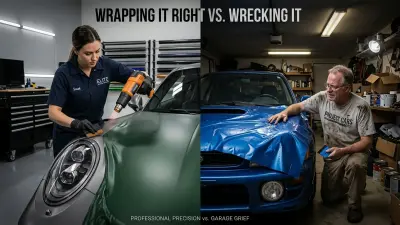
I've met countless DIYers over the years, and while the spirit is admirable, wrapping a full vehicle is an art and a science. The learning curve is steep, and mistakes are costly. A roll of premium 60-inch wide wrap film typically costs $500-$1,000 for enough material to cover a mid-size vehicle. Add in specialized tools – squeegees, heat guns, knifeless tape, cutters, surface prep chemicals – and you're easily looking at another $200-$500. While the material cost is lower than a professional install, the risk of failure is high. Bubbles, creases, lifting edges, knife marks on your paint, and poor adhesion that leads to premature failure are common. In our Phoenix heat, these DIY imperfections are often amplified, leading to a wrap that looks terrible and needs to be redone within months. For full vehicle wraps, especially in our climate, I almost always recommend investing in a professional.
The Installation Process: What to Expect from a Top Phoenix Shop
A flawless wrap isn't magic; it's the result of meticulous preparation, expert technique, and the right environment. Any shortcuts in this process will show, especially over time in Arizona's harsh conditions. A reputable Phoenix shop will follow a stringent multi-step process to ensure your wrap looks incredible and lasts for years.
Pre-Installation Prep: The Foundation of a Flawless Finish
This is arguably the most critical stage. A professional shop will start with a thorough decontamination wash to remove all dirt, grime, and waxes. Then comes the clay bar treatment to pull out embedded contaminants, followed by a meticulous wipe-down with isopropyl alcohol (IPA) or a specialized surface prep solution. Any wax, grease, or even microscopic dust left on the paint will compromise adhesion and lead to bubbles or lifting. All emblems, trim pieces, door handles, and lights are often carefully removed to ensure the vinyl can be seamlessly tucked and wrapped around every edge, avoiding unsightly seams or visible paint underneath. This whole process takes several hours and cannot be rushed.
Application Techniques: Precision Under Pressure
Once the car is pristine, the vinyl application begins, ideally in a climate-controlled bay where dust is minimized and the temperature is stable. Large sections of vinyl are carefully positioned, then slowly applied using specialized squeegees. Proper squeegee pressure is key – too little, and you get trapped air; too much, and you can stretch the film unevenly. Heat guns are used judiciously to make the vinyl pliable, allowing it to conform to complex curves. The temperature is critical here; typically, we're working with the film itself being around 180-200°F (82-93°C) for stretching, but never directly blasting the paint too hot. Overstretching leads to "memory" issues, where the vinyl wants to pull back to its original shape, causing lifting around edges later on. This is where installer skill truly shines.
Post-Heating and Edge Sealing: Critical for Longevity
After the entire vehicle is wrapped, the job isn't done. Post-heating is a crucial step that many DIYers overlook. Every square inch of the applied vinyl needs to be heated to a specific temperature (usually 200-220°F or 93-104°C, varying by film manufacturer) to set the adhesive and remove any "memory" the film might still have. This step ensures maximum adhesion and prevents the vinyl from lifting, especially around critical edges and deep recesses. After post-heating, many installers will also apply an edge sealer or primer around vulnerable areas like deep curves or panel gaps, offering an extra layer of protection against lifting. Finally, the vehicle is often left to cure in the shop for 12-24 hours to allow the adhesive to fully bond before being exposed to Phoenix's elements.
Here’s a list of essential tools a professional shop relies on for a quality wrap installation:
- High-Quality Heat Gun: For making vinyl pliable and post-heating (e.g., Steinel HL 1920 E, often set to 800-1000°F nozzle temp, carefully managed to achieve film temps of 180-220°F).
- Assorted Squeegees: Hard, medium, and soft felt-edged squeegees for different applications (e.g., 3M Blue, Gold, or Avery Pro Series).
- Knifeless Tape: For clean cuts without damaging paint (e.g., 3M Knifeless Finish Line Tape).
- Precision Knives/Cutters: Olfa brand cutters with snap-off blades for sharp, clean edges.
- Magnetic Holders: To position large sections of vinyl.
- Rivet Brush: For getting into tight spots and around rivets on trucks (e.g., 3M Rivet Brush).
- Infrared Thermometer: Absolutely critical for precise post-heating temperatures.
- Surface Prep Solutions: IPA, rapid prep, and specific degreasers.
- Clean Microfiber Towels: Lots of them, for a lint-free finish.
- Gloves: Lint-free for handling vinyl.
Maximizing Your Wrap's Lifespan: Maintenance Tips for Arizona's Climate
Once your vehicle is wrapped, proper care is essential to ensure it looks fantastic and lasts for its projected 5-7+ years, especially in the Phoenix sun. Neglecting maintenance can lead to premature fading, hazing, or lifting edges. Treat your wrapped vehicle like a custom paint job, and it will reward you with years of style and protection.
Washing and Cleaning Routines
Hand washing is always best. Avoid automatic car washes, especially those with brushes, as they can scratch the vinyl, lift edges, or even damage the film. Use a pH-neutral car soap (like Adam's Car Wash Shampoo or Chemical Guys Mr. Pink) and soft microfiber wash mitts. Wash from top to bottom, rinsing thoroughly. For stubborn spots like bug splatter or bird droppings, address them immediately with a quick detailer or wrap-safe cleaner, as acidic contaminants can etch into the vinyl. Wash your wrapped vehicle every 1-2 weeks, especially during our monsoon season when dust and rain combine to leave nasty residue.
Protecting Against UV and Heat Damage
The number one enemy of wraps in Phoenix is prolonged UV exposure. While quality cast films have UV inhibitors, parking in the shade or using a garage whenever possible will significantly extend your wrap's life. Consider applying a spray sealant or a ceramic coating specifically designed for vinyl wraps (e.g., Gtechniq C5 Wheel Armour, Feynlab Ceramic Lite for Vinyl). These products add an extra layer of UV protection, enhance gloss or richness, and make cleaning much easier. Avoid traditional waxes with petroleum distillates, as they can degrade vinyl. Reapply sealants every 3-6 months. For matte and satin finishes, use only specialized matte/satin detailers and sealants to preserve their unique look.
Addressing Common Issues: Lifting Edges and Contamination
Even with a professional installation, minor lifting can sometimes occur, especially around complex curves or areas that experience frequent impact, like mirrors. If you notice a small lift, contact your installer immediately. Often, it can be quickly re-heated and pressed down. Don't try to pull it back further yourself! Contamination under the film (dust, debris) is usually a sign of inadequate prep work or a non-climate-controlled installation environment. While not always fixable without redoing the panel, proper maintenance helps prevent new contamination from affecting the wrap's surface. A good installer will offer a warranty that covers these types of issues, so make sure to clarify that upfront.
There you have it – a deep dive into the world of car wraps in Phoenix. From the battle against the brutal Arizona sun to the meticulous dance of installation, choosing to wrap your vehicle is a decision that blends style, protection, and smart financial planning. Whether you're looking to turn heads on Scottsdale Road or protect your daily driver from the desert's harsh realities, a professional wrap offers a solution that truly transforms. Don't just pick a color; pick a partner who understands the nuances of vinyl and the challenges of our unique climate. Invest wisely, care for it well, and your wrapped ride will be a stunning testament to both your taste and your foresight.