Wrap Safely: Essential PPE & Best Practices for DIY Vehicle Wrapping
Hey everyone! As someone who's spent over 15 years in the trenches of vehicle wrapping, I've seen it all – the good, the bad, and unfortunately, the preventable injuries. While DIY vehicle wrapping can be incredibly rewarding, it’s crucial to remember that it's not without its risks. We're dealing with sharp blades, heat guns, cleaning chemicals, and sometimes awkward positions. Your safety, and the safety of your vehicle, should always be top priority.
Think of this as your personal safety briefing from a seasoned pro. Let's dig into the essential Personal Protective Equipment (PPE) you need and the best practices to keep you safe and your wrap looking professional.
Your Essential PPE Toolkit for Wrapping
Don't skimp on these. They're inexpensive compared to a trip to the emergency room!
- Gloves: You'll need a few types.
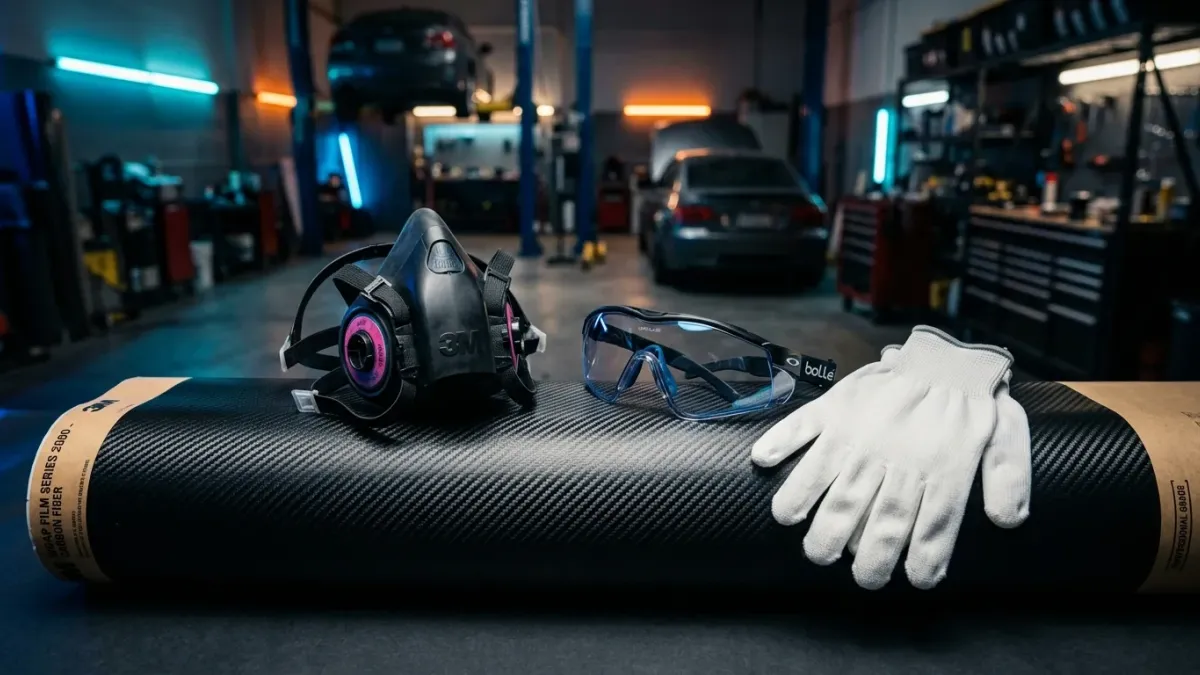
- Cotton or Lint-Free Gloves: These are your primary application gloves. They prevent fingerprints and oils from transferring to the adhesive side of the film, which can cause contamination and adhesion issues. They also help the film glide smoothly over your fingers, reducing friction. I always recommend having several pairs on hand.
- Nitrile Gloves (Disposable): Perfect for when you're handling cleaning chemicals like Isopropyl Alcohol (IPA) or adhesive removers. They protect your skin from irritation and chemical exposure. Look for 5-mil or thicker for better durability.
- Cut-Resistant Gloves (Optional but Recommended): When working with razor blades, especially for trimming, a lightweight cut-resistant glove (often made with Kevlar or similar materials) on your non-dominant hand (the one not holding the knife) can save you from a nasty slice. These are a small investment for huge peace of mind.
- Eye Protection (Safety Glasses/Goggles): This is non-negotiable! Bits of vinyl, dust, or even a sudden snap of a loose film edge can cause serious eye injury. Chemicals can also splash. Grab a comfortable pair of clear safety glasses or goggles and wear them anytime you're cutting, heating, or cleaning.
- Respiratory Protection (N95 Mask or Respirator):
- N95 Dust Mask: When cleaning and prepping the vehicle, you'll be kicking up dust, dirt, and old wax residue. An N95 mask will protect your lungs from inhaling these particulates.
- Organic Vapor Respirator (Recommended): If you're using strong degreasers, adhesive removers, or working in a poorly ventilated area, an organic vapor respirator with appropriate cartridges (like 3M's 6001 series) is a must. Fumes from some vinyl films when heated can also be a concern for sensitive individuals, though most modern films are low VOC.
- Appropriate Clothing: Wear comfortable, long-sleeved shirts and pants to protect your skin from accidental heat gun contact or chemical splashes. Avoid loose-fitting clothing that could snag on tools or the vehicle, and definitely no dangling jewelry.
- Closed-Toe, Non-Slip Footwear: Protect your feet from dropped tools or chemicals. Non-slip soles are also important, especially if you spill water or cleaning solutions.
Best Practices for a Safe Wrapping Environment
Beyond what you wear, how you work is just as important.
Workspace Setup & Ventilation
- Clean & Clear: Ensure your workspace is free of clutter, tripping hazards, and anything that could scratch your film or vehicle. A clean environment isn't just for a good wrap; it's for safety too.
- Good Lighting: Proper lighting helps you see what you're doing, reducing the risk of accidental cuts or missed details. Overhead and portable task lighting are ideal.
- Ventilation: Always work in a well-ventilated area, especially when using cleaners or a heat gun for extended periods. Open garage doors, use fans, or invest in an exhaust system.
Tool Handling & Safety
- Knives & Blades:
- Always use a sharp blade. A dull blade requires more force, increasing the chance of slipping and cutting yourself or the paint.
- Extend the blade minimally. Only expose enough to cut the film, typically 1-2 segments.
- Cut away from your body and your free hand.
- Properly dispose of used blades in a designated sharps container, not a regular trash can.
- Consider using knifeless tape for intricate cuts near paint to eliminate blade use on the vehicle.
- Heat Guns:
- Never point a heat gun at yourself or others. The temperatures can reach 400-1000°F (200-540°C).
- Keep the heat gun moving constantly over the film. Dwelling in one spot can burn the vinyl, damage the paint, or even pose a fire risk.
- Be aware of your surroundings; don't place a hot heat gun down on flammable materials.
- Check electrical cords for damage before use.
- Squeegees: While not inherently dangerous, improper technique can lead to fatigue or damage. Use ergonomic squeegees and vary your hand positions to prevent strain.
Chemical Handling
- Always read the Material Safety Data Sheets (MSDS) for any cleaning solutions or adhesive removers you use. They provide vital information on safe handling, storage, and first aid.
- Store chemicals properly, out of reach of children and pets, and in their original containers.
- Use only in well-ventilated areas, and with appropriate PPE (nitrile gloves, eye protection, respirator).
Ergonomics & Physical Well-being
- Take Breaks: Wrapping is physically demanding. Step away, stretch, and rest your eyes and hands regularly.
- Proper Posture: Use stools, kneeling pads, and adjustable platforms to avoid straining your back or neck. Don't work in awkward positions for extended periods.
- Hydration: Stay hydrated, especially if you're working in a warm environment.
Preventing Common Beginner Safety Mistakes
- Rushing: This is the biggest cause of accidents. Take your time, plan your steps, and don't feel pressured to finish quickly.
- Forgetting PPE: It's easy to get absorbed in the task and forget to put on gloves or glasses. Make it a habit from the start.
- Using Dull Blades: Seriously, change those blades often. It's safer and gives you a cleaner cut.
- Improper Heat Gun Use: Be mindful of heat settings and always keep the gun moving to prevent burns or scorching.
- Working Alone: If possible, especially for larger jobs or when handling heavy rolls of film, have a helper. An extra pair of hands can prevent dropped materials and make tasks safer.
At car wrap Info, we want you to succeed and enjoy the process. By following these essential PPE and best practice guidelines, you’ll not only protect yourself but also ensure a higher quality finish for your DIY vehicle wrap. Stay safe, happy wrapping!