Introduction to PPF: What is it and How Does it Work?
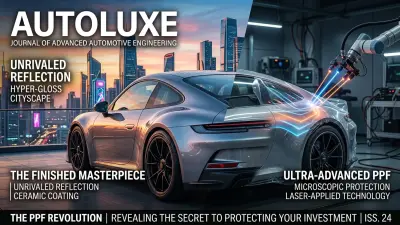
As a car owner, you've probably heard of paint protection film (PPF) as a way to safeguard your vehicle's paint job from damage. But what exactly is PPF, and how does it work? PPF is a thin, transparent film made from polyurethane or polyvinyl chloride that's applied to the surface of your car to protect it from scratches, chips, and fading. It's a popular choice among car enthusiasts because it's virtually invisible and can be removed without leaving any residue.
One of the key benefits of PPF is its ability to absorb impact, reducing the risk of damage to your car's paint job. For example, if a rock hits your car while you're driving, the PPF will absorb the impact, preventing the rock from scratching the paint. This can be especially useful for cars that are frequently driven on rough roads or in areas with high levels of debris.
But PPF isn't just limited to protecting your car's paint job. It can also be used to protect other areas of your vehicle, such as the headlights, bumper, and mirrors. This can help to prevent damage from UV rays, insects, and other environmental factors that can cause deterioration over time.
Types of PPF: Which One is Right for You?
There are several types of PPF available on the market, each with its own unique characteristics and benefits. Some of the most common types of PPF include:
- Clear PPF: This is the most popular type of PPF and provides a clear, glossy finish that won't affect the appearance of your car.
- Matte PPF: This type of PPF provides a matte finish that can help to reduce glare and give your car a unique look.
- Colored PPF: This type of PPF is available in a range of colors and can be used to add a personal touch to your car's appearance.
When choosing a type of PPF, it's essential to consider your personal preferences and the specific needs of your vehicle. For example, if you live in an area with high levels of UV radiation, you may want to choose a PPF that provides extra protection against fading.
The Cost of PPF: What to Expect
The cost of PPF can vary depending on several factors, including the type of film, the size of your vehicle, and the complexity of the installation. On average, the cost of PPF can range from $500 to $5,000 or more, depending on the specific application.
For example, a full PPF wrap for a small car can cost around $1,500 to $2,500, while a full wrap for a large SUV can cost $3,000 to $5,000 or more. It's also worth noting that the cost of PPF can vary depending on the brand and quality of the film, with high-end films typically costing more than lower-end options.
Despite the initial cost, PPF can provide long-term savings by reducing the need for costly repairs and maintenance. For example, a PPF wrap can help to prevent scratches and chips that can lead to rust and other forms of damage, reducing the need for expensive repairs down the line.
DIY vs Professional Installation: Which is Best?
When it comes to installing PPF, you have two main options: DIY installation or professional installation. While DIY installation can be a cost-effective option, it requires a high level of skill and expertise to ensure a successful application.
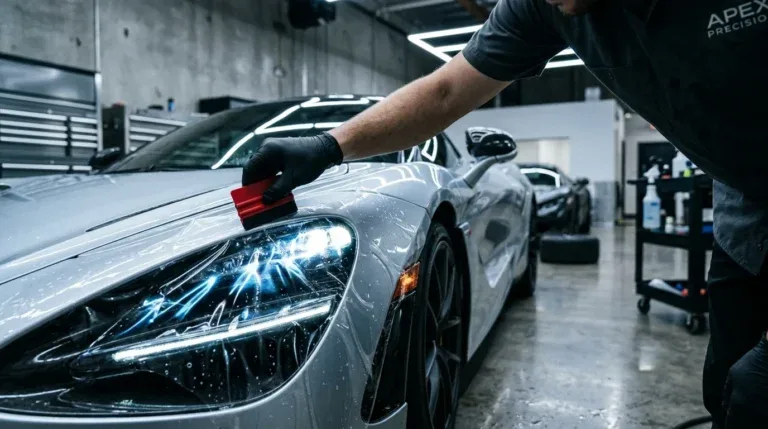
Professional installation, on the other hand, provides a guaranteed result and can be worth the extra cost. A professional installer will have the necessary experience and equipment to ensure a smooth, bubble-free application that will last for years to come.
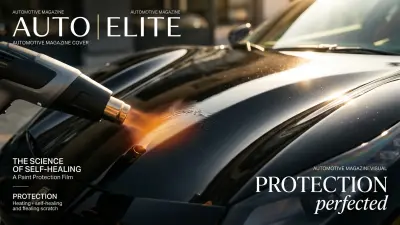
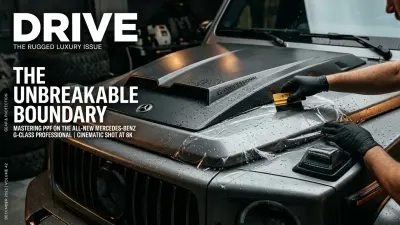
For example, a professional installer may use a heat gun to apply the PPF, ensuring a tight, secure fit that won't lift or bubble over time. They may also use a squeegee to remove air bubbles and excess moisture, ensuring a smooth, glossy finish.
The Long-Term Value of PPF: Is it Worth the Investment?
While the initial cost of PPF may seem high, it can provide long-term value and protection for your vehicle. With proper maintenance and care, a PPF wrap can last for 5 to 7 years or more, providing a high level of protection against damage and deterioration.
For example, a PPF wrap can help to prevent fading and discoloration caused by UV rays, keeping your car's paint job looking fresh and vibrant for years to come. It can also help to reduce the risk of scratches and chips, reducing the need for costly repairs and maintenance.
In addition to its protective benefits, PPF can also provide a high level of convenience and flexibility. For example, a PPF wrap can be removed and replaced as needed, allowing you to change the appearance of your car without committing to a permanent paint job.
Real-World Examples: The Benefits of PPF in Action
So, how does PPF work in real-world applications? Let's take a look at a few examples. For instance, a car owner in Arizona may use PPF to protect their car's paint job from the intense desert sun. By applying a clear PPF wrap, they can prevent fading and discoloration, keeping their car's paint job looking fresh and vibrant for years to come.
Another example might be a car enthusiast who uses PPF to protect their car's headlights and bumper from damage. By applying a PPF wrap to these areas, they can prevent scratches and chips, reducing the need for costly repairs and maintenance.
These examples illustrate the real-world benefits of PPF and demonstrate its value as a protective and convenient solution for car owners. Whether you're looking to protect your car's paint job, prevent damage, or simply add a personal touch to your vehicle's appearance, PPF is definitely worth considering.
Maintenance and Care: How to Get the Most Out of Your PPF Wrap
To get the most out of your PPF wrap, it's essential to follow a regular maintenance and care routine. This includes washing your car regularly, avoiding harsh chemicals and cleaning products, and avoiding extreme temperatures.
For example, you should avoid using high-pressure washes or abrasive cleaners, as these can damage the PPF and reduce its effectiveness. Instead, use a mild soap and water to clean your car, and avoid using household cleaners or other harsh chemicals.
It's also important to avoid extreme temperatures, as these can cause the PPF to expand and contract. This can lead to bubbles, wrinkles, and other forms of damage, reducing the effectiveness of the PPF and compromising its appearance.
Common Mistakes to Avoid: Tips for a Successful PPF Application
When applying PPF, there are several common mistakes to avoid. These include:
- Applying the PPF in direct sunlight or extreme temperatures
- Using harsh chemicals or cleaning products
- Failing to clean the surface of the car before applying the PPF
- Not using a squeegee to remove air bubbles and excess moisture
By avoiding these common mistakes, you can ensure a successful PPF application that will provide long-term protection and value for your vehicle. Remember to follow the manufacturer's instructions carefully, and take your time when applying the PPF to ensure a smooth, bubble-free finish.
Conclusion and Recommendations
In conclusion, PPF is a valuable investment for car owners who want to protect their vehicle's paint job and prevent damage. With its long-term benefits, convenience, and flexibility, PPF is definitely worth considering. Whether you're a car enthusiast or just looking for a way to protect your vehicle, PPF is a great option.
So, what's the best way to get started with PPF? First, research different types of PPF and choose the one that's right for you. Consider factors such as the level of protection you need, the appearance you want to achieve, and your budget.
Next, find a reputable installer or follow the manufacturer's instructions for a successful DIY application. Remember to follow a regular maintenance and care routine to get the most out of your PPF wrap, and avoid common mistakes that can compromise its effectiveness.