Disclosure: As an Amazon Associate, we earn from qualifying purchases.
Beyond the Hype: What is PPF and Why Lifespan Matters?
As a seasoned pro with over 15 years in the automotive vinyl wrapping and protection game, I’ve seen countless cars come and go, each with its own story of paint protection. One of the most common questions I get asked, right after “How much does it cost?” is “How long does paint protection film really last?” It's a fair question, an important one, because investing in PPF isn't just about protecting your paint; it's about making a smart, long-term decision for your vehicle's aesthetic and financial value.
So, what exactly are we talking about when we say PPF? paint protection film, often called “clear bra” or “invisible shield,” is a transparent, thermoplastic urethane film applied to painted surfaces of a new or used car. Its primary purpose is to protect the original paint from stone chips, scratches, bug splatters, bird droppings, and environmental contaminants. Unlike a color change vinyl wrap, which is primarily aesthetic, PPF is a sacrificial layer designed to take the abuse so your paint doesn't have to. For instance, a full front end PPF application on a 2024 Tesla Model Y, often costing $1,800-$2,500, isn't just a cost; it's an investment against potential paint repairs that could easily run into thousands and significantly impact resale value.
Understanding PPF lifespan is critical because it directly correlates with the return on your investment. You wouldn't buy a house without knowing its foundation's durability, would you? The same logic applies here. A quality PPF, properly installed and maintained, can provide peace of mind for many years, preserving that factory-fresh look and protecting your vehicle's value. But what factors truly dictate how long that “many years” actually turns out to be? Let's peel back the layers and get into the real-world facts.
The Foundation: Understanding PPF Types and Their Inherent Durability
Not all PPF is created equal, and understanding the differences is key to predicting its longevity. The material science behind modern PPF has advanced significantly, moving far beyond the early, often problematic films.
Urethane vs. PVC: The Core Material Matters
Modern paint protection film is predominantly made from Thermoplastic Urethane (TPU). This is a highly elastic, transparent polymer known for its exceptional resistance to abrasion, impact, chemicals, and UV radiation. TPU is incredibly flexible, allowing it to conform to complex curves, and it possesses “memory” that helps it self-heal. On the other hand, older, cheaper films were often made from Polyvinyl Chloride (PVC), which is a stiffer, less durable material prone to yellowing, cracking, and becoming brittle over time. If you encounter a deal that seems too good to be true for PPF, chances are it might be a PVC-based film, and you'll regret it within a couple of years when it starts to look hazy or crack.
Film Thickness & Quality: More Than Just a Number
The thickness of PPF plays a direct role in its protective capabilities and, consequently, its lifespan. Most high-quality automotive PPF films, like Xpel Ultimate Plus or 3M Scotchgard Pro Series, are around 8 mil thick (0.008 inches). This 8-mil thickness provides an excellent balance of impact resistance against road debris and conformability. For heavy-duty applications, such as off-road vehicles or work trucks, some brands offer 10-mil options, providing even greater protection. Conversely, thinner films, say 6 mil, might be slightly more pliable but offer less robust protection against significant impacts. The quality of the film also encompasses the adhesive system – a good adhesive will bond securely to the paint without damaging it upon removal, resisting delamination for years.
Topcoat Technology: The Unsung Hero of Longevity
This is where modern PPF truly shines. Premium PPF brands integrate advanced topcoats that significantly enhance durability and appearance retention. The most notable feature is “self-healing.” This means that minor scratches and swirl marks on the film's surface will disappear with the application of heat (from the sun or warm water), thanks to the elastic memory of the TPU. This self-healing capability keeps the film looking new for longer, directly extending its effective lifespan. Additionally, these topcoats offer superior stain resistance against contaminants like bird droppings and bug guts, and they are engineered with advanced UV inhibitors to prevent yellowing – a common issue with older films. Many also feature hydrophobic properties, making the film easier to clean and maintain, which indirectly contributes to its longevity by reducing the need for harsh cleaning.
Reputable Brands & Their Lifespan Claims: Warranties Demystified
When you're investing in PPF, the brand you choose is paramount. Industry leaders like Xpel, 3M, Avery Dennison, SunTek, and STEK have invested heavily in R&D to produce films that consistently perform. For instance, Xpel Ultimate Plus, 3M Scotchgard Pro Series, and SunTek Reaction typically come with manufacturer warranties ranging from 10 to 12 years against yellowing, cracking, staining, blistering, and delaminating. Avery Dennison SPF-XI offers an impressive 10-year warranty. These warranties are a strong indicator of the expected lifespan under normal conditions. However, it's crucial to understand what a warranty covers. It generally protects against material defects, not against physical damage from accidents or improper care. Always ask your installer about the specific warranty details for the film they are using.
Prevent Yellowing & Extend Film Life: XPEL PPF Cleaner & Sealant

The Human Factor: Installation Quality and Its Impact on Longevity
You can have the best PPF film in the world, but if it's not installed correctly, its lifespan will be drastically cut short. This is where the “human factor” comes into play, and it's perhaps the most critical determinant of how long your PPF will truly last.
The Importance of Professional Installation: A Skilled Hand is Priceless
While some adventurous DIYers might attempt PPF, I strongly advise against it for anything beyond a small, flat surface. Professional installation is not just about avoiding bubbles; it's about meticulous preparation, precise cutting, proper stretching, and flawless edge work. An experienced installer understands how the film behaves, how to manage tension, and how to “walk” the film onto complex curves without creating distortions or premature lifting. A poorly installed film can lift at the edges, trap contaminants, or even delaminate within months, negating your entire investment. Trust me, I've seen enough DIY attempts go south to know that the slight savings aren't worth the inevitable headaches and costly re-dos.
Surface Preparation is Paramount: The Foundation Beneath the Film
Before any film touches your car's paint, the surface must be absolutely pristine. This isn't just a quick wash; it involves a multi-step process: thorough decontamination to remove surface grim, a clay bar treatment to pull embedded contaminants like industrial fallout and rail dust from the paint, and often, a light paint correction. Paint correction is the process of machine polishing to remove minor swirl marks, light scratches, and oxidation from the clear coat. Why is this so important? Because anything left on the paint – a speck of dust, a tiny fiber, a swirl mark – will be permanently sealed under the transparent film, visible and potentially compromising adhesion. Contaminants can create “fish eyes” or areas where the film doesn't bond perfectly, leading to premature lifting or aesthetic imperfections that shorten the perceived lifespan.
Correct Application Techniques: The Art of the Squeegee
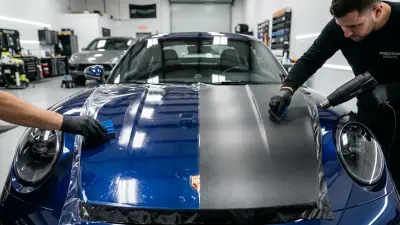
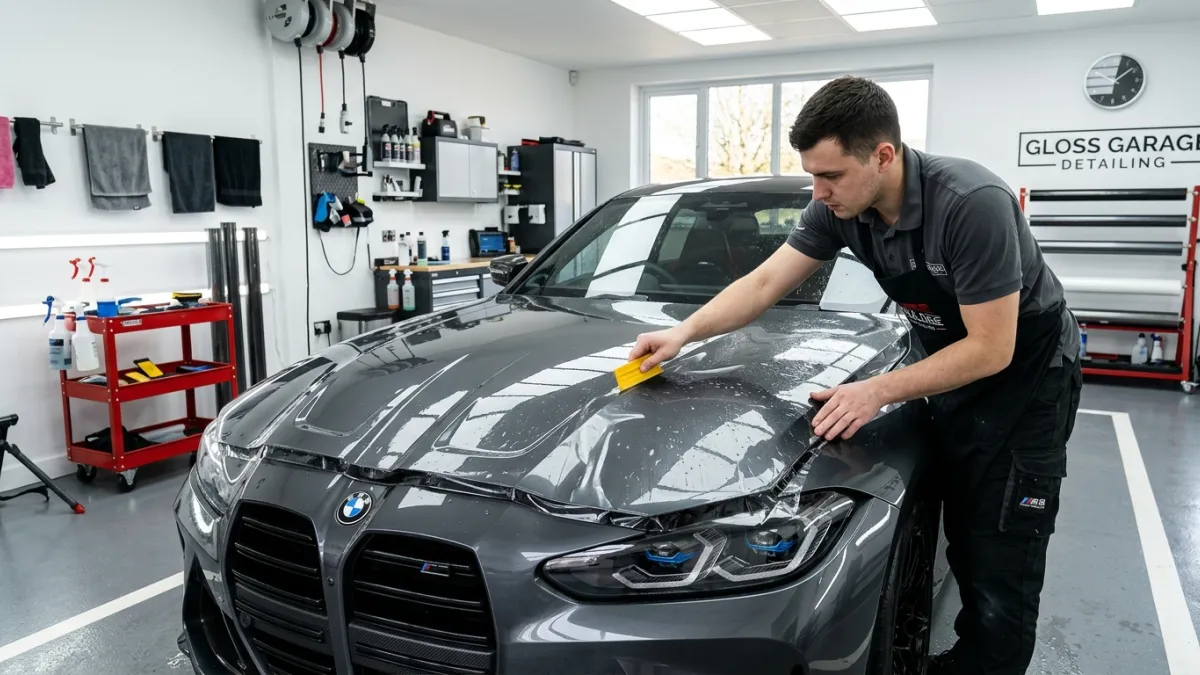
Once the surface is prepped, the actual application begins. This is an art form. It involves using the correct slip solution (water and isopropyl alcohol mix with a few drops of baby shampoo), precise positioning, and expert squeegee pressure. The film must be stretched just enough to conform to curves without overstretching, which can lead to premature shrinkage or distortion. The squeegee technique is about smoothly pushing out the installation solution and ensuring maximum adhesion without trapping air or water. Edges are critical: professional installers will often “wrap” the film around panel edges (where possible) for an almost invisible, seamless finish that minimizes edge lifting. Finally, post-heating is a crucial step. This involves applying targeted heat (typically 180-200°F or 82-93°C) after the initial installation to relax the film's “memory,” ensuring maximum adhesion to complex curves and preventing lifting or shrinkage, especially at critical edges like headlight cutouts or fender flares. Skipping or improperly performing any of these steps can significantly compromise the film's long-term adhesion and appearance.
Curing Time: Patience is a Virtue
After installation, PPF needs a crucial curing period, usually 24-48 hours. During this time, the adhesive fully bonds to the paint, and any remaining installation solution evaporates. It's vital to avoid washing the vehicle, applying harsh chemicals, or exposing it to extreme conditions during this initial period. Following your installer's post-installation care instructions is non-negotiable for ensuring optimal adhesion and maximum lifespan.
Real-World Variables: Environmental & Usage Factors Affecting PPF Life
Even with premium film and flawless installation, the world your car lives in plays a massive role in how long your PPF truly lasts. It’s like owning a good pair of shoes; how you wear them, and where, dictates their longevity.
Climate & UV Exposure: The Sun is Not Always Your Friend
Vehicles in harsh climates, like the intense sun of Arizona or the humid, salty air of Florida, will naturally put PPF to a greater test than those in milder, temperate regions. While modern PPF boasts excellent UV resistance, prolonged, extreme UV exposure over many years can still contribute to the film's degradation, albeit at a much slower rate than older films. Similarly, extreme temperature cycles – blistering summer heat followed by freezing winters – can cause expansion and contraction, which over a decade, might challenge the adhesive's bond, especially if installation wasn't absolutely perfect on every edge. Parking your vehicle in a garage when not in use can significantly extend the life of your PPF by shielding it from relentless sun exposure and environmental elements.
Preserve Clear Topcoat Finish: Microfiber Scratch-Free Wash Mitt

Road Conditions & Driving Habits: The Daily Grind
The type of driving you do directly impacts how much abuse your PPF takes. A daily highway commuter, particularly in areas prone to construction or gravel roads, will experience far more rock chips and debris impacts than a car driven only on pristine city streets or primarily garaged. Off-roading, with its increased risk of abrasion from branches, mud, and trail debris, will also test the film's limits more frequently. While PPF excels at protecting against these impacts, repeated severe impacts can eventually compromise the film in specific areas, leading to tears or deep indentations that even self-healing can't fully correct. Consider a Ford F-150 crew cab driven primarily on job sites – its PPF will likely face more challenges than that on a weekend-only classic car.
Contaminants & Chemical Exposure: The Silent Killers
Bird droppings, bug splatters, and tree sap aren't just unsightly; they're highly acidic and, if left on the film for extended periods, can etch into the PPF's topcoat, leaving permanent stains or dull spots. The same goes for industrial fallout, acidic rain, and certain harsh cleaning chemicals. While premium PPF offers excellent stain resistance, it's not invincible. Leaving these contaminants to bake in the sun for days or weeks will accelerate degradation. This is why prompt cleaning and using appropriate, pH-neutral cleaning products are so crucial for extending your PPF's pristine appearance and protective lifespan.
Accidental Damage: Life Happens
Despite its incredible protective qualities, PPF isn't a magical force field. It can prevent minor scratches and chips, but it won't stop a deep gouge from a key, a sharp object, or significant impact from a fender bender. In such cases, the film might tear or be pierced. While the underlying paint is still often protected from deeper damage, the film itself will need repair or replacement. This type of damage is outside the typical lifespan considerations, as it's an external event, but it's a real-world factor that can necessitate early intervention.
Maximizing Lifespan: Maintenance, Care, and Proactive Measures
You've invested in quality PPF and professional installation. Now, to truly get 7, 10, or even 12+ years out of it, consistent and proper maintenance is non-negotiable. Think of it like taking care of your skin; neglect leads to premature aging.
Regular Cleaning & Washing: Gentle is Key
The golden rule for PPF care is frequent, gentle hand washing using pH-neutral car soaps. Brands like Adam's Car Shampoo or Meguiar's Gold Class are excellent choices. Avoid abrasive brushes, sponges, or harsh detergents that can degrade the film's topcoat. When using a pressure washer, maintain a distance of at least 12-18 inches and avoid directing the spray directly at film edges, which can cause lifting. Wash your vehicle every 1-2 weeks, especially if it's exposed to environmental contaminants or daily driving. This prevents stubborn stains from setting in and keeps the film's self-healing properties active on a clean surface.
Decontamination: Removing the Unseen Threats
Even with regular washing, contaminants can build up. Periodically, you'll want to decontaminate your PPF. An iron remover, such as CarPro Iron X, is fantastic for dissolving brake dust and industrial fallout that embeds in the film, which often appears as tiny orange specks. For tar or tree sap, a dedicated tar remover (like Gyeon Tar) works wonders. If you feel the film becoming rough, a very gentle clay bar treatment with ample lubricant can be used, but always test on an inconspicuous area first and use minimal pressure to avoid marring the film. These steps ensure the film remains smooth, clear, and maintains its protective qualities.
Protection & Enhancements: Boosting Performance
To further enhance and protect your PPF, consider applying a dedicated PPF-compatible ceramic coating. Products like Gyeon MOHS or Feynlab Ceramic Lite are formulated to bond with the film's surface, adding an extra layer of hydrophobicity, making the car even easier to clean, and boosting UV protection. For matte PPF, specific matte-friendly coatings like Dr. Beasley's Matte Paint Coating Pro are essential to maintain the unique finish without adding gloss. These coatings act as an additional sacrificial layer, extending the life of the PPF's topcoat and maintaining its clarity and stain resistance for years.
Addressing Issues Promptly: A Stitch in Time
Adhesive-Safe Cleaning: Adam's Polishes pH-Neutral Car Shampoo

Don't ignore minor issues. If you notice a small edge lifting, contact your installer immediately. Sometimes, it can be re-sealed or trimmed before it becomes a larger problem. Stains should be addressed as soon as possible. Minor tears or punctures in a specific panel can often be repaired by replacing just that section of film, rather than having to re-do an entire car. Being proactive about small problems prevents them from becoming large, costly ones that might shorten the overall life of your PPF.
PPF Removal for Longevity Check/Replacement: Knowing When to Let Go
After 7-10 years, depending on all the factors discussed, you might start considering removing and replacing your PPF. Even the best films will eventually show signs of wear – perhaps a slight haziness, a few too many deep impacts, or general fatigue. Professional PPF removal is a careful process involving controlled heat and slow, steady peeling, often followed by an adhesive remover to ensure no residue is left behind. This careful process ensures the original paint remains undamaged, ready for a fresh application of new film or simply to be driven uncovered. Attempting DIY removal without the right tools and knowledge can lead to paint damage, which defeats the entire purpose of PPF.
The Real-World Verdict: What to Expect and When to Re-Invest
So, after all this, what's the definitive answer to “How long does PPF really last?” The honest, real-world answer is: it depends, but you can expect a significant return on your investment if you choose wisely and care for it properly.
Typical Lifespan Expectations: 5-12+ Years
For a premium brand PPF, professionally installed and reasonably well-maintained, you can confidently expect a lifespan of 7 to 10 years. In ideal conditions – a garaged car, meticulously cleaned, with minimal harsh environmental exposure – 10 to 12+ years is absolutely achievable. I've personally seen vehicles with PPF still looking fantastic after a decade. On the lower end, if you opt for a cheaper film, a less experienced installer, or neglect maintenance, you might see the film showing significant wear, yellowing, or lifting within 5 to 7 years. This range highlights why doing your homework and investing in quality upfront is so crucial.
Cost of PPF vs. Repainting/Depreciation: The Smart Investment
Let's talk numbers. A full front-end PPF kit (hood, fenders, bumper, mirrors) on a popular vehicle like a 2024 Honda Civic can range from $1,200 to $1,800. A full vehicle PPF on a luxury sports car, say a 2024 Porsche 911, can easily run from $6,000 to $9,000+. These are significant figures, but consider the alternative: a single respray of a bumper due to rock chips can cost $500-$1,000, and a full hood repaint much more. Beyond repair costs, PPF actively preserves your vehicle's factory paint finish, which is a massive factor in its resale value. A car with pristine original paint, protected by PPF, will always command a higher price than one with visible chips, scratches, or even repainted panels. It's not an expense; it's a long-term asset protection strategy. For comparison, a full color change vinyl wrap on a sedan might cost $3,500-$5,000 but typically lasts 3-5 years, offering aesthetic change rather than robust impact protection.
Recognizing When PPF Needs Replacement: The Telltale Signs
Even the best PPF will eventually reach the end of its effective life. Here are the signs it's time to consider replacement:
- Excessive Yellowing or Hazing: While modern films are highly resistant, prolonged exposure to pollutants and UV can eventually cause a slight color shift or loss of clarity, especially on white vehicles.
- Widespread Lifting or Peeling: If edges are consistently lifting, or larger sections are delaminating, the adhesive bond is failing.
- Significant Damage: Numerous deep tears, punctures, or areas where the film has been severely compromised mean it's no longer providing adequate protection.
- Loss of Self-Healing: If minor scratches no longer disappear with heat, the topcoat's properties may be degraded.
- Overall Dullness: If the film no longer has that crisp, glossy (or perfectly matte) appearance despite cleaning and appears generally dull, it's losing its aesthetic appeal.
My Personal Takeaway
From my years of experience, I can tell you that paint protection film is one of the single best investments you can make for your vehicle. It truly delivers on its promise of protecting your paint and preserving its factory finish for many years. It's not just about avoiding visible damage; it's about the peace of mind that comes with knowing your car is shielded from the daily grind. Choose a high-quality film, find a reputable, experienced installer, and commit to a sensible maintenance routine. Do that, and your PPF will serve you faithfully, keeping your vehicle looking sharp and holding its value long after others have succumbed to the inevitable wear and tear of the road. It's not just a product; it's a commitment to your car's future.