Why PPF Matters (and Why Choosing the Right One is Key)
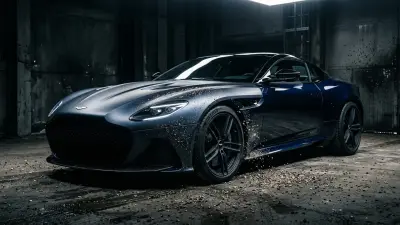
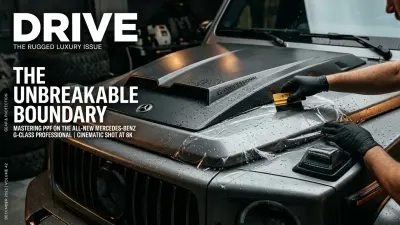
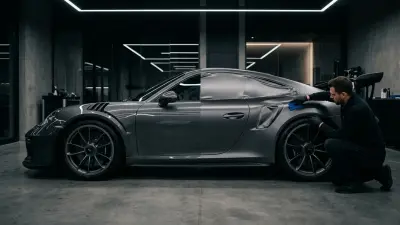
Let's be honest, your car's paint is under constant assault. From daily driving to those weekend cruises, it faces stone chips, bug splatters, minor scuffs, and even the harsh glare of the sun's UV rays. This is where paint protection film (PPF) steps in – it's like an invisible shield for your vehicle's finish. PPF, typically an 8-mil thick, transparent thermoplastic urethane film, is engineered to absorb impact and self-heal light scratches, keeping your paint pristine for years.
Investing in PPF isn't just about aesthetics; it's about preserving your vehicle's value and avoiding costly paint repairs. But with so many options out there, how do you choose? I've seen countless vehicles come through my shop, and the "Big Three" in the premium PPF world are consistently Xpel, SunTek, and STEK. Each offers exceptional protection, but they have distinct characteristics that might make one a better fit for you.
For example, imagine this situation: you've just picked up your dream car, a brand-new 2025 Tesla Model Y, and you want to ensure that glossy black paint stays flawless. You're driving on the highway, and *BAM!* a rogue rock chips the bumper. Without PPF, that's a paint repair or a permanent blemish. With a quality PPF, that impact is absorbed, and often, the film self-heals, leaving no trace. That's the peace of mind we're talking about, and that's why making an informed choice about your PPF brand is so critical.

The Contenders: A Deep Dive into Xpel, SunTek, and STEK
Over my 15+ years in the wrapping game, I've worked with pretty much every film on the market. Let's break down what makes each of these top-tier PPF brands stand out.
Xpel Ultimate Plus / Stealth
- Reputation: Xpel is often considered the industry leader, the "gold standard" by many. Their Xpel Ultimate Plus is their flagship clear film, while Xpel Stealth offers a stunning matte finish that can transform a glossy paint job.
- Key Features: Both boast exceptional self-healing properties (minor scratches disappear with heat), superior clarity, and excellent stain resistance. They're also highly hydrophobic, meaning water beads up and rolls off, making your car easier to clean. Xpel offers a robust 10-year warranty against yellowing, cracking, staining, and blistering.
- Thickness: Typically 8 mil, providing substantial protection.
- Strengths: Unmatched durability, exceptional clarity, and a massive, well-trained global dealer network that utilizes their proprietary DAP (Design Access Program) software for precise, pre-cut patterns. This precision is a huge advantage for a seamless installation.
- Weaknesses: Generally, Xpel comes with the highest price tag among the three, reflecting its premium positioning and extensive support.
- Target User: If you want the absolute best protection, a trusted brand, and don't mind paying a premium, Xpel is your go-to.
SunTek Reaction / Ultra
- Reputation: SunTek, now part of the Eastman Performance Films family, is a very strong competitor that consistently delivers great performance and value. Their SunTek Ultra is a fantastic clear film, and the newer SunTek Reaction takes things up a notch by integrating ceramic coating properties directly into the film.
- Key Features: Both films offer excellent clarity, impressive self-healing, and strong hydrophobic qualities. Reaction, in particular, excels here, providing exceptional water beading and stain resistance from contaminants like road grime and insect acids. They also come with a 10-year warranty.
- Thickness: Also typically 8 mil.
- Strengths: SunTek often provides a highly competitive price point without compromising on quality. Installers appreciate its conformability and ease of working with during a wet installation. The added ceramic benefits of Reaction are a huge plus for maintenance.
- Weaknesses: While their dealer network is extensive, it might not be as widespread as Xpel's in every region.
- Target User: For those who want top-tier performance and excellent hydrophobic properties – especially with Reaction – at a slightly more accessible price than Xpel, SunTek is a superb choice.
STEK DYNOseries (DYNOshield, DYNOmatte, DYNOcarbon)
- Reputation: STEK is a bit of an innovator in the PPF space, especially known for its unique aesthetic options and advanced top coat technology.
- Key Features: STEK's DYNOshield offers incredible clarity, impressive self-healing, and outstanding hydrophobic properties. But where STEK truly shines is its diverse DYNOseries, which includes finishes like DYNOmatte (matte finish), DYNOcarbon (carbon fiber texture), and even DYNOprism (holographic). All films carry a 10-year warranty.
- Thickness: Varies by specific series, but generally 8-9 mil.
- Strengths: The aesthetic variety is a massive selling point; no other brand offers such a range of finishes with integrated PPF protection. Their hydrophobic coating is among the best, making cleaning a breeze. STEK films also have excellent stretch and conformability, which is a plus for installers.
- Weaknesses: Being a slightly newer player in the mainstream market compared to Xpel, long-term data for some of their more niche products might not be as widely available, though their core offerings are proven. Prices for special finishes can be on par with, or even exceed, Xpel.
- Target User: If you're looking for unique aesthetics—say, transforming your car to a satin finish with DYNOmatte while still getting top-notch protection—STEK is unparalleled. It's also great for those who prioritize superior hydrophobic performance.
Real-World Performance & Installer Perspective
As an installer, I see these films day in and day out, and subtle differences matter. All three brands offer excellent self-healing; a light scratch from a fingernail or a twig will typically disappear when exposed to heat, either from the sun or a heat gun. This technology truly works and is a game-changer for maintaining a flawless finish.
When it comes to clarity and orange peel (that slight textured look you sometimes see in paint or film), Xpel is renowned for its incredible clarity and minimal orange peel, making it virtually invisible once installed. STEK is right up there, often equally impressive, while SunTek is also excellent, delivering great optical clarity.
Hydrophobic properties are where STEK and SunTek Reaction often get special mention. Their top coats are incredibly slick, causing water to bead beautifully and carry dirt away, which translates to an easier wash day for you. Xpel is also very good in this regard, though some might argue STEK and Reaction have a slight edge here.
Installation experience is crucial for a perfect finish. Xpel's DAP software for pre-cut kits is incredibly precise, minimizing the need for knife work on the vehicle. SunTek and STEK also have excellent pattern software. From an installer's standpoint, all three are generally a pleasure to work with, offering good stretch and tack, but each film has its own nuances that experienced installers learn to master. Honestly, the skill of the installer often outweighs slight differences in film properties when it comes to the final result.
Cost Comparison (2025-2026 Estimates)
Let's talk numbers, because PPF is a significant investment. Keep in mind these are averages, and prices can vary based on vehicle size, complexity, your location, and the specific installer's expertise. Generally, a full front end PPF (bumper, full fenders, full hood, mirrors) for a mid-size sedan or SUV might range from $1,800 to $3,500. For a full vehicle wrap in clear PPF, you're looking at anywhere from $5,000 to $8,000+. Xpel typically sits at the higher end of these ranges, with STEK's specialty finishes also commanding premium pricing. SunTek often offers excellent value, usually sitting in the mid-to-high range. DIY PPF installation is incredibly difficult and not recommended for beginners; the material cost alone for a full front end can be $800-$1,500, but the wasted film and potential damage often make professional installation the more cost-effective choice in the long run.

Making Your Decision: Beyond the Brand Name
So, how do you pick the right one for your vehicle? It's not just about which brand is "best" on paper, but which is best for you. First, consider your vehicle and driving habits. Is it a daily driver exposed to harsh road conditions, or a weekend show car that needs pristine protection? What about your desired aesthetics? Do you want completely invisible protection, or are you looking to achieve a stunning matte finish on your gloss paint with something like Xpel Stealth or STEK DYNOmatte?
Your budget is, of course, a critical factor. Be realistic about what you're willing to spend, but remember that PPF is an investment that protects a much larger asset. Skimping here can lead to regrets down the road. But what good is the best film if it's applied poorly? This brings me to the absolute most important point: the local installer network. A great installer using a slightly less expensive film will always outperform a mediocre installer using the "best" film. Seek out shops with proven experience, ask to see their portfolio, read reviews, and inquire about their warranty and post-installation support. They should be able to guide you through the pros and cons of each film for your specific needs.
Finally, remember that all PPF, regardless of brand, requires proper maintenance. Gentle hand washing, avoiding harsh chemicals, and prompt removal of contaminants are key to maximizing its 5-7+ year lifespan. Most PPFs are also perfectly compatible with ceramic coatings for an extra layer of hydrophobicity and shine, further enhancing their protective qualities.
Your Vehicle, Your Choice, Protected for the Long Haul
Choosing between Xpel, SunTek, and STEK for your paint protection film boils down to a blend of performance, aesthetics, budget, and crucially, the quality of installation. Xpel offers unparalleled brand recognition and an extensive dealer network. SunTek provides excellent value with strong hydrophobic features, especially with its Reaction line. STEK innovates with unique finishes and exceptional top-coat technology.
My advice? Do your research, understand the features that matter most to you, and then find a reputable local installer. They are your best resource for guiding you to the right film for your specific vehicle and ensuring a flawless application that will protect your investment for years to come. Don't rush the decision; your vehicle deserves the best defense against the elements, and with the right PPF, it will look showroom fresh for much longer. Visit car wrap Info for more guides on maintaining your vehicle's pristine finish!