Alright, fellow gearheads, business owners, and anyone dreaming of a fresh look for their ride! After 15 years with vinyl stuck to my hands, I’ve seen it all: stunning transformations, creative custom graphics, and sadly, plenty of wraps that started failing far too soon. The question I hear most often isn't just, "How much does a wrap cost?" It's usually followed by, "Why does *this* shop charge so much more than *that* one?"
Today, I'm not just going to list prices. I’m going to pull back the curtain on something far more crucial: the difference between a cheap quote and a smart investment. Because let me tell you, when it comes to vehicle wraps, the lowest bid is almost never the best value. In 2025-2026, understanding this distinction is key to getting a wrap that you’ll love for years, not one that leaves you with peeling edges and budget regrets.
My goal here is to empower you. Whether you're considering a full color change for your personal car, branding a small fleet, or even thinking about a DIY project, you need to understand that a truly durable, head-turning wrap is more than just material and labor. It's an investment in quality, craftsmanship, and longevity. And cutting corners on any of these will always cost you more in the long run.
The Unseen Foundation: Why Thorough Prep Work Isn't Negotiable
Let's start where every great wrap begins, long before the first piece of vinyl even touches your vehicle: the preparation. This is often the first place where budget shops cut corners, and it's the most critical area for long-term success. If the foundation isn't solid, everything built on it will eventually crumble.
Deep Cleaning & Decontamination: Beyond a Basic Wash
When your vehicle arrives at a reputable shop, it undergoes a meticulous cleaning process. This isn't just a drive-through car wash. We're talking about a multi-stage decontamination that removes tar, sap, road grime, wax, sealants, and any microscopic contaminants that could compromise adhesion. Using specialized degreasers and clay bar treatments, we ensure a perfectly smooth, clean surface.
- The Cost of Skipping: Imagine laying a high-quality vinyl film, like Avery Supreme Wrapping Film (a 2.5-3 mil cast vinyl), over an invisible patch of wax or a microscopic dust particle. Within weeks, you’ll see "fisheyes" (tiny bubbles caused by contamination) or sections where the film simply won't adhere, leading to premature lifting. Re-wrapping a single panel due to poor prep can easily add $300-$500 to your total, negating any initial savings.
Disassembly & Edge Sealing: The Devil is in the Details
For a seamless, paint-like finish, professional installers often partially disassemble your vehicle. This means carefully removing door handles, mirrors, emblems, taillights, and sometimes even bumpers. Why? So the vinyl can be tucked deep into crevices and around edges, eliminating exposed paint lines and ensuring maximum adhesion.
- The Professional Touch: This meticulous process allows for proper "edge sealing," where the vinyl is wrapped around the edge of a panel and secured on the backside. This isn't just for aesthetics; it's a vital defense against peeling. A full wrap on a 2024 Ford F-150 crew cab, for instance, requires careful handling of numerous trim pieces and emblems. A professional will spend an extra 2-4 hours on this alone, which contributes to the labor cost but guarantees a durable, high-quality finish for 5-7+ years.
- DIY & Budget Shop Pitfalls: A common amateur mistake, or a corner cut by a budget shop, is to simply "knife trim" around these components without removal. This leaves exposed edges that are highly susceptible to lifting from car washes, weather, or even just daily driving, leading to unsightly failures within a year.
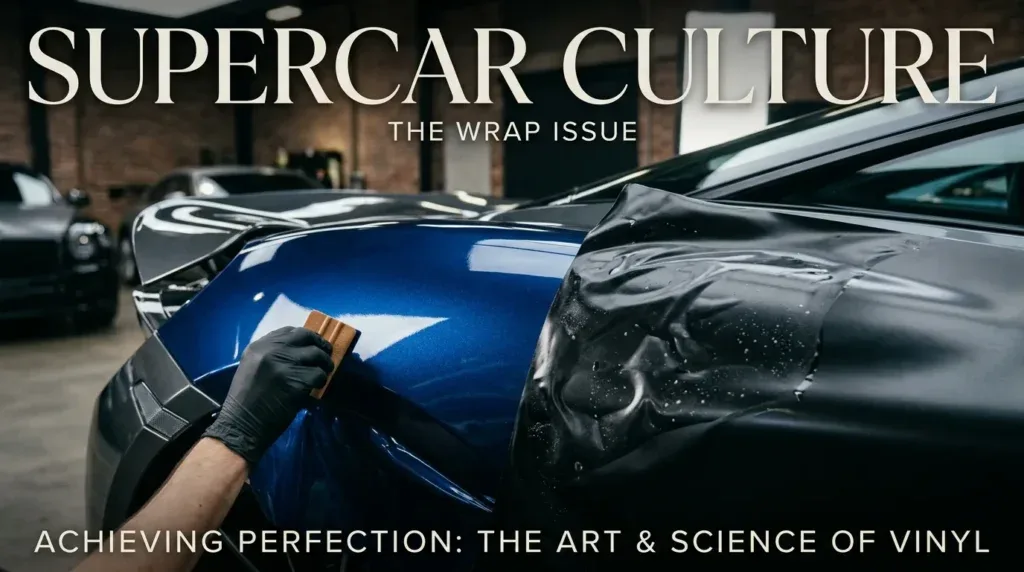
Material Choices: Where Quality Pays Dividends (and Cheap Film Fails)
The vinyl film itself is a significant component of your wrap's cost, but understanding the differences is crucial. This isn't just about color; it's about performance, durability, and how well it protects your original paint.
Cast vs. Calendered: Not All Vinyl is Created Equal
- Cast Vinyl: The Gold Standard (2.5-3 mil)
This is what I recommend for any full vehicle wrap you expect to last. Cast vinyl, such as 3M 2080/1080 series, Avery Dennison Supreme Wrapping Film, Oracal 970RA, Hexis, or Arlon, is made by pouring liquid vinyl onto a casting sheet. This process results in a very thin (typically 2.5–3 mil), stable, and flexible film with virtually no internal stress. This lack of stress means it conforms beautifully to complex curves, deep recesses (like those on a 2023 Tesla Model 3's front bumper), and rivets without shrinking back over time. Expect to pay anywhere from $18-$35 per linear foot for premium 60-inch wide rolls, depending on the brand and finish. A full wrap on a sedan like a Honda Civic might require 16-18 linear meters of 60-inch film, running the material cost alone into the $1000-$2000 range. - Calendered Vinyl: The Budget Option (3.5-4.5 mil)
This film is made by rolling molten vinyl through calendars, which introduces internal stress. It's thicker (3.5-4.5 mil) and stiffer. While excellent for flat commercial graphics (think a logo on a box truck or temporary signage), it's generally a poor choice for full car wraps, especially on contoured vehicles. Its inherent stress means it will try to return to its original flat state, leading to shrinkage, lifting edges, and adhesive failure, often within 1-2 years. If a quote seems suspiciously low, ask about the film type. Calendered films might cost $8-$15 per linear foot, but the savings are illusionary when you factor in early failure and re-wrap costs.
Specialty Films & Paint Protection Film (PPF): Premium Protection
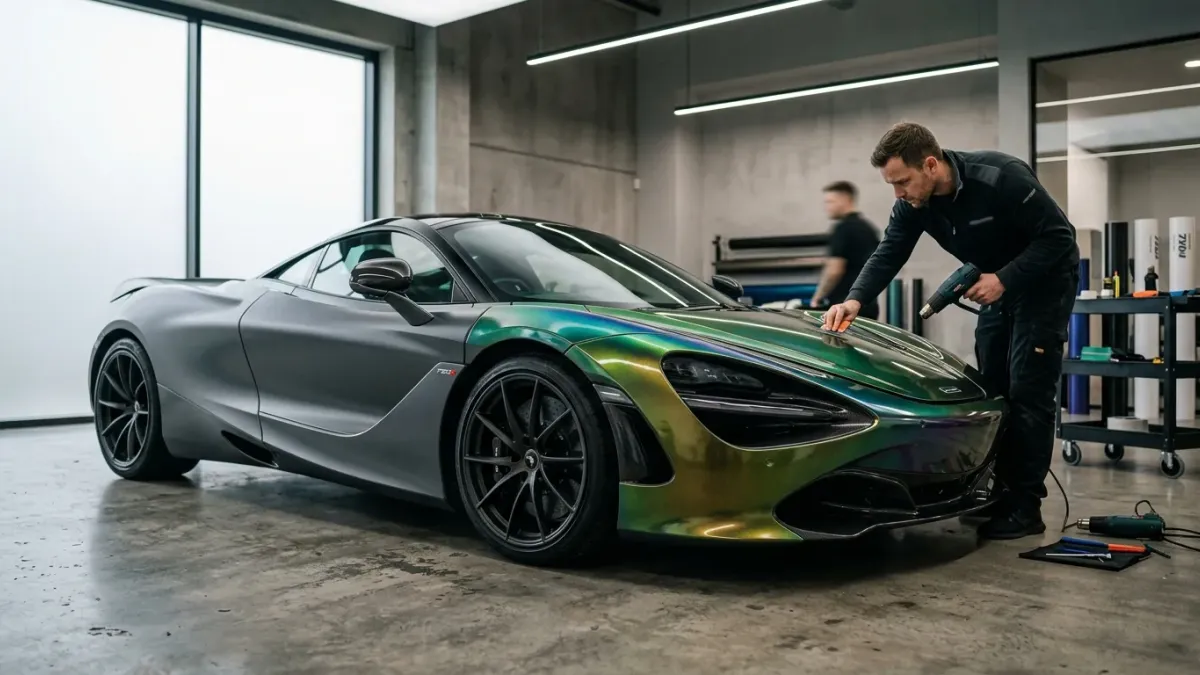
- Textured & Exotic Finishes: Films like chrome, color-shifting, or deeply textured options (e.g., carbon fiber, brushed metal) are often more expensive due to their complex manufacturing. These films can push the material cost per linear foot higher, sometimes into the $40-$80+ range, reflecting their unique aesthetics and specialized application requirements.
- Paint Protection Film (PPF): The Invisible Investment (8-10 mil)
PPF is not a color change wrap; it's a much thicker (typically 8-10 mil, like XPEL Ultimate Plus or 3M Scotchgard Pro Series) clear urethane film designed to protect your paint from rock chips, scratches, and environmental damage. The material cost is significantly higher than color change vinyl, often $40-$70 per linear foot, and the installation demands even more precision. A full-front PPF on a luxury sedan can easily run $2,000-$3,500, while a full vehicle PPF might range from $5,000-$9,000, depending on the vehicle and film. This is an investment in preserving your vehicle's factory paint and resale value.
The Craft Behind the Cost: Why Skilled Labor Matters Most
This is where the true value of your investment comes into play. The cost of labor isn't just "time spent"; it's an aggregation of expertise, specialized tools, and the dedication required to deliver a flawless, lasting product. A "cheap" labor quote is often the fastest route to a failing wrap.
The Installer's Experience & Expertise
A master installer has wrapped hundreds, if not thousands, of vehicles. They understand vinyl's properties – how it stretches, shrinks, and reacts to heat. They know how to manipulate the film to conform to intricate curves without overstretching (which causes premature failure) or leaving "fingers" (tiny wrinkles). The difference between a novice and a veteran is often measured in years of longevity for your wrap.
- Workflow & Efficiency: An experienced team can wrap a vehicle like a 2024 Honda CR-V in 18-24 hours of labor (2-3 days total), while an inexperienced team might take 40+ hours, often with inferior results. The higher hourly rate of an expert is offset by their efficiency and the quality of their work.
Specialized Tools & Techniques: More Than Just a Squeegee
professional wrap shops invest heavily in specialized tools that ensure precision and longevity. This includes:
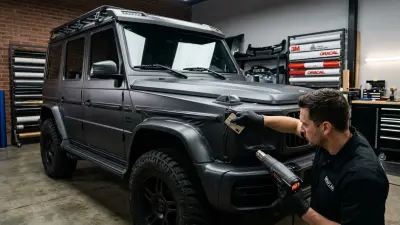
- Heat Guns & IR Thermometers: Essential for post-heating. After the wrap is laid, every edge and recessed area must be heated to a specific temperature (typically 200-220°F or 93-104°C for cast vinyl) to "set" the adhesive and relieve any residual film tension. This critical step prevents lifting and shrinkage. A pro uses an IR thermometer to ensure these temperatures are consistently met, especially on areas like bumper vents or around wheel arches.
- Knifeless Tape: This innovative tape allows installers to create perfect, clean cuts without ever touching your vehicle's paint with a blade. It's a hallmark of a professional job.
- Specialized Squeegees & Felts: Different squeegees are used for various applications (e.g., soft felt edge for delicate finishes, hard plastic for initial tack). Proper squeegee pressure is key to preventing bubbles and ensuring strong adhesion.
- Rivet Brushes & Application Gloves: Tools like the 3M Rivet Brush ensure proper adhesion around rivets on commercial vehicles, while lint-free application gloves prevent fingerprints and oils from contaminating the adhesive.
The cost of these tools and the training to use them effectively are factored into labor rates. A full color change wrap on a mid-size SUV, like a Toyota RAV4, might range from $3,500-$5,500 for a quality job using premium cast vinyl and expert labor. DIY options can save on labor, but often lack the specialized tools and expertise for a truly professional, long-lasting finish.
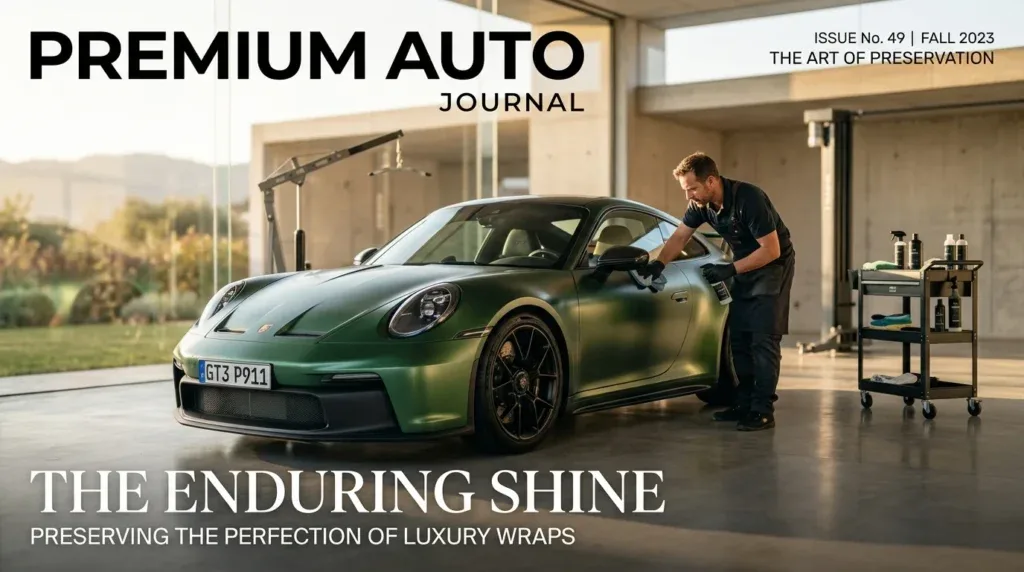
Long-Term Savings: Maintenance, Removal, and Avoiding Re-Wraps
A quality wrap isn't just about looking good on day one; it's about looking great for years. And that involves proper maintenance and, eventually, a clean removal. Skimping on the initial installation or material can lead to exorbitant costs down the line.
Maintenance Routines for Maximum Longevity
Just like paint, your wrap needs care. Proper maintenance extends its life significantly, often to 5-7+ years, or even beyond for PPF. This includes:
- Regular Washing: Hand wash with pH-neutral soap (e.g., Meguiar's Gold Class, Chemical Guys Mr. Pink) and soft microfiber towels every 1-2 weeks. Avoid harsh chemicals, abrasive brushes, and high-pressure washers too close to edges.
- Waxing/Sealants: While not always necessary with modern films, specific ceramic coatings or sealants designed for vinyl (e.g., Adam's Graphene ceramic coating for Vinyl) can add an extra layer of protection and gloss, enhancing UV resistance and making cleaning easier. Always avoid petroleum-based waxes.
- Spot Cleaning: Address bird droppings, sap, or fuel spills immediately with isopropyl alcohol (diluted 50/50 with water) to prevent etching.
Investing in quality detailing products and following a consistent schedule protects your wrap investment, preventing premature fading or degradation. This adds minimal recurring cost but preserves hundreds, if not thousands, in your initial investment.
Clean Removal: Protecting Your Original Paint
When it's time for a change or sale, a quality wrap made from cast vinyl will remove cleanly, leaving your underlying paint pristine. This is a huge selling point and protects your vehicle's resale value.
- The "Cheap Wrap" Trap: Calendered films, especially after being on a vehicle for several years, often delaminate during removal, leaving behind stubborn adhesive residue that requires extensive, costly chemical treatments and labor to remove. In worst-case scenarios, very cheap films or improper installation can even damage the clear coat or paint upon removal. Professional removal costs, including adhesive remediation, can range from $500 to $1,500 for a full vehicle, depending on the film's condition. This is a cost you want to minimize, and it starts with a quality initial install.
Spotting Red Flags: What a "Too Good to Be True" Quote Really Means
You're shopping around, and one quote is significantly lower than the others. Stop. Ask questions. Here are the red flags:
- Unspecified Film Type: If a quote doesn't explicitly state the brand and type of vinyl (e.g., "3M 2080 Gloss Black" or "Avery Supreme Satin White"), it's a huge red flag. They might be planning to use a cheap, calendered film.
- No Prep Work Details: If the shop glosses over cleaning, decontamination, or disassembly, they're likely cutting corners here. Ask specifically about their prep process.
- Short Warranty: A reputable shop using quality materials will offer a warranty of at least 1-3 years on labor and 3-7 years on the film itself (depending on the film and application). If the warranty is vague or extremely short, beware.
- Quick Turnaround Promises: A quality full wrap takes time. Expect 2-5 days for a meticulous job. Anyone promising a full car wrap in a single day is either rushing, cutting corners, or not doing a full, proper install.
- Lack of Portfolio/Reviews: Do they have a strong portfolio of actual wrap jobs (not just stock photos)? Do their online reviews consistently praise their quality and longevity?
Remember, a full color change wrap on a popular vehicle like a 2024 Tesla Model Y typically costs between $4,200-$5,800 for a premium cast vinyl, professionally installed. If you see a quote for $2,500 for the same job, it's highly likely they're compromising on material, labor, or both, which will ultimately cost you more.
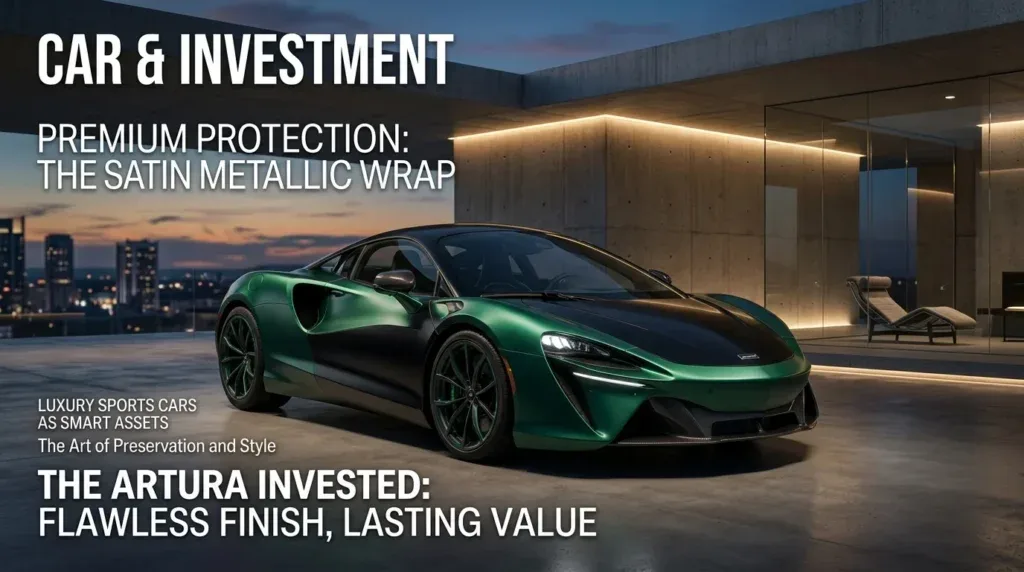
Final Thoughts: Your Wrap, Your Investment
As your trusted wrap shop owner, I genuinely want you to be thrilled with your vehicle's transformation and for it to last. The cheapest wrap quote often leads to the most expensive overall experience when you factor in frustration, premature failure, re-wrap costs, and potential paint damage. Think of your vehicle wrap not as an expense, but as an investment in appearance, protection, and enjoyment.
Choose wisely, ask the right questions, and prioritize value over the lowest price. Your car (and your wallet in the long run) will thank you.