As a car owner, you likely pour a lot of thought into how your vehicle looks and how long it stays looking that way. You’ve probably spent time researching every avenue, from ceramic coatings to paint correction, all in the pursuit of keeping your ride pristine. Among the most popular and effective solutions available today are paint protection film (PPF) and vinyl wraps. While both offer a fantastic way to customize and protect your vehicle, they serve fundamentally different purposes and excel in distinct areas. Navigating the choices can feel like deciphering a new language, but with over 15 years in the trenches, wrapping hundreds of cars, trucks, and bikes, I can break down exactly what you need to know to pick the right option for your specific needs.
Understanding the Core: What Are PPF and Vinyl Wraps, Really?
Before we dive into the nitty-gritty, let's establish a clear understanding of what each of these films brings to the table. Think of them as specialized tools in your automotive arsenal, each designed for a particular job.
Paint Protection Film (PPF): The Invisible Shield
Often referred to as a "clear bra," paint protection film is primarily a defensive layer for your vehicle's original paintwork. It’s a transparent, self-healing urethane film that acts as a robust barrier against physical damage. We’re talking about protection from everyday threats like rock chips, road debris, minor abrasions, bug acids, bird droppings, and harmful UV rays that cause paint fade. PPF is typically much thicker than vinyl, usually ranging from 6-12 mil (a mil is one-thousandth of an inch). This substantial thickness is what gives it its incredible impact resistance. High-quality PPF, such as 3M Scotchgard Pro Series, XPEL Ultimate Plus, or Stek DynoShield, also incorporates advanced self-healing polymers. This means that minor scratches, swirl marks, or scuffs can literally disappear when exposed to heat, whether from the sun or a quick hit with a heat gun.
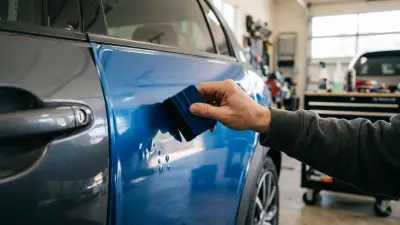
Installation of PPF usually involves a "wet" method, using a slip solution and tack solution to position the film precisely before squeegeeing out the liquids and adhering it to the paint. Common application areas include high-impact zones like front bumpers, hoods, fenders, side mirrors, and rocker panels, though full vehicle wraps are increasingly popular, especially for luxury and exotic cars. When properly installed, PPF is virtually invisible, preserving your car’s factory finish while offering unparalleled protection.
Vinyl Wraps: The Aesthetic Transformer
On the other side of the spectrum, vinyl wraps are primarily about aesthetic transformation. These are PVC-based (polyvinyl chloride) films designed to completely change the color, finish, or even add custom graphics to your vehicle without altering the original paint. Vinyl wraps are generally thinner than PPF, typically between 2.5 and 3.5 mil for premium cast films. We differentiate between two main types of vinyl:
Cast vinyl (like 3M 2080/1080 series, Avery Supreme Wrapping Film, Oracal 970RA) is the premium choice for full vehicle wraps. It’s produced in a liquid form, poured onto a casting sheet, and then heated, resulting in a very thin, stable, and flexible film. This makes it ideal for conforming to complex curves, recesses, and rivets without shrinking back over time, offering superior conformability and durability (often 5-7+ years).calendered vinyl is a more affordable, thicker, and stiffer film made by extruding molten PVC through rollers. It has a "memory" and is more prone to shrinking. While suitable for flat surfaces or short-term applications like basic decals or fleet graphics, it's generally not recommended for full vehicle wraps or intricate curves due to its tendency to lift or shrink at edges over time. For our discussions, we'll focus on cast vinyl for quality vehicle wraps.
While not as robust as PPF, vinyl wraps do provide a decent layer of protection against minor abrasions, swirl marks, UV rays, and light scratches. They shield your original paint from environmental contaminants, essentially acting as a sacrificial layer. The real magic, however, lies in the endless design possibilities. You can go from a factory gloss black to a vibrant matte purple, a sleek satin grey, a realistic carbon fiber texture, or even a dazzling chrome finish. Custom graphic wraps can turn your vehicle into a mobile billboard or a unique personal statement.
The Core Differences: Protection, Longevity, and Aesthetics
Now that we understand the basics, let’s peel back the layers and look at the key distinctions that will truly guide your decision.
Protection: The Unseen vs. The Stylish Barrier
When it comes to protection, PPF is the undisputed champion. Its primary design goal is to create an impenetrable shield for your paint. The thickness and self-healing properties of PPF are engineered to absorb impacts from road debris, preventing those dreaded rock chips that chip away at your car’s finish and resale value. Imagine a stone kicking up on the highway and bouncing off your bumper – with PPF, it’s likely to leave no trace, or at worst, a minor scuff that heals itself. PPF also offers superior resistance to chemical stains, paint etching from bug splatters or bird droppings, and relentless UV fading, maintaining your paint's factory luster for years.
Vinyl wraps, while offering a layer of physical separation between your paint and the outside world, simply aren't designed for the same level of impact protection. They will protect against superficial scratches, swirl marks from washing, and certainly prevent UV damage to the paint underneath. They can even absorb very minor impacts. However, a significant rock chip that would be deflected by PPF would likely puncture or tear a vinyl wrap. For example, I had a client with a brand-new 2024 Tesla Model Y who drove a lot of highway miles. We opted for a full PPF application, and sure enough, a few months later, a small but sharp piece of gravel hit the hood. The PPF showed a slight indentation, but the paint beneath was perfectly intact. Had it been a vinyl wrap, we would likely have seen a tear and potentially damage to the paint.
Longevity & Durability: What to Expect Over the Years
The lifespan of both films varies based on quality, installation, and care. However, PPF generally boasts a longer functional lifespan. Premium PPF films typically come with manufacturer warranties ranging from 5 to 12 years against yellowing, cracking, staining, or delaminating. Given its robust nature, it’s not uncommon for a high-quality PPF to look pristine for 7-10 years or even longer, maintaining its clarity and self-healing properties.
High-quality
Aesthetics & Customization: Limitless Style vs. Unseen Perfection
Here’s where vinyl wraps truly shine. The aesthetic possibilities are virtually endless. Manufacturers like 3M, Avery Dennison, Oracal, Hexis, and Arlon offer an astonishing spectrum of colors, from vibrant metallics and deep pearls to sophisticated satins and stealthy mattes. Beyond solid colors, you can get textured films (carbon fiber, brushed metal), color-shifting films, chrome finishes, and completely custom-printed graphics. This makes vinyl the go-to choice for personalizing your vehicle, branding a fleet, or simply trying out a bold new look without committing to a permanent paint job.
PPF, by design, aims to be invisible. Its primary aesthetic goal is to preserve the look of your original paint. While most PPF is clear and glossy, some manufacturers now offer
The Practicalities: Installation, Cost, and DIY Considerations
Making an informed decision also means understanding the investment of time and money, whether you're hiring a pro or considering a DIY project.
Installation Complexity and Techniques
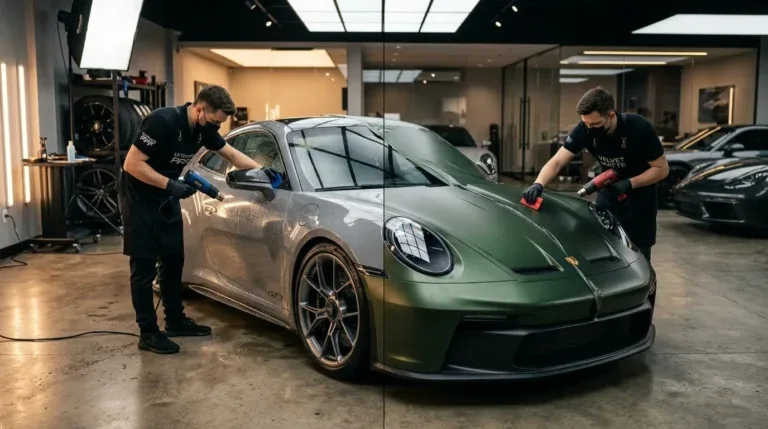
Both PPF and vinyl wrap installations are highly specialized skills that require patience, precision, and the right tools. They are definitely not for the faint of heart, especially for full vehicle applications. However, there are distinct differences in their installation processes.
- PPF Installation: This is almost exclusively a wet installation process. The film is typically stretched and positioned with the help of a slip solution (water and mild soap mix) and then secured with a tack solution (water and isopropyl alcohol). Installers use specialized squeegees to meticulously remove all liquids and air bubbles, conforming the film to every curve and edge.
Heat guns (set between 180-200°F) are used sparingly, primarily for relaxing the film on extreme curves or for post-heating edges to ensure maximum adhesion. Pre-cut patterns, often computer-generated for specific vehicle makes and models, help achieve a seamless, near-invisible finish with minimal cutting on the vehicle itself. - vinyl wrap installation: While some complex areas might use a minimal wet application, vinyl wraps are primarily installed dry. The installer uses controlled tension and heat (typically 180-220°F from a heat gun like a Steinel HL 1920 E) to stretch and conform the vinyl to the vehicle's contours. Precision cutting with sharp blades (like Olfa or NT Cutter knives) is crucial around panel gaps and edges.
Squeegees (often felt-tipped to prevent marring) are used with firm, overlapping strokes to smooth out air bubbles and ensure proper adhesion.Knifeless tape (e.g., 3M Design Line) is frequently employed to create clean, precise cut lines without needing a blade on the paint.Post-heating (200-240°F) every square inch of the applied vinyl is critical to "set" the film's memory and prevent it from lifting or shrinking back over time, especially in recessed areas or around rivets (where a3M rivet brush comes in handy).
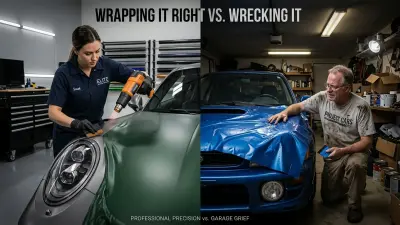
Given the intricacies of both, professional installation is strongly recommended for any full vehicle application. A skilled installer can prevent common issues like bubbles, lifting edges, contamination under the film, and paint damage from improper cutting.
Cost Breakdown: An Investment in Protection or Style
The cost of both PPF and vinyl wraps varies significantly based on several factors: the size and complexity of the vehicle, the specific film brand and finish chosen, and the installer's expertise and location. These are estimates for professional installation in 2025-2026.
| Service/Vehicle Type | Approximate PPF Cost (Professional Install) | Approximate Vinyl Wrap Cost (Professional Install) |
|---|---|---|
| Full Front End (Bumper, Hood, Fenders, Mirrors) | $2,000 - $4,500 (e.g., Tesla Model 3) | N/A (partial aesthetic wraps are rare) |
| Full Car PPF | $6,000 - $10,000+ (e.g., Porsche 911, Large Luxury SUV) | N/A (different purpose) |
| Full Color Change Wrap (Small Sedan) | N/A (different purpose) | $3,500 - $5,500 (e.g., Honda Civic) |
| Full Color Change Wrap (Mid-Size SUV) | N/A (different purpose) | $4,500 - $7,000 (e.g., Toyota RAV4) |
| Full Color Change Wrap (Large Truck/SUV) | N/A (different purpose) | $5,500 - $9,000+ (e.g., Ford F-150 Crew Cab, Chevy Tahoe) |
| Additional Options (Chrome Delete, Custom Graphics, Interior Trim) | $300 - $1,500+ | $300 - $2,500+ |
As you can see, PPF is often a higher upfront investment, particularly for full vehicle coverage, reflecting its advanced material technology and the meticulous installation required. A full wrap on a 2024 Tesla Model Y, for example, typically runs $4,200–$5,800 depending on the finish and chosen film series (like a special Hexis chrome). For a Ford F-150 crew cab, you're looking at needing 18-22 linear meters of 60-inch wide film for a full color change, which significantly impacts material cost alone.
DIY vs. Professional Installation
For PPF, DIY is almost universally discouraged. The material is expensive and unforgiving, and the margin for error is extremely low for proper, bubble-free, invisible application. You’ll spend more on wasted film and frustration than you would on a professional install.
For vinyl wraps, DIY is more feasible for smaller projects like chrome deletes, interior trim pieces, or simple roof wraps on flat vehicles. However, a full vehicle wrap, even with
Maintenance and Long-Term Care: Keeping Your Film Flawless
Once your vehicle is protected or restyled, proper maintenance is key to extending the life and appearance of the film.
Care Routines for PPF and Vinyl Wraps
Both films require regular cleaning, but there are nuances:
- Washing: For PPF, a wash every 1-2 weeks using a pH-neutral car soap is ideal. Avoid abrasive brushes or sponges. High-pressure washes are generally safe, but maintain a distance of at least 1 foot from edges to prevent lifting. For vinyl wraps, wash every 2-3 weeks with a mild, pH-neutral soap. Hand washing is preferred. Avoid automatic car washes with harsh brushes, as they can scratch or damage the film.
- Chemicals and Solvents: Avoid harsh chemicals, solvent-based cleaners, or abrasive polishing compounds on both PPF and vinyl. These can damage the film's surface, leading to dullness or premature failure.
- Waxing & Sealants: Both films can benefit from sealants or waxes designed for wraps or paint. Look for non-abrasive, non-petroleum-based products.
Ceramic coatings are highly compatible with both PPF and vinyl wraps and are an excellent way to add an extra layer of protection, enhance gloss/satin, and improve hydrophobic properties, making cleaning significantly easier. We often apply ceramic coatings over freshly installed wraps and PPF, aiming for 5-7+ years of film life. - Stains: For PPF, most stains (bug guts, bird droppings) will wipe away easily. For vinyl, address stains promptly. A mixture of isopropyl alcohol and water (50/50) can help remove stubborn marks.
Removing the Film
One of the great advantages of both PPF and quality vinyl wraps is their removability. When it's time for a change or to sell the vehicle, both films can be professionally removed without damaging the underlying factory paint, provided the paint was in good condition prior to installation. Proper removal involves gentle heat (around 150-180°F for vinyl, slightly less for PPF) to soften the adhesive, allowing the film to be peeled off slowly at a low angle. Any adhesive residue can then be safely removed with specific solvents designed for automotive use, like Rapid Remover.
Making Your Choice: Scenarios and Recommendations
So, which one is right for you? It really boils down to your primary goal.
Choose PPF If Your Priority Is:
- Ultimate paint protection: You want the absolute best defense against rock chips, deep scratches, and environmental damage. This is especially crucial for new cars, luxury vehicles, or cars driven frequently on highways.
- Preserving Resale Value: Keeping your original paint flawless significantly contributes to your car's value.
- Invisible Protection: You love your car’s factory color and finish and want to protect it without changing its appearance (aside from potentially adding a satin finish).
- Long-Term Durability: You're looking for a solution that will last 7-10+ years with minimal fuss.
A typical client for full PPF is someone who just bought a brand-new Mercedes-Benz S-Class or a limited-edition sports car and wants to ensure the paint remains showroom perfect for years to come. It’s an investment in preservation.
Choose Vinyl Wrap If Your Priority Is:
- Dramatic Aesthetic Change: You want to completely transform the look of your car, try a unique color or finish, or add custom graphics.
- Temporary Customization: You enjoy changing your car’s look every few years without the commitment and cost of a full repaint.
- Branding and Advertising: You need to use your vehicle for business promotion.
- Budget-Friendly Style: While not cheap, a full vinyl wrap is generally less expensive than a high-quality custom paint job and offers a similar visual impact.
A client coming to me for a vinyl wrap might own a well-maintained 2020 BMW M4 and wants to experiment with a matte metallic blue finish for a few years, or a small business owner with a fleet of vans needing distinctive branding.
Can You Have Both? The Best of Both Worlds
Absolutely! For the ultimate combination of style and protection, you can actually apply PPF over a vinyl wrap. This is becoming increasingly popular for those who want a unique, custom-colored vehicle but also desire the superior impact protection of PPF. Imagine wrapping your car in a stunning satin military green vinyl, then topping it with a clear satin PPF for rock chip resistance and enhanced durability. It's the most robust solution, offering unparalleled defense for your custom look.
Ultimately, the decision between PPF and vinyl wrap isn't about which is "better," but rather which one aligns more closely with your goals for your vehicle. Are you looking to diligently preserve the original finish, or are you eager to express yourself with a bold new style? Consider your driving habits, your budget, and how long you plan to keep the car. Don't hesitate to visit a reputable local wrap shop. A good installer will walk you through options, show you samples, and help you make an informed choice that you’ll be happy with for years to come.