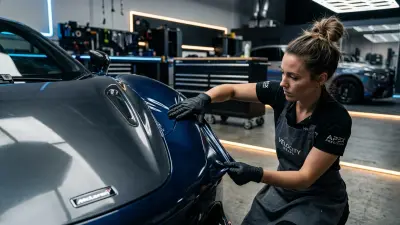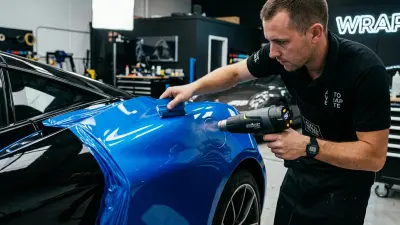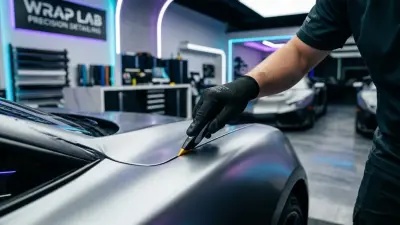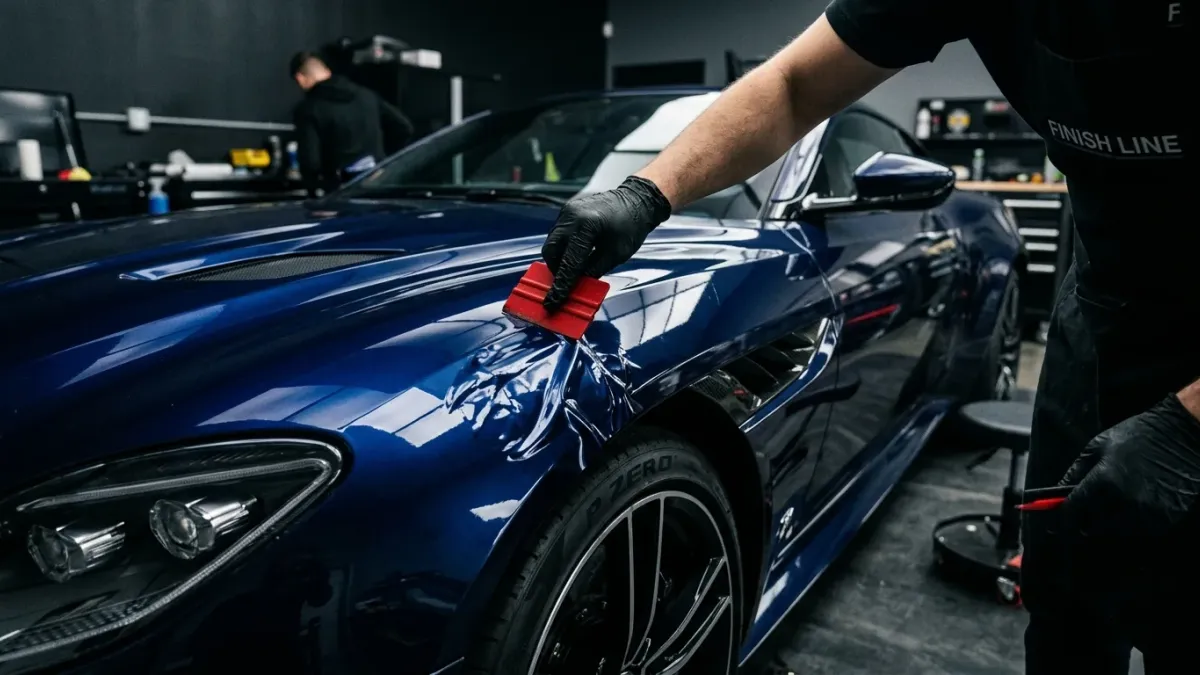
Applying a vehicle wrap can be a great way to give your car a fresh new look, but it can also be a daunting task, especially for those who are new to the process. With so many different types of vinyl wraps available, it can be difficult to know where to start. In my opinion, the key to a successful wrap installation is to avoid common mistakes that can lead to a flawed finish. For example, imagine this situation: you've just spent hours applying a wrap to your car, only to notice that it's starting to bubble and lift off the surface. This is a common problem that can be avoided with the right techniques and tools.
Understanding the Basics of Vehicle Wraps
Before we dive into the top 5 mistakes to avoid, it's essential to understand the basics of vehicle wraps. A vehicle wrap is a type of vinyl wrap that is applied to the surface of a car to give it a new look. There are two main types of vinyl wraps: cast vinyl and calendered vinyl. Cast vinyl is a premium, heat-activated film that conforms to complex curves without shrinking back, while calendered vinyl is a more affordable, stiffer film that is better suited for flat surfaces. Expert Note: When choosing a vinyl wrap, it's crucial to consider the type of surface you're working with and the level of durability you need.
Here are some key differences between cast vinyl and calendered vinyl:
| Type of Vinyl | Description | Price Range |
|---|---|---|
| Cast Vinyl | Premium, heat-activated film | $5-$10 per square foot |
| Calendered Vinyl | More affordable, stiffer film | $3-$6 per square foot |

The Top 5 Mistakes to Avoid
Mistake #1: Not Preparing the Surface Properly
One of the most common mistakes people make when applying a vehicle wrap is not preparing the surface properly. This can lead to a flawed finish and reduce the longevity of the wrap. To avoid this mistake, make sure to clean the surface thoroughly and remove any dirt, dust, or wax. Expert Note: Use a knifeless tape to remove any excess dirt or debris from the surface.
Mistake #2: Not Using the Right Tools
Using the right tools is essential for a successful wrap installation. This includes a heat gun, a squeegee, and a cutting tool. Make sure to choose the right tools for the job and use them correctly to avoid damaging the wrap or the surface. For example, a 3M rivet brush can be used to remove excess air from the wrap and ensure a smooth finish.
Additional Tips and Recommendations
In addition to avoiding common mistakes, there are several other tips and recommendations to keep in mind when applying a vehicle wrap. One of the most important is to choose the right wrap material for the job. This will depend on the type of surface you're working with and the level of durability you need. Expert Note: Consider using a ceramic coating to protect the wrap and extend its longevity.
Here are some additional tips to keep in mind:
- Use a wrap simulator to visualize the design and make any necessary adjustments before applying the wrap.
- Apply the wrap in a temperature-controlled environment to ensure a smooth finish.
- Use a post-heating technique to remove any air bubbles or wrinkles from the wrap.
Frequently Asked Questions
What is the best type of vinyl wrap for my car?
The best type of vinyl wrap for your car will depend on the type of surface you're working with and the level of durability you need. Consider using a cast vinyl for complex curves and a calendered vinyl for flat surfaces.
How long does a vehicle wrap last?
The longevity of a vehicle wrap will depend on several factors, including the type of material used, the quality of the installation, and the level of maintenance. With proper care and maintenance, a vehicle wrap can last for 5-7 years or more.
Can I apply a vehicle wrap myself?
While it's possible to apply a vehicle wrap yourself, it's not recommended. Applying a vehicle wrap requires specialized tools and techniques, and a professional installer will be able to achieve a flawless finish and ensure a long-lasting wrap.
In conclusion, applying a vehicle wrap can be a great way to give your car a fresh new look, but it requires careful attention to detail and a thorough understanding of the process. By avoiding common mistakes and following the tips and recommendations outlined in this article, you can achieve a flawless finish and extend the longevity of your wrap. Remember to choose the right wrap material, prepare the surface properly, and use the right tools to ensure a successful installation. With the right techniques and tools, you can create a stunning and durable vehicle wrap that will turn heads on the road.