Choosing the right material for your vehicle wrap isn't just about picking a color; it's the single most important decision that dictates how your wrap looks, performs, lasts, and ultimately, how much value you get for your investment. Walk into any professional wrap shop, and we'll tell you straight: the film makes all the difference. Get it wrong, and you're looking at premature fading, lifting edges, or a finish that simply doesn't meet your expectations. So, let's dive deep into the world of vehicle wrap materials, from the everyday workhorses to the premium performers, so you can make an informed choice.
Understanding the Big Two: Cast vs. Calendered Vinyl</h2<
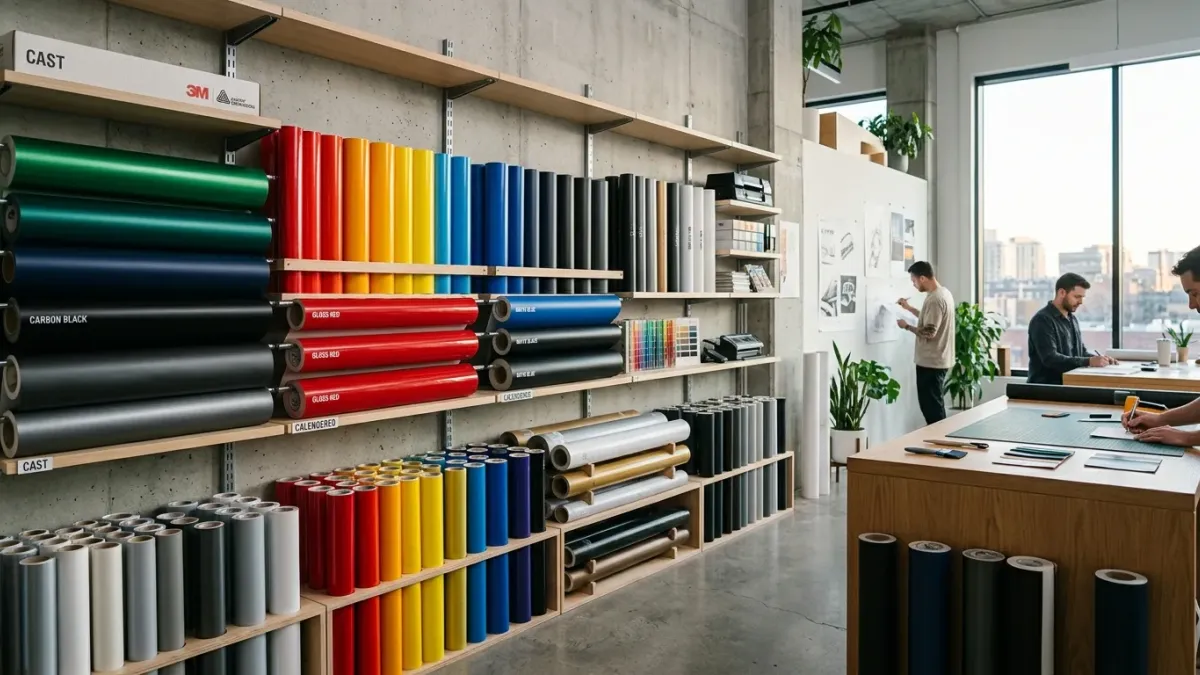
When we talk about vinyl wrap films, the conversation almost always starts with these two fundamental types. They differ significantly in how they're manufactured, which directly impacts their properties, performance, and cost. Understanding this distinction is crucial for anyone considering a wrap, whether you're a DIY enthusiast or hiring a pro.
Cast Vinyl: The Premium Performer
cast vinyl is the industry gold standard for full vehicle wraps, and for good reason. It's made by pouring liquid vinyl polymers onto a casting sheet, which is then baked in an oven. This process creates a very thin, stable, and flexible film. Because it's "cast" and not stretched during manufacturing, it has very little internal stress, meaning it's less prone to shrinking back or lifting over time.
The key benefits of cast vinyl are its exceptional conformability to complex curves, recesses, and rivets, its superior durability, and its long-term dimensional stability. This is the film you want for a seamless, paint-like finish that will last. Popular brands like 3M 2080/1080 series, Avery Dennison Supreme Wrapping Film, Oracal 970RA, and Hexis are all premium cast films. They typically have a thickness of 2.5–3.5 mil, offering enough body to work with without being bulky. Honestly, for any full color change wrap, especially on modern vehicles with intricate body lines like a 2024 Tesla Model Y or a Porsche 911, cast vinyl is the only way to go for a lasting, high-quality result.
Calendered Vinyl: The Workhorse for Simpler Jobs
calendered vinyl, on the other hand, is produced by forcing a vinyl compound through a series of heated rollers, stretching and flattening it into a sheet. This process is more cost-effective, but it introduces internal stress into the material. As a result, calendered vinyl is generally thicker, stiffer, and has a higher tendency to shrink back over time, especially when exposed to heat or UV light.
While it's more affordable, calendered vinyl is best suited for flat or gently curved surfaces, like vehicle windows, truck sides, or temporary promotional graphics. You'll often find it in thicknesses ranging from 3–4 mil for intermediate films up to 6 mil for specialized promotional applications. It's not ideal for full color changes on complex vehicle panels because its stiffness makes it challenging to conform without creating wrinkles, and its shrinkage can lead to lifting edges around recesses and corners. Imagine this situation: trying to wrap a Ford F-150 bumper with deep contours using a calendered film. You'd be constantly battling it, stretching it into place only for it to try and pull back, leaving you with frustrating "fingers" or eventual edge lift. That's why we rarely recommend it for intricate full wraps.
Beyond Color Change: Specialty Wrap Materials
While cast and calendered vinyl form the backbone of the wrap industry, there's a whole world of specialized films designed for specific purposes, from invisible paint protection to striking aesthetic enhancements. Let's explore some of them.
Paint Protection Film (PPF): Invisible Armor
Often mistakenly grouped with vinyl wraps, Paint Protection Film (PPF) is a distinctly different material. It's a much thicker, clear urethane-based film, typically 6–10 mil thick, designed to protect your vehicle's original paint from stone chips, scratches, bug splatters, and environmental contaminants. Modern PPF, like Xpel Ultimate Plus, 3M Scotchgard Pro Series, or SunTek Reaction, often boasts self-healing properties, meaning minor scratches disappear with heat, and exceptional clarity.</p<
PPF is primarily about preservation, not aesthetic change, although some brands now offer matte or colored PPF. It's usually applied to high-impact areas like the front bumper, hood, fenders, and side mirrors, but full car PPF installations are becoming increasingly popular for ultimate protection. Installation is typically a wet application process, which is quite different from dry vinyl wrapping and generally not recommended for DIYers due to its complexity and the specialized tools required. A full car PPF application will always be significantly more expensive than a color change wrap, often ranging from $5,000 to $10,000+ for a quality installation.
Chrome Delete & Accent Films
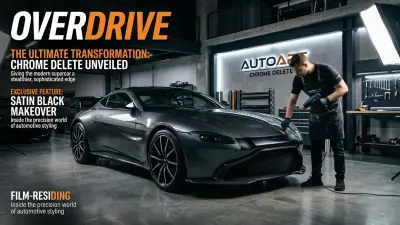
For those looking to customize smaller details, chrome delete and accent films are perfect. These are typically high-quality cast vinyl films, often thinner and designed for precise application on trim pieces, window surrounds, grilles, and mirror caps. They allow for subtle or dramatic aesthetic changes without the cost or commitment of a full wrap. Brands like 3M and Avery offer dedicated chrome delete films in various finishes, from gloss black to satin.
Textured and Specialty Finishes
Want your car to stand out from the crowd? Specialty cast vinyl films offer a plethora of unique finishes. Think carbon fiber textures, brushed metal looks, vibrant chromes, deep satins, and stealthy mattes. These films are all about making a statement. While they offer incredible visual appeal, some textured films can be a bit more challenging to clean, and chrome films, in particular, require extremely careful handling during installation due to their delicate nature. They are all typically premium cast films and command a slight price increase over standard gloss or matte colors.
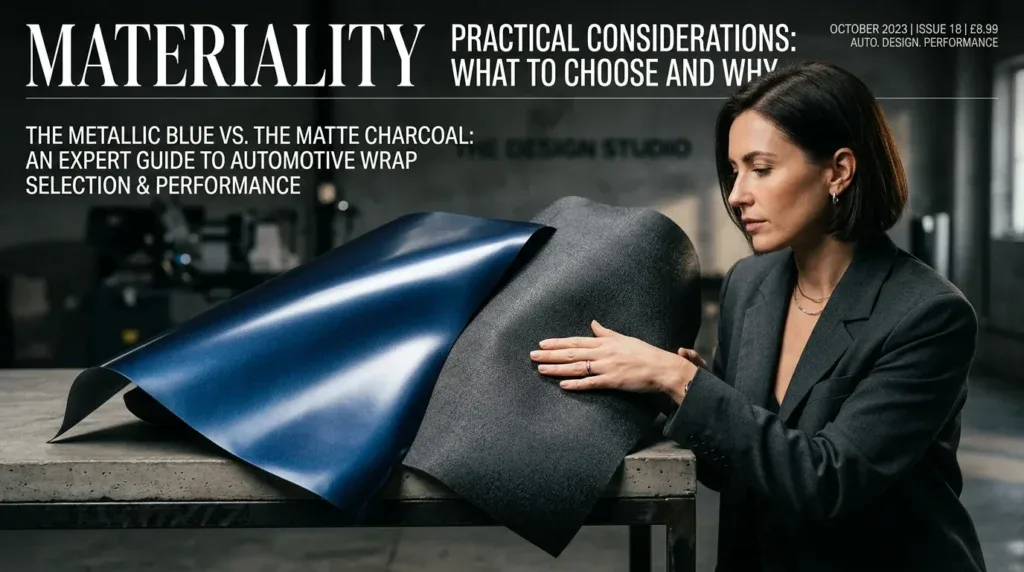
Practical Considerations: What to Choose and Why
Now that you know the different types of materials, how do you decide which one is right for your vehicle? It boils down to your goals, your budget, and your willingness to either DIY or hire a professional.
Durability & Lifespan Expectations
This is where material choice truly pays off. A premium cast vinyl wrap, when properly installed and maintained, can easily last 5–7+ years. Intermediate calendered films are typically rated for 1–3 years, making them suitable for temporary changes or promotional use. High-performance calendered films might stretch to 3-5 years on flat surfaces. PPF, designed for long-term protection, typically comes with a warranty of 7–10+ years. Keep in mind that environmental factors like extreme sun exposure, harsh chemicals, and poor maintenance can shorten any film's life.
Cost Breakdown & ROI
The cost of your wrap project will vary significantly based on material, vehicle size, complexity, and whether you go DIY or professional. For a full wrap on a 2024 Tesla Model Y using a premium cast film (3M 2080 or Avery Supreme), you can expect to pay anywhere from $4,200–$5,800 at a professional shop, depending on the finish (matte, gloss, satin, chrome) and your location. A larger vehicle like a Ford F-150 crew cab typically requires 18–22 linear meters of 60-inch film, which alone can run $800–$1,500 for premium cast vinyl, not including labor or tools. DIY can save on labor, but you risk material waste if you're inexperienced.
When considering the return on investment (ROI), think about what you're trying to achieve. Is it paint protection? A unique look? Resale value retention? A premium cast wrap or PPF protects your OEM paint, which can be a huge asset when it's time to sell your vehicle. Over time, it can actually be more cost-effective than repeatedly repainting or dealing with minor chips and scratches.
Installation Complexity and DIY Suitability
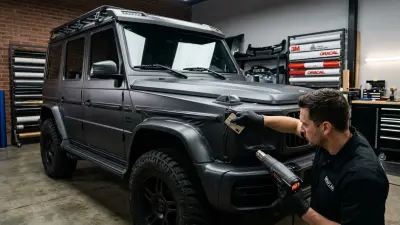
As a seasoned installer, I've seen it all. I remember a client who, to save money, purchased a cheaper, intermediate calendered film for his intricately curved sports car bumper. He spent an entire weekend fighting it, constantly dealing with lifting edges and bubbles that just wouldn't stay down. In the end, he brought the car to us, and we had to strip his failed attempt and re-wrap it with a proper cast film, costing him more in the long run. This underscores a crucial point: cast vinyl is more forgiving for DIYers due to its conformability, but still requires skill, proper tools (heat gun, squeegees, Knifeless tape), and patience. Calendered vinyl is easier on truly flat surfaces, but its stiffness makes it a nightmare on complex curves for even intermediate DIYers.
PPF installation, with its wet application and often intricate pattern matching, is generally NOT recommended for DIY unless you have specific training and experience. The stakes are higher, and mistakes are costly. For a beginner, starting with smaller accent wraps using cast vinyl is a much smarter move than tackling a full vehicle with an unsuitable film.
Making the Smart Choice for Your Vehicle
So, what would I do in your situation? First, define your primary goal. Are you looking for a temporary aesthetic change, long-term paint protection, or a durable new look for your daily driver? Your goal will immediately steer you towards either calendered vinyl (for short-term graphics or flat surfaces), cast vinyl (for full, durable color changes and complex curves), or PPF (for ultimate paint protection).
Always consider the complexity of your vehicle's body. The more curves, recesses, and intricate details, the more you need the conformability and stability of a premium cast vinyl. While the upfront cost might be higher, the longevity and superior finish often make it the most economical choice in the long run. If you're tackling a DIY project, honestly, invest in good quality cast film; it will save you headaches and wasted material. For critical protection, there's simply no substitute for professional PPF. You'll find more detailed guides on installation techniques and specific product recommendations right here on Car Wrap Info.
The world of vehicle wrap materials is incredibly diverse, offering solutions for every need and budget. By understanding the core differences between cast and calendered vinyl, and knowing when to opt for specialty films like PPF, you're empowered to make a decision that not only looks fantastic but also protects your investment for years to come. Choose wisely, wrap with confidence, and enjoy the transformation of your ride!