After 15 years in this game, wrapping everything from humble daily drivers to exotic supercars, I've noticed one thing that truly separates the five-year-plus wraps from the ones that look tired after just a couple of years: consistent, correct maintenance. A premium vinyl wrap, whether it’s a sleek gloss, a stealthy matte, or an elegant satin, is an investment in your vehicle’s appearance and protection. But just like any investment, it requires diligent care to truly maximize its lifespan and keep it looking factory fresh. Forget those quick fixes or harsh chemicals – real wrap longevity comes down to understanding the nuances of your specific finish and treating it right. You want your full color change on that 2024 Tesla Model Y, which likely ran you between $4,200–$5,800 depending on the finish and shop, to look its best for the full 5-7 years, right? Proper care is the roadmap to achieving exactly that.
The Non-Negotiables: Core Care Principles for Any Wrap
No matter if you've got a vibrant 3M 2080 Gloss Dragon Fire Red on your Porsche 911 or a subtle Avery Supreme Wrapping Film Matte Black on your Ford F-150, some core principles apply across the board. These aren't just suggestions; they're the bedrock of proper wrap care. Skimp on these, and you'll be dealing with lifting edges, fading, or even permanent damage long before you should be. Think of these as the fundamental rules that, if followed, will prevent 90% of premature wrap failures.
Hand Washing is Your Wrap's Best Friend
Let's get this out of the way upfront: automatic car washes, especially those with aggressive brushes, are the enemy of your wrap. The harsh bristles and high-pressure jets can scratch the vinyl, pull at edges, and even cause premature fading. I've seen countless wraps come through my shop with irreversible damage from just a few trips through these machines – sometimes even causing edge lifting so severe that re-wrapping an entire panel became necessary. Always opt for a gentle hand wash; this allows you to control the pressure and ensure a thorough, yet safe, cleaning process that protects both the vinyl film and its crucial adhesive layer.
Even touchless automatic washes, while seemingly safer, can pose risks due to their powerful, concentrated jets. These high-pressure streams can force water under edges, potentially weakening the adhesive, especially on older wraps or those with minor imperfections. Moreover, the harsh chemicals often used in touchless washes are typically not pH-neutral and can accelerate the degradation of your vinyl's top layer over time. For maximum longevity and a pristine finish, there's simply no substitute for a careful hand wash.
Choose the Right Cleaning Products – pH-Neutral is Key
Think about your car's factory paint – you wouldn't use dish soap on that, right? The same logic applies to your vinyl wrap. Always use a pH-neutral car shampoo. "pH-neutral" means the product is neither acidic nor alkaline, making it gentle on both the vinyl film itself and, crucially, its adhesive layer. Harsh chemicals can degrade the vinyl's top layer, dulling its finish, or worse, weaken the adhesive, leading to lifting and bubbling.
Look for products specifically labeled "wrap-safe" or "wax-safe" (for gloss wraps) from reputable brands like Chemical Guys Mr. Pink, Meguiar's Gold Class, or Gyeon Bathe. For particularly stubborn grime, a dedicated wrap cleaner or an all-purpose cleaner (APC) diluted according to the manufacturer's instructions for delicate surfaces can be used, but always test it on an inconspicuous area first. Avoid any products containing petroleum distillates, harsh solvents, or abrasive compounds, as these will undeniably damage your wrap.
Act Fast on Contaminants and Spills
Bird droppings, tree sap, bug guts, and fuel spills aren't just unsightly; they're highly acidic and corrosive. If left on the wrap, especially in direct sunlight, they can etch into the vinyl, leaving permanent stains or damage. I once had a client with a beautiful Oracal 970RA Matte Olive Green wrap on his Jeep Grand Cherokee who left bird droppings on his hood for a full weekend, baking in the Texas sun. The result was an indelible outline where the acidic droppings literally ate into the matte finish – a costly mistake that required a full hood re-wrap.
Clean these off as soon as you notice them using a wrap-safe detail spray and a soft microfiber towel. For fuel spills, a quick wipe with a damp, clean cloth is usually enough, but address it immediately before the chemicals can penetrate or weaken the vinyl. Special bug and tar removers are available that are safe for wraps; always ensure they are clearly labeled as such before use. A quick detailer like Adam's Graphene Detail Spray or Chemical Guys Speed Wipe can often handle fresh contaminants effectively.
The Art of Drying and the Power of Microfiber
After washing, thorough rinsing is paramount to remove all soap residue, which can dry and leave unsightly streaks or spots. Once rinsed, drying properly is critical. Never let your wrap air dry completely, as this often leads to water spotting, especially with hard water, which can leave mineral deposits that are a nightmare to remove, particularly on matte finishes. The safest and most effective method is to use a dedicated leaf blower (like a Worx Turbine Fusion or similar) to blast most of the water off, followed by a plush, clean microfiber drying towel.
For towels, I always recommend high-quality, dense microfiber like The Rag Company's Gauntlet or Pluffly drying towels. These towels are designed to absorb a massive amount of water without scratching the surface. Remember, always use clean towels; a dirty towel can introduce microscopic scratches. Always dab or blot rather than rub aggressively, especially on fresh wraps, to avoid disturbing the vinyl's adhesion. Proper drying is just as important as washing in maintaining your wrap's flawless appearance. 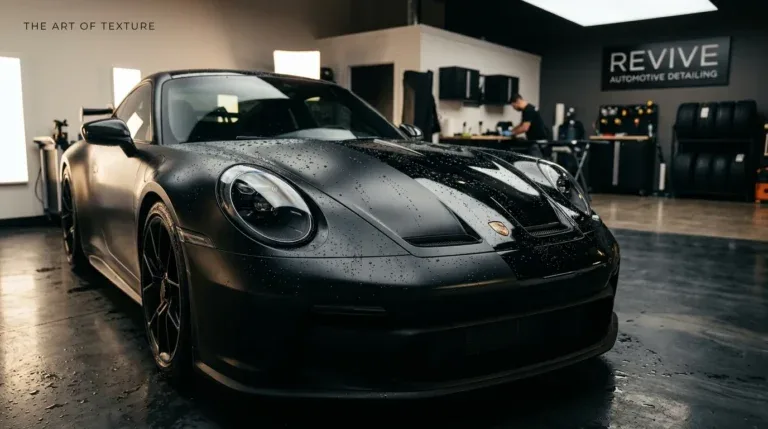
Gloss Finishes: Keeping the Mirror Flawless
Gloss wraps are designed to mimic the high-sheen, reflective look of a perfectly painted vehicle. Films like 3M 2080 Gloss Black, Avery Supreme Wrapping Film Gloss White, or Oracal 970RA Gloss Intense Blue are typically cast vinyls, around 3.2-3.5 mil thick, engineered for durability and a deep, paint-like finish. Cast vinyl, by the way, is the premium, heat-activated film that conforms beautifully to complex curves without shrinking back, offering superior longevity compared to calendered vinyl (a more affordable, stiffer film better suited for flat surfaces). The goal here is to maintain that vibrant, reflective shine and prevent hazing or swirl marks.
Specific Washing Techniques for Gloss
For gloss wraps, the two-bucket method is your best friend. This involves one bucket with your pH-neutral car shampoo and a wash mitt, and a second bucket with clean water to rinse your mitt after each section. This crucial step prevents you from transferring dirt and grit back onto the wrap, significantly reducing the risk of swirl marks and scratches. When washing, use gentle pressure and work in straight, overlapping strokes, moving from top to bottom. Avoid circular motions, as these are a common culprit for swirl marks that dull the reflective surface. After the wash, flood the vehicle with water from an open hose to help sheet off most of the water before drying.
Protection & Enhancement: Sealants and Coatings
Unlike matte or satin finishes, gloss wraps can absolutely benefit from wrap-safe spray sealants, waxes, or even ceramic coatings. These products add an extra layer of protection against UV rays, environmental contaminants, and minor abrasions, while also boosting the gloss and making future cleaning easier. Look for synthetic spray sealants like Turtle Wax Seal N Shine or ceramic-infused detail sprays specifically formulated for vinyl wraps.
For the ultimate protection, a dedicated ceramic coating designed for vinyl can extend the life and enhance the appearance of your gloss wrap dramatically. Brands like Gyeon Q2 CanCoat, Adam's Graphene ceramic coating, or 3M ceramic coating offer excellent options. These typically last 1-2 years and provide exceptional hydrophobic properties, meaning water beads up and rolls right off, carrying dirt with it. Applying these coatings requires a clean surface and careful, even application, often with a microfiber applicator pad, followed by buffing with a clean microfiber towel. It's an investment in time and product, but one that pays dividends in protection and ease of maintenance.
Swirl Mark Prevention & Minor Scratch Repair
Even with the most careful washing, swirl marks can sometimes appear on gloss wraps, especially darker colors. The best defense is a good offense: meticulous washing and drying techniques. If minor swirls or light scratches do appear, some very gentle, wrap-safe polishes can be used, but extreme caution is advised. Always test on an inconspicuous area first. Products like Meguiar's M210 Ultra Pro Finishing Polish, when applied with a very soft foam pad and low speed on a dual-action polisher, can sometimes minimize light imperfections without damaging the vinyl. However, aggressive polishing can dull the wrap or even compromise the print layer, so if you're unsure, consult a professional wrap installer.
Matte and Satin Finishes: The Art of Subtle Sophistication
Matte and satin wraps offer a sophisticated, non-reflective aesthetic that's incredibly popular, but they require a slightly different approach to care. Films like 3M 2080 Matte Military Green, Avery Supreme Wrapping Film Satin Black, or Hexis HX20000 series offer these distinctive finishes. These films, also typically cast vinyls around 3.2-3.5 mil, absorb light rather than reflecting it, creating their unique look. The key challenge here is to maintain that uniform, low-sheen appearance without introducing streaks, shiny spots, or unevenness.
The Distinctive Challenges of Matte & Satin
Unlike gloss, matte and satin finishes have a slightly textured surface at a microscopic level, which is what gives them their unique light-diffusing properties. This texture can easily trap oils, fingerprints, and contaminants, making them more noticeable than on a smooth gloss surface. Critically, you CANNOT use traditional waxes or shiny sealants on these finishes. Waxes contain oils and fillers that will clog the microscopic texture, creating shiny, uneven patches that are incredibly difficult, if not impossible, to remove without damaging the wrap. This is one of the most common and expensive mistakes I see DIYers make.
Gentle Washing for a Streak-Free Finish
The core principles of hand washing with pH-neutral soap apply here too, but extra care is needed to avoid streaks. Use a soft wash mitt, like a sheepskin or high-pile microfiber mitt, and work in small sections. Rinse thoroughly and frequently. When drying, the leaf blower is your best friend, as it helps prevent water spots from forming and drying on the textured surface. Follow up with a dedicated matte/satin drying towel (often a bit softer than gloss towels) to gently blot away any remaining water.
For routine cleaning, a detail spray formulated specifically for matte finishes, such as Dr. Beasley's Matte Paint Prescription or Chemical Guys Meticulous Matte Detailer, is invaluable. These products are designed to clean without adding any shine or filling the matte texture, ensuring your finish remains perfectly uniform and streak-free. They are excellent for quick wipe-downs between washes or for spot cleaning. Don't use anything that promises "shine" or "gloss enhancer" on these wraps.
The "No-Wax" Rule and Specialized Protection
As mentioned, traditional waxes are a definite no-go. So, how do you protect a matte or satin wrap? Thankfully, specialized products have emerged. There are now matte-specific sealants and ceramic coatings designed to offer protection without altering the finish. Products like Gyeon Q2 Matte, Dr. Beasley's Matte Sealant, or XPEL SwirlX for matte finishes provide excellent hydrophobic properties and UV protection while maintaining the original sheen. These coatings are crucial for preserving the unique look and making cleaning much easier in the long run.
Applying a matte-specific ceramic coating (typically a 9-12 month product) offers the best defense. It creates a durable, invisible barrier that resists contaminants, makes washing a breeze, and significantly extends the life of your matte or satin wrap without making it shiny. While the cost for a professional application of a ceramic coating on a full wrap might range from $700-$1,200, it's a worthwhile investment that can add years to your wrap's life and significantly reduce maintenance effort.
Addressing Stains and Oils
Fingerprints, grease, and oily smudges are particularly visible on matte and satin finishes. For these, a quick detailer specifically designed for matte surfaces is your go-to. Spray a small amount onto a clean microfiber towel, then gently wipe the affected area. Avoid rubbing too hard. For more stubborn stains, a small amount of isopropyl alcohol (IPA) diluted 50/50 with distilled water can be used sparingly as a last resort, but always test on a hidden area first and use it quickly to clean, then rinse immediately with water. Fuel spills need immediate attention with a damp cloth to prevent etching.
Elevating Your Wrap's Longevity: Pro Tips & Product Picks
Beyond daily care, a few professional techniques and habits can truly maximize your wrap's lifespan, often pushing it beyond the advertised 5-7 years to even 8-10 years. These insights come directly from years of hands-on experience, seeing what makes a wrap last and what causes it to fail prematurely.
Post-Heating: The Unsung Hero
For any DIY installer, or even a professional who rushes, proper post-heating is absolutely critical for the wrap's longevity. Post-heating is the process of heating the vinyl to a specific temperature (typically 180°F to 200°F, or 82°C to 93°C for most premium cast films like 3M 2080 or Avery SWF) after installation. This step resets the vinyl's "memory," locking it into its new stretched or conformed shape, preventing it from shrinking back and lifting at edges or complex curves. Without proper post-heating, especially in recessed areas or around rivets (like on a wrapped Ford F-150 crew cab, which typically uses 18-22 linear meters of 60-inch film), your wrap's lifespan will be severely cut short. Use an infrared thermometer to ensure you hit the correct temperatures.
Edge Sealing & Inspection
Even with excellent post-heating, edges are the most vulnerable points on any wrap. Regularly inspect all edges, especially around door jambs, mirrors, and body lines. If you notice any minor lifting, gently press it down. For extra security in high-wear areas or on intricate parts, an edge sealer can be applied. Products like 3M Edge Sealer or Avery Dennison Edge Sealant form a clear, thin barrier that further secures the vinyl to the paint, preventing moisture ingress and premature lifting. This is particularly useful for vehicles exposed to harsh weather or frequent high-pressure washing (though hand washing is always preferred).
Storage & Environmental Factors
Where you park your vehicle plays a huge role in wrap longevity. Prolonged exposure to direct sunlight, especially in hot climates, can accelerate fading, dulling, and even adhesive breakdown. Parking in a garage, carport, or even under a quality car cover (ensure it's breathable and soft-lined to prevent micro-scratches) significantly extends your wrap's life. Avoid parking under trees that drop sap or near industrial areas with airborne contaminants. Extreme cold can also make vinyl brittle, so try to avoid scraping ice off your wrapped surfaces; use a de-icing spray instead.
DIY vs. Professional Installation & Maintenance
While this article focuses on maintenance, it's worth noting that the initial quality of the installation directly impacts how well your wrap will last, regardless of your diligent care. A professional installer, using high-quality tools like a Steinel heat gun, 3M rivet brush, and knifeless tape, will ensure proper adhesion, minimal tension, and meticulous edge finishing. DIY wraps can be rewarding, but expect a learning curve and potentially a shorter lifespan if proper techniques (like post-heating and surface prep) aren't perfectly executed. For maintenance, many tasks are perfectly suitable for DIYers, but for complex repairs or advanced protection like ceramic coating, a professional shop is often the wisest choice.
Essential Wrap Care Toolkit
Building the right toolkit makes wrap maintenance a breeze. Here's what I recommend having on hand:
- Two Buckets: For the two-bucket wash method.
- pH-Neutral Car Shampoo: (e.g., Chemical Guys Mr. Pink, Meguiar's Gold Class)
- Soft Wash Mitts: (e.g., Chenille Microfiber, Lambswool)
- Leaf Blower: (e.g., Worx Turbine Fusion, Greenworks 40V) for touchless drying.
- High-Quality Microfiber Drying Towels: (e.g., The Rag Company Gauntlet, Pluffly)
- Wrap-Safe Detail Spray: (e.g., Adam's Graphene Detail Spray for gloss, Dr. Beasley's Matte Final Finish for matte/satin)
- Bug & Tar Remover (Wrap-Safe): For stubborn contaminants.
- Glass Cleaner (Ammonia-Free): For windows, not wrap.
- Optional: Wrap-Safe Sealant/Ceramic Coating: Specific to gloss or matte/satin finishes.
Wrap Finish Care Comparison
To help visualize the differences, here's a quick comparison of care requirements:
| Feature | Gloss Finish Care | Matte & Satin Finish Care |
|---|---|---|
| Primary Goal | Maintain shine, prevent swirls, protect from UV. | Maintain uniform low-sheen, prevent shiny spots/streaks, protect from UV. |
| Washing Method | Two-bucket method, pH-neutral soap, straight-line strokes. | Two-bucket method, pH-neutral soap, gentle blotting/wiping. |
| Waxes/Sealants | YES: Wrap-safe waxes, sealants, ceramic coatings are highly recommended. | NO: Absolutely no traditional waxes; use only matte-specific sealants or ceramic coatings. |
| Drying | Leaf blower + high-quality microfiber drying towel. | Leaf blower + high-quality, softer microfiber drying towel (critical for streak prevention). |
| Spot Cleaning | Wrap-safe quick detailer. | Matte-specific quick detailer for fingerprints/oils. |
| Common Mistakes | Automatic washes, harsh chemicals, improper drying leading to swirls/water spots. | Using wax/gloss products, aggressive scrubbing, improper drying leading to streaks/shiny spots. |
| Longevity Boosters | Ceramic coatings, regular sealant application. | Matte-specific ceramic coatings, prompt contaminant removal. |
Ultimately, your car's vinyl wrap is a fantastic way to customize and protect your vehicle. But it's not a set-it-and-forget-it modification. By understanding the specific needs of your wrap's finish – whether it’s a brilliant gloss, a sophisticated matte, or an elegant satin – and committing to a consistent, correct maintenance routine, you'll ensure that investment looks stunning for years to come. Take the time, use the right products, and treat your wrap right; it will repay you with head-turning looks and lasting protection against the elements.
| Product | Thickness | Finish | Price |
|---|---|---|---|
| 3M 2080 | 2.5 mil | Gloss | $50/roll |
| Avery Supreme Wrapping Film | 3 mil | Gloss | $60/roll |
| Oracal 970RA | 2 mil | Gloss | $40/roll |