Alright, folks! As a seasoned vinyl wrapping specialist with over 15 years under my belt, I’ve seen just about everything come and go in this industry. But let me tell you, 2025 is shaping up to be a pivotal year for vehicle wraps. It's not just about new colors or flashy designs anymore; it’s about smarter material choices, innovative application techniques, and really understanding how to get the most bang for your buck, whether you’re looking to protect your daily driver, rebrand a fleet, or turn heads at a car show.
The landscape of vehicle customization is always shifting, and staying updated isn't just for the pros—it's for anyone who wants their ride to look sharp and their investment to last. We're moving beyond simple aesthetic changes into an era where wraps offer genuine paint protection, enhanced durability, and even contribute to the vehicle's resale value if chosen and maintained correctly. My goal here is to cut through the marketing fluff and give you real-world, no-nonsense advice, just like I would to a buddy walking into my shop. We'll explore the practical trends that matter for 2025, how to pick the right materials, nail the installation, and keep your wrap looking fresh for years.

Decoding 2025's Material Evolution: Beyond Basic Vinyl
Forget everything you thought you knew about "just vinyl." The material science behind vehicle wraps is advancing at a rapid pace, and 2025 is bringing some fantastic innovations. Understanding these materials is your first step to making a smart choice.
Advanced Film Technologies: Cast, Calendered, and Hybrid Innovations
- Cast Vinyl: The Gold Standard, Evolved. For premium, long-lasting wraps, cast vinyl remains king. Brands like 3M (think their 2080 and 1080 series) and Avery Dennison (Supreme Wrapping Film) continue to refine their offerings. In 2025, we're seeing even more robust air-release channels, making installations smoother and virtually bubble-free, even for DIYers. These films, typically 2.5-3.5 mil thick, are still the go-to for full-color changes, intricate curves, and deep recesses because they offer superior conformability and dimensional stability—meaning they won't shrink back over time, which is critical for edge longevity. New for 2025 are cast films with enhanced self-healing properties in certain finishes, providing minor scratch repair similar to PPF.
- calendered vinyl: The Smart Budget Choice. calendered vinyl, typically 3.5-5 mil thick, is more affordable and stiffer. While traditionally better for flat panels or short-term graphics, 2025 sees advancements in intermediate calendered films that offer improved conformability and adhesive technology. These are perfect for small fleet operators or hobbyists looking to wrap flatter surfaces like a box truck or a simple roof graphic without breaking the bank. Just remember, they're more prone to shrinkage and lifting on complex curves over time compared to cast films.
- Hybrid Films: Best of Both Worlds. Keep an eye out for more hybrid film offerings. These films combine properties of both cast and calendered vinyls, aiming for better conformability than traditional calendered films but at a more accessible price point than full cast. They're a sweet spot for those wanting good performance without the premium cost of top-tier cast films.
The Rise of Functional Aesthetics: PPF, Chrome Deletes & Textured Overlays
It's not just about color anymore; it's about protection and subtle enhancements. For 2025, the integration of different film types is a major trend:
- Paint Protection Film (PPF): The Unsung Hero. PPF, typically a clear urethane film 4-5 mil thick (or even 8-10 mil for heavy-duty applications), is seeing a massive surge. Beyond clear bras, full-body PPF is becoming popular for high-end vehicles. But here's the kicker for 2025: Matte PPF is trending big. You can take your glossy factory paint and give it a luxurious satin finish while still getting all the benefits of self-healing, chip protection, and UV resistance. Imagine a full wrap on a 2024 Tesla Model Y in a stunning matte black 3M 2080 film, combined with critical front-end protection from XPEL Stealth PPF on the hood and bumper. That’s next-level protection and style.
- Chrome Deletes & Accent Wraps: The Art of Subtlety. Minimalist aesthetics are here to stay. Blacking out chrome trim (chrome delete), mirror caps, or door handles with 3M 2080 Satin Black or Avery SWF Gloss Black films is incredibly popular. These small touches can transform the entire look of a vehicle, especially on modern cars like the Toyota GR86 or a new Ford Bronco. It’s a cost-effective way to update a vehicle's appearance.
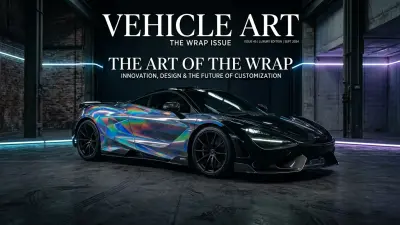
- Textured & Specialty Overlays: Tactile Experiences. Beyond the standard gloss or matte, 2025 will see more refined textured films. Think brushed metals with deeper grain, carbon fiber with a more realistic weave, or even subtle satin metallic finishes that shimmer without being overly flashy. Brands like Hexis and Arlon are pushing boundaries here, offering unique tactile experiences that photos just don't capture.
The Art of Impact: Design & Finish Trends That Deliver in 2025
While materials lay the groundwork, design and finish are where your vehicle truly expresses itself. For 2025, the trends are leaning towards sophisticated, purposeful aesthetics that balance individuality with broad appeal.
Nuanced Colors & Finishes: Moving Beyond Primary Hues
Expect to see a continued evolution from stark, primary colors to more complex, muted, and earthy tones. Think deep forest greens, desaturated blues, sophisticated greys with subtle metallic flakes, and warm browns. These colors offer a premium, understated look that stands the test of time better than ultra-bright, trendy hues. Satin finishes, in particular, are surging in popularity across these nuanced color palettes. A full wrap on a Mercedes-Benz C-Class in Avery Supreme Satin Khaki Green, for instance, looks incredibly elegant and unique without screaming for attention.
Strategic Graphics & Partial Wraps for Maximum Effect
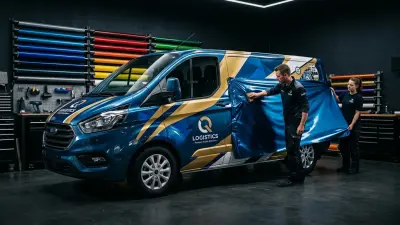
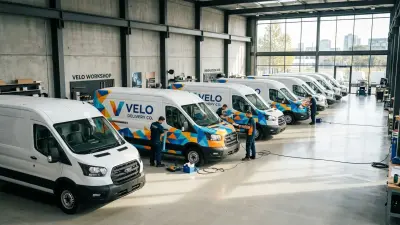
Full color changes will always have their place, but for businesses and individuals alike, strategic partial wraps and graphics are gaining traction for their cost-effectiveness and targeted impact. Instead of a busy, all-over graphic, consider a clean, bold design that uses the vehicle's original paint color as a complementary element. For a small fleet of delivery vans (say, a few Ram ProMaster or Ford Transit vans), a crisp logo and contact info on the sides, paired with a matching chrome delete and perhaps a roof graphic, delivers a professional look without the full wrap expense. This approach focuses on clarity and brand recognition, proving that sometimes less is more.
- Electric Vehicle (EV) Aesthetics: EVs like the Rivian R1T or Hyundai IONIQ 5 often benefit from clean lines and futuristic finishes. Think satin pearl whites, deep metallic blues, or even transparent PPF with subtle iridescent effects that enhance the original paint while adding a unique twist. These vehicles lend themselves well to minimalist designs and strategic color blocking.
- Retro-Inspired & Heritage Graphics: With the resurgence of classic cars and modern vehicles paying homage to their past, expect to see more wraps drawing inspiration from vintage racing liveries, classic two-tone schemes, or subtle retro branding. This could involve using specific fonts, color combinations, and graphic placements that evoke nostalgia, perfect for a Ford Mustang or a Subaru BRZ.
Beyond the Flat: Textured and Multi-Layered Visuals
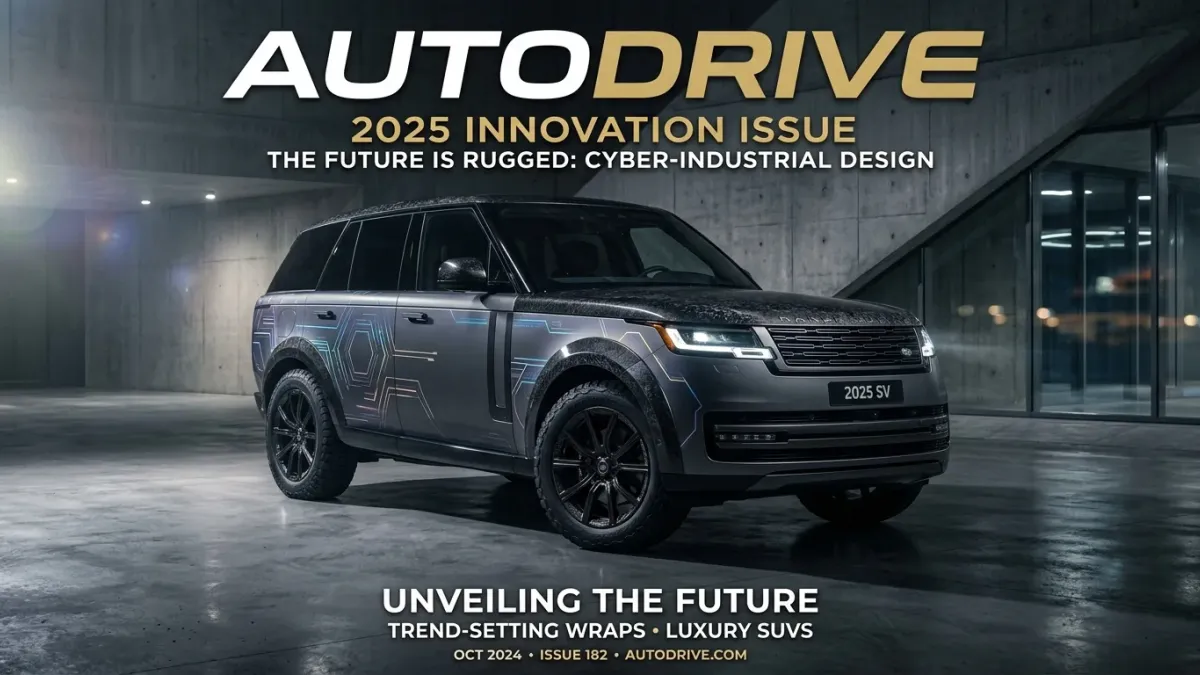
While traditional flat graphics remain popular, 2025 will see an increase in designs that incorporate layers, textures, and subtle visual depth. This isn't about extreme 3D effects, but rather smart use of different film types on a single vehicle. For example, a matte black primary wrap could be accented with a gloss black stripe or a carbon fiber trim on mirrors and spoilers, creating subtle contrast and visual interest. Or, a custom graphic could be printed on a textured film to give it a unique tactile quality. This approach elevates the overall aesthetic, making the wrap feel more bespoke and luxurious.

Mastering the Application: Techniques for a Flawless 2025 Wrap
Even the best materials and designs fall flat without expert installation. As an installer, I can tell you that the difference between a good wrap and a great, long-lasting wrap often comes down to the details in application. For 2025, with more complex films and demanding designs, precision is paramount.
Vehicle Preparation: The Unsung Hero
I can't stress this enough: prep is 80% of a successful wrap. For 2025, with self-healing and advanced adhesive films, a meticulously clean surface is more critical than ever to ensure proper adhesion and activation of those features. My shop's standard procedure involves:
- Thorough Wash & Decontamination: Not just soap and water. We use a two-bucket wash method, followed by an iron remover (like CarPro Iron X) and a clay bar treatment to pull out any embedded contaminants.
- Panel Wipe: After drying, every panel is wiped down with a 70/30 isopropyl alcohol (IPA) mixture or a dedicated surface prep solution (like 3M Surface Prep) to remove any oils, waxes, or residue. This is crucial for the adhesive to bond properly.
- Disassembly (as needed): For a truly seamless wrap, mirrors, door handles, lights, and emblems often need to be carefully removed. This allows the film to be tucked deeply, preventing edge lifting.
Precision Installation Techniques for Modern Films
- Squeegee Pressure & Angle: For modern films with advanced air-release channels, the right squeegee pressure is key. Too much, and you can damage the film or trap air; too little, and you won't get proper adhesion. Use a felt-tipped squeegee for delicate finishes like satin or matte to prevent marring. Maintain a consistent 45-degree angle, working from the center outwards to push air and activate the adhesive.
- Heat Management: Your heat gun is your best friend and worst enemy. For stretching and conforming film into recesses, use controlled, even heat. But the most critical step is post-heating. Every inch of the wrap needs to be heated to a specific temperature (usually 200-220°F / 93-104°C for 3M 2080 or Avery SWF) using an infrared thermometer to "set" the memory of the vinyl and prevent it from shrinking back. This is where many DIYers go wrong and why edges lift.
- Edge Sealing & Relief Cuts: For complex areas like door jambs, around rivets (common on work trucks), or sharp body lines, proper relief cuts and edge sealing are vital. Use Knifeless tape for clean, seamless cuts without damaging the paint. For rivets, a 3M rivet brush helps the film conform without tearing. Edge sealer pens (like 3M Edge Sealer) can provide an extra layer of protection against lifting, especially in high-traffic areas or on fleet vehicles.
- Overlap Techniques: For larger vehicles like a Ford F-150 crew cab, which might require 18-22 linear meters of 60-inch film, you'll encounter seams. Mastering the art of overlapping panels (typically a 1/2 inch to 1-inch overlap) ensures a durable and aesthetically pleasing finish. Plan your overlaps strategically to hide them in natural body lines or less visible areas.
A full color change on a standard sedan can take a professional installer 1-3 days, while a large truck or complex design might take 3-5 days. DIYers should budget significantly more time and patience.
Future-Proofing Your Investment: Maintenance & Longevity in 2025
Congratulations, your vehicle is wrapped and looking fantastic! Now, how do you keep it that way for the projected 5-7+ years that a quality cast vinyl wrap should last, or even 7-10+ years for PPF? Proper maintenance is non-negotiable.
Wrap-Specific Cleaning Regimen
- Regular Washing: Wash your wrapped vehicle every 1-2 weeks, or immediately after it gets dirty (bird droppings, bug guts, tree sap are corrosive!). Use a pH-neutral car wash soap (e.g., Meguiar's Gold Class, Chemical Guys Mr. Pink) and the two-bucket method with soft microfiber mitts.
- Avoid Harsh Chemicals: Stay far away from abrasive cleaners, petroleum-based solvents, or harsh degreasers. These can damage the film, cause discoloration, or degrade the adhesive.
- No Waxing on Matte/Satin: This is a common mistake! Traditional waxes contain fillers that will make a matte or satin finish appear glossy and uneven. Instead, use a ceramic coating specifically designed for wraps or a matte detailer spray. For gloss wraps, you can use wrap-safe spray waxes or sealants.
- Pressure Washer Caution: If using a pressure washer, keep the nozzle at least 1 foot away from the film, use a wide spray pattern (40-degree tip), and avoid spraying directly at seams or lifting edges.
Advanced Protection: Ceramic Coatings for Wraps
For 2025, ceramic coatings aren't just for paint anymore; they're a game-changer for wraps. Products like Gtechniq Halo or Feynlab Wrap specifically designed for vinyl and PPF can add an incredible layer of protection:
- Enhanced Durability: They create a hard, hydrophobic layer that resists scratches, UV damage, and environmental contaminants.
- Easier Cleaning: Dirt and grime will have a harder time sticking, making your regular washes much easier and quicker.
- Extended Lifespan: By protecting the film from degradation, a ceramic coating can extend the life of your wrap by 1-2 years, potentially reaching 7-9 years for cast vinyl.
Applying a ceramic coating typically adds $300-$800 to the total cost if done professionally, but it's an investment that pays off in longevity and ease of maintenance.
Cost Considerations: DIY vs. Pro & Material Choices (2025-2026 Estimates)
Let's talk numbers, because budgets are real. These are general ranges for 2025-2026:
- DIY Material Cost: For a full color change on a mid-size car, expect to pay $500-$1,500 for quality cast vinyl film (e.g., 3M 2080 or Avery SWF). This doesn't include tools, which can add another $100-$300.
- Professional Full Color Change Wrap:
- Standard Gloss/Matte Cast Vinyl: $3,000-$5,500 for a compact sedan (e.g., Honda Civic) to a mid-size SUV (e.g., Toyota RAV4).
- Premium Finishes (Satin Metallic, Chrome, Textured): $4,500-$8,000+, depending on the vehicle size and complexity (e.g., a full wrap on a Porsche 911 in a Hexis Super Chrome could easily exceed $10,000 due to material cost and labor).
- Large Trucks/SUVs (e.g., Ford F-150, Cadillac Escalade): $5,000-$8,500+ for standard finishes due to material quantity and complex body panels.
- Paint Protection Film (PPF):
- Full Front End (Hood, Fenders, Bumper, Mirrors): $1,800-$3,500.
- Full Vehicle PPF: $5,000-$8,000 for standard clear PPF, potentially $7,000-$12,000+ for matte PPF on larger or more complex vehicles.
- Chrome Deletes/Accents: $200-$800 per area, depending on complexity.
Remember, these are estimates. Shop around, look at portfolios, and always prioritize quality materials and experienced installers. A cheap wrap often costs more in headaches and early removal.

Conclusion: Your Vehicle, Your Statement, Smarter Choices
The world of vehicle wraps in 2025 is an exciting blend of innovation, style, and practicality. It's about making smart choices that not only reflect your personality or brand but also protect your vehicle's paint and provide lasting value. Whether you're a DIY enthusiast tackling your first project or a business owner looking to make a statement with a fleet, understanding the nuances of modern film technologies, design trends, and meticulous application techniques is key.
My advice, forged over hundreds of wraps, is simple: invest in quality materials, pay attention to the prep, don't skimp on post-heating, and commit to a consistent maintenance routine. Do that, and your vehicle won't just follow the 2025 trends—it'll set them, looking phenomenal and protected for years to come. Happy wrapping!