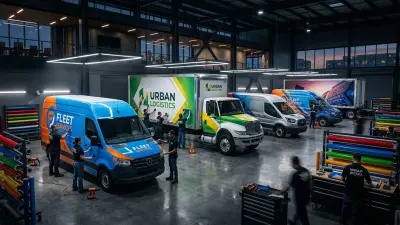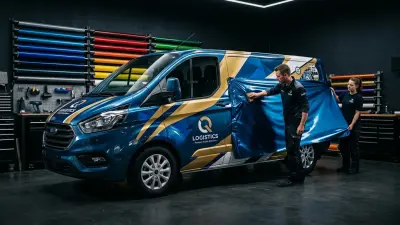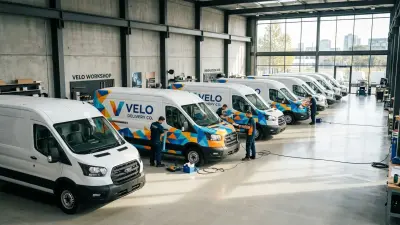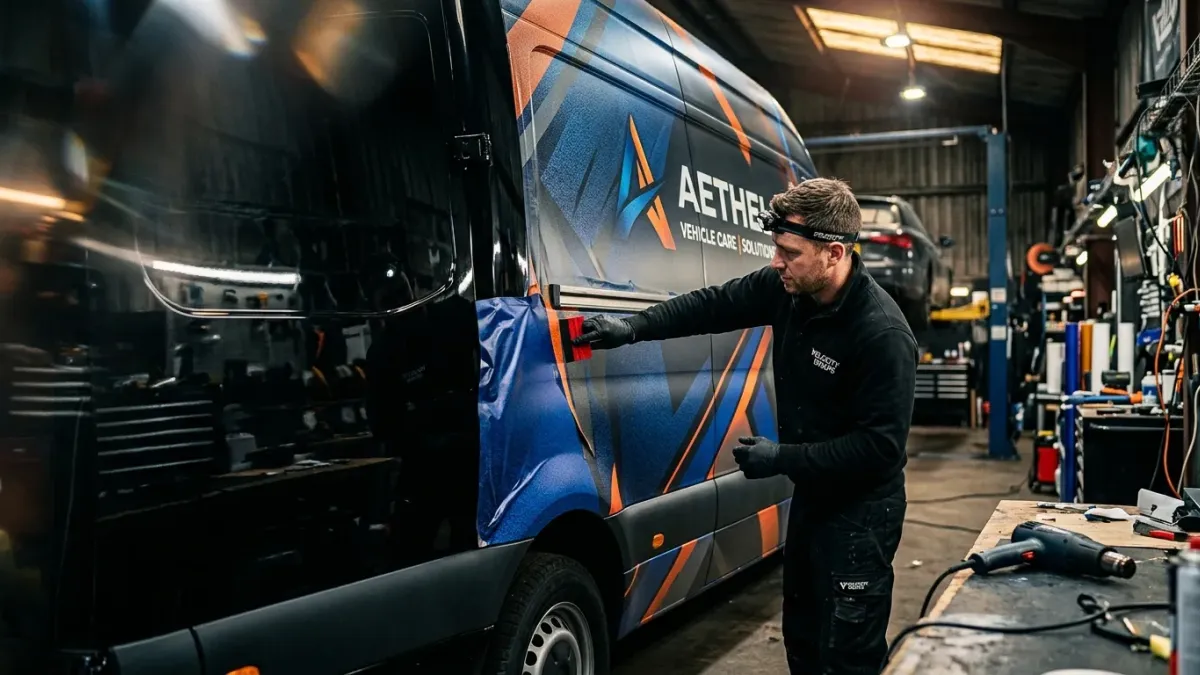
Walk through any bustling street, and you'll see them: vehicles transformed into moving billboards, catching eyes and silently selling services. For any business owner, a commercial vehicle wrap isn't just an aesthetic upgrade; it's a strategic investment, a 24/7 marketing machine that protects your asset while spreading your brand message far and wide. But with so many options out there, how do you cut through the noise and choose the right wrap for your business? That's where I come in. With over 15 years knee-deep in vinyl, I've seen it all, and I'm here to give you the real-world, no-fluff advice you need.
Understanding Your Business Needs & Goals
Before you even think about colors or graphics, you need to get crystal clear on what you want your wrap to achieve. This isn't just about making your vehicle look good; it's about making it work for your business.
What's Your Message and Audience?
First off, what story are you trying to tell? Are you a local plumber trying to convey reliability and trust to homeowners in your service area? Or perhaps a tech startup aiming for a modern, innovative look to appeal to B2B clients? The clarity and simplicity of your message are paramount. A busy, cluttered design might look cool on a screen, but it's often lost in traffic.
Think about who you're trying to reach. What information is crucial for them to see at a glance? Your logo, website, phone number, and a clear service offering should be easily digestible. Honestly, I've seen businesses spend thousands on wraps only to have contact info in a tiny, unreadable font. Don't make that mistake! Your wrap is a silent salesperson, so ensure it communicates effectively.
Vehicle Type and Fleet Size
The type of vehicle you're wrapping plays a huge role in material choice, design, and cost. Wrapping a compact sedan like a Toyota Corolla for a ride-share service is vastly different from wrapping a Ford F-150 crew cab for a construction company or a Ford Transit cargo van for a delivery service. Vans and trucks offer larger, flatter surfaces, which can sometimes simplify installation, but they also require significantly more material.
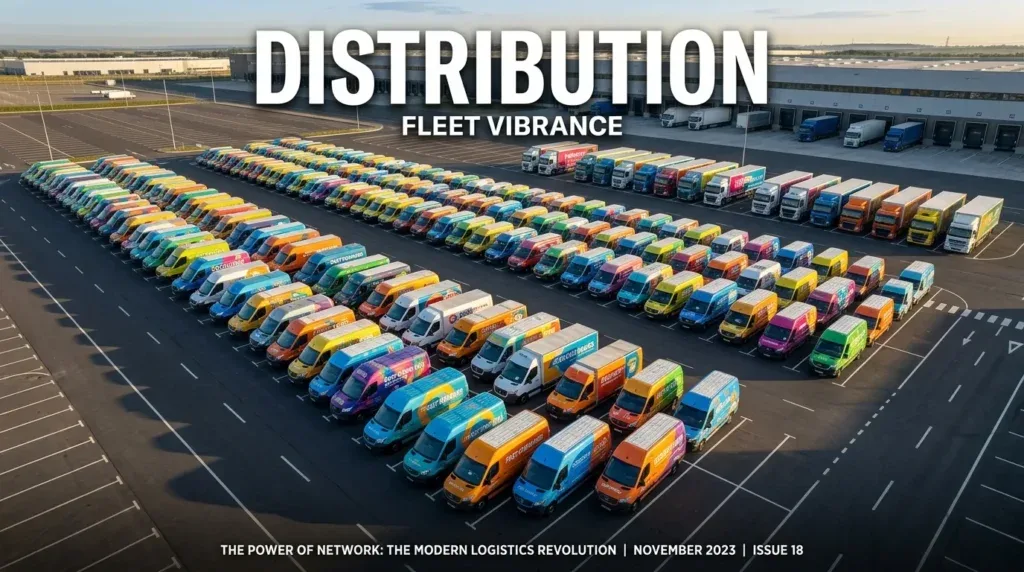
If you're managing a fleet, consistency in branding is key. All your vehicles should immediately be recognizable as part of your company. This means choosing a durable, repeatable solution that can be applied across multiple vehicle types while maintaining brand integrity. For example, a local bakery might just need a catchy design on their single delivery van, but a larger company with a dozen service trucks needs a standardized, long-lasting solution.
Deciding on the Right Type of Commercial Wrap
Once you've nailed down your goals, it's time to explore the options. From full coverage to simple logos, there's a wrap solution for every budget and business objective.
Full Wraps vs. Partial Wraps vs. Decals
- Full Wraps: This is the ultimate statement. A full wrap covers virtually every painted surface of your vehicle, offering maximum brand exposure and significant paint protection. For a 2024 Tesla Model Y used for a premium ride-share service, a full wrap might cost anywhere from $4,200 to $5,800 depending on the finish (matte, gloss, satin). It's a complete transformation, making your vehicle a true mobile billboard.
- Partial Wraps: A fantastic compromise, partial wraps cover specific sections of your vehicle, like the hood, fenders, rear doors, or sides. They blend seamlessly with the vehicle's original paint color. This can be a very cost-effective way to get high impact without the full investment. Imagine a delivery van with a vibrant rear door wrap and branded side panels, typically costing 30-60% of a full wrap.
- Vinyl Decals & Lettering: For basic branding or regulatory information (like DOT numbers), simple cut vinyl decals and lettering are the most economical option. They're perfect for displaying your logo, website, or specific services on doors or windows. These can range from $300 to $1,500+, depending on complexity and size.
Material Matters: Cast vs. Calendered for Commercial Use
This is where the rubber meets the road, or rather, the vinyl meets the vehicle. The type of film you choose is critical for durability, appearance, and ease of removal down the line.
- Cast Vinyl: This is the premium choice for commercial wraps, and frankly, what I recommend for most businesses looking for a long-term solution. Cast vinyl is a high-quality, heat-activated film (typically 2.5–3 mil thick for print films, plus a 1.5-2 mil laminate) that is manufactured by pouring liquid vinyl into a mold. This process results in a very thin, stable, and conformable film that shrinks minimally over time. It excels at conforming to complex curves, rivets, and deep recesses without shrinking back or lifting. Brands like 3M's IJ180/IJ480 series, Avery Dennison's MPI 1105, and Oracal's 3951RA are industry standards for printed commercial graphics, offering 5-7+ years of outdoor durability.
- Calendered Vinyl: On the more budget-friendly side, calendered vinyl is produced by extruding a vinyl paste through rollers, making it stiffer and thicker (typically 3-4 mil). It's more prone to shrinkage over time and is best suited for flat or gently curved surfaces. While more affordable, its outdoor life is generally shorter, around 2-4 years, and it can be more challenging to remove cleanly after its lifespan. Brands include 3M's IJ35C or Avery Dennison's MPI 2100. But what would you do in this situation if you went with calendered for a complex curve? You'd likely see edge lifting and bubbling within a year or two, costing you more in the long run. Imagine a plumbing van's wrap starting to peel on the door handle recesses after only 18 months because a cheaper calendered film was used – that's a bad look for your brand.
Always ensure your chosen film is laminated. A good laminate (usually 1.5-2 mil thick) protects the printed graphics from UV rays, abrasions, and environmental damage, significantly extending the life and vibrancy of your wrap. You can choose from gloss, matte, or luster finishes for your laminate to achieve the desired look.
Design, Durability, and Maintenance
A great wrap isn't just about the film; it's about the entire package from conception to care.
Crafting an Effective Design
Your design is your virtual handshake with potential customers. Keep it clean, professional, and easy to understand at a glance. Large, legible fonts are crucial. Your company logo should be prominent, and key contact information (website, phone number, social media handles) should be strategically placed. Avoid clutter – less is often more. Honestly, a simple, impactful design will generate more leads than a busy, confusing one every single time. Investing in a professional graphic designer who understands vehicle wrap templates and visibility rules is non-negotiable.
Longevity and Protection
A quality commercial wrap, especially one made with cast vinyl and a proper laminate, is built to last. We're talking 5 to 7 years, sometimes even longer, with good care. Beyond branding, wraps offer excellent protection for your vehicle's original paint. They shield against minor scratches, stone chips, UV fading, and everyday wear and tear. When it's time for removal, the underlying paint is often in pristine condition, which is a huge bonus for resale value or fleet rotation.
Maintenance for Maximum Impact
Maintaining your commercial wrap is straightforward but crucial for maximizing its lifespan and visual appeal. Hand washing with mild, pH-neutral car soap (like Meguiar's Gold Class Car Wash or Chemical Guys Mr. Pink) is the golden rule. Avoid automated car washes with stiff brushes, as they can scratch the vinyl or lift edges. Steer clear of harsh chemicals, abrasive polishes, or waxes that aren't specifically designed for vinyl wraps (many contain petroleum distillates that can damage the film).
For added protection and shine, consider using wrap-specific sealants or spray waxes, such as 3M Wrap Film Series 2080 Sealant or Meguiar's Ultimate Quik Wax. Regular cleaning, ideally every 1-2 weeks, will keep your wrap looking fresh and professional. Neglecting maintenance means dirt and grime can build up, potentially staining the vinyl or reducing its lifespan.
Cost Considerations and Professional Installation
Let's talk numbers and why professional installation is almost always the smart choice for commercial wraps.
Breaking Down the Costs (2025-2026 Estimates)
The cost of a commercial vehicle wrap varies widely based on several factors: vehicle size, wrap coverage (full, partial, or decals), the type of film (cast vs. calendered, special finishes like matte or metallic), design complexity, and the installer's experience and location. Here’s a general idea for commercial-grade print films, including design and installation:
- Full Color Change Wrap (Commercial Grade Print Film):
- Small Car (e.g., Toyota Corolla): $3,000 - $4,500
- Mid-size Sedan (e.g., Honda Accord): $3,500 - $5,000
- Mid-size SUV (e.g., Jeep Grand Cherokee): $4,000 - $6,000
- Full-size Truck (e.g., Ford F-150 Crew Cab): $5,000 - $8,000+ (requires approximately 18-22 linear meters of 60-inch film)
- Cargo Van (e.g., Ford Transit Connect/Full-Size Transit): $5,500 - $9,000+
- Partial Wraps: Typically 30-60% of a full wrap cost, depending on coverage.
- Vinyl Lettering/Decals: $300 - $1,500+.
- Design Fees: Often an additional $200 - $1,000+, depending on complexity.
- Wrap Removal Costs: If you need to remove an old wrap, expect to pay anywhere from $500 - $2,000+, influenced by the age and condition of the existing wrap.
These are estimates for 2025-2026. Always get a detailed quote from a reputable shop. Don't forget, this is an investment in your marketing and brand visibility.
DIY vs. Professional Installation
For commercial wraps, especially full or complex partial wraps, professional installation isn't just a suggestion – it's a necessity. While DIY might seem appealing for simple decals or small, flat applications, attempting a full commercial wrap yourself often leads to disastrous results: bubbles, wrinkles, lifting edges, misaligned graphics, and ultimately, wasted material and money.
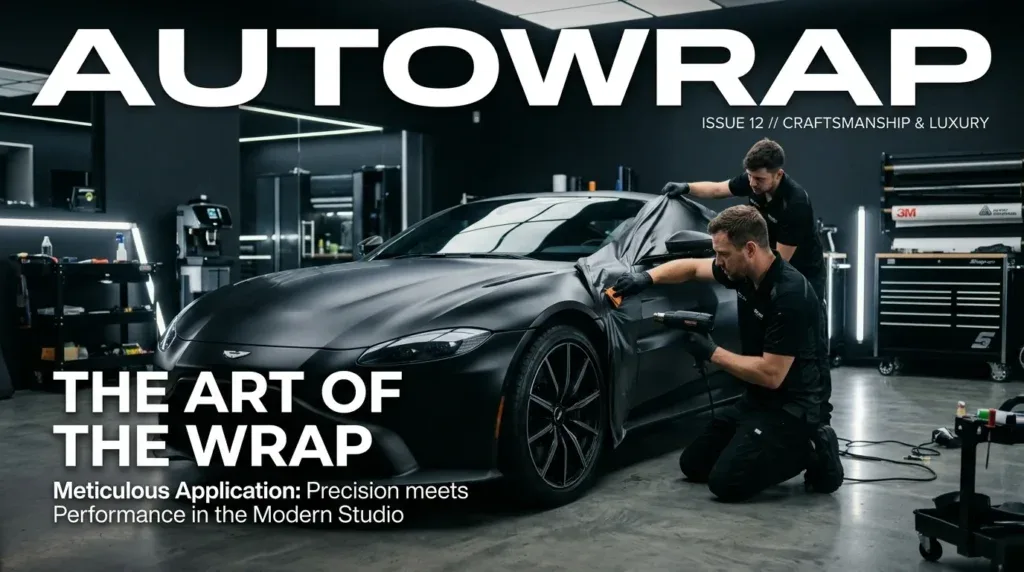
Professional installers have the experience, the specialized tools (like precision knives, heat guns with specific temperature settings for post-heating, specialized squeegees for different curves, and Knifeless tape for clean cuts), and the climate-controlled environment required for a flawless, durable finish. They understand critical steps like proper surface preparation (degreasing, clay bar treatment, IPA wipedown) and post-heating all edges and recesses to ensure longevity. Look for shops with certified installers (3M, Avery, Oracal certifications are a good sign), a strong portfolio of commercial work, and a solid warranty on their labor and materials. A reputable shop will ensure your wrap looks sharp, lasts long, and protects your investment.
Choosing the right commercial vehicle wrap for your business is a strategic decision that impacts your brand's visibility and longevity. It's more than just aesthetics; it's about making a smart marketing investment. By understanding your needs, selecting the appropriate materials, focusing on impactful design, and trusting certified professionals for installation, you can transform your fleet into powerful, attention-grabbing assets. Don't just get a wrap; get the right wrap that works tirelessly for your business, day in and day out. Here at Car Wrap Info, we truly believe in empowering you with the knowledge to make smart decisions, and for your business, that means choosing a wrap that delivers real ROI.