Choosing how to protect and personalize your vehicle's paint can feel like navigating a maze. On one side, you have the robust defense of paint protection Film (PPF); on the other, the vibrant aesthetic transformation offered by vinyl wraps. Both are fantastic options, but they serve different primary purposes, and understanding those differences is key to making the right investment for your ride. As someone who's spent over 15 years installing hundreds of these applications, I've seen firsthand what works best in various situations, and I'm here to share that real-world experience with you.
Paint Protection Film (PPF): The Unseen Guardian
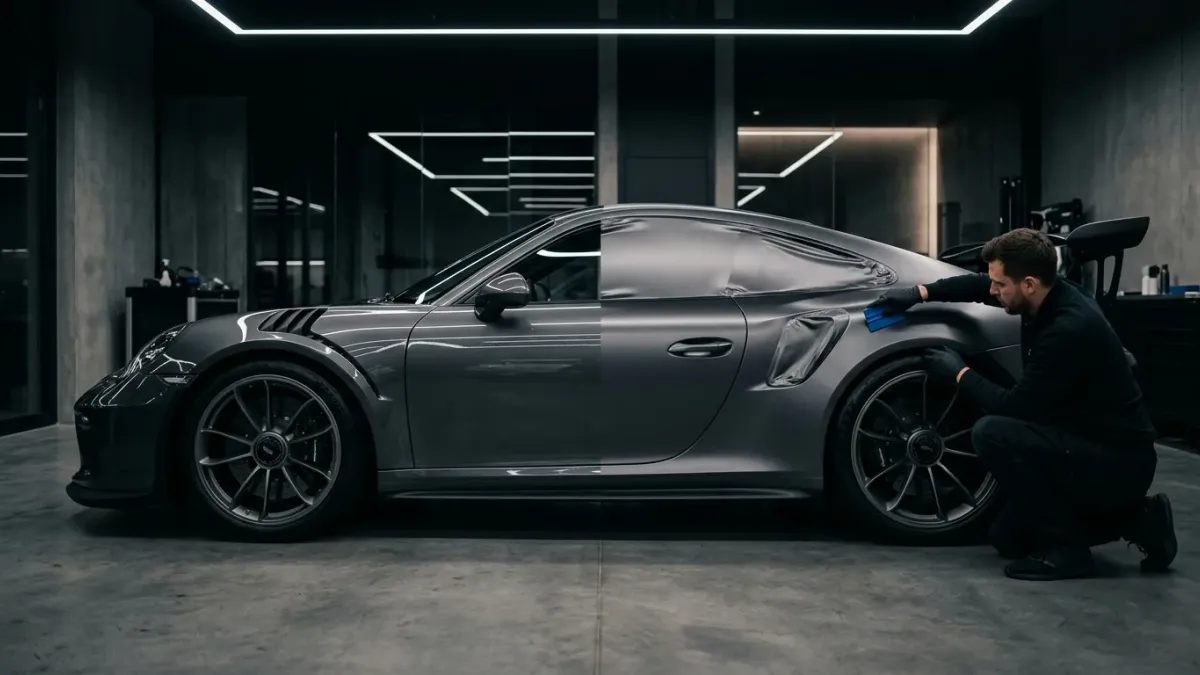
Let's start with PPF, often referred to as clear bra. What exactly is it? paint protection film (PPF) is a clear, thermoplastic urethane film typically ranging from 6 to 10 mil thick, applied to painted surfaces of a new or used car to protect the original paint from stone chips, scratches, bug splatters, and minor abrasions. Think of it as a transparent shield. Unlike traditional waxes or sealants, PPF offers a physical barrier that absorbs impacts.
The magic of modern PPF lies in its advanced properties. Premium brands like XPEL Ultimate Plus, STEK DYNOshield, SunTek Reaction, or 3M Scotchgard Pro Series often feature self-healing properties. This means that minor scratches and swirl marks on the film itself can disappear with exposure to heat (like warm water or sunlight), keeping your vehicle looking pristine. It also provides excellent UV protection, preventing your factory paint from fading over time, ensuring that when the film is eventually removed, the paint underneath looks just as vibrant as the day it was applied.
Pros and Cons of PPF
- Unrivaled Protection: This is PPF's biggest selling point. It's designed to take a beating so your paint doesn't have to. Stone chips, road debris, minor scuffs – PPF handles them with ease.
- Self-Healing: As mentioned, many modern PPFs can repair themselves from minor damage, maintaining a flawless appearance.
- Maintains Resale Value: By preserving the original paint, PPF significantly helps maintain your vehicle's resale value. A pristine factory finish is always more appealing to buyers.
- Long-Lasting: High-quality PPF can last 7-10 years or even longer with proper care.
- Cost: It's a significant upfront investment. A full front end (bumper, hood, fenders, mirrors) on a car like a 2024 Honda Civic might run $1,800-$2,800, while a full vehicle PPF application on a 2024 Tesla Model Y can range from $5,000 to $7,500 depending on the film, coverage, and complexity.
- Aesthetics: While some specialty PPFs offer matte or gloss finishes, they don't change the underlying color. You're stuck with your factory paint color.
- Installation Complexity: PPF installation, often a wet application, is incredibly precise and requires specialized tools and expertise to avoid distortion, bubbles, or lifting edges. It's definitely not a beginner DIY project if you want a perfect finish.
Vinyl Wraps: Your Canvas for Transformation
Now, let's talk about vinyl wraps. Vinyl wraps are adhesive-backed PVC films, typically 2.5 to 4 mil thick, applied over a vehicle's original paint to change its color, finish, or add custom graphics. While they offer a degree of protection, their primary purpose is aesthetic customization. You can literally transform the look of your vehicle overnight.
There are two main types of vinyl films: cast vinyl and calendered vinyl. Cast vinyl is the premium, heat-activated film that starts as a liquid, is cast onto a liner, and then dried. This process makes it incredibly thin, stable, and conformable, allowing it to hug complex curves and recesses without shrinking back. It's the go-to for full vehicle wraps and lasts longer. Calendered vinyl, on the other hand, is a more affordable, stiffer film produced by extruding a molten plastic through rollers. It's thicker and less flexible, making it better suited for flat surfaces or short-term graphics. For serious car enthusiasts, cast vinyl from brands like 3M 2080/1080 series, Avery Supreme Wrapping Film, Oracal 970RA, Hexis, or Arlon is the standard.
Pros and Cons of Vinyl Wraps
- Unmatched Customization: This is where wraps shine. Literally thousands of colors, textures (matte, gloss, satin, chrome, brushed metal, carbon fiber), and patterns are available. You can achieve looks impossible with paint.
- Temporary & Reversible: Don't like it? Peel it off! A wrap can be removed without damaging the underlying factory paint, making it perfect for leases or changing tastes.
- Cost-Effective Color Change: Changing your car's color with a wrap is significantly cheaper than a high-quality paint job. A full color change wrap on a Ford F-150 crew cab might cost $4,500-$7,000, requiring about 18-22 linear meters of 60-inch film. A full wrap on a 2024 Tesla Model Y is typically $3,800–$5,800 depending on the finish and shop.
- paint protection (Secondary): While not as robust as PPF, a vinyl wrap still provides a sacrificial layer against minor scratches, scuffs, UV rays, and environmental contaminants. It's certainly better than nothing.
- Durability: A quality cast vinyl wrap will last 3-7 years with proper care, though some specialty films might have shorter lifespans.
- Limited Impact Protection: Vinyl wraps are much thinner than PPF and won't protect against stone chips or significant abrasions. Imagine hitting a rock with a vinyl wrap versus PPF – the vinyl will likely tear, while PPF might just dent and self-heal.
- Maintenance: While fairly easy, you need to be mindful of certain chemicals and abrasive cleaners that can damage the vinyl's finish.
- DIY Potential: For simpler panels, DIY wrapping is possible, but full vehicle wraps demand precision and skill. Tools like Knifeless tape, a good heat gun (settings 200-250°F), and 3M rivet brushes are essential for pro-level results, especially when post-heating edges to 200°F.
Direct Comparison: Where Do They Stand Side-by-Side?
So far we've covered the individual characteristics. Now let's get to the really critical point: comparing them directly across key factors. This will help you weigh your options.
Protection Level
This is perhaps the most significant differentiator. PPF is designed for protection first and foremost. Its thick, self-healing urethane composition is engineered to absorb impacts and prevent physical damage to your paint. Vinyl wraps, while offering some protection, are not in the same league for impact resistance. They will shield against light scratches and UV, but a flying stone chip will likely go right through a standard 3-mil vinyl wrap.
Aesthetics & Customization
Here, vinyl wraps dominate. The sheer variety of colors, finishes, and graphic possibilities is endless. Want a chrome purple SUV? A matte black sports car? A custom livery for your track day machine? Vinyl wraps make it possible. PPF, being clear, preserves your existing paint color, though you can get it in gloss or matte finishes to change the sheen of your original paint.</p
Durability & Maintenance
Both films require proper care to maximize their lifespan. For PPF, you're looking at 7-10+ years. For vinyl wraps, expect 3-7 years depending on the film quality and exposure. Both benefit from regular washing (using the two-bucket method with pH-neutral car soap) and can be maintained with ceramic coatings designed for wraps/PPF, which can extend their life and make cleaning easier. Avoid abrasive waxes or polishes on either.
Cost Investment
Generally, PPF is more expensive per square foot than vinyl wrap. This is due to the advanced materials and the specialized, often more labor-intensive installation process. A full vehicle PPF application will almost always cost more than a full color change vinyl wrap on the same vehicle. However, consider the longevity and the type of protection you're getting. An investment in PPF can save you thousands in paint repair down the line, especially on high-value or brand-new vehicles.
&h2>Making Your Choice: The Right Fit for Your RideUltimately, the choice between PPF and a vinyl wrap comes down to your priorities and what you want to achieve with your vehicle. Are you mainly concerned with preserving your factory paint from physical damage, especially stone chips and scratches? Then PPF is your undisputed champion. It’s the ultimate shield for your paint.
Do you want to drastically change your car's appearance, explore unique colors and finishes, or brand your fleet without committing to a permanent paint job? A vinyl wrap is the way to go. It offers incredible aesthetic flexibility and a decent layer of protection against light wear and tear. Honestly, I often recommend a combination: PPF on high-impact areas (front bumper, hood, mirrors) and then a vinyl wrap on the rest of the car for color change.
For example, imagine this situation: You just bought a brand-new 2025 Porsche 911 Carrera in a gorgeous metallic blue. You love the color, but you frequently drive on highways and mountain roads. What would you do in this situation? My advice would be to install full PPF coverage on that beautiful factory paint. It will keep that pristine blue looking flawless for years, protecting your significant investment. Now, let's say you have a 2018 Toyota Camry</strong; the paint is a bit dull, and you want to give it a fresh, personalized look, maybe a cool matte grey. Here, a full vinyl wrap makes more sense. It's a cost-effective way to get a completely new aesthetic, and you'll still get some protection against minor scuffs and UV. To be fair, you could also wrap the Camry in a color and then put PPF over the wrap for combined protection and customization! Yes, you can PPF over a vinyl wrap.
Before making a final decision, consider your budget, your aesthetic goals, and how you use your vehicle. Talk to reputable wrap shops in your area. Ask to see examples of their work for both PPF and vinyl wraps. A good shop, like the experts we feature here at Car Wrap Info, will walk you through the specifics, show you material samples, and help you choose the best solution for your needs. Investing in either option is a smart move for protecting your vehicle's appearance and value; just make sure it's the right investment for your specific situation.