Understanding Your Options: PPF and Vehicle Wraps
As a seasoned veteran in the automotive vinyl world, I’ve seen countless vehicle owners grapple with a fundamental question: how do I best protect my ride, or give it that fresh, personalized look? Often, the discussion quickly boils down to two popular options: paint protection film (PPF) and vehicle wraps. While both involve applying a film to your car's surface, they serve distinctly different primary purposes. Understanding these differences is crucial to making an informed decision that aligns with your goals, budget, and desired outcome for your cherished vehicle.
Think of it like this: are you primarily looking for a robust shield against the harsh realities of the road, or are you aiming for a complete aesthetic transformation with some inherent protection? Sometimes, clients even want both, and that’s where things get interesting. Let’s dive deep into what each product offers, how they differ, and ultimately, how to choose the best solution for your specific needs, straight from someone who’s been applying these films for over 15 years.
What is Paint Protection Film (PPF)?
paint protection film, often called "clear bra," is a transparent, highly durable film applied to your vehicle's painted surfaces. Its sole mission is to act as an invisible shield, safeguarding your original paint from a myriad of hazards. Modern PPF is typically made from a sophisticated material called thermoplastic polyurethane (TPU), an elastic and robust polymer known for its incredible impact resistance and self-healing properties. When minor scratches occur on the film's surface, the heat from the sun or hot water can cause the material to flow back into place, effectively making the scratch disappear. This isn't magic; it's advanced material science.
Most quality PPF films, such as Xpel Ultimate Plus, SunTek Reaction, or 3M Scotchgard Pro Series, come in thicknesses ranging from 8 to 12 mil (a "mil" is one-thousandth of an inch). This substantial thickness is what allows it to absorb impacts from road debris like stone chips, gravel, and even minor scuffs and abrasions that would otherwise damage your clear coat. Beyond physical protection, PPF also offers excellent UV resistance, preventing your paint from fading and oxidizing over time, and it often has hydrophobic properties, making your car easier to clean. For instance, applying a full front PPF package (hood, fenders, bumper, mirrors) on a new 2024 Tesla Model Y typically costs between $1,800 and $3,000, while a full vehicle PPF installation can range from $5,000 to $9,000 or more, depending on the vehicle size and film brand. This investment is designed to last, with many premium films boasting a 7-10+ year warranty against yellowing, cracking, or peeling.
What is a Vehicle Wrap?
A vehicle wrap, on the other hand, is primarily an aesthetic modification, though it does offer a layer of protection. It involves covering your vehicle’s existing paint with a durable vinyl film to change its color, finish, or add custom graphics. Unlike PPF, which is clear, wraps come in an almost limitless array of colors, textures (matte, gloss, satin, chrome, brushed metal), and patterns. This versatility makes wraps incredibly popular for personalization, branding for businesses, or simply refreshing the look of an older vehicle without the commitment and cost of a full repaint.
The vinyl used for wraps falls into two main categories: cast vinyl and calendered vinyl. Cast vinyl (like 3M 2080/1080 series, Avery Supreme Wrapping Film, or Oracal 970RA) is the premium choice for vehicle wraps. It's manufactured by pouring liquid vinyl onto a casting sheet, which allows it to shrink less and conform beautifully to complex curves, recesses, and rivets without pulling back. It's typically 2.5–3.5 mil thick. Calendered vinyl is a more affordable, stiffer film, made by rolling molten vinyl through rollers. It's generally thicker (3.5–5 mil) and better suited for flat surfaces or short-term applications, as it has a higher shrinkage memory, meaning it tends to pull back from edges over time. While wraps do provide a barrier against minor scratches, UV exposure, and some environmental contaminants, their primary function is not impact protection against stone chips like PPF. A full color change wrap on a mid-size sedan like a Honda Civic might cost $3,500–$5,500, while a larger vehicle like a Ford F-150 crew cab could range from $4,500–$7,000+, requiring about 18–22 linear meters of 60-inch film. The lifespan of a high-quality cast vinyl wrap, properly installed and maintained, typically ranges from 3-7 years.

Key Differences and Overlap: A Side-by-Side Comparison
To truly understand which option suits you best, let's break down the fundamental distinctions and a few areas where they share common ground.
Primary Purpose and Protection Level
- PPF: Dedicated paint protection. Its primary goal is to protect your original paint from physical damage like rock chips, scratches, swirl marks, bird droppings, and chemical stains. The robust TPU construction and thickness are engineered for impact resistance.
- Wrap: Aesthetic Transformation with Incidental Protection. The main purpose of a wrap is to change your vehicle's appearance. It does offer a sacrificial layer against minor abrasions, UV damage, and everyday grime, preserving the paint underneath. However, it will not withstand stone chips or significant impacts as effectively as PPF.
Material, Thickness, and Self-Healing
- PPF: Made from 8-12 mil thick TPU, known for its elasticity, clarity, and most notably, its self-healing capabilities. Minor scratches on PPF literally disappear with heat.
- Wrap: Made from 2.5-5 mil thick PVC vinyl (cast or calendered). While durable, standard vinyl wraps do not possess self-healing properties. Scratches on a wrap will remain unless the film is replaced.
Appearance and Options
- PPF: Almost entirely transparent, designed to be invisible. Available in gloss, satin, or matte finishes to match or alter the sheen of your underlying paint.
- Wrap: Opaque and comes in thousands of colors, textures (gloss, matte, satin, chrome, carbon fiber, brushed metal), and custom print designs. This is where you get true personalization.
Installation Complexity and Longevity
- Installation: Both PPF and wrap installations are highly specialized and require immense skill, a clean environment, and specific tools. PPF often requires more stretching and manipulation to conform to complex curves while maintaining optical clarity, whereas wraps require careful tension management and post-heating to prevent lifting. For both, meticulous surface preparation (washing, clay barring, degreasing with an IPA solution) is paramount for proper adhesion and a flawless finish. Using specific tools like soft-edge squeegees for both, specialized Knifeless tape for wraps, and a 3M rivet brush for recessed areas ensures a professional result.
- Longevity: High-quality PPF typically lasts 7-10+ years due to its robust TPU construction and UV inhibitors. Quality cast vinyl wraps generally last 3-7 years, with chrome or specialty finishes sometimes having a shorter lifespan (1-3 years) due to their unique material properties. Environmental factors and maintenance play a significant role for both.
Cost Comparison (2025–2026 Estimates)
The cost for both options is a significant consideration, and it's essential to compare apples to apples.
- PPF:
- Full Front (bumper, hood, fenders, mirrors): $1,800 – $3,500 (e.g., a full front on a 2024 Subaru BRZ might be around $2,000-$2,500).
- Full Car: $5,000 – $9,000+ (e.g., a full vehicle PPF on a Porsche 911 Carrera could easily reach $7,000-$9,000).
- Smaller sections (rocker panels, door cups): $100 – $500.
- Vehicle Wrap:
- Full Color Change (sedan): $3,500 – $5,500 (e.g., a matte black wrap on a BMW 3 Series).
- Full Color Change (truck/large SUV): $4,500 – $7,000+ (e.g., a satin white wrap on a Chevrolet Silverado crew cab).
- Chrome Delete: $300 – $800 (for window trim, grille accents).
- Roof Wrap: $300 – $700.
Keep in mind that DIY installation for both can save on labor costs, but the risk of expensive mistakes (wasted film, damaged paint, poor finish) is incredibly high for beginners. For a professional finish and warranty, always consider a reputable installer.
Making Your Decision: Which is Right for You?
Now that we’ve dissected each option, let’s talk about how to choose. Your decision should be guided by your primary goal, budget, and how you use your vehicle.
Prioritizing Protection: Choose PPF
If your absolute top priority is to preserve your vehicle’s original paint in pristine condition, especially if it’s a new car, a luxury vehicle, or a classic you want to protect from the elements, then PPF is your unequivocal choice. It’s ideal for:
- New Car Owners: Protecting that factory finish from day one is the best way to maintain resale value and keep it looking showroom fresh.
- Daily Drivers: Commuting on highways means encountering endless road debris. PPF acts as a sacrificial layer, taking the hits instead of your paint.
- Luxury or Exotic Car Owners: The cost of repainting a high-end vehicle can be astronomical; PPF is a comparatively small investment to avoid that headache.
- Anyone Who Hates Swirl Marks: The self-healing properties of PPF are a godsend for maintaining a flawless finish, even after regular washing.
I often advise clients with brand new vehicles, particularly those with soft paint or a high-value finish, to opt for a full-front PPF application at minimum. It’s a peace-of-mind investment that truly pays off when you see how many rock chips it deflects over the years.
Prioritizing Aesthetics & Customization: Choose a Wrap
If you're looking to completely change your vehicle's color, add unique graphics, or give it a custom look that stands out from the crowd, a vinyl wrap is the way to go. It's perfect for:
- Personal Expression: You want a specific color or finish that isn't available from the factory, or you simply want to refresh your car's look.
- Business Branding: Fleet vehicles, delivery vans, or mobile businesses can transform their vehicles into moving billboards with custom-printed wraps.
- Temporary Changes: Unlike paint, a wrap is reversible. You can enjoy a new color for a few years and then remove it cleanly, reverting to your original paint for resale or another change.
- Resale Value: A wrap can protect the original paint underneath, making it pristine when removed, which can be a significant selling point.
For example, if you just bought a used car in good condition but hate the color, a full wrap is a fantastic solution. It's often quicker and more affordable than a quality paint job, and the options are endless. I've helped countless clients completely transform their vehicles, from a dull silver sedan into a vibrant satin blue beast, or a plain white van into a rolling advertisement for a local business.
The Hybrid Approach: Getting the Best of Both Worlds
What if you want both robust protection AND a custom look? Many savvy vehicle owners opt for a hybrid solution. This typically involves applying PPF to high-impact areas (like the front bumper, hood, and fenders) and then wrapping the rest of the vehicle in a color-change vinyl. You can even combine a clear PPF over a vinyl wrap for ultimate protection of your new custom color. This strategy offers maximum protection where it's most needed while allowing for complete aesthetic customization.
For instance, one client brought in his custom-wrapped Ford Mustang, worried about rock chips on the front. We applied a layer of clear PPF over the wrapped bumper and hood, giving him the unique aesthetic he wanted with the added peace of mind against road debris. It's a fantastic way to extend the life of your wrap in vulnerable areas and keep your entire vehicle looking flawless.
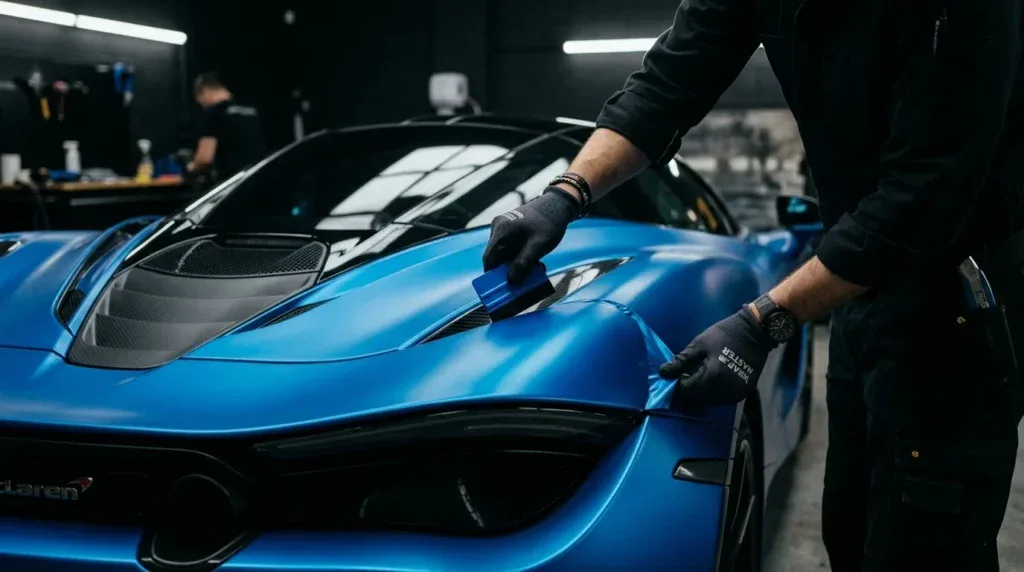
Installation and Longevity: Tips from a Pro
Regardless of whether you choose PPF or a wrap, the quality of the installation and ongoing maintenance are critical to its longevity and appearance. A poor installation will lead to lifting edges, bubbling, and premature failure, no matter how good the film is.
Professional Installation is Key
Both films require a controlled, dust-free environment and specialized skills. Here's what to look for and expect:
- Surface Preparation: This is non-negotiable. The vehicle must be meticulously washed, clay barred, and degreased with an isopropyl alcohol (IPA) solution. Any contaminants left on the surface will be trapped under the film, creating imperfections.
- Proper Tools: Installers use specialized squeegees (e.g., 3M Gold, Avery ProFlex), heat guns (with precise temperature control, typically 200-220°F for vinyl post-heating), Knifeless tape (for precise cuts without damaging paint), and application fluids.
- Edge Management: For wraps, edges should be tucked or trimmed precisely. For PPF, edges are often wrapped around panels to create an almost invisible seam and prevent lifting. Proper post-heating of all edges and stretched areas is essential to lock the film in place and relieve tension.
Maintenance for Maximum Lifespan
Once installed, proper care is crucial for both PPF and wraps:
- Regular Washing: Hand wash your vehicle regularly with a pH-neutral car soap and soft microfiber mitts. Avoid harsh chemicals, abrasive brushes, and automatic car washes with spinning brushes, as these can scratch or damage the film.
- Avoid Harsh Chemicals: Stay away from petroleum-based cleaning products, waxes with dyes, or abrasive compounds. Many specialized detail sprays and ceramic coatings are specifically formulated for PPF and vinyl wraps.
- Parking Habits: Whenever possible, park in shaded areas or garages. Prolonged exposure to direct sunlight and extreme temperatures can accelerate degradation, especially for wraps.
- Addressing Issues Promptly: If you notice a lifting edge or a small bubble, don't pick at it. Bring it back to your installer immediately for a professional repair. Small issues can quickly become big problems if left unaddressed.
- ceramic coatings: Applying a ceramic coating designed for PPF or vinyl can add an extra layer of protection, enhance gloss or satin finish, and make cleaning even easier. Brands like Gtechniq, Feynlab, and Ceramic Pro offer excellent options for film-protected surfaces.
Ultimately, the choice between PPF and a wrap comes down to your priorities. Do you value paint protection above all else, or is a striking visual transformation your main goal? Knowing the strengths and weaknesses of each will empower you to make the right call for your vehicle and enjoy it for years to come.