The Allure of DIY Vehicle Wraps: A Dream or a Challenge?
There’s a growing fascination with DIY vehicle wraps, and it’s easy to see why. The idea of transforming your car's look over a weekend, all while saving a significant chunk of change, is incredibly appealing. Whether you're eyeing a sleek matte black, a vibrant color change, or just some cool custom graphics, the thought of doing it yourself often sparks curiosity. But is it a realistic endeavor for the average car owner or hobbyist? As someone who’s spent over 15 years in the trenches of vehicle wrapping, I've seen countless DIY attempts – some surprisingly good, many others ending in frustration and wasted material. This article on Car Wrap Info will give you the unfiltered truth about whether taking on a full vehicle wrap yourself is truly worth the risk.
My goal isn't to discourage you, but to equip you with honest, practical insights so you can make an informed decision. Wrapping a vehicle isn't just about sticking a giant sticker on your car; it's an art and a science that requires patience, precision, and specialized skills. We'll dive into the real benefits and the often-overlooked pitfalls, helping you weigh the potential savings against the effort, cost of mistakes, and the final quality you can expect.
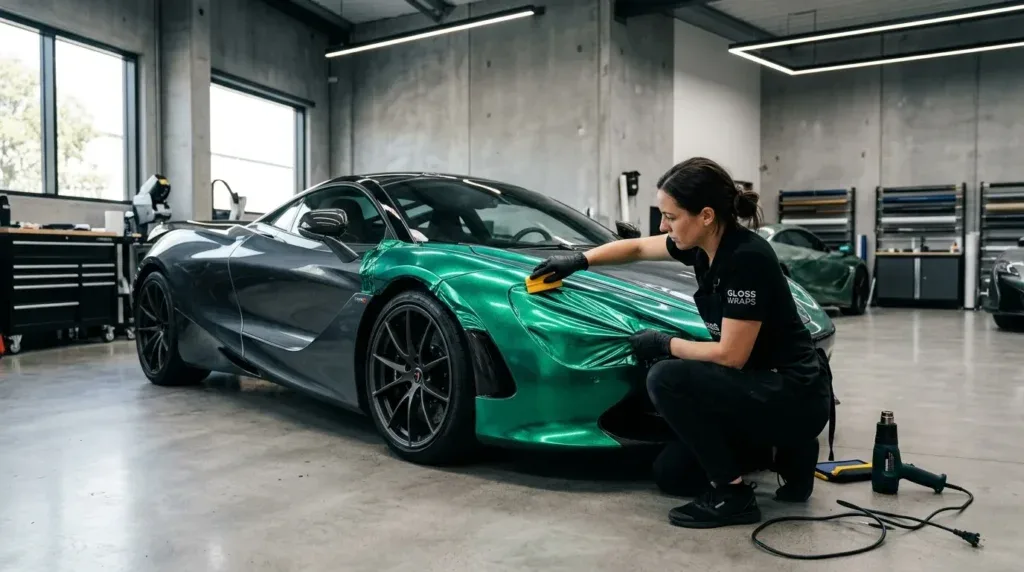
The Allure of DIY: Why People Consider Wrapping Their Own Car (The Pros)
Let's start with what makes DIY wrapping so attractive. The primary driver for most people is, without a doubt, the cost savings. When you wrap your car yourself, you're eliminating the substantial labor costs associated with professional installation, which can easily account for 60-70% of the total price. For example, a full color change wrap on a mid-size sedan like a Honda Civic or Toyota Camry might cost anywhere from $3,000 to $4,500 professionally in 2025-2026. If you go the DIY route, you're primarily paying for the material, which can bring the cost down to $700-$1,200 for quality cast vinyl (the premium, heat-activated film that conforms to complex curves without shrinking back, typically 2.5-3.5 mil thick) and a few hundred dollars for essential tools.
Beyond the financial aspect, there's immense personal satisfaction. Successfully completing a complex project like wrapping your own vehicle can be incredibly rewarding. It’s a fantastic learning experience, teaching you new skills in patience, problem-solving, and attention to detail. Many hobbyists genuinely enjoy the process of working on their cars, and wrapping can be a challenging yet fulfilling extension of that passion. You also get complete control over the schedule, allowing you to work at your own pace without the pressure of a shop's timeline. This flexibility is a big plus for those with busy schedules.
Another benefit, particularly for smaller projects, is the ability to experiment. Want to try a chrome delete (wrapping chrome trim pieces in a different color) or wrap your mirrors in a carbon fiber look? DIY allows you to tackle these smaller, less complex tasks without the minimum charge of a professional shop. It’s a great way to dip your toes into the wrapping world and build confidence before considering a larger project.
The Harsh Reality: The Significant Challenges and Risks of DIY Wraps (The Cons)
The Skill and Experience Gap
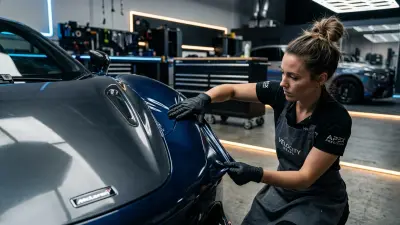
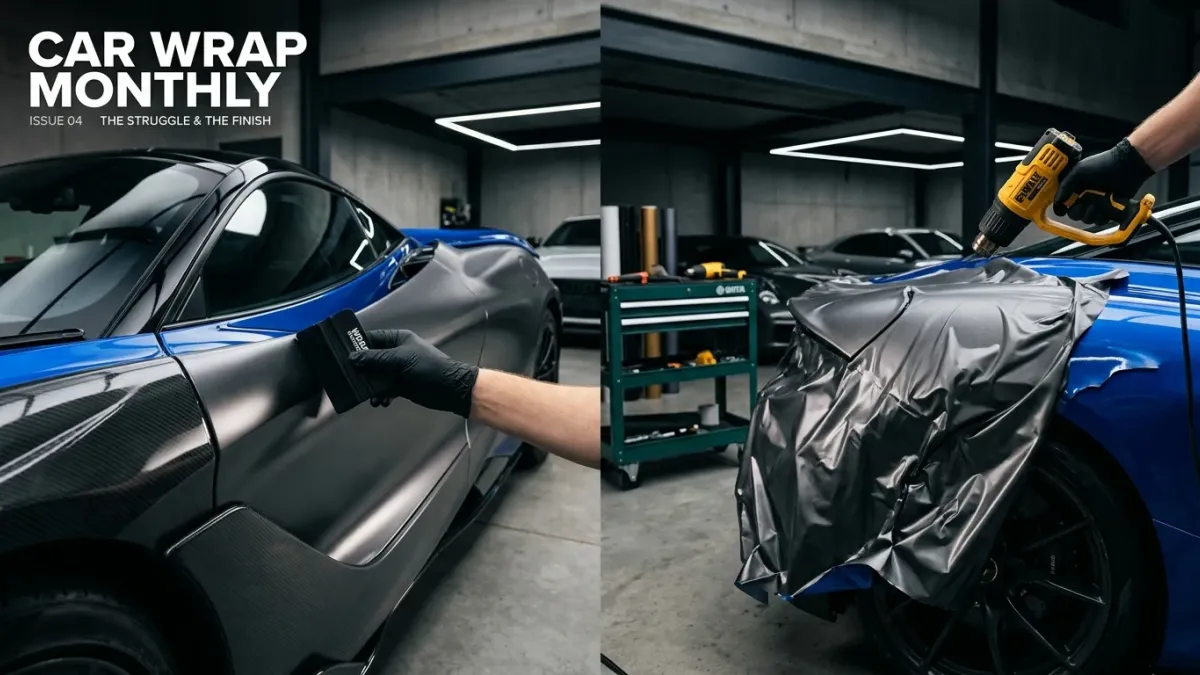
Here’s where the rubber meets the road. Wrapping a vehicle, especially a full color change, is incredibly difficult. It requires a specific skill set that takes years to master. You need to understand how vinyl reacts to heat, tension, and different surface contours. Complex curves, deep recesses, and bumpers are notorious for challenging even seasoned professionals. Without proper technique, you'll encounter common issues like silvering (tiny air channels trapped under the film), creasing (irreversible lines from improper stretching), and lifting edges (where the film pulls away due to insufficient post-heating or contamination).
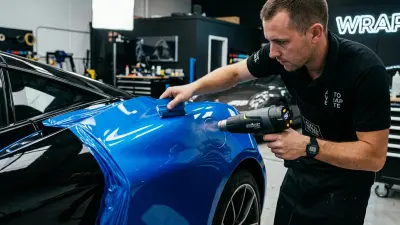
For example, imagine trying to perfectly wrap a complex mirror cap or the intricate curves of a front bumper. You pull the film, apply heat with a heat gun (aiming for 180-200°F / 82-93°C for proper activation), and squeegee it down. But what happens when you hit that first tight radius? Too much stretch and the film thins out, risking tearing or premature failure. Too little, and you get wrinkles or "fingers" that are almost impossible to lay flat without creating a crease. This isn't just about watching a few YouTube videos; it's about developing muscle memory and an intuitive feel for the material that only comes with extensive practice.
Specialized Tools & Environment
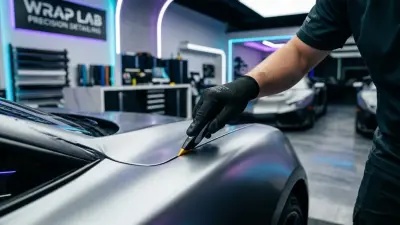
You can't just slap vinyl on with your bare hands. A professional setup includes a range of specialized tools: various types of squeegees (soft, hard, felt-tipped), proper utility knives with snap-off blades, Knifeless tape (a filament tape that allows you to cut the film without using a blade on the car's paint), magnetic holders, rivet brushes for textured surfaces, and, critically, a quality heat gun with temperature control. While a basic starter kit might cost $200-$500, a truly comprehensive setup quickly adds up.
More importantly, the environment is critical. You need a clean, dust-free, temperature-controlled space. Dust and contaminants are the enemies of a perfect wrap, leading to unsightly bumps and potential adhesion issues. Trying to wrap in a driveway or a dusty garage is a recipe for disaster. Professional shops invest heavily in proper lighting, climate control, and thorough cleaning protocols to ensure a pristine surface before application. Remember, the vehicle prep alone—thorough washing, chemical decontamination, clay bar treatment, and degreasing with an IPA solution—can take hours and needs to be flawless.
Material Waste & Potential Damage
Good quality cast vinyl from brands like 3M (2080/1080 series), Avery Dennison (Supreme Wrapping Film), or Oracal (970RA) isn't cheap. A full wrap for a mid-size SUV like a 2024 Tesla Model Y might require 18-22 linear meters of 60-inch film. At $50-$70 per yard, that's already a significant investment. Mistakes mean wasted material. Stretching a panel too much, creasing it, or getting a huge dust particle under the film often means cutting a new piece and starting over. This can quickly double or triple your material cost, eroding those initial savings.
And then there's the risk of damaging your vehicle. Using a sharp knife incorrectly can score your clear coat or even cut into the paint. Improper removal of old vinyl can leave adhesive residue or even pull up clear coat if the paint isn't factory quality. While vinyl wraps are generally paint-safe, poor application or removal techniques can lead to costly repairs down the line. To be fair, this is why professional training emphasizes precision in every step, from knife handling to final trim.
Time Investment & Durability
A professional installer can complete a full vehicle wrap in 2-3 days, sometimes up to a week for complex jobs or larger vehicles like a Ford F-150 crew cab (which takes 18-22 linear meters of 60-inch film). For a DIY wrapper, this time frame can easily stretch into several weekends or even weeks, especially if you're learning on the fly and encountering issues. Your free time becomes dedicated to wrapping, and frustration can quickly mount.
Moreover, the longevity and aesthetics of a DIY wrap often fall short. A professionally installed wrap, properly post-heated (heating the film to 180-200°F / 82-93°C after application to "set" the adhesive and relieve tension), and edge-sealed, can last 5-7+ years with proper maintenance (regular washing, no abrasive waxes). A DIY wrap, with likely insufficient post-heating, poor tension management, and less precise trimming, might start lifting, bubbling, or failing in 1-2 years, especially on critical areas like bumpers and edges. This means you'll be redoing sections or the entire wrap much sooner, negating any initial savings.
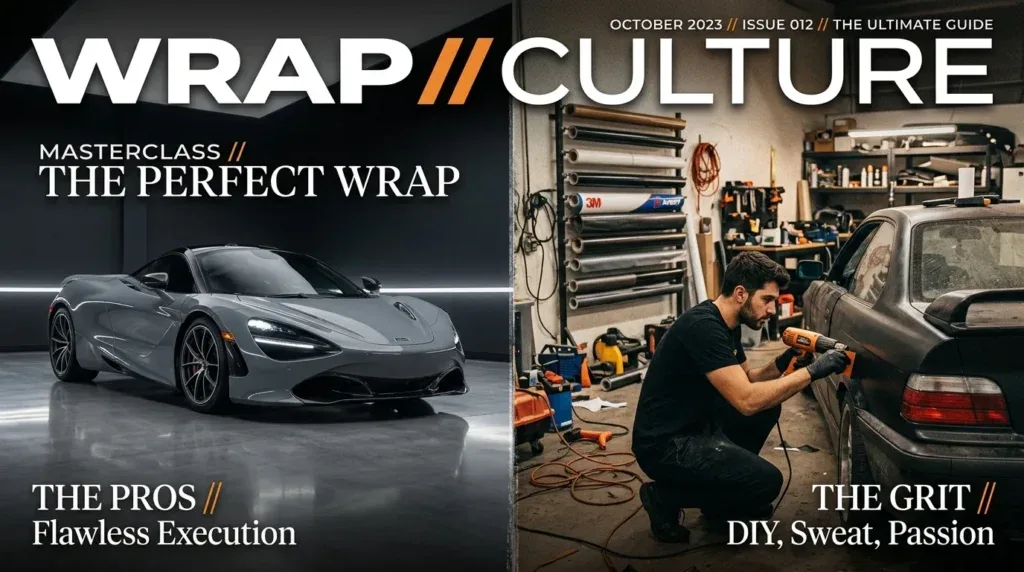
DIY vs. Professional: A Cost and Quality Comparison
Let's get down to brass tacks. What are the true costs, and what are you getting for your money?
DIY Costs (2025-2026 Estimates):
- Materials: For a full color change on a standard car (e.g., Honda Civic), expect to need 15-18 linear meters of 60-inch cast vinyl. This will run you approximately $700-$1,200 for brands like 3M 2080/1080 or Avery Supreme Wrapping Film. For a larger vehicle like a Ford F-150 or Tesla Model Y, you're looking at 18-22 linear meters, pushing material costs to $900-$1,500+.
- Tools: A basic kit (heat gun, squeegees, knife, cleaner) might be $200-$500. Add in Knifeless tape, magnets, rivet brushes, proper lighting, and a cleaner environment, and you're easily at $500-$1,000+.
- Time Investment: Your time has value. If you spend 40-80 hours (which is common for a first-timer) on a wrap, consider what that time is worth to you.
- Mistake Buffer: Factor in an extra 20-30% for wasted material.
- Total DIY Estimate: Realistically, for a quality job on a mid-size car, you're probably looking at $1,200-$2,500 (materials + tools + cost of mistakes).
Professional Costs (2025-2026 Estimates):
- Full Color Change Wrap:
- Sedan (e.g., Honda Civic, Toyota Camry): $3,000-$4,500
- Mid-size SUV (e.g., Tesla Model Y, Toyota RAV4): $4,200-$5,800
- Large Truck/SUV (e.g., Ford F-150, Cadillac Escalade): $5,000-$7,500+
- Specialty Finishes: Matte, satin, chrome, or textured films can add 15-25% to the cost due to their difficulty and material price.
- paint protection Film (PPF): This is a different beast. A full front PPF can cost $1,500-$2,500. A full vehicle PPF can range from $5,000-$8,000+, depending on the coverage and film type (e.g., 8 mil thick self-healing PPF).
The extra cost for a professional install isn't just for labor; it buys you peace of mind, a warranty against bubbling or lifting, and a finish that looks factory-applied. It means flawless installation, proper paint protection, and long-term durability that a DIY job typically can't match. In my opinion, the investment in a professional wrap often pays for itself in longevity and retained value, not to mention the sheer quality.
Making the Right Decision for You
So, is DIY vehicle wrap application worth the risk? It truly depends on your goals, budget, patience, and realistic assessment of your skills. For small, flat projects like interior trim pieces, a roof, or a hood, DIY can be a fantastic way to learn and customize. These smaller areas are more forgiving and the material cost for mistakes is lower. You might even consider starting with calendered vinyl (a more affordable, stiffer film better suited for flat surfaces) for these practice pieces, though you'd want cast vinyl for any complex curves.
However, for a full vehicle wrap, especially if you're aiming for a flawless, long-lasting finish that truly enhances your vehicle's appearance and value, I strongly recommend going to a professional. The expertise, specialized environment, and warranty offered by a reputable shop like those featured on Car Wrap Info are invaluable. You’re not just paying for the wrap; you’re paying for the hundreds of vehicles they’ve meticulously wrapped, the thousands of hours they’ve spent perfecting their craft, and the peace of mind that comes with a quality installation.
Honestly, trying a full DIY wrap without prior experience is like trying to build a custom engine after watching a few YouTube videos. You might get it to run, but will it perform flawlessly and last for years? Probably not. Save yourself the frustration, wasted material, and potential damage to your vehicle. If you're serious about transforming your car with vinyl, invest in a professional. Your vehicle, and your sanity, will thank you for it.