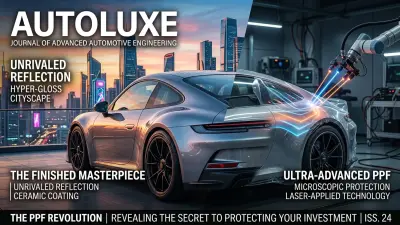
Alright, let’s talk about keeping your ride looking showroom-fresh, year after year. As someone who’s been elbow-deep in automotive vinyl for over 15 years, I've seen countless vehicles come through my shop – from daily drivers to exotic supercars – all with one common goal: protecting that precious factory paint. You spend good money on your vehicle, and nothing stings more than seeing it dinged, chipped, or swirled by the daily grind of the road. That’s precisely where paint protection film, or PPF, steps in. It's not just a fancy accessory; it's an invisible shield, an investment in your vehicle's future, and frankly, a non-negotiable for anyone serious about paint preservation.
Forget the old, yellowing "clear bras" of yesteryear. Modern PPF is a marvel of material science, engineered to take a beating so your paint doesn't have to. I'm here to cut through the marketing jargon and give you the real-world rundown: what PPF truly delivers, how it's properly applied, how to keep it pristine, and what kind of investment you’re looking at. Consider this your definitive guide from a seasoned installer who wants you to make smart, informed choices for your vehicle.
The Invisible Investment: Why Modern PPF is Non-Negotiable for Savvy Car Owners
You bought a new car, or perhaps a meticulously cared-for used one. That factory paint finish? It's a work of art, but it's also surprisingly vulnerable. Road debris – gravel, sand, asphalt chunks – act like tiny projectiles, chipping away at your clear coat. Parking lot mishaps, shopping cart dings, bug splatter, bird droppings, and even abrasive washing techniques can leave their mark. This isn't just about aesthetics; it’s about maintaining your vehicle’s value. A chipped, swirled, and faded paint job can significantly impact your resale or trade-in value down the line. That's where PPF earns its stripes.
At its core, PPF is a highly advanced, elastomeric polyurethane film, typically ranging from 6 to 12 mil (0.006 to 0.012 inches) in thickness. To put that in perspective, a standard color change vinyl wrap, like 3M 2080 or Avery Supreme, is usually around 2.5-3.5 mil. This substantial thickness is key to PPF’s superior impact resistance. It’s designed to absorb and dissipate the energy from impacts, preventing them from ever reaching your car's paint.
But modern PPF offers more than just impact resistance:
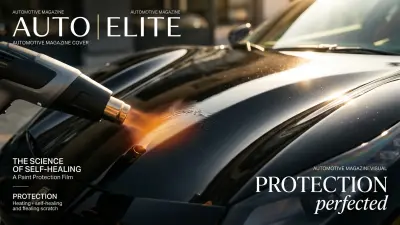
- Self-Healing Properties: This is the headline feature. Minor scratches, swirl marks, and scuffs on the film itself often "heal" and disappear when exposed to heat – whether it's the sun, a warm garage, or a quick pour of hot water. This isn't magic; it's the unique molecular structure of the film's top coat reverting to its original form. It means your car looks flawless, day after day, without constant polishing.
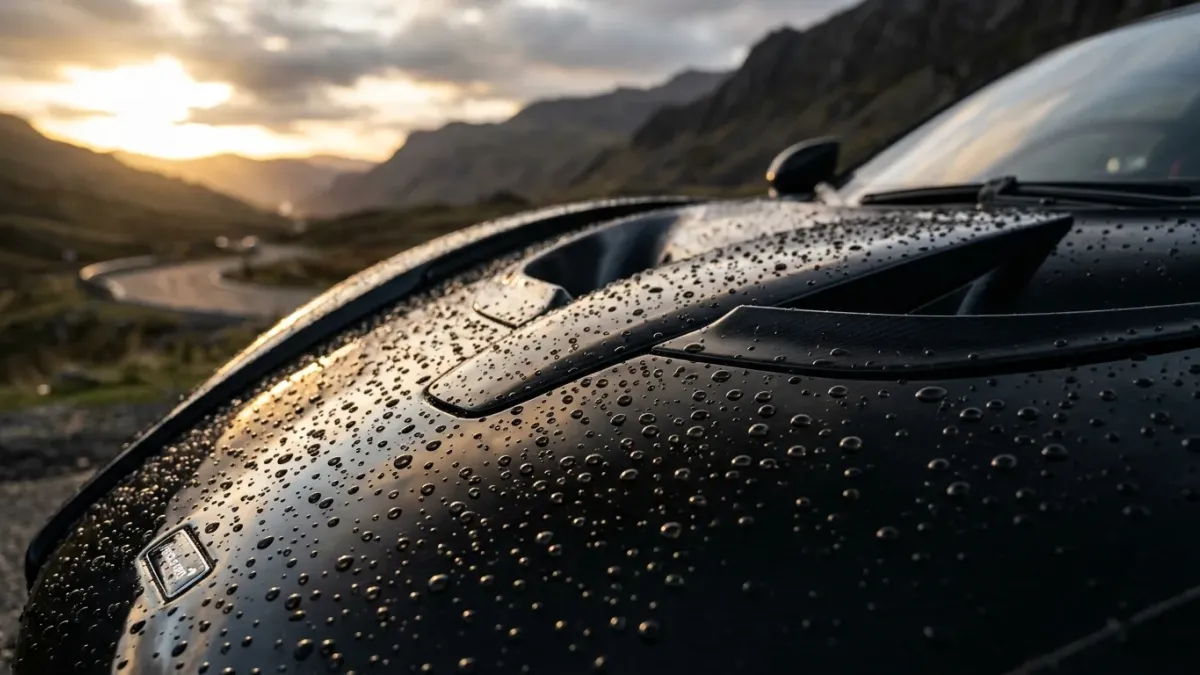
- Hydrophobic Top Coat: Most premium PPFs feature a specialized top coat that repels water, dirt, and grime. This makes cleaning your car significantly easier and keeps it looking cleaner for longer. Think of water beading beautifully and dirt rinsing right off, reducing wash time and effort.
- UV Resistance: While protecting against physical damage, PPF also shields your paint from harmful UV rays, preventing oxidation and fading, especially on darker colors or vehicles parked outdoors frequently.
- Stain Resistance: Bug guts, bird droppings, and tree sap can etch into clear coat if not removed quickly. PPF provides a barrier, making these contaminants easier to clean off without damaging the underlying paint.
Consider a full front-end PPF application on a 2023 Toyota Camry. Without PPF, after 3-5 years of highway driving, that bumper, hood leading edge, and fenders would likely be peppered with chips, requiring costly paint correction or even repainting to restore its look. With PPF, the film takes the abuse, preserving the pristine factory finish underneath, which translates directly to higher resale value and less depreciation.
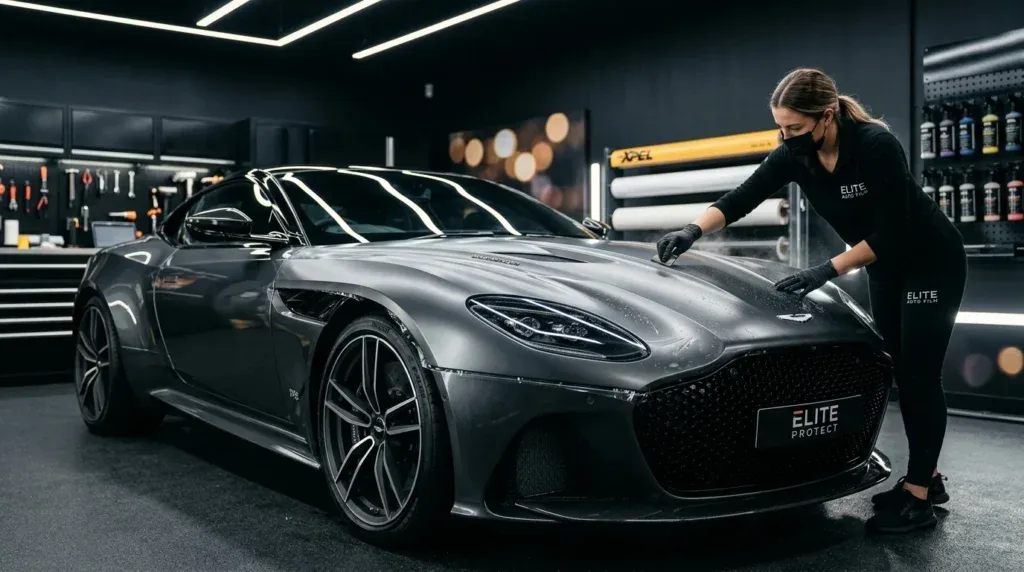
Deciphering Your PPF Options: Coverage, Finishes, and the Right Film for Your Ride
Choosing PPF isn't a one-size-fits-all decision. It involves considering your driving habits, budget, aesthetic preferences, and the specific vehicle you own. The market offers various coverage options and film types, each with its own advantages.
Understanding Coverage Levels:
- Partial Front (Traditional "Clear Bra"): This typically covers the leading 18-24 inches of the hood and fenders, the full front bumper, and side mirrors. It's the most basic protection, targeting the highest impact zones. Ideal for budget-conscious owners or those with minimal highway driving.
- Full Front: This is by far the most popular option. It covers the entire hood, full fenders, front bumper, headlights, and side mirrors. This eliminates visible lines often associated with partial wraps and offers comprehensive protection for the entire front of the vehicle. For a vehicle like a 2024 Tesla Model Y, this would be a common choice, protecting its prominent front fascia and hood.
- Track Pack: Beyond the full front, a track pack adds protection to crucial areas like rocker panels, door sills, and sometimes the rear bumper loading zone. Perfect for sports cars, trucks, or owners who frequently drive on rougher roads or track days.
- Full Vehicle Wrap: The ultimate protection, covering every painted surface of your vehicle. This ensures uniform protection and can be particularly beneficial for luxury vehicles, exotic cars, or fleet vehicles that need maximum durability. For a Ford F-150 crew cab, a full vehicle PPF would be a significant investment but would protect every panel from work-related scratches and environmental damage.
Exploring PPF Finishes:
- Gloss PPF: The most common type, designed to be virtually invisible, maintaining or even enhancing the factory gloss finish. Premium gloss films offer incredible optical clarity and depth.
- Matte PPF (Stealth/Satin): This revolutionary film transforms any gloss paint into a beautiful, satin matte finish while providing all the protective benefits of traditional PPF. It's an increasingly popular aesthetic choice for owners wanting a unique look without a full color change wrap. Brands like XPEL Stealth or STEK DYNOmatte are leaders in this segment.
Top-Tier PPF Brands I Trust:
From countless installations, a few brands consistently stand out for their clarity, durability, and warranty. These are the films I recommend because they deliver on their promises:
- XPEL Ultimate Plus & Stealth: XPEL is a dominant force for a reason. Their Ultimate Plus is known for its exceptional clarity, self-healing, and non-yellowing adhesive, backed by a 10-year warranty. Their Stealth line for matte finishes is equally impressive.
- 3M Scotchgard Pro Series: A long-standing industry giant, 3M's PPF offers robust protection, excellent stain resistance, and a reliable adhesive system. It's a workhorse film that performs consistently.
- STEK DYNOshield, DYNOmatte, DYNOcarbon: STEK has rapidly gained popularity with innovative