Introduction to Long-Lasting Car Wraps
A well-maintained car wrap can make a significant difference in the appearance and protection of your vehicle. As a seasoned wrap expert with over 15 years of experience, I've seen countless vehicles come and go, some looking pristine after years, while others fade and peel way too soon. The secret to an extended lifespan isn't just basic maintenance; it's about going above and beyond. Most premium car wraps, made from cast vinyl (the high-quality, heat-activated film like 3M 2080, Avery Supreme Wrapping Film, or Oracal 970RA that conforms beautifully to complex curves without shrinking back), are rated for 5-7 years. However, with the right techniques and care, you can often push that durability even further, protecting your investment and keeping your ride looking fresh.
For instance, a full wrap on a 2024 Tesla Model Y can cost between $4,200 and $5,800, depending on the finish. Wrapping a Ford F-150 crew cab takes around 18-22 linear meters of 60-inch film. These numbers can vary depending on the complexity of the design and the installer's expertise. As a car owner, it's essential to understand the process and the materials involved to ensure you get the best results.
So, what sets a long-lasting car wrap apart from one that fades quickly? Is it the type of vinyl used, the installation technique, or the maintenance routine? The answer lies in a combination of these factors, along with some pro secrets that can make all the difference. In this article, we'll delve into the world of car wraps and explore the top 10 pro secrets to make your car wrap last 7+ years.
Pre-Installation and Installation Secrets
Choosing the Right Vinyl
When it comes to car wraps, the type of vinyl used is crucial. Cast vinyl is the premium choice, offering a heat-activated film that conforms to complex curves without shrinking back. On the other hand, calendered vinyl is a more affordable option, better suited for flat surfaces. However, it's essential to note that calendered vinyl may not last as long as cast vinyl, with a typical lifespan of 3-5 years. For a long-lasting car wrap, it's recommended to invest in high-quality cast vinyl from reputable brands like 3M, Avery, or Oracal.
For example, the 3M 2080 series is a popular choice among car owners, offering a range of colors and finishes. The Avery Supreme Wrapping Film is another excellent option, providing a durable and conformable vinyl that can withstand the elements. When choosing a vinyl, consider the color, finish, and durability you need, and don't be afraid to ask your installer for recommendations.
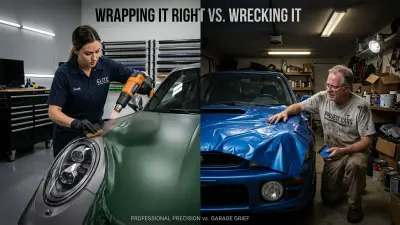
In addition to the type of vinyl, the installation technique is also critical. A professional installer will ensure that the vinyl is applied correctly, using the right tools and techniques to avoid air bubbles, wrinkles, and other imperfections. They will also post-heat the wrap, using a heat gun or infrared heater to bring the film to a specific temperature (typically 200-220°F or 93-104°C) at critical stress points like edges, recesses, and deep curves.
Maintenance and Care Secrets
Washing and Cleaning
Washing your car wrap requires some care to avoid damaging the vinyl. Automatic car washes are a definite no-go, as their harsh brushes and chemicals can scratch, dull, and even lift the wrap. Instead, stick to hand washing with the two-bucket method: one bucket for soapy water, one for rinsing your wash mitt. Use a pH-neutral car wash soap (e.g., Chemical Guys Mr. Pink, Adam's Car Shampoo) and soft microfiber mitts. Wash from top to bottom, rinse thoroughly, and dry with a clean, plush microfiber towel.
Avoid direct, high-pressure washing too close to edges – keep the nozzle at least 2 feet away. This will help prevent lifting and peeling, ensuring your wrap remains intact. For instance, if you're washing a wrapped Ford Mustang, start with the roof and work your way down to the hood, trunk, and doors. Use a soft-bristled brush to clean the wheels and tires, and avoid using high-pressure washes on the wrap's edges.
In addition to washing, it's essential to protect your wrap from harsh chemicals. Petroleum-based cleaners, solvents, degreasers, and even some bug and tar removers can strip the plasticizers out of your vinyl, leading to drying, cracking, and discoloration. Always use wrap-specific cleaning products or simple, pH-neutral solutions. If you spill gas, wipe it off immediately to avoid damaging the vinyl.
Advanced Secrets for Long-Lasting Car Wraps
Edge Sealing and Ceramic Coating
The edges of your wrap are the most vulnerable points, prone to lifting and peeling. To prevent this, consider professional edge sealing with a product like 3M Edge Sealer 3950. This clear liquid forms a protective barrier over exposed edges, preventing lifting and peeling. It's especially useful for door jams, complex recesses, and areas prone to impact.
In addition to edge sealing, a high-quality wrap sealant or a specialized ceramic coating designed for vinyl can provide an extra layer of protection. A product like Gtechniq Halo or Chemical Guys Wrap Detailer creates a hydrophobic layer, making cleaning easier, enhancing UV protection, and adding a sacrificial layer against environmental fallout. This can significantly extend the wrap's life and maintain its finish.
For example, a ceramic coating can help protect your wrap from the elements, reducing the risk of fading, cracking, and discoloration. It can also make cleaning easier, as dirt and debris will slide right off the surface. When applying a ceramic coating, make sure to follow the manufacturer's instructions and use a microfiber cloth to avoid streaks and marks.
Inspections and Repairs
Regular Inspections and DIY Repairs
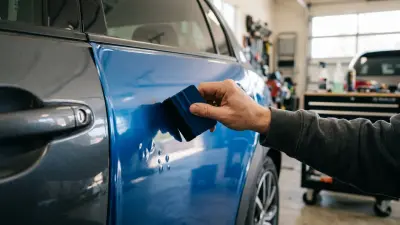
Regular inspections are crucial to maintaining your car wrap's longevity. Make it a habit to do a quick visual inspection of your wrap every few weeks. Look for any small bubbles, lifting edges, or minor imperfections. Catching these early allows for simple, inexpensive fixes (often just a bit of heat and squeegee work) before they escalate into larger, more costly problems requiring panel re-wraps.
When it comes to repairs, it's essential to know when to DIY and when to seek professional help. For minor issues like small bubbles or lifting edges, you can try to fix them yourself with gentle heat and a squeegee. However, for more significant problems like tears, punctures, or large lifted areas, it's best to seek professional help. Attempting to stretch or re-adhere severely damaged vinyl can lead to wrinkles, adhesive failure, and a worse appearance.
A professional installer can often repair a small section, saving you the cost of re-wrapping an entire panel. For instance, if you have a small tear on your wrapped Toyota Camry, a professional installer can repair it for a fraction of the cost of replacing the entire panel. They will use specialized tools and techniques to ensure a seamless repair that blends in with the rest of the wrap.